Remote work changed where people can live. You no longer need to choose between career and location. These nine cities offer coworking spaces with backup power, visa options that let you stay longer than a standard tourist visit, and transit systems that connect airports to neighborhoods where remote workers concentrate.
This guide covers the logistics that matter: how to get from the airport to your neighborhood, where to find coworking spaces with fast WiFi, which areas put you near cafes and transit, and what visa requirements you need to work legally. Each destination includes specific costs, transit times, and neighborhood details to help you decide where to base yourself this year.
What Makes a City Work for Digital Nomads?
Remote work infrastructure such as coworking spaces, accomodation and visa rules determine whether a city functions for digital nomads. The key factors include coworking spaces with backup power, neighborhoods with fiber internet, and visa policies that don't force you to leave every 30 days.
Cost matters, but so does time zone alignment with clients, airport connections for when you need to fly home, and a community of other remote workers who understand the lifestyle. The cities below balance all these factors. Some prioritize low costs, others offer better infrastructure or easier visa processes. Your choice depends on whether you value affordability over convenience, or visa flexibility over time zone compatibility.
1. Lisbon, Portugal
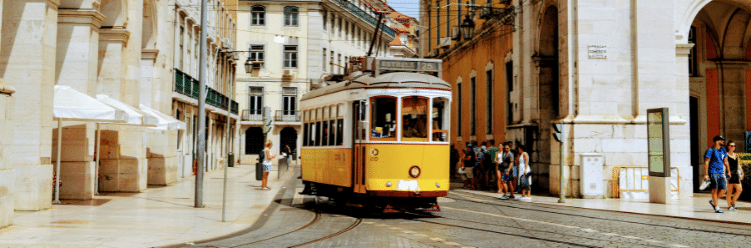
Lisbon has reliable metro service, dozens of coworking spaces, and a digital nomad visa that lets you stay up to two years. The city combines European infrastructure with lower costs than Paris or London, making it one of Europe's most accessible remote work hubs.
How Do I Get from Lisbon Airport to the City?
Lisbon Airport is 7 km from Rossio Square in the city center. Take the Red Line metro from Aeroporto station to Alameda, then transfer to the Green Line to Rossio (typically 25-35 minutes; €1.90 for a Carris/Metro occasional ticket; €1.72 via zapping; €1.92 via bank card—fares effective January 1, 2026). You'll need a Viva Viagem card (€0.50) to use the metro.
Aerobus Line 1 runs approximately every 20 minutes to the city center (30-45 minutes, approximately €4.00 one-way—verify current fares on the operator site). The bus stops at major hotels and tourist areas, making it easier if you have luggage.
Where Should I Work in Lisbon?
Second Home Lisboa at Mercado da Ribeira (Avenida 24 de Julho 49) offers hot desks for approximately €250-350/month. The space is inside the Time Out Market, putting you next to food vendors and the waterfront.
Cowork Lisboa operates in LX Factory at Rua Rodrigues Faria 103, a converted industrial complex with cafes, shops, and creative studios. The neighborhood is 3 km west of central Lisbon, reachable by tram or bus.
Where Should I Stay in Lisbon?
Martinhal Lisbon Chiado Family Suites at Rua das Flores 44 offers apartment-suites in central Chiado. The property is 0.4 km from Rossio metro station (approximately 5-minute walk) and 0.6 km from Second Home Lisboa (approximately 8-minute walk).
The Lumiares Hotel & Spa at Rua do Diário de Notícias 142 has suites and apartments in Bairro Alto. The property states it is BREEAM-certified. It is 0.5 km from Baixa-Chiado metro station (approximately 6-minute walk). The hotel includes a spa and rooftop terrace. Book The Lumiares through Dyme.
What Does It Cost to Live in Lisbon?
Coworking hot desks typically run €150-300/month. Meals at local restaurants cost approximately €10-15. A monthly Navegante pass is typically €30-€40 depending on Municipal vs Metropolitano coverage—confirm current pricing for your municipality.
Portugal's D8 Digital Nomad Visa requires minimum monthly income of approximately 4× the Portuguese minimum wage (approximately €3,480/month in 2026). Verify current D8 requirements with AIMA or Portuguese consular guidance (SEF was replaced by AIMA in 2023). The visa grants initial validity of 4 months, renewable for 2 years.

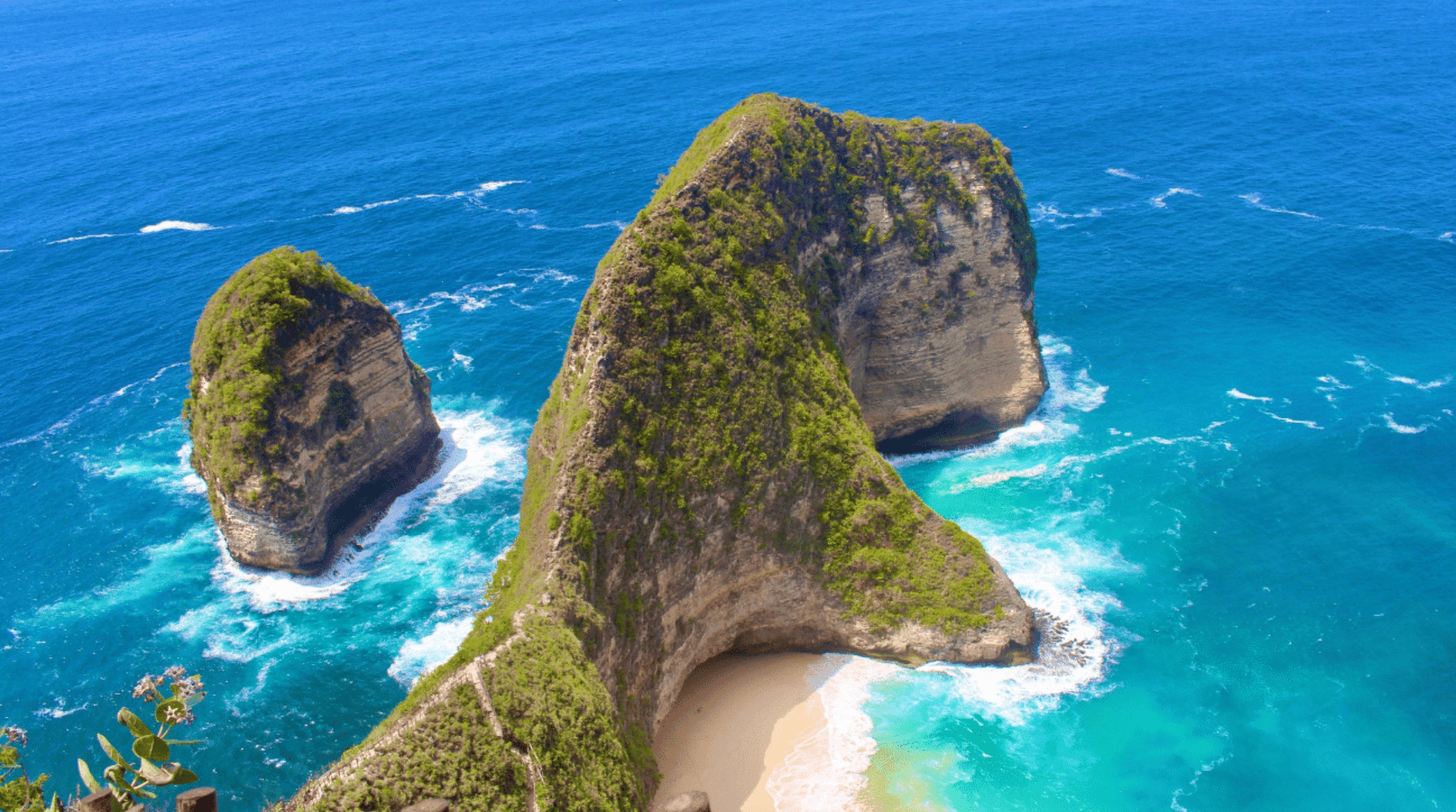
2. Bali, Indonesia
Bali has established coworking infrastructure in Canggu and Ubud, with dozens of spaces offering backup generators for power outages. Indonesia offers visa options for remote workers staying extended periods, making it one of Southeast Asia's most accessible long-term destinations.
How Do I Get from Ngurah Rai Airport to Canggu?
Ngurah Rai International Airport is 20 km from Canggu. Taxi rides take 45-90 minutes depending on traffic and cost approximately IDR 200,000-350,000 ($13-23 USD). Book through the official airport taxi counter to avoid overcharging.
Canggu has no rail or metro service. Most digital nomads rent scooters for approximately IDR 700,000-1,000,000/month ($45-65 USD). You'll need an international driving permit and helmet.
Where Should I Work in Bali?
Dojo Bali at Jl. Batu Mejan No.88 in Canggu offers 24/7 access and monthly memberships for approximately IDR 3,500,000 ($230 USD). The space has backup generators for Bali's occasional power outages. Day passes cost approximately IDR 200,000 ($13 USD).
Hubud at Jl. Monkey Forest No.88X in Ubud has been a fixture in the digital nomad community, though management and operations have changed over time. The bamboo building is near Ubud's main tourist area, 0.5 km from Ubud Palace (approximately 6-minute walk). Many digital nomads in 2026 also work from Livit and Tropical Nomad, which offer high-speed internet infrastructure in Ubud and Canggu.
Where Should I Stay in Bali?
The Slow at Jl. Batu Bolong No.97 in Canggu has 12 rooms. The property is 0.3 km from Dojo Bali (approximately 4-minute walk) and 0.4 km from Batu Bolong Beach. Book The Slow through Dyme.
Bisma Eight at Jl. Bisma No.68 in Ubud offers suites with an infinity pool overlooking jungle. The hotel is 0.8 km from Hubud (approximately 10-minute walk).
What Does It Cost to Live in Bali?
Coworking memberships typically run $150-250 USD/month. Meals at local warungs cost approximately IDR 25,000-50,000 ($1.60-3.30 USD). Western restaurants charge 3-4x more.
Indonesia's B211A visit visa allows 60-day stays, extendable 2×60 days (total up to 180 days), per Indonesian embassy guidance. The Second Home Visa offers longer validity but has significant financial requirements—verify current thresholds on the official immigration site.
3. Medellín, Colombia
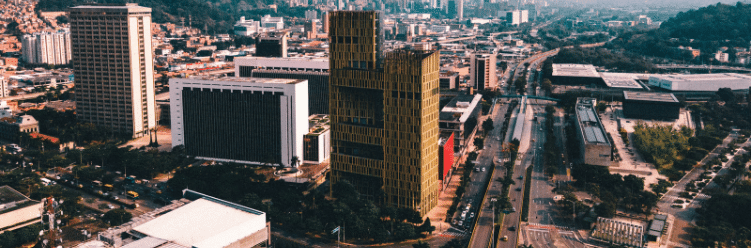
Medellín has year-round spring weather in its mountain valley setting, modern metro infrastructure, and established digital nomad communities in El Poblado. Colombia offers a digital nomad visa specifically designed for remote workers.
How Do I Get from José María Córdova Airport to El Poblado?
José María Córdova International Airport is 29 km from El Poblado. Official airport taxis cost approximately COP 90,000-120,000 ($22-30 USD) and take 45-75 minutes depending on traffic through mountain roads.
Where Should I Work in Medellín?
Selina Medellín at Carrera 32D #9-17 in El Poblado includes coworking access with accommodation. The property is 0.6 km from Poblado metro station (approximately 8-minute walk).
Tinkko at Carrera 43A #1-50 in the San Fernando Plaza area charges approximately COP 600,000-900,000 ($150-225 USD) monthly. The space is 0.4 km from Aguacatala metro station (approximately 5-minute walk, slightly uphill).
Where Should I Stay in Medellín?
The Charlee Hotel at Calle 9A #37-16 in El Poblado has rooms and a rooftop pool. The property is 0.5 km from Poblado metro station (approximately 6-minute walk) and 0.3 km from Parque Lleras. Book The Charlee through Dyme.
What Does It Cost to Live in Medellín?
Coworking spaces charge approximately $100-200 USD/month. Local restaurant meals cost approximately COP 15,000-25,000 ($3.75-6.25 USD). The Metro de Medellín uses a rechargeable Cívica card at approximately COP 2,950 ($0.75 USD) per trip, covering metro and Metrocable connections.
Colombia's Digital Nomad Visa requires minimum income of 3× the Colombian minimum wage. With the 2026 minimum wage at COP 1,750,905, the requirement is COP 5,252,715/month (approximately $1,435 USD—exchange rates fluctuate). The visa allows stays up to 2 years.
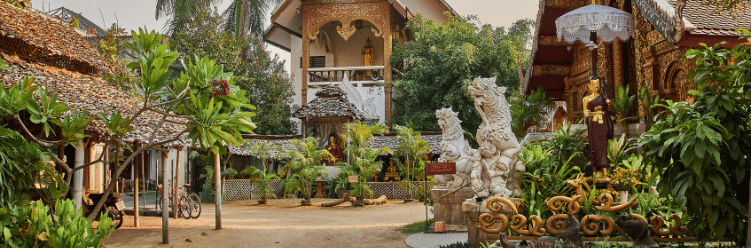
4. Chiang Mai, Thailand
Chiang Mai has lower costs than Bangkok with established digital nomad infrastructure around Nimman and Old City areas. The same Thai visa options apply, making it easy to split time between Bangkok and Chiang Mai.
How Do I Get from Chiang Mai Airport to Old City?
Chiang Mai International Airport is 4 km from Old City. Official airport taxis cost approximately THB 150-200 ($4.30-5.70 USD) and take 15-20 minutes.
Chiang Mai has no metro system. Most digital nomads use Grab (rideshare app) or rent scooters. Songthaews (red trucks) operate as shared taxis for approximately THB 30-50 within the city.
Where Should I Work in Chiang Mai?
Punspace operates multiple locations in Nimman and Old City with monthly memberships typically around THB 3,000-5,000 ($85-140 USD). Day passes typically cost THB 150-250 ($4.30-7.15 USD).
Hub53 at Rattanakosin Road offers coworking in Old City with similar pricing. Cafes throughout the city offer WiFi and welcome laptop workers.
Where Should I Stay in Chiang Mai?
Nimman Road has boutique hotels and serviced apartments within walking distance of coworking spaces and cafes. Old City offers guesthouses and smaller properties near temples and markets. Search hotels in Chiang Mai on Dyme.
What Does It Cost to Live in Chiang Mai?
Coworking spaces charge approximately $85-140 USD/month. Local meals cost approximately THB 40-80 ($1.15-2.30 USD). Thailand's Long-Term Resident (LTR) Visa offers 10-year validity for "Work-from-Thailand Professionals" who earn $80,000 USD annually, or use tourist visa extensions for shorter stays.
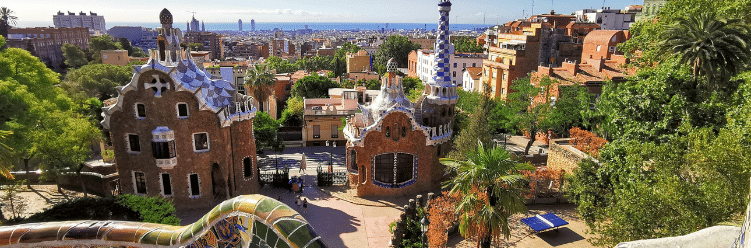
5. Barcelona, Spain
Barcelona combines Mediterranean climate, extensive metro coverage, and a thriving startup scene. The city has dozens of coworking spaces and direct flights to major global cities, though costs run higher than other destinations on this list.
How Do I Get from Barcelona Airport to the City?
Barcelona-El Prat Airport is 13 km from Plaça de Catalunya. Take the Aerobus A1 to Plaça de Catalunya (approximately 35 minutes, €5.90 one-way). The RENFE train runs from the airport to Barcelona Sants and Passeig de Gràcia stations (approximately 25-30 minutes).
The TMB metro Line 9 connects the airport to the city center with transfers required. Verify current fares and routes on the TMB website.
Where Should I Work in Barcelona?
OneCoWork operates multiple locations including Plaça Catalunya and Poblenou. Monthly hot desk memberships typically run €200-350 depending on location and access level.
Betahaus Barcelona at Carrer de Viladomat 134 in Eixample charges approximately €25-35 for day passes. The space is 0.6 km from Urgell metro station (approximately 8-minute walk).
Where Should I Stay in Barcelona?
Hotel Praktik Bakery at Carrer de Provença 279 in Eixample has rooms above a working bakery. The property is 0.3 km from Passeig de Gràcia metro station (approximately 4-minute walk). Book Hotel Praktik Bakery through Dyme.
Almanac Barcelona at Gran Via de les Corts Catalanes 619-621 offers rooms and suites. The hotel is 0.2 km from Passeig de Gràcia metro station (approximately 3-minute walk).
What Does It Cost to Live in Barcelona?
Coworking spaces charge approximately €200-400/month. Restaurant meals cost approximately €12-20. A T-casual (10 journeys, Zone 1) costs €13; a T-usual (Zone 1) costs €22.80 (2026 fares—check ATM/TMB for updates).
Spain offers an international teleworking (digital nomad) visa—requirements vary by consulate and whether you apply from Spain or abroad. Check the Spanish consulate website for current information.
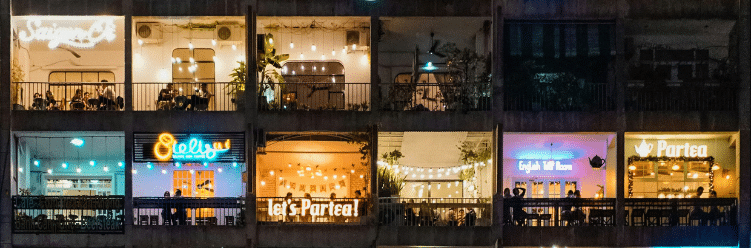
6. Ho Chi Minh City, Vietnam
Ho Chi Minh City combines affordability with fast-growing tech infrastructure. The city has modern coworking spaces, excellent street food, and living costs among the lowest on this list.
How Do I Get from Tan Son Nhat Airport to District 1?
Tan Son Nhat International Airport is 8 km from District 1 (central HCMC). Official airport taxis cost approximately VND 150,000-200,000 ($6-8 USD) and take 20-40 minutes depending on traffic.
Bus Route 109 runs from the airport to central districts (approximately VND 20,000 or $0.85 USD). The bus takes 45-60 minutes depending on traffic and stops.
Where Should I Work in Ho Chi Minh City?
Dreamplex operates multiple locations including Nguyễn Huệ in District 1 and Thảo Điền in District 2. Monthly memberships typically run VND 4,000,000-6,000,000 ($170-250 USD).
The Hive Thao Dien at 21 Quốc Hương in District 2 charges approximately VND 4,500,000 ($190 USD) monthly. The space is in Thảo Điền, a neighborhood popular with expats and digital nomads.
Where Should I Stay in Ho Chi Minh City?
District 1 offers hotels within walking distance of coworking spaces and restaurants. District 2 (Thảo Điền) provides quieter, more residential options popular with long-term remote workers. Search hotels in Ho Chi Minh City on Dyme.
What Does It Cost to Live in Ho Chi Minh City?
Coworking spaces charge approximately $150-250 USD/month. Street food costs approximately VND 30,000-60,000 ($1.25-2.50 USD) per meal. Restaurant meals cost approximately VND 80,000-150,000 ($3.40-6.40 USD).
Vietnam offers tourist visas for up to 90 days, and visa extensions or renewals are available. Check the Vietnam Immigration website for current requirements and e-visa options.

7. Cape Town, South Africa
Cape Town has coworking spaces in the V&A Waterfront and City Bowl, plus outdoor activities from Table Mountain to Cape Point. The city offers affordable living costs with developed infrastructure, though power outages require checking that coworking spaces have backup systems.
How Do I Get from Cape Town Airport to City Bowl?
Cape Town International Airport is 20 km from City Bowl. MyCiTi Bus A01 runs from the airport to Civic Centre (30-40 minutes). You'll need a myconnect card—verify current fares on the MyCiTi website.
Where Should I Work in Cape Town?
Workshop17 V&A Waterfront at Clock Tower in the V&A Waterfront offers hot desks for approximately ZAR 2,500-3,500/month ($140-195 USD). The location is in the waterfront complex with restaurants and shops.
Spin Street House at 17 Spin Street in Cape Town City Centre charges approximately ZAR 250 ($14 USD) for day passes. The space is 0.4 km from Company's Garden (approximately 5-minute walk).
Where Should I Stay in Cape Town?
The Silo Hotel at Silo Square in V&A Waterfront has rooms above the Zeitz MOCAA museum. The property is 0.2 km from Workshop17 V&A Waterfront. Book The Silo Hotel through Dyme.
What Does It Cost to Live in Cape Town?
Coworking spaces charge approximately $100-200 USD/month. Restaurant meals cost approximately ZAR 100-180 ($5.50-10 USD). South Africa experiences load shedding (rolling blackouts). Verify that accommodations and coworking spaces have backup power.
South Africa's Remote Work Visa is officially active in 2026 with a minimum income requirement of approximately ZAR 650,976 per year (roughly $35,000 USD), though some sources recommend showing closer to ZAR 1,000,000 for faster processing. Verify current requirements on the Department of Home Affairs website.
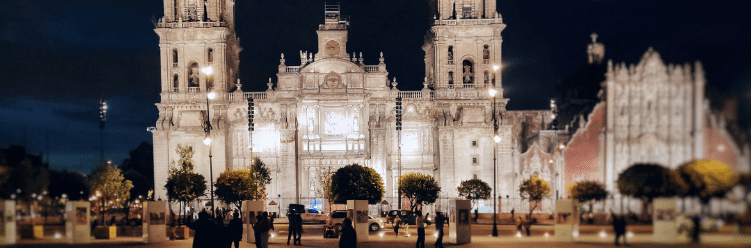
8. Mexico City, Mexico
Mexico City shares time zones with most US cities, offers direct flights to major US metros, and has living costs 40-50% lower than comparable US cities. The established digital nomad communities in Roma Norte and Condesa provide infrastructure and social networks for remote workers.
How Do I Get from Mexico City Airport to Roma Norte?
Mexico City International Airport is 13 km from Zócalo in the historic center. The metro system connects the airport to central neighborhoods, though routing options and service patterns can change. Check the Metro CDMX website for current routes and any service advisories before traveling.
Metrobús Line 4 runs from the airport to Centro Histórico (approximately 45 minutes). Note that airport service fares may differ from standard Metrobús fares—verify current pricing at the station.
Where Should I Work in Mexico City?
WeWork Reforma 222 at Paseo de la Reforma 222 offers hot desks for approximately MXN $4,500-6,000/month ($250-350 USD). The location is on the main boulevard connecting Polanco, Zona Rosa, and Centro Histórico, with metro access at Sevilla station.
Homework Condesa at Calle Atlixco 61 charges approximately MXN $350 ($20 USD) for day passes. The space is in the center of Condesa, 0.8 km from Parque México (approximately 10-minute walk).
Where Should I Stay in Mexico City?
Casa Goliana at Guanajuato 138 in Roma Norte has 5 rooms in a boutique property. The hotel is 0.4 km from Insurgentes metro station (approximately 5-minute walk).
Condesa Haus at Calle Veracruz 35 offers 9 suites in central Condesa. The property is 0.3 km from Parque México (approximately 4-minute walk). Book Condesa Haus through Dyme.
What Does It Cost to Live in Mexico City?
Coworking spaces charge approximately $150-300 USD/month. Local meals cost approximately MXN $80-150 ($5-9 USD). The metro operates on a pay-per-ride system at approximately MXN $5.00 per trip.
Mexico doesn't offer a specific digital nomad visa. Visitor permits are up to 180 days, but the number of days granted can be less and is set at entry. The Temporary Resident Visa requirements vary by consulate—typically requiring proof of monthly income or savings. Apply through Instituto Nacional de Migración.
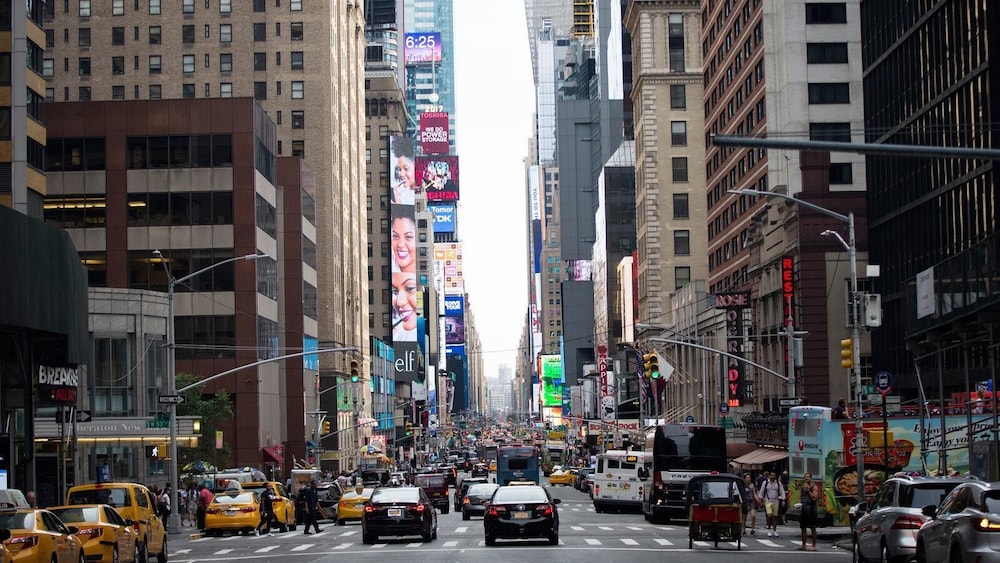
9. New York, United States
New York offers world-class coworking infrastructure, direct flights to global business hubs, and unmatched networking opportunities across every major industry. The city's costs run significantly higher than other destinations on this list, but the access to clients, industry events, and innovation hubs makes it valuable for remote workers prioritizing business development over affordability.
How Do I Get from JFK Airport to Manhattan?
JFK International Airport is 26 km from Midtown Manhattan. AirTrain to LIRR costs approximately $16-20 total and takes approximately 35-40 minutes to Penn Station. Check MTA fares for current pricing. Yellow Taxi flat fare is $70 plus tolls plus tip. Rideshare typically costs $65-95 but varies with demand.
Where Should I Work in New York?
Industrious operates multiple Manhattan locations including Midtown, Financial District, and Brooklyn. Monthly hot desk memberships typically run $400-600 depending on location.
The Farm Soho at 447 Broadway offers coworking in a converted Soho loft. Day passes cost approximately $45-55. The space is 0.2 km from Canal Street subway station (approximately 3-minute walk).
Where Should I Stay in New York?
The Arlo NoMad at 11 East 31st Street has compact rooms in NoMad. The property is 0.3 km from 28th Street subway station (approximately 4-minute walk). Book The Arlo NoMad through Dyme.
Pod Times Square at 400 West 42nd Street offers efficient rooms near Times Square. The hotel is 0.2 km from 42nd Street-Port Authority subway station (approximately 3-minute walk).
What Does It Cost to Live in New York?
Coworking spaces charge approximately $400-700/month. Restaurant meals cost approximately $15-30. NYC now uses OMNY (tap-to-pay). MetroCard sales and reloads ended January 1, 2026; fare-capping applies when you use the same device or card.
The US has no dedicated digital nomad visa. Non-US citizens should confirm what activities their immigration status allows before working while in the US. Check USCIS for current visa categories and requirements.
How Do I Get a Digital Nomad Visa?
Many countries now offer visas specifically for remote workers, though requirements and processing times vary significantly by destination.
Requirements vary, but most ask for proof of employment outside the country and minimum monthly income thresholds. Portugal requires approximately 4× the Portuguese minimum wage (verify current rates with AIMA or Portuguese consular guidance—SEF was replaced by AIMA in 2023), Estonia requires €4,250-€4,500/month, and Thailand's Long-Term Resident visa requires $80,000 USD annual income.
Application processes typically take 4-12 weeks depending on the consulate and country. You'll need employment contracts, bank statements, and sometimes proof of health insurance. Some countries like Mexico don't offer specific digital nomad visas but allow visitor permits for stays that work for shorter trips. Spain offers an international teleworking (digital nomad) visa, with the application route differing depending on whether you apply from abroad or after entering Spain, mainly affecting timelines and processing steps.
Since rules differ by country, checking legal stay options is essential. Short stays may be possible on visitor permits, but long-term remote work generally requires applying for a visa.
Frequently asked questions
What Makes a City Work for Digital Nomads?+
Remote work infrastructure such as coworking spaces, accomodation and visa rules determine whether a city functions for digital nomads. The key factors include coworking spaces with backup power, neighborhoods with fiber internet, and visa policies that don't force you to leave every 30 days.Cost matters, but so does time zone alignment with clients, airport connections for when you need to fly home, and a community of other remote workers who understand the lifestyle. The cities below balance all these factors. Some prioritize low costs, others offer better infrastructure or easier visa proce
How Do I Get from Lisbon Airport to the City?+
Lisbon Airport is 7 km from Rossio Square in the city center. Take the Red Line metro from Aeroporto station to Alameda, then transfer to the Green Line to Rossio (typically 25-35 minutes; €1.90 for a Carris/Metro occasional ticket; €1.72 via zapping; €1.92 via bank card—fares effective January 1, 2026). You'll need a Viva Viagem card (€0.50) to use the metro.Aerobus Line 1 runs approximately every 20 minutes to the city center (30-45 minutes, approximately €4.00 one-way—verify current fares on the operator site). The bus stops at major hotels and tourist areas, making it easier if you have lu
Where Should I Work in Lisbon?+
Second Home Lisboa at Mercado da Ribeira (Avenida 24 de Julho 49) offers hot desks for approximately €250-350/month. The space is inside the Time Out Market, putting you next to food vendors and the waterfront.Cowork Lisboa operates in LX Factory at Rua Rodrigues Faria 103, a converted industrial complex with cafes, shops, and creative studios. The neighborhood is 3 km west of central Lisbon, reachable by tram or bus.
Where Should I Stay in Lisbon?+
Martinhal Lisbon Chiado Family Suites at Rua das Flores 44 offers apartment-suites in central Chiado. The property is 0.4 km from Rossio metro station (approximately 5-minute walk) and 0.6 km from Second Home Lisboa (approximately 8-minute walk).The Lumiares Hotel & Spa at Rua do Diário de Notícias 142 has suites and apartments in Bairro Alto. The property states it is BREEAM-certified. It is 0.5 km from Baixa-Chiado metro station (approximately 6-minute walk). The hotel includes a spa and rooftop terrace. Book The Lumiares through Dyme.
What Does It Cost to Live in Lisbon?+
Coworking hot desks typically run €150-300/month. Meals at local restaurants cost approximately €10-15. A monthly Navegante pass is typically €30-€40 depending on Municipal vs Metropolitano coverage—confirm current pricing for your municipality.Portugal's D8 Digital Nomad Visa requires minimum monthly income of approximately 4× the Portuguese minimum wage (approximately €3,480/month in 2026). Verify current D8 requirements with AIMA or Portuguese consular guidance (SEF was replaced by AIMA in 2023). The visa grants initial validity of 4 months, renewable for 2 years.
How Do I Get from Ngurah Rai Airport to Canggu?+
Ngurah Rai International Airport is 20 km from Canggu. Taxi rides take 45-90 minutes depending on traffic and cost approximately IDR 200,000-350,000 ($13-23 USD). Book through the official airport taxi counter to avoid overcharging.Canggu has no rail or metro service. Most digital nomads rent scooters for approximately IDR 700,000-1,000,000/month ($45-65 USD). You'll need an international driving permit and helmet.
Where Should I Work in Bali?+
Dojo Bali at Jl. Batu Mejan No.88 in Canggu offers 24/7 access and monthly memberships for approximately IDR 3,500,000 ($230 USD). The space has backup generators for Bali's occasional power outages. Day passes cost approximately IDR 200,000 ($13 USD).Hubud at Jl. Monkey Forest No.88X in Ubud has been a fixture in the digital nomad community, though management and operations have changed over time. The bamboo building is near Ubud's main tourist area, 0.5 km from Ubud Palace (approximately 6-minute walk). Many digital nomads in 2026 also work from Livit and Tropical Nomad, which offer high-spe
Where Should I Stay in Bali?+
The Slow at Jl. Batu Bolong No.97 in Canggu has 12 rooms. The property is 0.3 km from Dojo Bali (approximately 4-minute walk) and 0.4 km from Batu Bolong Beach. Book The Slow through Dyme.Bisma Eight at Jl. Bisma No.68 in Ubud offers suites with an infinity pool overlooking jungle. The hotel is 0.8 km from Hubud (approximately 10-minute walk).
What Does It Cost to Live in Bali?+
Coworking memberships typically run $150-250 USD/month. Meals at local warungs cost approximately IDR 25,000-50,000 ($1.60-3.30 USD). Western restaurants charge 3-4x more.Indonesia's B211A visit visa allows 60-day stays, extendable 2×60 days (total up to 180 days), per Indonesian embassy guidance. The Second Home Visa offers longer validity but has significant financial requirements—verify current thresholds on the official immigration site.
How Do I Get from José María Córdova Airport to El Poblado?+
José María Córdova International Airport is 29 km from El Poblado. Official airport taxis cost approximately COP 90,000-120,000 ($22-30 USD) and take 45-75 minutes depending on traffic through mountain roads.
Where Should I Work in Medellín?+
Selina Medellín at Carrera 32D #9-17 in El Poblado includes coworking access with accommodation. The property is 0.6 km from Poblado metro station (approximately 8-minute walk).Tinkko at Carrera 43A #1-50 in the San Fernando Plaza area charges approximately COP 600,000-900,000 ($150-225 USD) monthly. The space is 0.4 km from Aguacatala metro station (approximately 5-minute walk, slightly uphill).
Where Should I Stay in Medellín?+
The Charlee Hotel at Calle 9A #37-16 in El Poblado has rooms and a rooftop pool. The property is 0.5 km from Poblado metro station (approximately 6-minute walk) and 0.3 km from Parque Lleras. Book The Charlee through Dyme.
What Does It Cost to Live in Medellín?+
Coworking spaces charge approximately $100-200 USD/month. Local restaurant meals cost approximately COP 15,000-25,000 ($3.75-6.25 USD). The Metro de Medellín uses a rechargeable Cívica card at approximately COP 2,950 ($0.75 USD) per trip, covering metro and Metrocable connections.Colombia's Digital Nomad Visa requires minimum income of 3× the Colombian minimum wage. With the 2026 minimum wage at COP 1,750,905, the requirement is COP 5,252,715/month (approximately $1,435 USD—exchange rates fluctuate). The visa allows stays up to 2 years.
How Do I Get from Chiang Mai Airport to Old City?+
Chiang Mai International Airport is 4 km from Old City. Official airport taxis cost approximately THB 150-200 ($4.30-5.70 USD) and take 15-20 minutes.Chiang Mai has no metro system. Most digital nomads use Grab (rideshare app) or rent scooters. Songthaews (red trucks) operate as shared taxis for approximately THB 30-50 within the city.
Where Should I Work in Chiang Mai?+
Punspace operates multiple locations in Nimman and Old City with monthly memberships typically around THB 3,000-5,000 ($85-140 USD). Day passes typically cost THB 150-250 ($4.30-7.15 USD).Hub53 at Rattanakosin Road offers coworking in Old City with similar pricing. Cafes throughout the city offer WiFi and welcome laptop workers.
Where Should I Stay in Chiang Mai?+
Nimman Road has boutique hotels and serviced apartments within walking distance of coworking spaces and cafes. Old City offers guesthouses and smaller properties near temples and markets. Search hotels in Chiang Mai on Dyme.
What Does It Cost to Live in Chiang Mai?+
Coworking spaces charge approximately $85-140 USD/month. Local meals cost approximately THB 40-80 ($1.15-2.30 USD). Thailand's Long-Term Resident (LTR) Visa offers 10-year validity for "Work-from-Thailand Professionals" who earn $80,000 USD annually, or use tourist visa extensions for shorter stays.
How Do I Get from Barcelona Airport to the City?+
Barcelona-El Prat Airport is 13 km from Plaça de Catalunya. Take the Aerobus A1 to Plaça de Catalunya (approximately 35 minutes, €5.90 one-way). The RENFE train runs from the airport to Barcelona Sants and Passeig de Gràcia stations (approximately 25-30 minutes).The TMB metro Line 9 connects the airport to the city center with transfers required. Verify current fares and routes on the TMB website.
Where Should I Work in Barcelona?+
OneCoWork operates multiple locations including Plaça Catalunya and Poblenou. Monthly hot desk memberships typically run €200-350 depending on location and access level.Betahaus Barcelona at Carrer de Viladomat 134 in Eixample charges approximately €25-35 for day passes. The space is 0.6 km from Urgell metro station (approximately 8-minute walk).
Where Should I Stay in Barcelona?+
Hotel Praktik Bakery at Carrer de Provença 279 in Eixample has rooms above a working bakery. The property is 0.3 km from Passeig de Gràcia metro station (approximately 4-minute walk). Book Hotel Praktik Bakery through Dyme.Almanac Barcelona at Gran Via de les Corts Catalanes 619-621 offers rooms and suites. The hotel is 0.2 km from Passeig de Gràcia metro station (approximately 3-minute walk).
What Does It Cost to Live in Barcelona?+
Coworking spaces charge approximately €200-400/month. Restaurant meals cost approximately €12-20. A T-casual (10 journeys, Zone 1) costs €13; a T-usual (Zone 1) costs €22.80 (2026 fares—check ATM/TMB for updates).Spain offers an international teleworking (digital nomad) visa—requirements vary by consulate and whether you apply from Spain or abroad. Check the Spanish consulate website for current information.
How Do I Get from Tan Son Nhat Airport to District 1?+
Tan Son Nhat International Airport is 8 km from District 1 (central HCMC). Official airport taxis cost approximately VND 150,000-200,000 ($6-8 USD) and take 20-40 minutes depending on traffic.Bus Route 109 runs from the airport to central districts (approximately VND 20,000 or $0.85 USD). The bus takes 45-60 minutes depending on traffic and stops.
Where Should I Work in Ho Chi Minh City?+
Dreamplex operates multiple locations including Nguyễn Huệ in District 1 and Thảo Điền in District 2. Monthly memberships typically run VND 4,000,000-6,000,000 ($170-250 USD).The Hive Thao Dien at 21 Quốc Hương in District 2 charges approximately VND 4,500,000 ($190 USD) monthly. The space is in Thảo Điền, a neighborhood popular with expats and digital nomads.
Where Should I Stay in Ho Chi Minh City?+
District 1 offers hotels within walking distance of coworking spaces and restaurants. District 2 (Thảo Điền) provides quieter, more residential options popular with long-term remote workers. Search hotels in Ho Chi Minh City on Dyme.
What Does It Cost to Live in Ho Chi Minh City?+
Coworking spaces charge approximately $150-250 USD/month. Street food costs approximately VND 30,000-60,000 ($1.25-2.50 USD) per meal. Restaurant meals cost approximately VND 80,000-150,000 ($3.40-6.40 USD).Vietnam offers tourist visas for up to 90 days, and visa extensions or renewals are available. Check the Vietnam Immigration website for current requirements and e-visa options.
How Do I Get from Cape Town Airport to City Bowl?+
Cape Town International Airport is 20 km from City Bowl. MyCiTi Bus A01 runs from the airport to Civic Centre (30-40 minutes). You'll need a myconnect card—verify current fares on the MyCiTi website.
Where Should I Work in Cape Town?+
Workshop17 V&A Waterfront at Clock Tower in the V&A Waterfront offers hot desks for approximately ZAR 2,500-3,500/month ($140-195 USD). The location is in the waterfront complex with restaurants and shops.Spin Street House at 17 Spin Street in Cape Town City Centre charges approximately ZAR 250 ($14 USD) for day passes. The space is 0.4 km from Company's Garden (approximately 5-minute walk).
Where Should I Stay in Cape Town?+
The Silo Hotel at Silo Square in V&A Waterfront has rooms above the Zeitz MOCAA museum. The property is 0.2 km from Workshop17 V&A Waterfront. Book The Silo Hotel through Dyme.
What Does It Cost to Live in Cape Town?+
Coworking spaces charge approximately $100-200 USD/month. Restaurant meals cost approximately ZAR 100-180 ($5.50-10 USD). South Africa experiences load shedding (rolling blackouts). Verify that accommodations and coworking spaces have backup power.South Africa's Remote Work Visa is officially active in 2026 with a minimum income requirement of approximately ZAR 650,976 per year (roughly $35,000 USD), though some sources recommend showing closer to ZAR 1,000,000 for faster processing. Verify current requirements on the Department of Home Affairs website.
How Do I Get from Mexico City Airport to Roma Norte?+
Mexico City International Airport is 13 km from Zócalo in the historic center. The metro system connects the airport to central neighborhoods, though routing options and service patterns can change. Check the Metro CDMX website for current routes and any service advisories before traveling.Metrobús Line 4 runs from the airport to Centro Histórico (approximately 45 minutes). Note that airport service fares may differ from standard Metrobús fares—verify current pricing at the station.
Where Should I Work in Mexico City?+
WeWork Reforma 222 at Paseo de la Reforma 222 offers hot desks for approximately MXN $4,500-6,000/month ($250-350 USD). The location is on the main boulevard connecting Polanco, Zona Rosa, and Centro Histórico, with metro access at Sevilla station.Homework Condesa at Calle Atlixco 61 charges approximately MXN $350 ($20 USD) for day passes. The space is in the center of Condesa, 0.8 km from Parque México (approximately 10-minute walk).
Where Should I Stay in Mexico City?+
Casa Goliana at Guanajuato 138 in Roma Norte has 5 rooms in a boutique property. The hotel is 0.4 km from Insurgentes metro station (approximately 5-minute walk).Condesa Haus at Calle Veracruz 35 offers 9 suites in central Condesa. The property is 0.3 km from Parque México (approximately 4-minute walk). Book Condesa Haus through Dyme.
What Does It Cost to Live in Mexico City?+
Coworking spaces charge approximately $150-300 USD/month. Local meals cost approximately MXN $80-150 ($5-9 USD). The metro operates on a pay-per-ride system at approximately MXN $5.00 per trip.Mexico doesn't offer a specific digital nomad visa. Visitor permits are up to 180 days, but the number of days granted can be less and is set at entry. The Temporary Resident Visa requirements vary by consulate—typically requiring proof of monthly income or savings. Apply through Instituto Nacional de Migración.
How Do I Get from JFK Airport to Manhattan?+
JFK International Airport is 26 km from Midtown Manhattan. AirTrain to LIRR costs approximately $16-20 total and takes approximately 35-40 minutes to Penn Station. Check MTA fares for current pricing. Yellow Taxi flat fare is $70 plus tolls plus tip. Rideshare typically costs $65-95 but varies with demand.
Where Should I Work in New York?+
Industrious operates multiple Manhattan locations including Midtown, Financial District, and Brooklyn. Monthly hot desk memberships typically run $400-600 depending on location.The Farm Soho at 447 Broadway offers coworking in a converted Soho loft. Day passes cost approximately $45-55. The space is 0.2 km from Canal Street subway station (approximately 3-minute walk).
Where Should I Stay in New York?+
The Arlo NoMad at 11 East 31st Street has compact rooms in NoMad. The property is 0.3 km from 28th Street subway station (approximately 4-minute walk). Book The Arlo NoMad through Dyme.Pod Times Square at 400 West 42nd Street offers efficient rooms near Times Square. The hotel is 0.2 km from 42nd Street-Port Authority subway station (approximately 3-minute walk).
What Does It Cost to Live in New York?+
Coworking spaces charge approximately $400-700/month. Restaurant meals cost approximately $15-30. NYC now uses OMNY (tap-to-pay). MetroCard sales and reloads ended January 1, 2026; fare-capping applies when you use the same device or card.The US has no dedicated digital nomad visa. Non-US citizens should confirm what activities their immigration status allows before working while in the US. Check USCIS for current visa categories and requirements.
How Do I Get a Digital Nomad Visa?+
Many countries now offer visas specifically for remote workers, though requirements and processing times vary significantly by destination. Requirements vary, but most ask for proof of employment outside the country and minimum monthly income thresholds. Portugal requires approximately 4× the Portuguese minimum wage (verify current rates with AIMA or Portuguese consular guidance—SEF was replaced by AIMA in 2023), Estonia requires €4,250-€4,500/month, and Thailand's Long-Term Resident visa requires $80,000 USD annual income.Application processes typically take 4-12 weeks depending on the consul