Why solar
What does solar have to do with making travel more sustainable?
Travel runs on energy, and most of the world's electricity still comes from coal and gas. Making that electricity clean is the fastest, cheapest way to cut emissions, so we use our profits to build solar.
Our perspective
Cut the problem at the source.
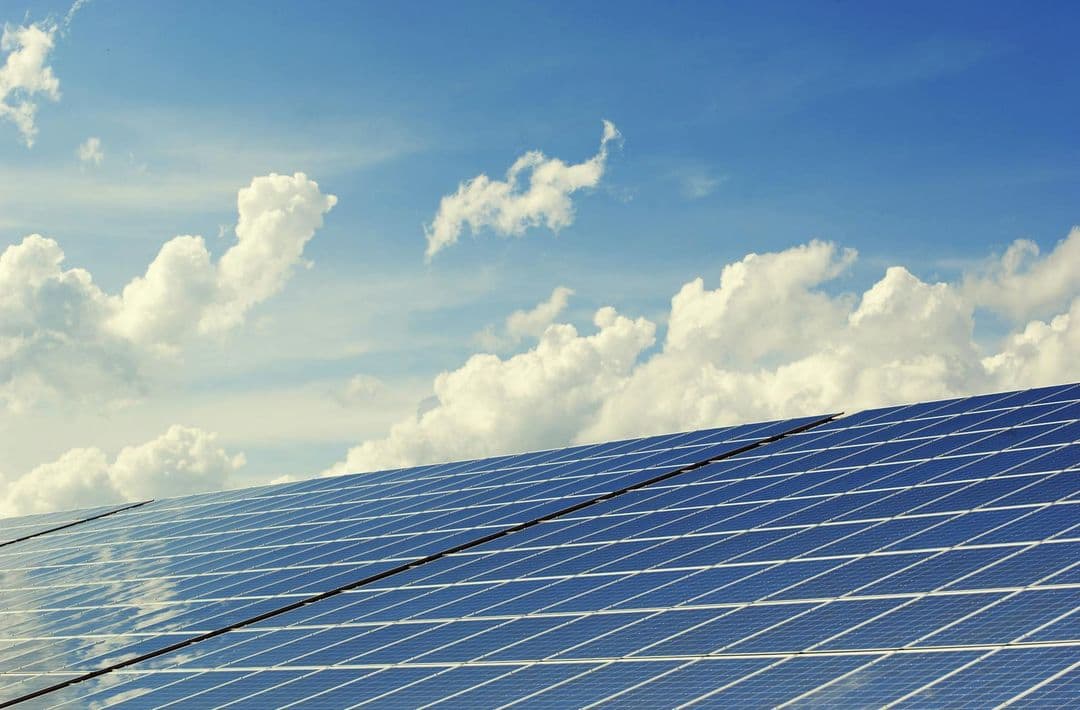
We chose solar because it's the fastest, cheapest way to cut the carbon in the air we breathe. Fossil fuels still make up about 80% of global energy use, and producing electricity and heat from them accounts for around 30% of global emissions, more than any other single sector.
Offsets and tree planting can help clean up emissions after the fact. But the simpler, cheaper move is to not create them in the first place. Every solar panel we fund replaces a share of coal and gas with free sunlight, for decades.
The basics
Sunlight. Silicon. Electricity.
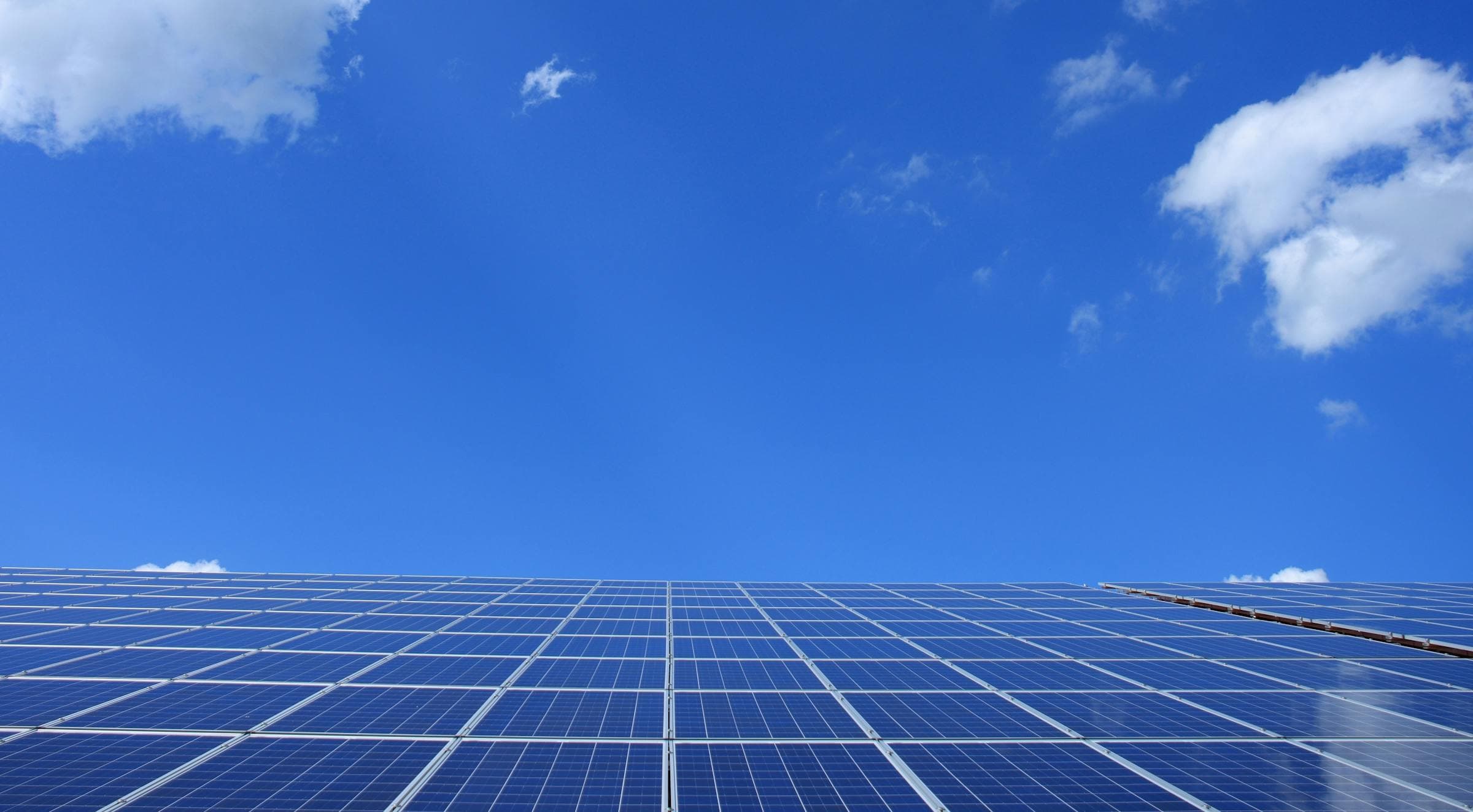
Solar panels are sheets of photovoltaic (PV) cells that turn sunlight directly into electricity. No combustion. No moving parts. No emissions while they run.
At any given moment, the sun bathes the Earth in about 173,000 terawatts of power, roughly 10,000 times more than humanity uses. Capturing even a fraction of it as electricity is one of the highest-value bets we can make.
Why it works
Three reasons solar wins.
Solar makes electricity without burning anything: no greenhouse gases and no air pollution while it runs.
Unlike coal or oil, there's no finite supply to run out. The sun rises every day, everywhere on Earth.
Panel costs have fallen more than 90% in a decade. Solar is now the cheapest source of electricity in human history.
The numbers
Cheaper than coal. Cheaper than gas.
Utilities compare power sources using the levelized cost of electricity (LCOE): the full cost of building and running a plant, divided by all the electricity it makes over its life. Today a new solar farm is cheaper to build than a new gas or coal plant almost everywhere.
Per MWh, utility-scale solar PV
Per MWh, natural gas combined cycle
Per MWh, coal-fired power
Solar's edge is still widening. The IEA's 2024 outlook calls solar “the cheapest source of electricity in most countries.”
Impact
Every panel displaces decades of coal.
Over a 25-year life, a typical home solar system avoids around 150,000 pounds of CO₂, about the same as burning 34 tons of coal, or taking 15 gasoline cars off the road for a year.
How much a project avoids depends on four things.
System size and efficiency
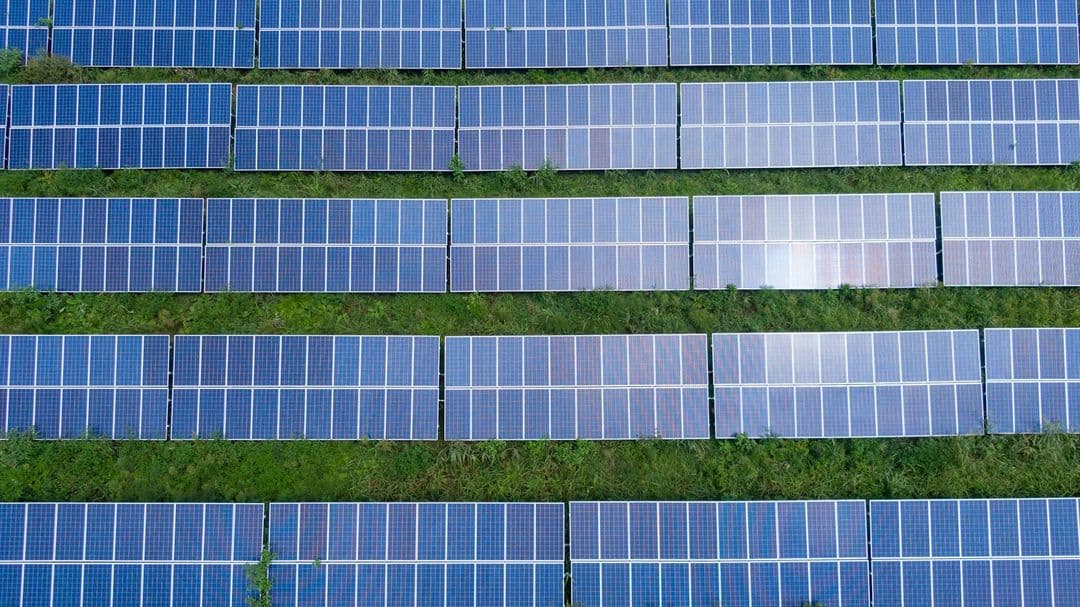
Larger installs with higher-efficiency panels generate more electricity and avoid more emissions.
Geography
Sunnier sites produce more power per panel. A system in Arizona outperforms the same system in Seattle.
The local grid mix
Burning coal releases around 1,000 grams of CO₂ per kWh, and natural gas around 500. So in regions where those dominate the grid, each kWh of solar avoids far more carbon than in a region already running on clean sources.
Full lifecycle accounting
Manufacturing, shipping, and installing panels cost some carbon upfront. But within 1 to 3 years of clean generation, a panel has paid back its production footprint and keeps producing for 20+ more years.
The carbon payback
Paid back in 1 to 3 years. Clean for 25 more.
A solar panel pays off its carbon debt faster than most cars pay off their loan.
Building a solar panel does cost some carbon up front, from mining silicon, making cells and shipping the finished product. But spread across every kilowatt-hour a panel makes over its 25+ year life, the footprint works out to roughly 25 to 45 grams of CO₂ per kWh. Coal emits 820 to 1,050 grams per kWh, around 20 to 40 times more.
That one-time manufacturing carbon is repaid in clean generation within 1 to 3 years. After that, the panel keeps making zero-emission electricity for another two decades or more.
A common question
Why not just plant trees?
Trees are incredible. They store carbon, cool cities, clean the air and release oxygen.
But trees don't address the root problem: emissions from burning fossil fuels. They take decades to mature, and a single wildfire can erase years of absorption overnight. Replacing coal and gas with solar stops emissions before they happen. That's why our dollars go to building solar first.
The grid
Solar's real challenge: intermittency.
Panels make a lot of electricity at noon, less in the morning and afternoon, and nothing at night or under heavy cloud. Demand tends to peak in the early evening, right as solar output falls off. Grid engineers call the resulting shape the duck curve.
The fix is underway. Grid-scale batteries store the midday surplus and release it when people come home, and flexible backup plants fill any remaining gap. Battery costs are on the same downward curve solar rode for a decade.
Ripple effects
More than cleaner air.
When a community builds solar, the benefits keep going after the panels are installed. Bills drop for the schools and hospitals connected to the project.
Healthier communities
Less smog and fewer greenhouse gases, with measurable drops in asthma, heart disease, and premature deaths linked to air pollution.
Good local jobs
Solar is one of the fastest-growing sources of employment in the world: skilled installation, operations, and maintenance work rooted in the community.
Energy independence
Every kilowatt built at home is a kilowatt we don't have to import, insulating communities and economies from global fuel price shocks.
Travel well
Every trip helps fund more solar.
We use the profit from every Dyme booking to fund solar projects for schools and hospitals.