Arriving in New York often means jumping straight into a fast-moving city. Whether you land at JFK, LaGuardia, or Newark, one thing becomes clear quickly: sitting in traffic is rarely the most efficient way to get around. Learning how to use public transport in New York makes it easier to move across the city without delays, high costs, or unnecessary stress.
New York's transit system is designed to move millions of people every day. Subways, buses, and ferries connect neighborhoods across Manhattan, Brooklyn, Queens, and the Bronx, often getting you where you need to go faster than driving. Using public transport also reduces reliance on cars and helps cut emissions in one of the most congested cities in the world.
Why Public Transit Works in New York
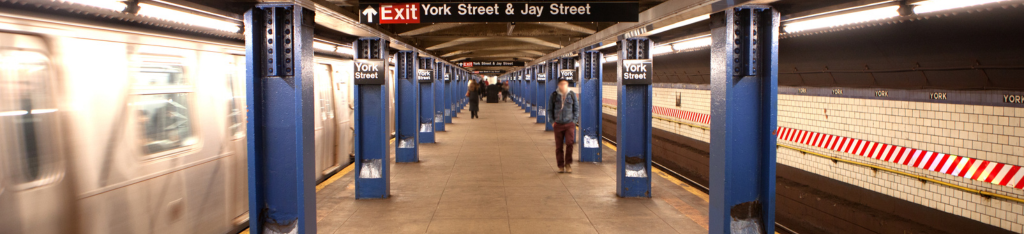
The Metropolitan Transportation Authority (MTA) operates one of the largest public transport networks in the world, running 24 hours a day across 472 subway stations. Trains operate frequently, cover long distances quickly, and aren't affected by traffic jams on the streets above.
The subway system in NYC is divided into numbered lines (1, 2, 3) and lettered routes (A, C, E), each serving different parts of the city. The 4, 5, and 6 trains form the east side spine of Manhattan, while the N, Q, R, and W lines are reliable for moving between Midtown, Union Square, and Downtown. Some lines run local, stopping at every station, while others run express and skip many stops. Express services can cut a 45-minute local ride down to around 20 minutes, which helps whether you're heading to a meeting or fitting in a museum visit before dinner.
Staying near major subway hubs makes moving around easier. Areas around Times Square and Midtown offer access to multiple lines within a short walk, which is why hotels like Hilton New York Times Square are so well connected.
NYC's bus network fills in the gaps where subway lines don't run directly. Crosstown routes, such as the M14 along 14th Street, connect neighborhoods like the Meatpacking District, Chelsea, and Union Square without extra transfers. Buses are especially useful for short, street-level trips or late-night travel. If you're staying in a central area with strong bus coverage—such as near Hampton Inn Manhattan Times Square Central—they work well alongside the subway.
For routes along the water, NYC Ferry adds another option. Ferries connect parts of Manhattan, Brooklyn, Queens, and the Bronx, making them ideal for waterfront neighborhoods, parks, and leisure stops.
Fares are similar to the subway, and the skyline views turn everyday transport into part of the experience rather than just a way to get around.
How Do You Pay for Transit in New York?
The days of fishing for exact change are long gone. New York has embraced contactless payment through OMNY (One Metro New York), making fare payment as simple as tapping your phone or credit card.
But if you're not quite ready to go fully digital, the MetroCard is still widely accepted across the subway and bus system, offering a reliable backup option—especially for longer stays or when your phone battery dies.
Both options serve NYC transit for business well, but they cater to different needs.
What Makes OMNY the Smart Choice for Business Travelers?
OMNY readers appear at every subway turnstile and bus entrance, accepting contactless cards, smartphones, and smartwatches. The system automatically calculates the best fare for your travel patterns. After 12 rides within a Monday-to-Sunday week using the same payment method, all additional rides become free—a feature that benefits frequent travelers without requiring upfront investment in unlimited passes.
The free transfer policy works seamlessly with OMNY. Tap your card to board the downtown 6 train, then transfer to the crosstown L train within two hours, and you'll only pay for one ride.
When Does a MetroCard Still Make Sense?
While OMNY represents the future, MetroCards remain practical for certain situations. Visitors staying a full week might prefer the 7-Day Unlimited pass at $34, which pays for itself after 12 rides. The physical card also serves as a backup when phone batteries die or contactless payments fail.
MetroCard vending machines accept cash and cards, though they often have lines during rush hours. The machines provide instructions in multiple languages and offer both Pay-Per-Ride ($2.90 per swipe plus $1 for a new card) and unlimited options.
What's the Most Cost-Effective Way to Navigate the City?

Beyond the obvious answer of walking—which costs nothing and offers the best neighborhood immersion—public transit delivers exceptional value. A single subway or bus ride costs $2.90, while taxi rides start at $2.50 and climb rapidly with distance and time.
Consider the math: a taxi from Penn Station to the Financial District typically costs $15-20, while the same journey on the R train takes 15 minutes and costs $2.90. If you're lodging at the Hyatt Centric Times Square New York, subway access is only steps away
The Citi Bike system offers another sustainable option for short distances. With stations throughout Manhattan and expanding into other boroughs, a day pass costs $15 and works perfectly for those last-mile connections between subway stops and meeting locations.
How Can You Navigate Like a Local While Staying Sustainable?
Real-time transit apps transform the NYC commuting experience. Google Maps and Citymapper provide live updates on delays, service changes, and the fastest routes between any two points. These apps account for walking time, transfer connections, and current service conditions—information that helps you arrive punctually for important meetings.
During rush hours (7-9 AM and 5-7 PM), express trains become especially valuable. The 4, 5, and 6 express services can bypass 10-15 local stops, while the N and Q express routes speed through Brooklyn and Queens. Learning these patterns helps you move efficiently during the city's busiest periods.
Weekend service often involves planned construction work, with some lines running on modified schedules or replacement bus service. Checking the MTA website or app before weekend travel prevents surprises and ensures smooth journeys to client dinners or networking events.
Aligning Transit Choices with Corporate Sustainability
Public transportation in New York provides a practical and efficient way to move around the city. With options ranging from subways and buses to ferries, it offers flexibility that taxis or ride-shares often can't match during peak hours.
Using public transit not only saves time and money but also supports a more sustainable way to travel. The system's high capacity and energy efficiency mean significantly lower emissions per passenger compared to private vehicles, making it a key part of New York's efforts to reduce its environmental impact.
Now that you know how to use public transport in New York, you can navigate the city with confidence, balancing productivity, cost, and sustainability. Pairing smart transit with convenient accommodations enhances your trip.
Become a Dyme member to support cleaner, low-impact travel and unlock exclusive prices.
Frequently asked questions
How Do You Pay for Transit in New York?+
The days of fishing for exact change are long gone. New York has embraced contactless payment through OMNY (One Metro New York), making fare payment as simple as tapping your phone or credit card.But if you're not quite ready to go fully digital, the MetroCard is still widely accepted across the subway and bus system, offering a reliable backup option—especially for longer stays or when your phone battery dies.Both options serve NYC transit for business well, but they cater to different needs.
What Makes OMNY the Smart Choice for Business Travelers?+
OMNY readers appear at every subway turnstile and bus entrance, accepting contactless cards, smartphones, and smartwatches. The system automatically calculates the best fare for your travel patterns. After 12 rides within a Monday-to-Sunday week using the same payment method, all additional rides become free—a feature that benefits frequent travelers without requiring upfront investment in unlimited passes.The free transfer policy works seamlessly with OMNY. Tap your card to board the downtown 6 train, then transfer to the crosstown L train within two hours, and you'll only pay for one ride.
When Does a MetroCard Still Make Sense?+
While OMNY represents the future, MetroCards remain practical for certain situations. Visitors staying a full week might prefer the 7-Day Unlimited pass at $34, which pays for itself after 12 rides. The physical card also serves as a backup when phone batteries die or contactless payments fail.MetroCard vending machines accept cash and cards, though they often have lines during rush hours. The machines provide instructions in multiple languages and offer both Pay-Per-Ride ($2.90 per swipe plus $1 for a new card) and unlimited options.
What's the Most Cost-Effective Way to Navigate the City?+
Beyond the obvious answer of walking—which costs nothing and offers the best neighborhood immersion—public transit delivers exceptional value. A single subway or bus ride costs $2.90, while taxi rides start at $2.50 and climb rapidly with distance and time.Consider the math: a taxi from Penn Station to the Financial District typically costs $15-20, while the same journey on the R train takes 15 minutes and costs $2.90. If you're lodging at the Hyatt Centric Times Square New York, subway access is only steps away The Citi Bike system offers another sustainable option for short distances. With s
How Can You Navigate Like a Local While Staying Sustainable?+
Real-time transit apps transform the NYC commuting experience. Google Maps and Citymapper provide live updates on delays, service changes, and the fastest routes between any two points. These apps account for walking time, transfer connections, and current service conditions—information that helps you arrive punctually for important meetings.During rush hours (7-9 AM and 5-7 PM), express trains become especially valuable. The 4, 5, and 6 express services can bypass 10-15 local stops, while the N and Q express routes speed through Brooklyn and Queens. Learning these patterns helps you move effi