Where to Go in 2026: Popular, Affordable, and More Sustainable Destinations
Travel planning in 2026 looks different than it did even two years ago. Affordability ranks alongside sustainability as a top priority, while overtourism has pushed travelers toward lesser-known destinations that offer authentic experiences without the crowds. U.S. search interest for Eastern European cities like Budapest, Kraków, and Sofia has increased significantly, driven by travelers seeking cultural depth at lower costs. Asia-Pacific destinations remain strong on major booking platforms, with multiple entries in Expedia's top trending list.
This guide breaks down where to go in 2026 based on three key criteria: popularity (what's trending based on search data), affordability (where your dollar stretches furthest), and sustainability (destinations with verified certifications and measurable programs). Whether you're planning a quick business trip or a longer stay, these destinations balance practical logistics with genuine environmental commitments.
Most Popular Travel Destinations in 2026
These destinations are trending based on recent search data and booking platform insights, reflecting where traveler interest is growing fastest heading into 2026.
Big Sky, Montana
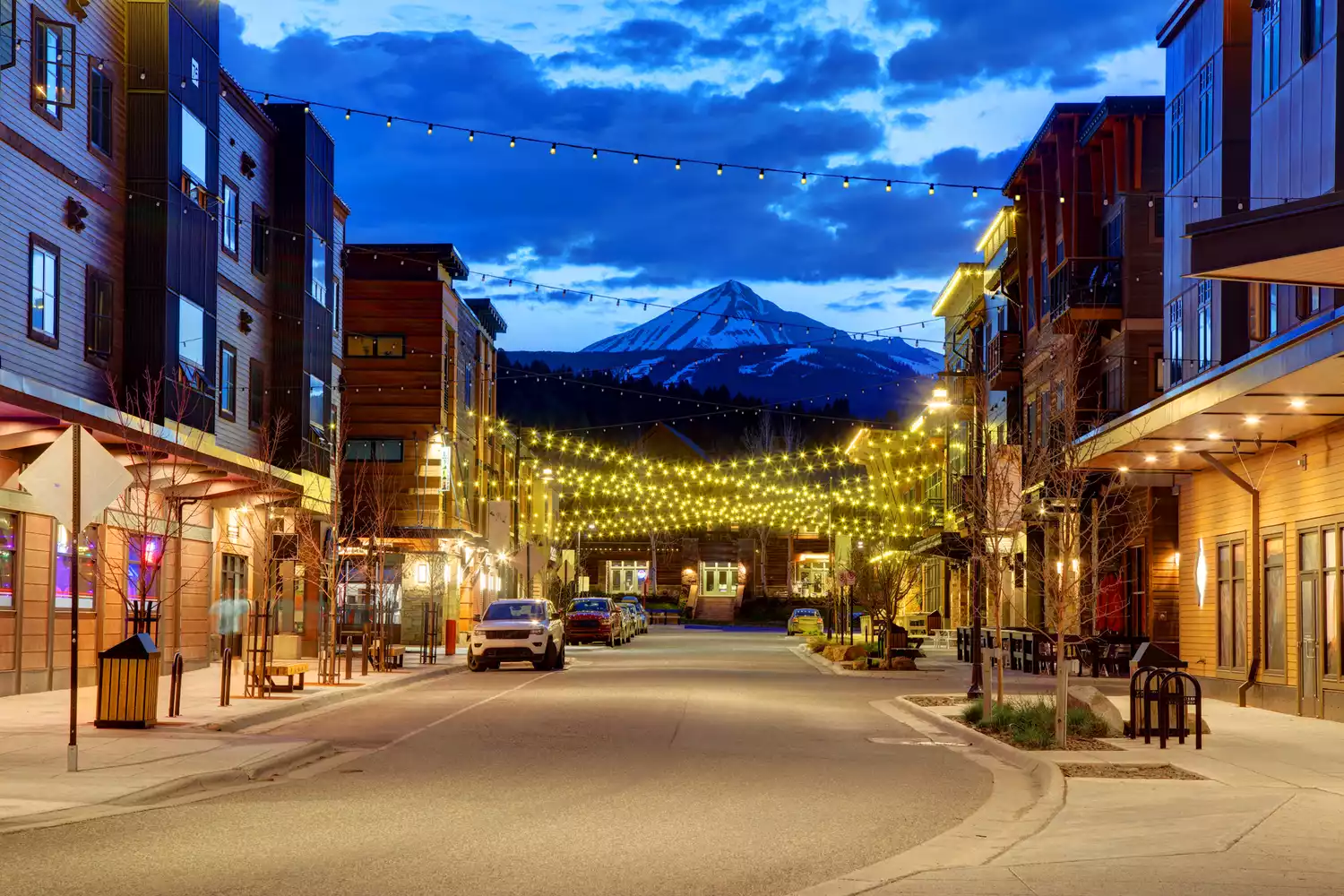
Big Sky leads Expedia's 2026 trending destinations with a 92% increase in flight and accommodation searches compared to prior-year data. Located about an hour from Bozeman Yellowstone International Airport, this Montana ski town offers 5,850 acres of terrain, summer hiking access to Yellowstone National Park, and significantly fewer crowds than Colorado resorts. Winter temperatures average 15-30°F, while summer highs reach 75-80°F.
Cork, Ireland
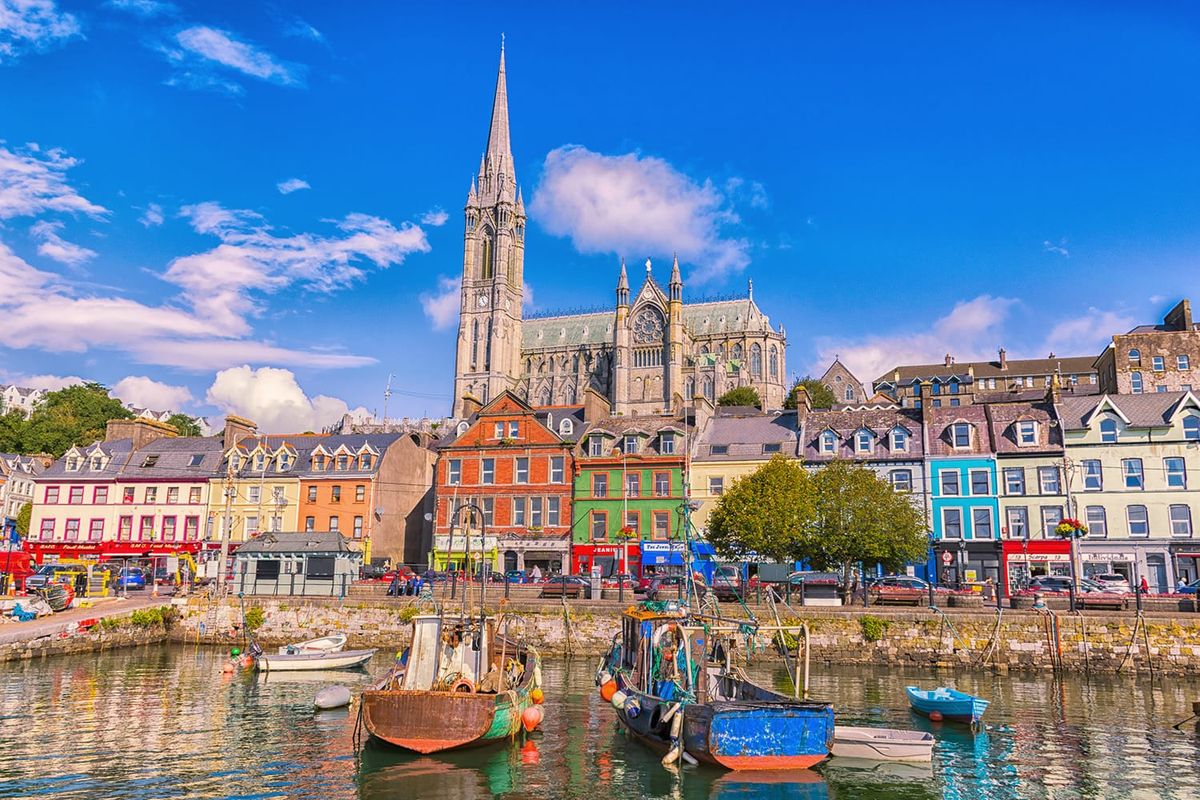
Cork ranks as KAYAK's #1 emerging destination for 2026. Ireland's second-largest city sits on the River Lee with direct flights from major European hubs. The English Market (operating since 1788) and nearby Blarney Castle drive tourism, but Cork's compact city center, walkable waterfront, and growing tech sector make it practical for business travelers combining work with leisure.
Okinawa, Japan
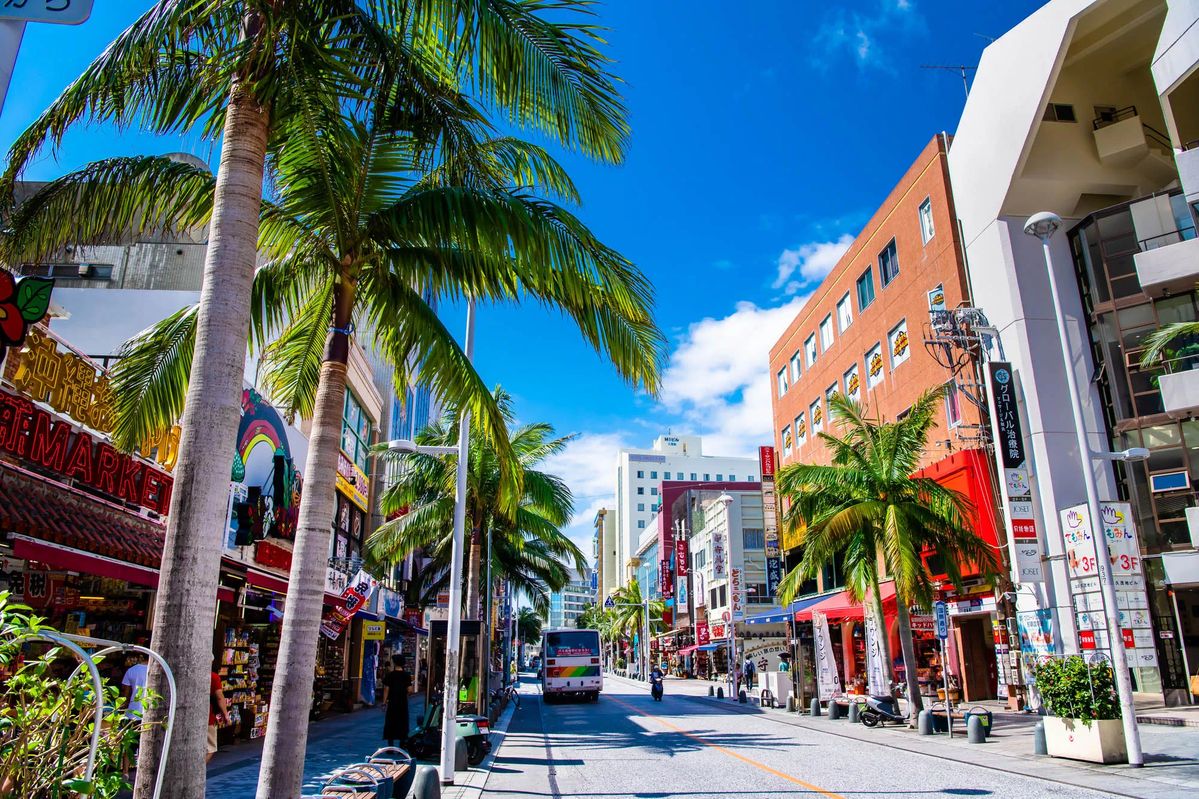
Okinawa search volume jumped 71% on Expedia's 2026 list. This subtropical island chain sits south of Japan's main islands with year-round temperatures between 60-85°F. Naha Airport connects to the Okinawa Urban Monorail (Yui Rail), providing car-free access to most hotels. Direct flights from Tokyo typically take around 2.5 hours. UNESCO World Heritage castle sites and the Okinawa Churaumi Aquarium anchor tourism infrastructure.
Oulu, Finland
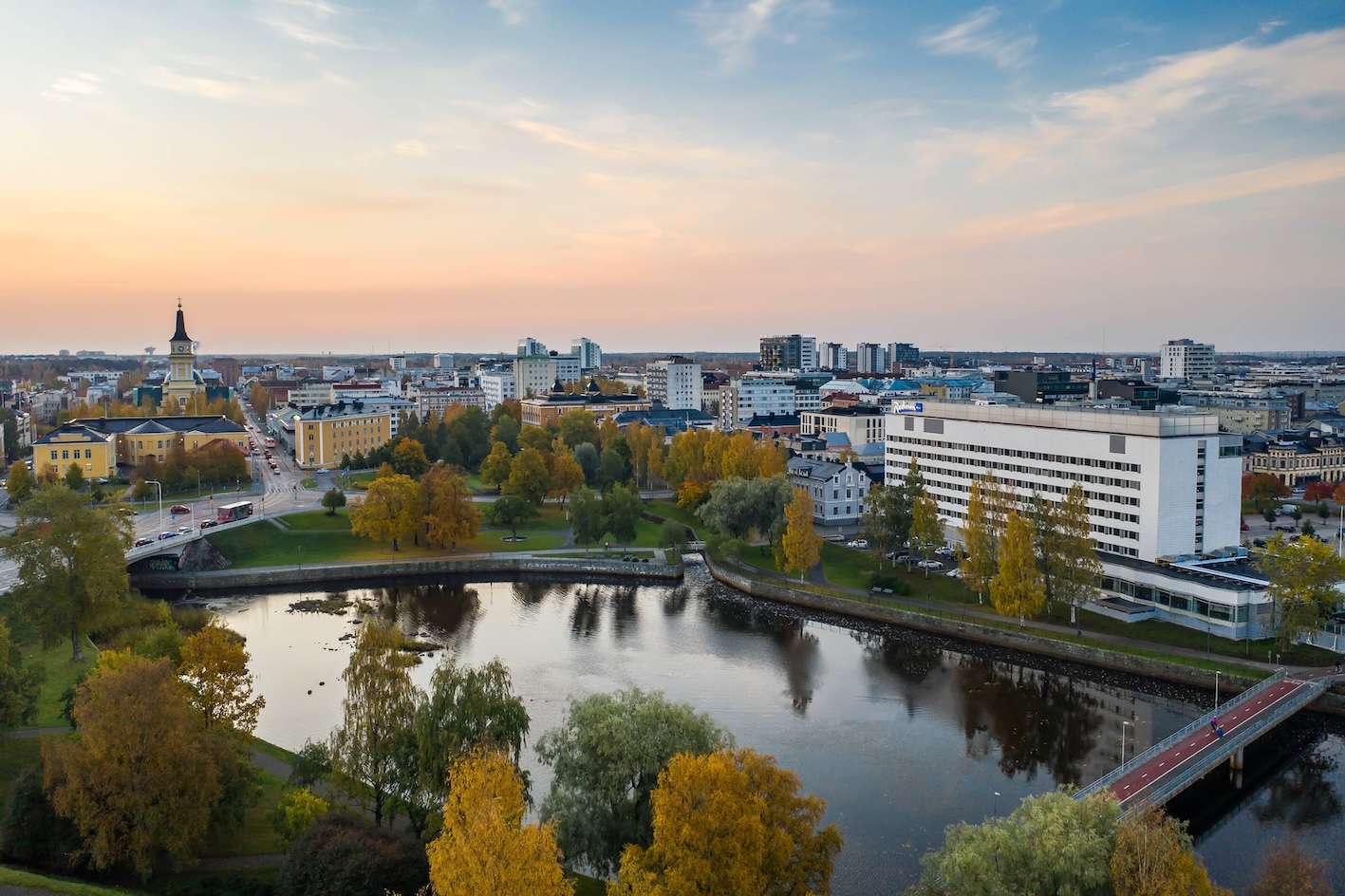
As European Capital of Culture 2026, Oulu has planned about 500 cultural events throughout the year. This northern Finnish city sits 2 hours south of the Arctic Circle with rail connections to Helsinki taking approximately 6 hours. Winter temperatures average 10-20°F, making it ideal for northern lights viewing from September through March.
Sardinia, Italy
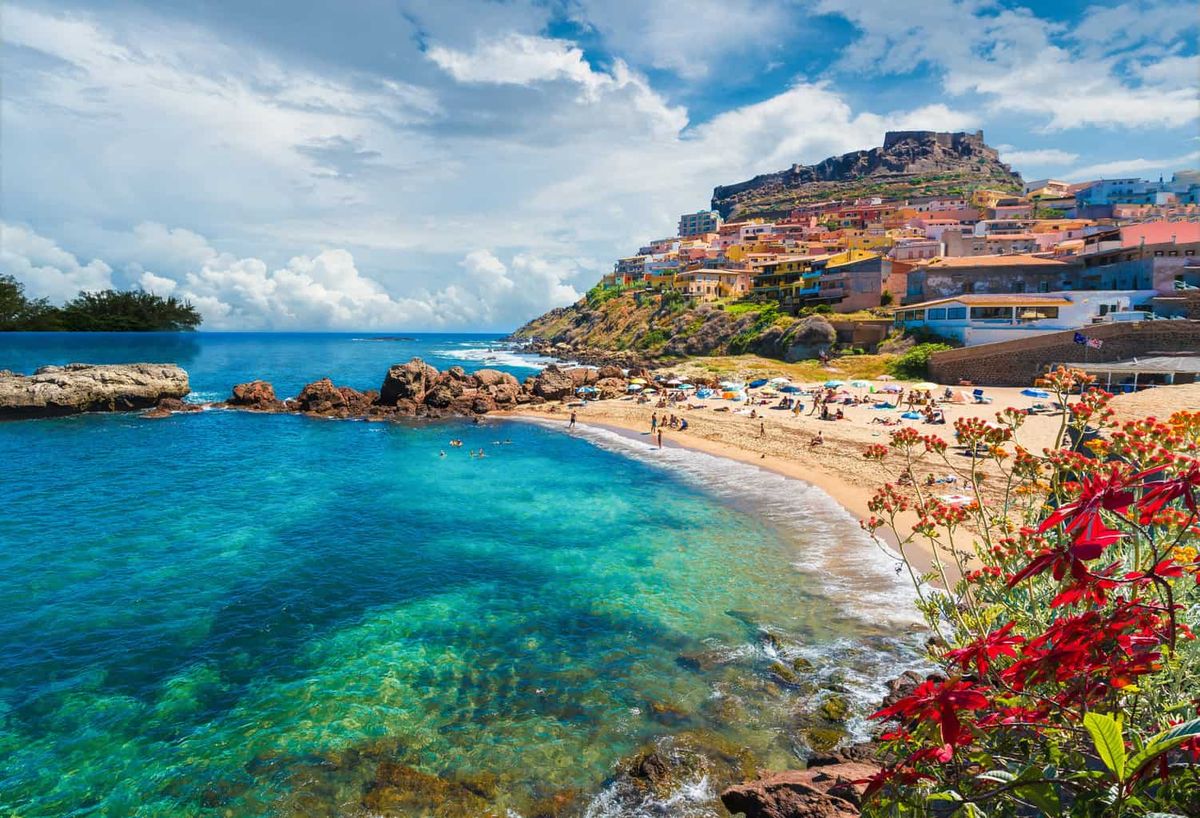
Sardinia bookings rose 63% year-over-year on Expedia's platform. Three international airports (Cagliari, Olbia, Alghero) serve the island with peak summer service from across Europe. Costa Smeralda beaches and Bronze Age nuraghe archaeological sites draw tourists, but shoulder seasons (April-May, September-October) offer 65-75°F weather with substantially lower accommodation costs than peak July-August rates.
Most Affordable Destinations to Visit in 2026
Affordability here looks at daily costs on the ground — food, transport, and accommodation — in destinations where budgets stretch further without sacrificing experience.
Hoi An, Vietnam
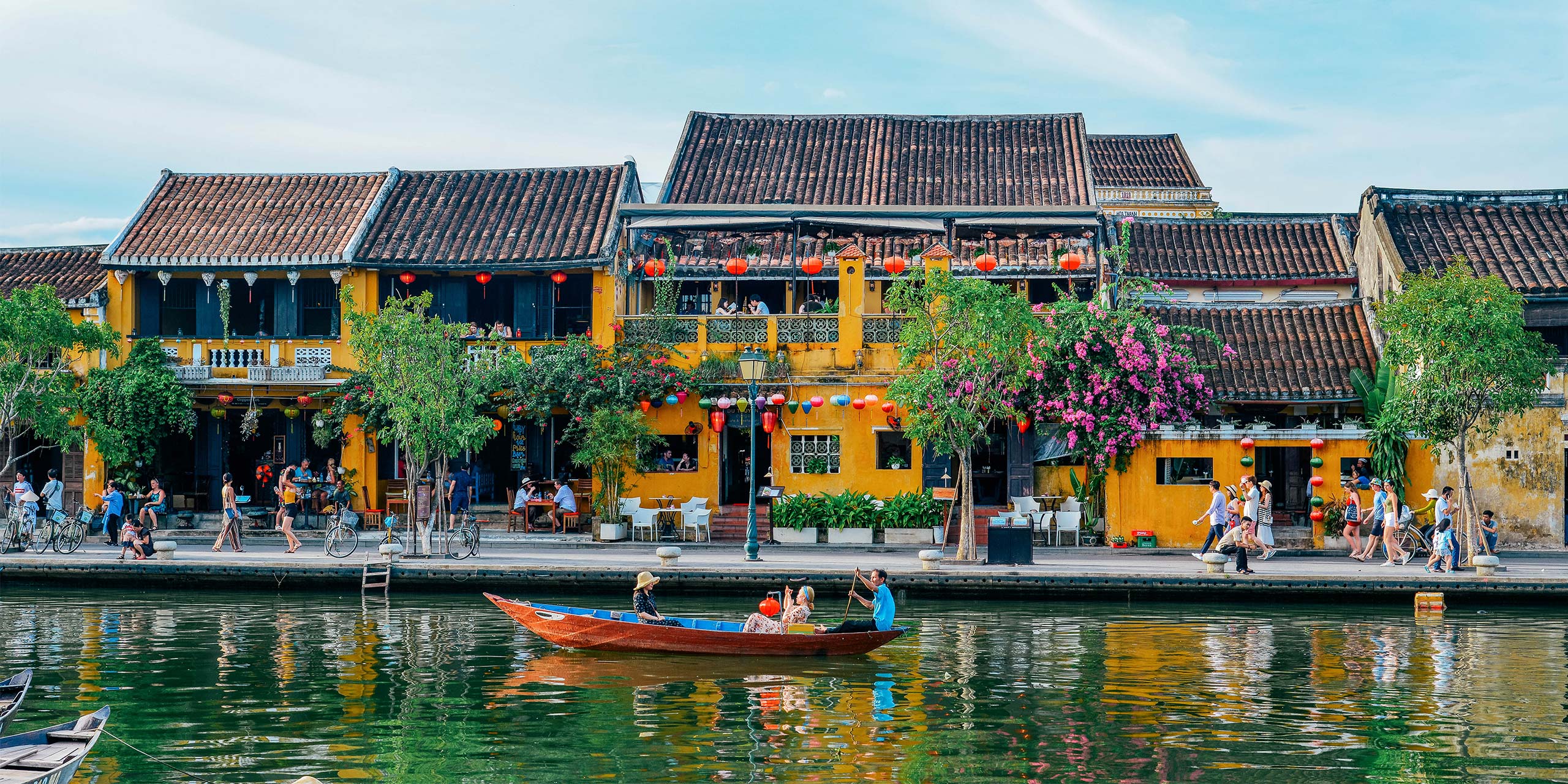
Typical street prices run $1-2 for coffee, $4-5 for dinner, and under $1 for local transit. Walking Hoi An Ancient Town is free, though most heritage attractions require the Old Town ticket. Da Nang International Airport sits 18 miles north with taxi transfers around $15. The city's pedestrian-friendly Old Town and monthly lantern festivals operate year-round, though November-March offers the driest weather.

Yogyakarta, Indonesia
Daily costs average under $1 for coffee, $3-4 for dinner, and $0.25-0.50 for transit. Yogyakarta serves as the gateway to Borobudur Temple (UNESCO site, entrance around $30) located 25 miles northwest. Yogyakarta International Airport (YIA) connects to Jakarta (1 hour), Singapore (2 hours), and Kuala Lumpur (2 hours). The city's 200+ hotels range from $15-50/night for mid-range properties.
Medellín, Colombia
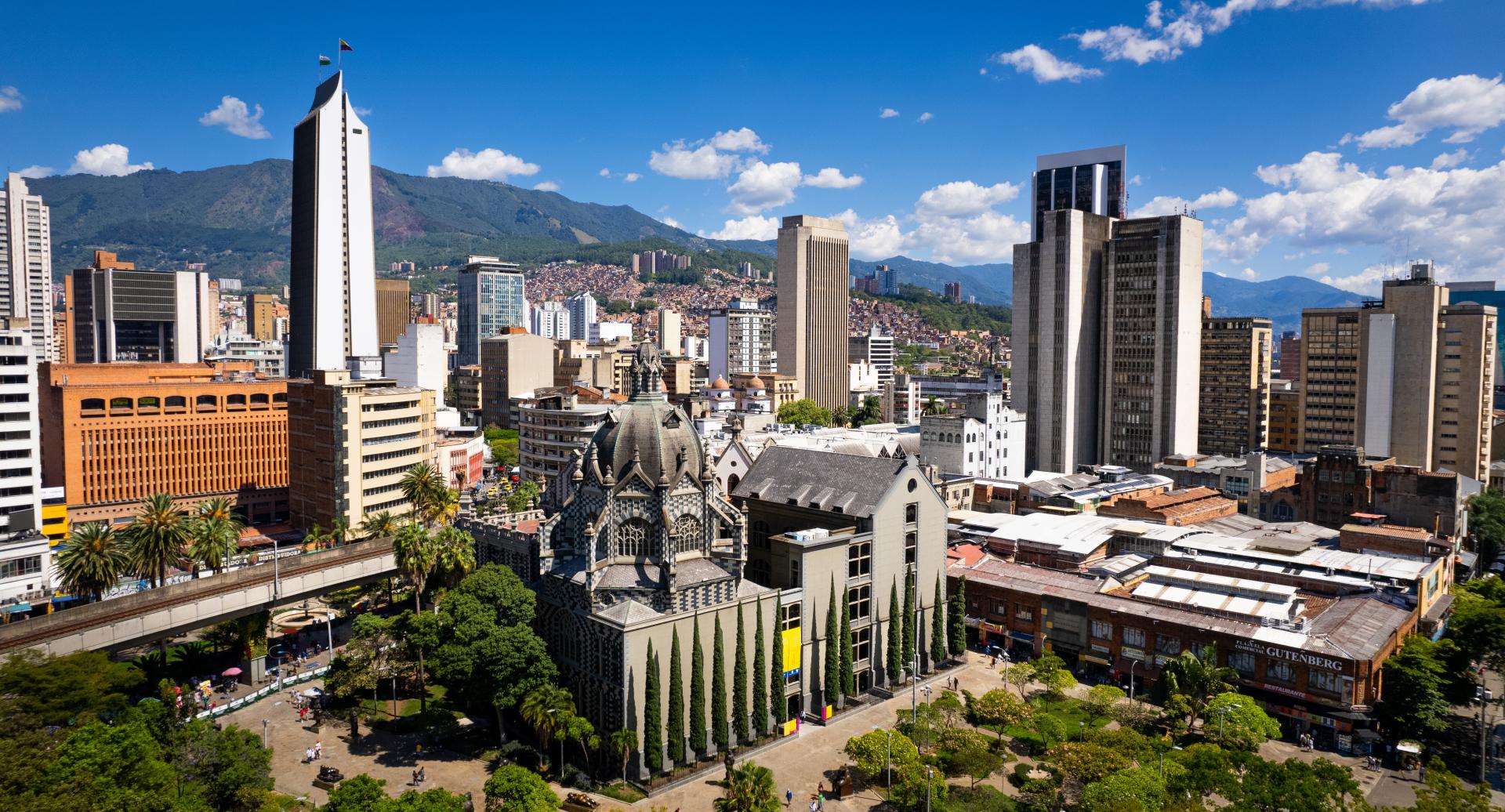
Budget travelers typically spend $1-2 for coffee, $5-7 for dinner, and under $1 for metro rides. José María Córdova International Airport sits 18 miles from the city center with bus service around $2. Medellín's Metro system (the only one in Colombia) connects major districts, while the Metrocable gondola system provides access to hillside neighborhoods. Year-round spring-like temperatures average 70-75°F.
Chișinău, Moldova
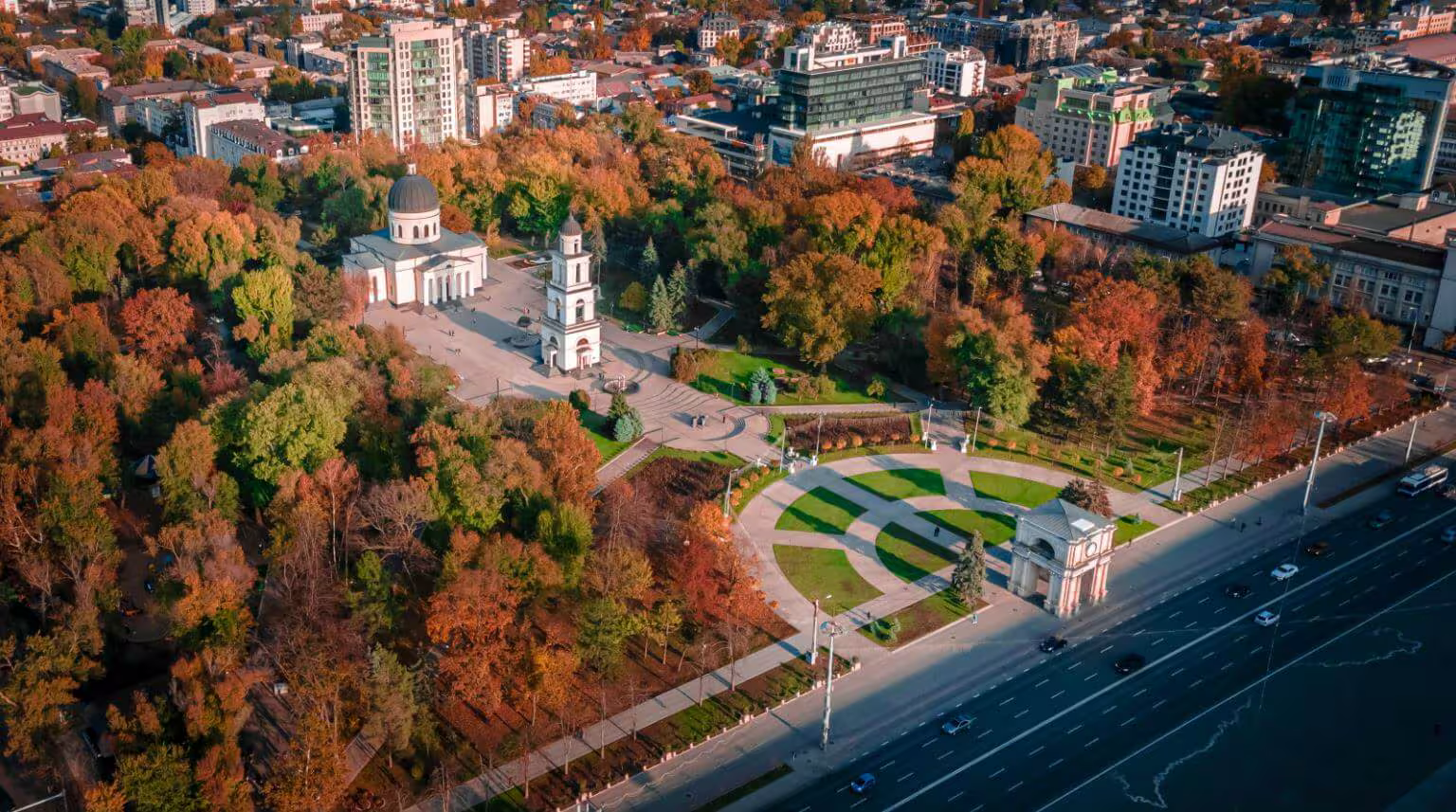
Beer costs $1-2, dinner averages $8-12, and bus rides run under $1. Chișinău International Airport offers connections through Bucharest, Istanbul, and Vienna. The city's wine tourism industry provides cellar tours starting around $15-20, with Moldova's wine sector recognized as one of Europe's most significant. English proficiency is growing but remains lower than Western Europe—basic Romanian or Russian phrases help with navigation.

Cusco, Peru
Coffee costs $2-3, dinner averages $15-25, and local transit runs under $1. Alejandro Velasco Astete International Airport sits at 11,150 feet elevation—plan 24-48 hours for altitude acclimatization before strenuous activity. Machu Picchu access requires advance train booking (typically $60-150 round trip depending on season and service class) plus site entrance ($50-60). May-September offers the driest weather for trekking.
Sustainable Destinations Gaining Momentum in 2026
These locations stand out for measurable sustainability efforts, including conservation programs, renewable energy use, and limits designed to protect local ecosystems as visitor numbers grow.
Nay Palad Hideaway, Siargao Island, Philippines
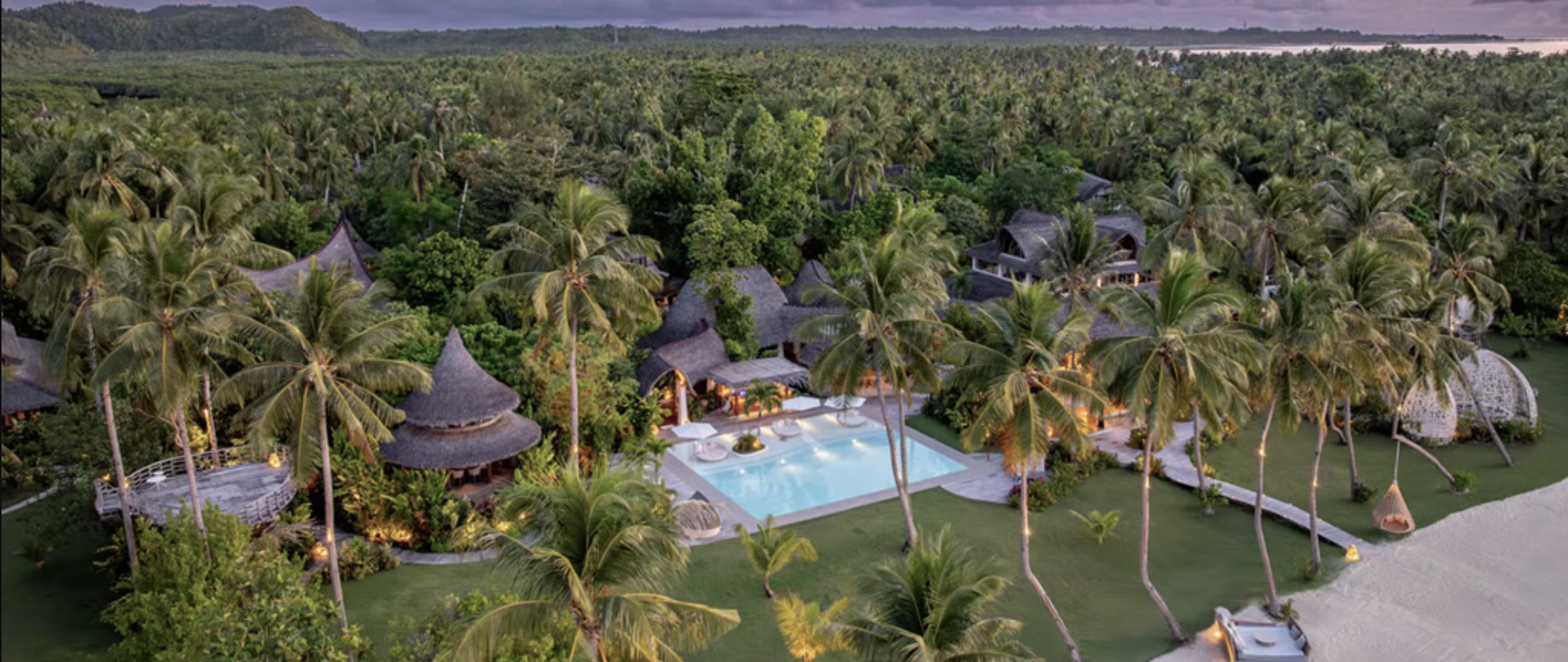
This 10-villa property in General Luna operates wetlands protection programs and coral reef rehabilitation initiatives. Located on Siargao Island (accessible via Siargao Airport with 30-45 minute ground transfer), the resort works with marine biologists on endangered species monitoring. The property incorporates solar power for water heating and other systems, with ongoing renewable energy expansion.
Grootbos Private Nature Reserve, Western Cape, South Africa
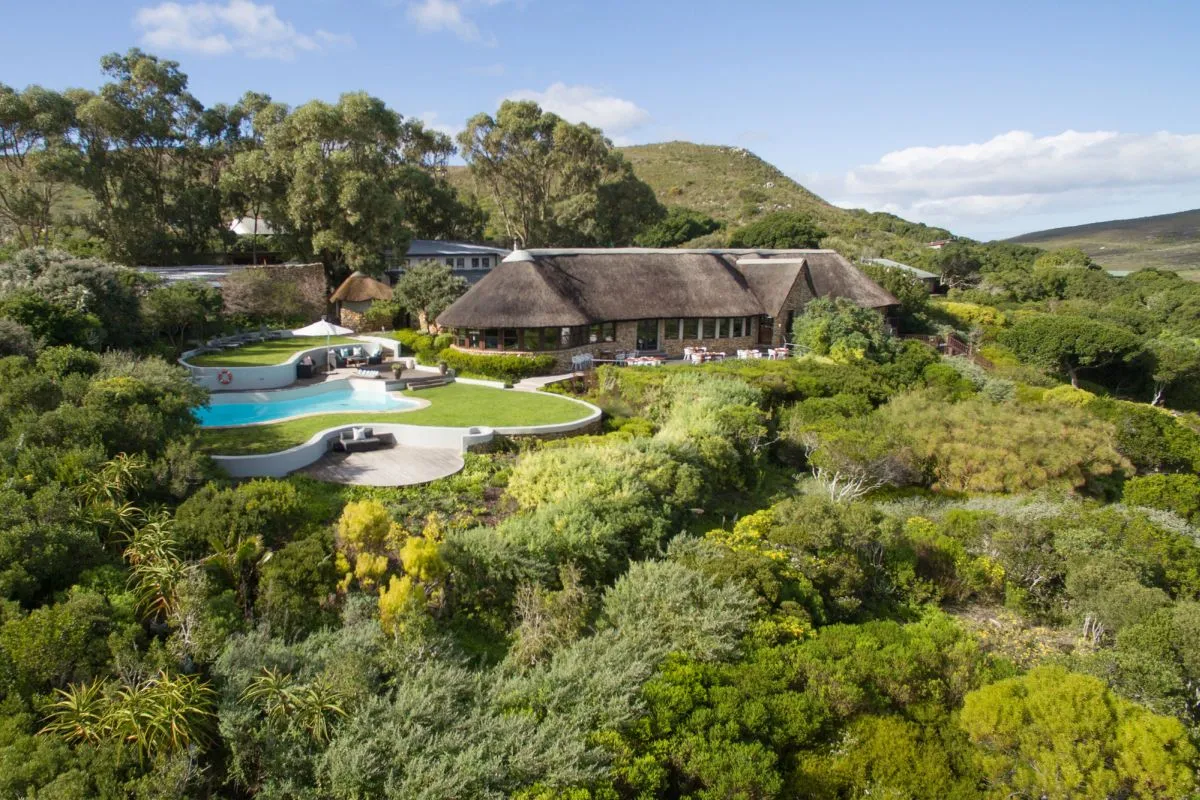
Situated 2 hours southeast of Cape Town, Grootbos manages 2,500 hectares (approximately 6,178 acres) of protected fynbos vegetation. The reserve operates education and marine conservation programs through the Grootbos Foundation. Two lodges house 27 suites total, with strict visitor caps to prevent ecosystem degradation. Whale watching season runs June-November, while spring wildflower blooms peak August-October.
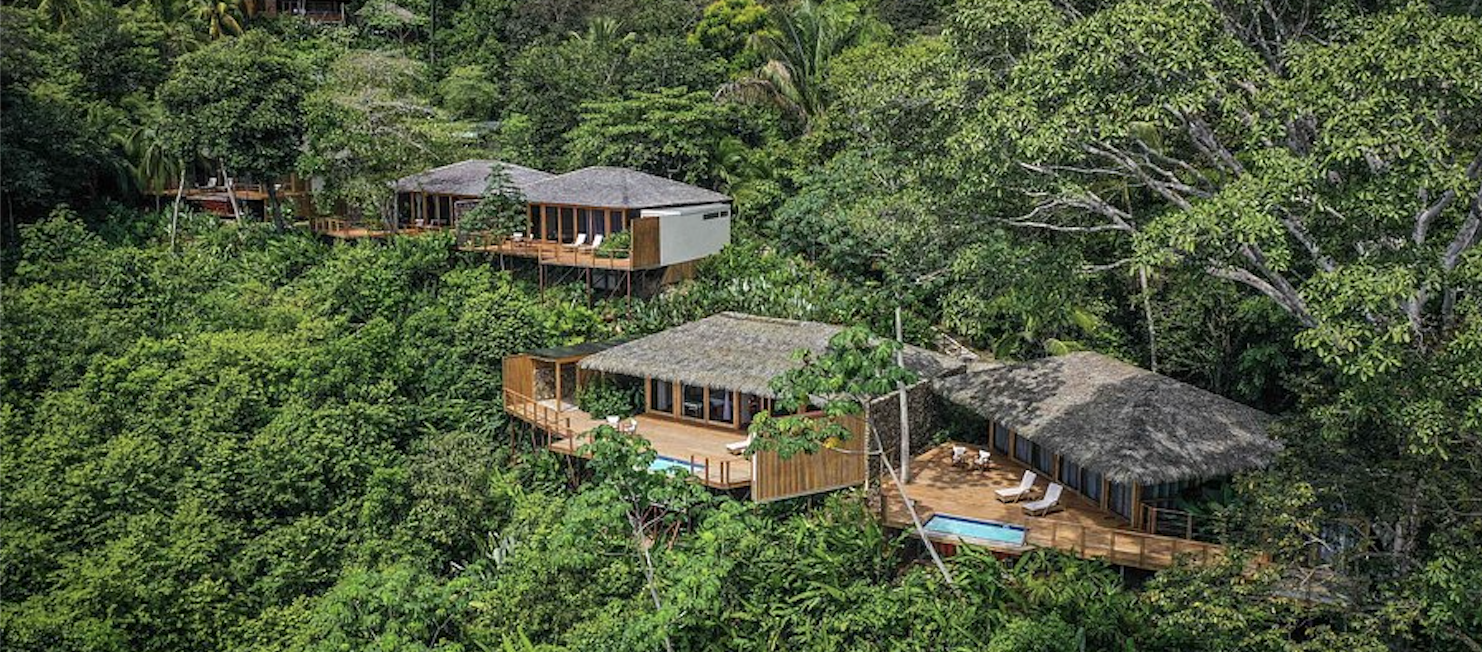
Lapa Rios, Osa Peninsula, Costa Rica
This 17-bungalow ecolodge sits within a 1,000-acre private reserve—with the majority designated as protected forest. Puerto Jiménez Airport provides access via 45-minute drive on unpaved roads (4x4 recommended in rainy season). The property uses renewable energy systems, treats wastewater through constructed wetlands, and prioritizes local hiring. Scarlet Macaw nesting season (December-April) offers reliable wildlife viewing.

Moab, Utah
Moab's lodging sector includes properties with solar installations and sustainability certifications. The city serves as gateway to Arches National Park (5 miles) and Canyonlands National Park (32 miles). Several hotels and lodges have implemented renewable energy systems and water conservation measures. Summer temperatures exceed 100°F—visit March-May or September-November for 60-80°F weather.
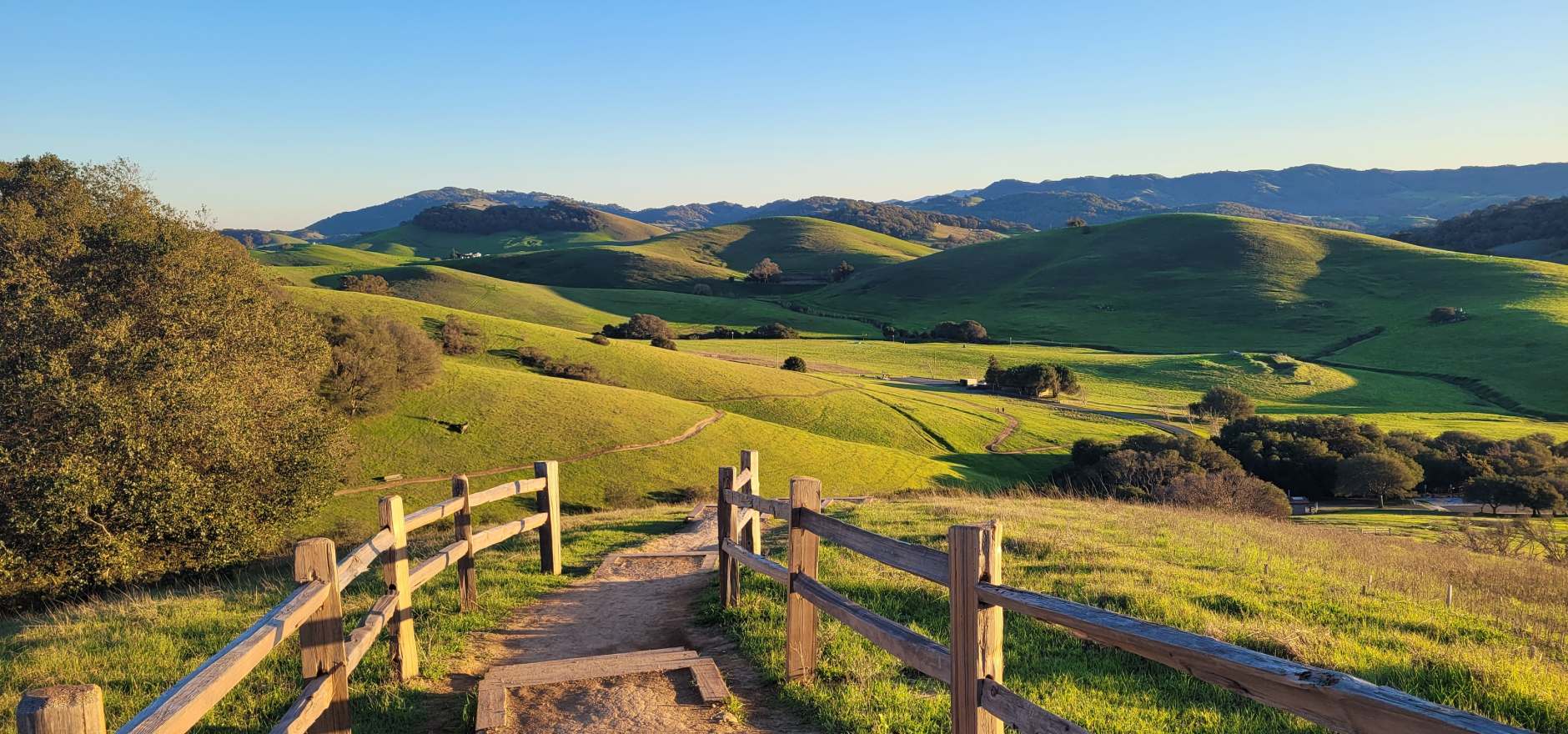
Sonoma County, California
Sonoma's wine industry increasingly emphasizes sustainable viticulture, with the Sonoma County Winegrowers holding one of California's largest regional sustainability certification programs. Charles M. Schulz-Sonoma County Airport offers limited commercial service, while San Francisco International Airport sits 60 miles south. The county's 55 miles of Pacific coastline include multiple state parks with tide pool ecosystems managed for minimal visitor impact.
How Eastern Europe Gained Momentum for 2026
U.S. travelers show increased search interest in Eastern European destinations including Prague, Budapest, Kraków, and Sofia. These cities offer hotel rates 40-60% below Western European equivalents, while museums, castles, and UNESCO sites charge $5-15 entrance fees compared to $20-30 in France or Italy. Budget airlines expanded routes throughout the region, and for EU/Schengen travelers, seamless border crossings eliminate delays between countries like Hungary, Poland, and the Czech Republic.
Infrastructure improvements matter too. Major cities upgraded payment systems on public transit, expanded metro and tram networks, and added direct flight connections. English proficiency increased across the hospitality sector, lowering the barrier for first-time visitors.
Why Dyme Travelers Choose These Destinations
The destinations above reflect what travelers are actually searching for in 2026: affordability, cultural appeal, and places taking measurable steps toward sustainability. Big Sky's uncrowded slopes, Hoi An's affordable street food, and Costa Rica's rainforest lodges each offer different value propositions, but all provide the practical logistics business and leisure travelers need.
At Dyme, we turn all travel into a force for good while helping you save money. We use our profits to invest in clean energy projects that provide communities with cheaper electricity, create jobs, and reduce reliance on fossil fuels. Whether you're booking a budget guesthouse in Medellín or a luxury resort in Okinawa, your stay through Dyme contributes to solar installations and renewable infrastructure in developing markets.
Become a Dyme member to support cleaner, low-impact travel and unlock exclusive prices.

Table of Contents
Where to Go in 2026: Popular, Affordable, and More Sustainable Destinations
Travel planning in 2026 looks different than it did even two years ago. Affordability ranks alongside sustainability as a top priority, while overtourism has pushed travelers toward lesser-known destinations that offer authentic experiences without the crowds. U.S. search interest for Eastern European cities like Budapest, Kraków, and Sofia has increased significantly, driven by travelers seeking cultural depth at lower costs. Asia-Pacific destinations remain strong on major booking platforms, with multiple entries in Expedia's top trending list.
This guide breaks down where to go in 2026 based on three key criteria: popularity (what's trending based on search data), affordability (where your dollar stretches furthest), and sustainability (destinations with verified certifications and measurable programs). Whether you're planning a quick business trip or a longer stay, these destinations balance practical logistics with genuine environmental commitments.
Most Popular Travel Destinations in 2026
These destinations are trending based on recent search data and booking platform insights, reflecting where traveler interest is growing fastest heading into 2026.

Big Sky, Montana
Big Sky leads Expedia's 2026 trending destinations with a 92% increase in flight and accommodation searches compared to prior-year data. Located about an hour from Bozeman Yellowstone International Airport, this Montana ski town offers 5,850 acres of terrain, summer hiking access to Yellowstone National Park, and significantly fewer crowds than Colorado resorts. Winter temperatures average 15-30°F, while summer highs reach 75-80°F.

Cork, Ireland
Cork ranks as KAYAK's #1 emerging destination for 2026. Ireland's second-largest city sits on the River Lee with direct flights from major European hubs. The English Market (operating since 1788) and nearby Blarney Castle drive tourism, but Cork's compact city center, walkable waterfront, and growing tech sector make it practical for business travelers combining work with leisure.

Okinawa, Japan
Okinawa search volume jumped 71% on Expedia's 2026 list. This subtropical island chain sits south of Japan's main islands with year-round temperatures between 60-85°F. Naha Airport connects to the Okinawa Urban Monorail (Yui Rail), providing car-free access to most hotels. Direct flights from Tokyo typically take around 2.5 hours. UNESCO World Heritage castle sites and the Okinawa Churaumi Aquarium anchor tourism infrastructure.

Oulu, Finland
As European Capital of Culture 2026, Oulu has planned about 500 cultural events throughout the year. This northern Finnish city sits 2 hours south of the Arctic Circle with rail connections to Helsinki taking approximately 6 hours. Winter temperatures average 10-20°F, making it ideal for northern lights viewing from September through March.

Sardinia, Italy
Sardinia bookings rose 63% year-over-year on Expedia's platform. Three international airports (Cagliari, Olbia, Alghero) serve the island with peak summer service from across Europe. Costa Smeralda beaches and Bronze Age nuraghe archaeological sites draw tourists, but shoulder seasons (April-May, September-October) offer 65-75°F weather with substantially lower accommodation costs than peak July-August rates.
Most Affordable Destinations to Visit in 2026
Affordability here looks at daily costs on the ground — food, transport, and accommodation — in destinations where budgets stretch further without sacrificing experience.

Hoi An, Vietnam
Typical street prices run $1-2 for coffee, $4-5 for dinner, and under $1 for local transit. Walking Hoi An Ancient Town is free, though most heritage attractions require the Old Town ticket. Da Nang International Airport sits 18 miles north with taxi transfers around $15. The city's pedestrian-friendly Old Town and monthly lantern festivals operate year-round, though November-March offers the driest weather.

Yogyakarta, Indonesia
Daily costs average under $1 for coffee, $3-4 for dinner, and $0.25-0.50 for transit. Yogyakarta serves as the gateway to Borobudur Temple (UNESCO site, entrance around $30) located 25 miles northwest. Yogyakarta International Airport (YIA) connects to Jakarta (1 hour), Singapore (2 hours), and Kuala Lumpur (2 hours). The city's 200+ hotels range from $15-50/night for mid-range properties.

Medellín, Colombia
Budget travelers typically spend $1-2 for coffee, $5-7 for dinner, and under $1 for metro rides. José María Córdova International Airport sits 18 miles from the city center with bus service around $2. Medellín's Metro system (the only one in Colombia) connects major districts, while the Metrocable gondola system provides access to hillside neighborhoods. Year-round spring-like temperatures average 70-75°F.

Chișinău, Moldova
Beer costs $1-2, dinner averages $8-12, and bus rides run under $1. Chișinău International Airport offers connections through Bucharest, Istanbul, and Vienna. The city's wine tourism industry provides cellar tours starting around $15-20, with Moldova's wine sector recognized as one of Europe's most significant. English proficiency is growing but remains lower than Western Europe—basic Romanian or Russian phrases help with navigation.

Cusco, Peru
Coffee costs $2-3, dinner averages $15-25, and local transit runs under $1. Alejandro Velasco Astete International Airport sits at 11,150 feet elevation—plan 24-48 hours for altitude acclimatization before strenuous activity. Machu Picchu access requires advance train booking (typically $60-150 round trip depending on season and service class) plus site entrance ($50-60). May-September offers the driest weather for trekking.
Sustainable Destinations Gaining Momentum in 2026
These locations stand out for measurable sustainability efforts, including conservation programs, renewable energy use, and limits designed to protect local ecosystems as visitor numbers grow.

Nay Palad Hideaway, Siargao Island, Philippines
This 10-villa property in General Luna operates wetlands protection programs and coral reef rehabilitation initiatives. Located on Siargao Island (accessible via Siargao Airport with 30-45 minute ground transfer), the resort works with marine biologists on endangered species monitoring. The property incorporates solar power for water heating and other systems, with ongoing renewable energy expansion.

Grootbos Private Nature Reserve, Western Cape, South Africa
Situated 2 hours southeast of Cape Town, Grootbos manages 2,500 hectares (approximately 6,178 acres) of protected fynbos vegetation. The reserve operates education and marine conservation programs through the Grootbos Foundation. Two lodges house 27 suites total, with strict visitor caps to prevent ecosystem degradation. Whale watching season runs June-November, while spring wildflower blooms peak August-October.

Lapa Rios, Osa Peninsula, Costa Rica
This 17-bungalow ecolodge sits within a 1,000-acre private reserve—with the majority designated as protected forest. Puerto Jiménez Airport provides access via 45-minute drive on unpaved roads (4x4 recommended in rainy season). The property uses renewable energy systems, treats wastewater through constructed wetlands, and prioritizes local hiring. Scarlet Macaw nesting season (December-April) offers reliable wildlife viewing.

Moab, Utah
Moab's lodging sector includes properties with solar installations and sustainability certifications. The city serves as gateway to Arches National Park (5 miles) and Canyonlands National Park (32 miles). Several hotels and lodges have implemented renewable energy systems and water conservation measures. Summer temperatures exceed 100°F—visit March-May or September-November for 60-80°F weather.

Sonoma County, California
Sonoma's wine industry increasingly emphasizes sustainable viticulture, with the Sonoma County Winegrowers holding one of California's largest regional sustainability certification programs. Charles M. Schulz-Sonoma County Airport offers limited commercial service, while San Francisco International Airport sits 60 miles south. The county's 55 miles of Pacific coastline include multiple state parks with tide pool ecosystems managed for minimal visitor impact.
How Eastern Europe Gained Momentum for 2026
U.S. travelers show increased search interest in Eastern European destinations including Prague, Budapest, Kraków, and Sofia. These cities offer hotel rates 40-60% below Western European equivalents, while museums, castles, and UNESCO sites charge $5-15 entrance fees compared to $20-30 in France or Italy. Budget airlines expanded routes throughout the region, and for EU/Schengen travelers, seamless border crossings eliminate delays between countries like Hungary, Poland, and the Czech Republic.
Infrastructure improvements matter too. Major cities upgraded payment systems on public transit, expanded metro and tram networks, and added direct flight connections. English proficiency increased across the hospitality sector, lowering the barrier for first-time visitors.
Why Dyme Travelers Choose These Destinations
The destinations above reflect what travelers are actually searching for in 2026: affordability, cultural appeal, and places taking measurable steps toward sustainability. Big Sky's uncrowded slopes, Hoi An's affordable street food, and Costa Rica's rainforest lodges each offer different value propositions, but all provide the practical logistics business and leisure travelers need.
At Dyme, we turn all travel into a force for good while helping you save money. We use our profits to invest in clean energy projects that provide communities with cheaper electricity, create jobs, and reduce reliance on fossil fuels. Whether you're booking a budget guesthouse in Medellín or a luxury resort in Okinawa, your stay through Dyme contributes to solar installations and renewable infrastructure in developing markets.
Become a Dyme member to support cleaner, low-impact travel and unlock exclusive prices.