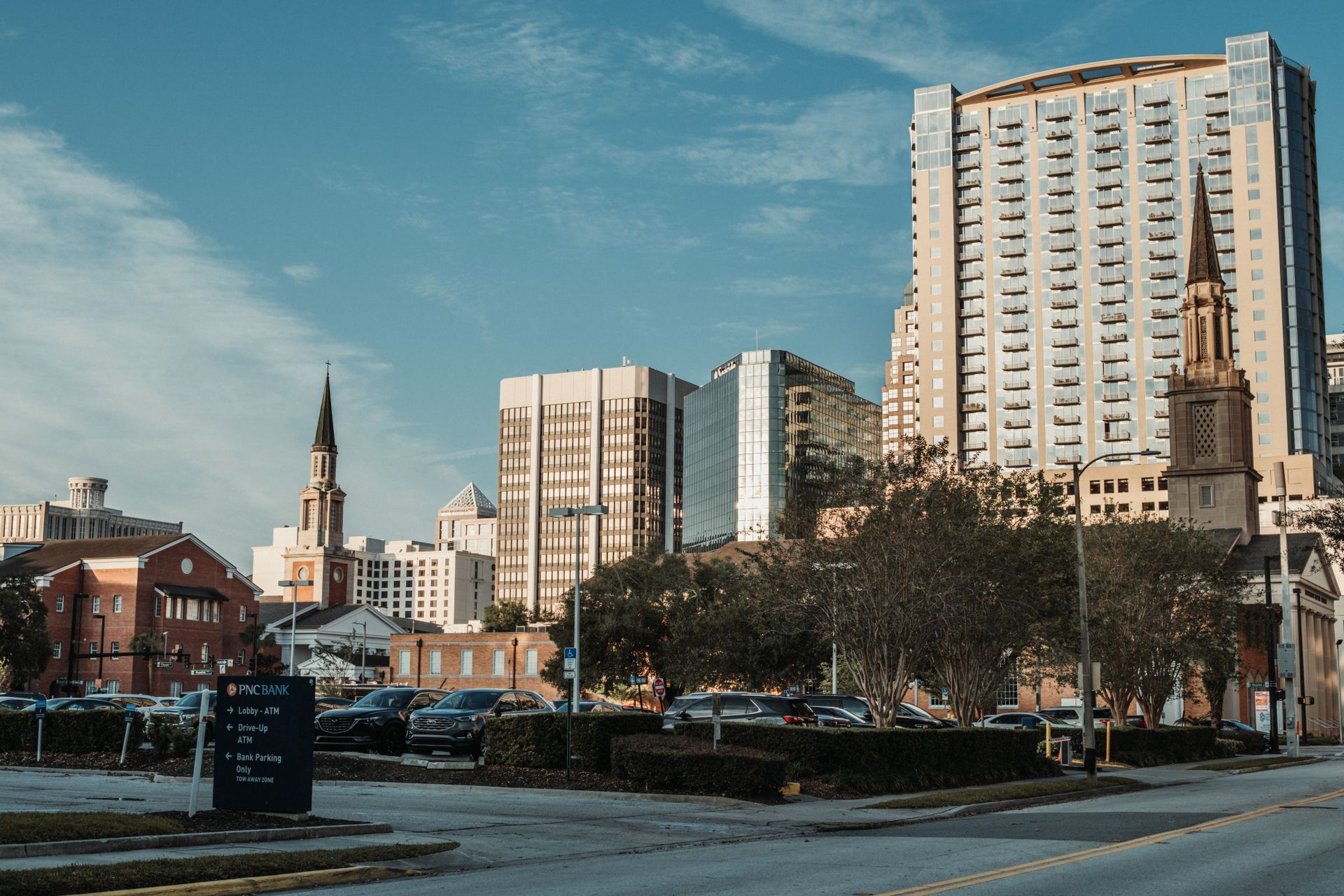
These Atlanta travel tips start with one honest fact: this city rewards visitors who plan ahead and punishes those who assume it works like a walkable East Coast metro. MARTA rail covers the airport and several key districts well, but large swaths of the city, including Buckhead, Little Five Points, and the BeltLine corridor, need rideshare or a rental car. Get those two realities straight before you book anything, and the rest of your trip falls into place.
Atlanta at a glance: key facts
- Hartsfield-Jackson Atlanta International Airport (ATL) is the world's busiest by passenger count. The MARTA Gold and Red lines connect the airport to downtown in about 20 minutes for $2.50 per trip. MARTA fare info
- MARTA operates 38 rail stations across four lines. A single-ride Breeze Card fare is $2.50; a 7-day unlimited pass is $23.75. MARTA passes
- Atlanta's average high in July is 89°F (32°C); January averages a high of 52°F (11°C) with occasional ice storms that shut down roads. NWS Atlanta
- The Georgia Aquarium at 225 Baker Street NW is one of the largest aquariums in the western hemisphere. Check current adult and child pricing at Georgia Aquarium tickets
- The Atlanta BeltLine is a 22-mile trail and transit corridor. The Eastside Trail (2.25 miles) runs from Piedmont Park to Reynoldstown and is free to walk or bike. Atlanta BeltLine
- Uber and Lyft surge pricing at ATL can spike during peak hours (7 to 9 a.m. and 4 to 7 p.m. weekdays). MARTA from the airport skips that entirely.
- Georgia's state sales tax is 4%, and Fulton County adds 4.9%, bringing Atlanta's combined sales tax to 8.9% on most purchases. Georgia DOR
MARTA vs. rideshare vs. rental car: which works for your trip
| Getting around | Best for | Typical cost | Honest limitation |
|---|---|---|---|
| MARTA rail | Airport transfers, Downtown, Midtown, Buckhead | $2.50 per ride or $23.75/week | No coverage in most suburbs or east/west neighborhoods |
| Rideshare (Uber/Lyft) | BeltLine access, Inman Park, East Atlanta, late nights | Mid-range for most in-city trips | Surge pricing during events at State Farm Arena or Mercedes-Benz Stadium |
| Rental car | Stone Mountain, Decatur, Marietta, multi-day exploration | Daily rate plus $20 to $35/day parking downtown | Downtown parking garages fill fast on event days |
| Bike/scooter share | BeltLine Eastside Trail, Piedmont Park area | $1 unlock + per-minute fee (Lime) | No protected lanes on most Atlanta streets off the BeltLine |
How to use MARTA rail without getting stranded
MARTA's four lines form a cross pattern, and the airport is at the southern end of both the Gold and Red lines. That connection is one of the best airport-to-city rail links in the American South, and skipping it for a rideshare costs you several times the fare for no good reason.
Buy a Breeze Card at any airport station kiosk for $2 (the card itself) plus your fare. Tap in, ride to Five Points (the central hub), and transfer to the Green or Blue line if you need to reach Midtown or Buckhead. The whole trip from the airport to Midtown takes about 25 minutes.
The rail system stops running around 1 a.m. on weekdays and 2:30 a.m. on weekends, so plan late-night returns accordingly. If you're staying near a MARTA station, the MARTA trip planner gives you real-time departures. If your hotel is more than a 10-minute walk from a station, budget for rideshare from the drop-off point.
Insider tips for Atlanta neighborhoods: where to stay and why it matters
Midtown Atlanta gives you the best balance of walkability and MARTA access. You can walk to Piedmont Park, the High Museum of Art, and the Fox Theatre, and the Midtown MARTA station (Red and Gold lines) puts the airport 20 minutes away. Hotel rates here lean toward the higher end of mid-range in peak season.
Downtown suits visitors focused on the Georgia Aquarium, World of Coca-Cola, and Mercedes-Benz Stadium. The Five Points and Peachtree Center MARTA stations are within a few blocks of most downtown hotels. The tradeoff: Downtown Atlanta goes quiet after 9 p.m. on non-event nights, so dining options thin out fast.
Inman Park and Ponce City Market are along the BeltLine's Eastside Trail and attract visitors who want independent restaurants, weekend markets, and a neighborhood feel. Neither has a MARTA rail station within easy walking distance, so you'll rely on rideshare or the BeltLine itself to get around. Ponce City Market at 675 Ponce De Leon Ave NE is a reliable anchor for food, shopping, and rooftop access.
Buckhead is Atlanta's upscale retail and hotel district. The Buckhead MARTA station (Gold and Red lines) is at the edge of the neighborhood, but most restaurants and shops need a 10-to-20-minute walk or a short rideshare from the station.
Tips for visiting Atlanta on a budget: how to save money
The Atlanta CityPASS bundles five major attractions, including the Georgia Aquarium and World of Coca-Cola, for less than what paying separately for all five would cost. Buy it at Atlanta CityPASS and activate it on your first use for nine days to complete all five visits.
Free options are more plentiful than most visitors expect. The Martin Luther King Jr. National Historical Park at 450 Auburn Ave NE is free for the visitor center and the birth home tour. The Jimmy Carter Presidential Library grounds are free to walk, though the museum has an admission fee. Piedmont Park is free every day.
For food, skip the tourist-facing restaurants around Centennial Olympic Park and head to Buford Highway, a 10-mile corridor northeast of Downtown with Vietnamese, Korean, Mexican, and Chinese restaurants at budget-friendly prices. The Buford Highway Farmers Market at 5600 Buford Hwy NE is a destination on its own. Getting there needs a car or rideshare from Midtown.
Practical tips for Atlanta visitors: problems solved
- Download the Breeze app before you land. You can load funds onto your Breeze Card from your phone and skip the airport kiosk line. Breeze app
- Check the Mercedes-Benz Stadium and State Farm Arena event calendars before booking rideshare. On concert or game nights, Uber and Lyft prices from Downtown spike for short trips. MARTA's Vine City station (Blue and Green lines) is a 5-minute walk from Mercedes-Benz Stadium.
- Atlanta's summer heat (June to August) regularly hits 90°F+ with high humidity. Schedule outdoor BeltLine walks or Stone Mountain hikes before 10 a.m. or after 6 p.m. Carry water; the BeltLine has limited shade on the Westside Trail.
- If you're renting a car, avoid I-285 (the Perimeter) between 7 to 9 a.m. and 4 to 7 p.m. on weekdays. Atlanta consistently ranks among the worst U.S. cities for traffic congestion, and the Perimeter is the worst corridor. INRIX Traffic Scorecard
- The Ponce City Market rooftop (Skyline Park) charges weekend admission but is free Monday through Thursday. It's one of the best views of Midtown and the BeltLine without paying for a hotel bar.
Atlanta tourist tips for first-time visitors: what surprises people
Atlanta's street naming is a known trap. Over 70 streets include the word 'Peachtree' in their name, including Peachtree Street, Peachtree Road, Peachtree Battle Avenue, and West Peachtree Street. Always confirm the full street name and cross street before you set off, and use a map app rather than relying on verbal directions.
The city's geography also surprises visitors expecting a flat Southern city. Atlanta is on a ridge system, and neighborhoods like Buckhead and Druid Hills have significant elevation changes. The BeltLine's Westside Trail, for example, includes grades that catch cyclists off guard.
Weather shifts fast in spring and fall. A 70°F afternoon in March can drop to 45°F by 9 p.m., and afternoon thunderstorms in April and May arrive with little warning. Pack a light layer and a compact rain jacket if you're visiting outside of summer.
Atlanta neighborhoods compared: walkability, MARTA access, and cost
| Neighborhood | Walkability | Nearest MARTA station | Relative hotel rate (peak) | Best for |
|---|---|---|---|---|
| Midtown | High (near Piedmont Park) | Midtown (Red/Gold) | Upper mid-range | First-time visitors, museum-goers |
| Downtown | Medium (event-dependent) | Five Points / Peachtree Center | Mid-range | Stadium events, aquarium, families |
| Buckhead | Low (car-dependent) | Buckhead (Gold/Red) | High-end | Upscale dining, luxury hotels |
| Inman Park / Ponce | Medium (BeltLine access) | No rail; rideshare needed | Mid-range (Airbnb-heavy) | Food, nightlife, BeltLine access |
| Old Fourth Ward | Medium | King Memorial (Blue/Green) | Lower mid-range | MLK sites, BeltLine, budget travelers |
Sustainable travel in Atlanta
MARTA carries about 68 million passenger trips per year, and each rail trip produces roughly 76% fewer greenhouse gas emissions per mile than a single-occupancy car trip on Atlanta's highway network, according to the American Public Transportation Association. Choosing MARTA from the airport instead of a rideshare for a round trip saves an estimated 8 to 12 lbs of CO2 per passenger.
The Atlanta BeltLine's trail network also supports low-carbon movement across the city. The organization has committed to completing the full 22-mile loop by 2030, which will connect 45 neighborhoods without a car. Renting a bike from Atlanta BeltLine Bike Rentals at Piedmont Park or Ponce City Market keeps you off congested surface streets.
Official sources for Atlanta trip planning
- Discover Atlanta: the official Atlanta tourism authority, with event calendars, neighborhood guides, and current attraction hours.
- MARTA: official rail and bus schedules, Breeze Card management, and real-time service alerts.
- Hartsfield-Jackson Atlanta International Airport: terminal maps, ground transportation options, and parking rates.
- Atlanta BeltLine: trail maps, event listings, and bike rental locations across the corridor.
Putting these Atlanta tips together
Most first-time stumbles in Atlanta trace to one assumption: that it works like a walkable East Coast city. It doesn't: lean on MARTA for the airport and the Downtown–Midtown–Buckhead spine, plan for a car or rideshare beyond that, and book around the big event weekends. Get those three right and the city opens up easily.
Frequently asked questions
What's the cheapest way to get from Atlanta airport to Downtown?+
MARTA rail is $2.50 and takes about 20 minutes from the airport to Five Points station in Downtown Atlanta. Buy a Breeze Card at the airport station kiosk for $2 plus your fare load. A rideshare covers the same route for several times the MARTA fare, and surge pricing during peak hours pushes it higher.
Do I need a car in Atlanta?+
It depends on your itinerary. If you're staying in Midtown or Downtown and focusing on attractions like the Georgia Aquarium, Piedmont Park, and the BeltLine's Eastside Trail, you can manage with MARTA and rideshare. If you want to reach Buford Highway, Stone Mountain, Decatur, or Marietta, a rental car saves significant time and rideshare costs. Atlanta's public transit does not cover most of the metro area.
What's the best time to visit Atlanta?+
March through May and September through November offer the most comfortable temperatures, typically 60°F to 75°F, with lower humidity than summer. Spring brings the Atlanta Dogwood Festival in April and blooming azaleas across Buckhead and Druid Hills. Summer (June to August) is hot and humid, with highs regularly above 90°F, but hotel rates drop and indoor attractions like the aquarium are less crowded on weekdays.
How do I avoid traffic in Atlanta?+
Avoid driving I-285 and I-75/85 (the Downtown Connector) between 7 to 9 a.m. and 4 to 7 p.m. on weekdays. Atlanta ranks among the most congested U.S. cities, and the Connector can add 45 to 60 minutes to a trip that takes 15 minutes at off-peak times. Use MARTA for airport transfers and Downtown trips, and schedule any driving outside the metro core for mid-morning or early afternoon.
What are the best free things to do in Atlanta?+
The Martin Luther King Jr. National Historical Park on Auburn Avenue is free and covers the birth home, Ebenezer Baptist Church, and the King Center. Piedmont Park is free every day and connects to the BeltLine's Eastside Trail. The Jimmy Carter Presidential Library grounds are free to walk, and the Westside BeltLine Trail gives you skyline views without any admission cost.
Is Atlanta safe for tourists?+
Atlanta's tourist districts, including Midtown, Downtown near Centennial Olympic Park, and the BeltLine corridor, see heavy foot traffic and are generally safe during daytime and evening hours. Like any large city, some areas need more awareness at night. Stick to well-lit streets, use rideshare rather than walking long distances after midnight, and check the Atlanta Police Department's crime map if you want neighborhood-level data before your trip.