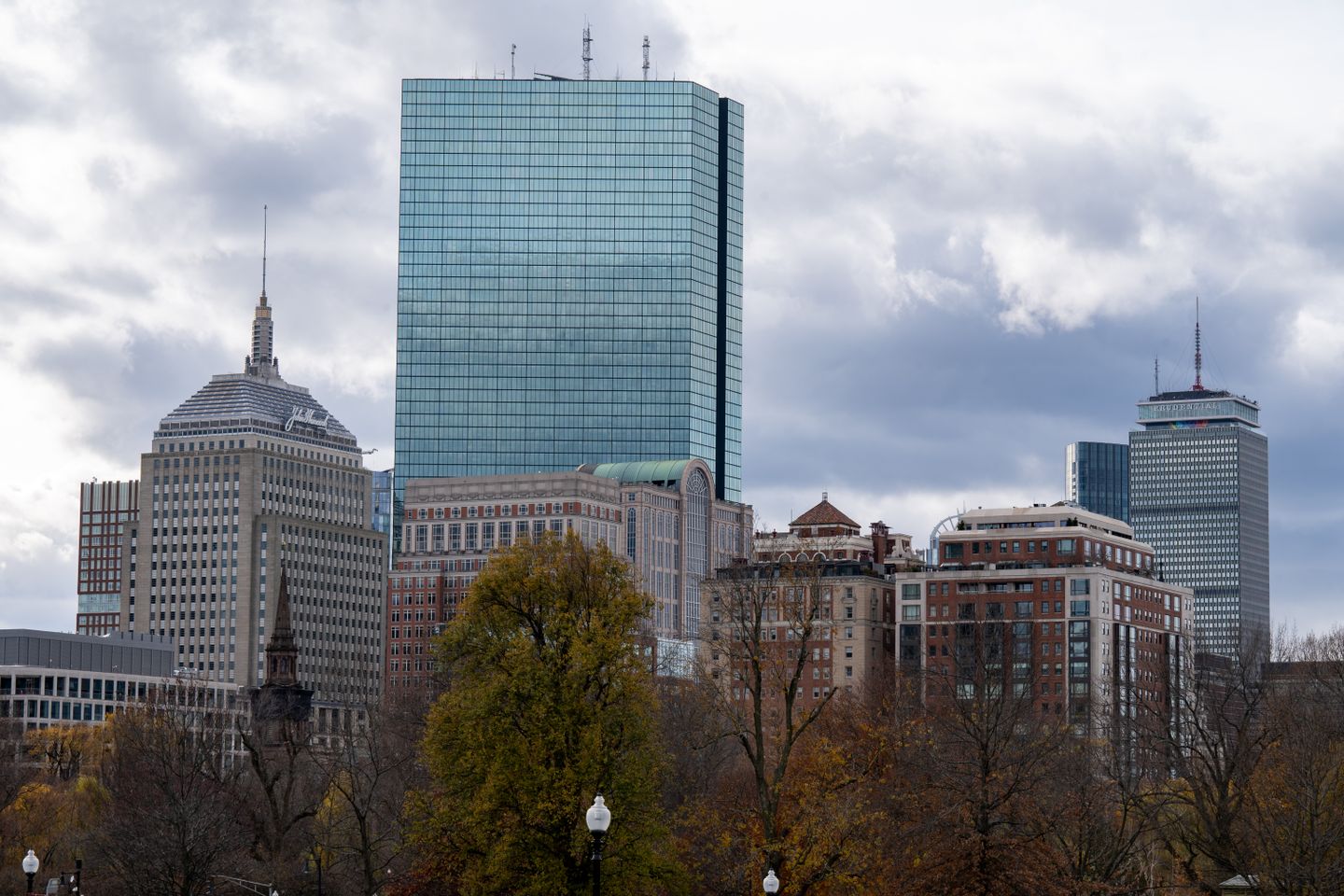
The best time to visit Boston is May through June or September through October, when temperatures are between 55°F and 75°F (13°C and 24°C), hotel rates stay below peak-summer levels, and you can walk the city all day without melting or freezing.
Summer draws the largest crowds and the highest prices, while January and February offer the lowest rates for travelers who can handle temperatures that drop to 20°F (–7°C) overnight.
Boston by season: quick facts
- Boston in Spring (April–June): Weather, Travel Costs & Crowds. Average highs climb from 56°F (13°C) in April to 76°F (24°C) in June. The Boston Marathon on Patriots' Day (April 20, 2026) fills hotels across the city and pushes rates to near-peak levels for that weekend. Book at least 3 months ahead for Marathon weekend. Outside that window, spring is one of the most affordable and comfortable times to visit.
- Boston in Summer (July–August): Weather, Travel Costs & Crowds. Average highs reach 82°F (28°C) in July, with humidity making it feel warmer. Hotel demand peaks from late June through August, driven by tourism, university orientation events, and conventions at the Boston Convention & Exhibition Center at 415 Summer Street. Crowds at Freedom Trail sites and Faneuil Hall are at their heaviest. If you're on a budget, pick another month.
- Boston in Fall (September–October): Weather, Travel Costs & Crowds. September highs average 73°F (23°C) and October highs drop to 62°F (17°C), making this the most comfortable stretch of the year for walking the city. College move-in (late August through early September) briefly tightens hotel supply in Cambridge and Allston. Foliage peaks in mid-to-late October, drawing visitors to the Emerald Necklace parks and day trips to the surrounding region. Rates soften after Columbus Day weekend.
- Boston in Winter (November–March): Weather, Travel Costs & Crowds. Average winter highs range from 37°F–42°F (3°C–6°C), with overnight lows typically between 20°F and 28°F (–7°C to –2°C). January and February are the cheapest months to book hotels, with rates dropping well below summer levels. The First Night Boston celebration on December 31 draws large crowds downtown and raises rates for New Year's Eve. Outside the holiday window, winter is the least crowded season, and the MBTA subway runs reliably for getting around without a car.
Month-by-month weather and what it means for your trip
January and February are at the cold end of the spectrum, with average highs of 37°F–39°F (3°C–4°C) and overnight lows that regularly hit 22°F (–6°C). Snow is common, averaging about 14 inches in each of the two months according to NOAA climate data.
If you visit during this window, pack layers and plan indoor activities like the Museum of Fine Arts at 465 Huntington Avenue or the Isabella Stewart Gardner Museum at 25 Evans Way.
March starts cold, with average highs of 46°F (8°C), and hotel rates remain low. April warms to the mid-50s°F (around 13°C) but brings the Marathon, and rates jump for that one weekend. May is the first month where you get genuinely pleasant walking weather, with highs around 67°F (19°C) and low humidity.
June through August is peak season. Temperatures are warm and the city is at its most active, but you pay for it.
September is the sweet spot for many travelers: summer warmth lingers, crowds thin after Labor Day, and foliage starts appearing in the Arnold Arboretum by early October. November cools fast, with average highs of 52°F (11°C), and hotel rates follow the crowds down.
Boston month-by-month: weather, crowds, and hotel pricing
| Month | Avg High °F / °C | Crowd Level | Hotel Rate Level | Notable Events |
|---|---|---|---|---|
| January | 37°F / 3°C | Low | Budget | New Year's recovery, MLK weekend |
| February | 39°F / 4°C | Low | Budget | Valentine's weekend slight uptick |
| March | 46°F / 8°C | Low-Moderate | Low-Mid | St. Patrick's Day parade (South Boston) |
| April | 56°F / 13°C | Moderate-High | High (Marathon week) | Boston Marathon, Patriots' Day |
| May | 67°F / 19°C | Moderate | Mid | Memorial Day weekend |
| June | 76°F / 24°C | High | High | Boston Pride, summer festivals begin |
| July | 82°F / 28°C | Peak | Peak | Fourth of July, Harborfest |
| August | 80°F / 27°C | Peak | Peak | College move-in prep, summer concerts |
| September | 73°F / 23°C | Moderate | Mid-High | Labor Day weekend |
| October | 62°F / 17°C | Moderate | Mid | Head of the Charles Regatta, foliage |
| November | 52°F / 11°C | Low-Moderate | Low-Mid | Thanksgiving weekend |
| December | 42°F / 6°C | Moderate | Mid-High (holidays) | First Night Boston, holiday markets |
Best time to visit Boston by traveler type
Budget travelers get the most value in January and February, when hotel rates drop to their annual low and restaurants and museums are uncrowded. You trade warmth for savings, but the MBTA Red, Green, Blue, and Orange lines keep you mobile without a car.
Families do best in late June or early September. Late June gives you warm weather (highs around 76°F / 24°C) before peak-July crowds arrive, and school is out.
Early September works well after Labor Day, when summer crowds clear but temperatures stay comfortable and attractions like the New England Aquarium at 1 Central Wharf are easier to navigate.
Business travelers find the most predictable availability in February, March, and November, outside of major conference weeks at the Boston Convention & Exhibition Center. The convention center hosts dozens of large events annually, so checking its schedule at massconvention.com before booking is worth the two minutes it takes.
Event-focused travelers have two big weekends to plan around: the Boston Marathon (April 20, 2026) and the Head of the Charles Regatta, one of the largest rowing events in the world, held on the Charles River October 16 to 18, 2026. Both events require booking accommodations 3 to 6 months in advance.
Travelers who want fewer crowds will like late March or early November. Temperatures are cool (46°F–52°F / 8°C–11°C), but major attractions are accessible without lines, and hotel rates reflect the lower demand.
Decision table: matching your goal to the right travel window
| If you want | Best time to go |
|---|---|
| Lowest hotel rates | January–February |
| Best weather | May and September |
| Major events | April and October |
| Festive atmosphere | December |
| Fewer crowds | Late March |
Major events that affect hotel availability and rates
The Boston Marathon is the single biggest demand driver of the year. Held on Patriots' Day, Monday, April 20, 2026, it has a field of 30,000 official entrants. Hotels along the route (Boylston Street, Back Bay, Copley Square) sell out months in advance, and rates across the metro area spike for the surrounding weekend.
The Head of the Charles Regatta, held October 16 to 18, 2026 along the Charles River between Cambridge and Brighton, brings 11,500 competitors and 325,000 spectators over three days. Cambridge hotels fill first, but the ripple effect reaches downtown Boston and the Fenway neighborhood.
On the Fourth of July, the Boston Pops Fireworks Spectacular draws hundreds of thousands of people to the Charles River Esplanade, and hotel rates in July are at their annual peak. Book 4 to 6 months ahead if you want to be in the city for this.
First Night Boston on December 31 is a city-wide arts and performance event that raises downtown hotel rates for New Year's Eve. If you want the holiday atmosphere without the premium, the days between Christmas and December 30 offer festive decorations and events at lower rates.
Practical tips for planning your Boston visit
- Use the MBTA Commuter Rail (accessible via the mTicket app) to reach Salem and Concord for day trips without renting a car. Fares run $2.40 to $13.25 one way depending on zone; Concord is in Zone 5, at $9.75 each way.
- Book hotels in the South End or Fenway neighborhoods for rates that run below Back Bay and Downtown Crossing, with the Orange Line and the Silver Line SL4/SL5 serving the South End and the Green Line D branch stopping at Fenway.
- Check the Boston Convention & Exhibition Center event calendar at massconvention.com before finalizing your dates. A large convention can tighten hotel supply across the entire metro area with little public notice.
- The subway fare is $2.40 whether you pay with a CharlieCard, a CharlieTicket, a contactless card or cash. Load it at any fare vending machine in stations like Park Street (Red and Green lines) or Downtown Crossing (Red and Orange lines).
- Shoulder season in May and September gives you the best combination of walkable weather and manageable crowds for the Freedom Trail, a 2.5-mile marked route connecting 16 historic sites from Boston Common to the Bunker Hill Monument in Charlestown.
Visiting Boston in shoulder season: a lower-impact choice
Traveling in May or September puts you in Boston during periods when the city's infrastructure is under less strain. Fewer visitors on the Freedom Trail, at the harbor, and in the Emerald Necklace parks means a better experience for you and less wear on public spaces that the city actively manages for conservation.
Shoulder season travel means you use the same transit network with more breathing room.
The Emerald Necklace parks are quieter too. Visiting in May or September lets you see these spaces at their most photogenic without the foot traffic that compacts soil and stresses plantings during July and August.
Official sources for Boston travel planning
- Greater Boston Convention & Visitors Bureau: Official visitor information, event calendars, and neighborhood guides for Boston and the surrounding region.
- MBTA Trip Planner: Real-time schedules, fare information, and service alerts for the subway, bus, and commuter rail network.
- NOAA Boston Climate Data: Historical and current weather data for Boston, including monthly temperature averages and precipitation records.
- City of Boston Official Website: City event permits, public park information, and official announcements affecting travel and access.
Planning your trip around Boston's calendar
Whatever window you choose, book hotels early around the marathon (April 20, 2026), college graduations in May, and the fall-foliage weekends: these are the dates when rooms sell out first and rates climb fastest. Travelers who come in late March or early November trade a little weather risk for lower hotel rates and shorter museum lines.
Things to do in Boston, by neighborhood
Where to start in each neighborhood, and what’s on there this weekend.
Frequently asked questions
What's the cheapest month to visit Boston?+
January and February are the cheapest months to visit Boston. Hotel rates drop to their annual low during this window, and major attractions like the Museum of Fine Arts and the Isabella Stewart Gardner Museum have minimal wait times. Average highs are 37°F–39°F (3°C–4°C), so bring a warm coat. The subway gets you between museums without long walks in the cold.
What's the best time to visit Boston for good weather?+
May and September offer the most comfortable weather for walking the city. May highs average 67°F (19°C) with low humidity, and September holds onto summer warmth at around 73°F (23°C) while crowds thin after Labor Day. Both months give you reliable conditions for outdoor sites like the Freedom Trail and the Charles River Esplanade without the heat and humidity of July.
How far in advance should I book for the Boston Marathon?+
Book at least 3 to 6 months ahead for Boston Marathon weekend. The 2026 race was on Patriots' Day, April 20. Hotels along Boylston Street and in Back Bay sell out first, but the demand spike reaches Cambridge, the South End, and even suburban options. If you're flexible on location, the MBTA Red and Green lines can get you to the finish line area from neighborhoods with more availability.
What's Boston like in December?+
December highs in Boston average 42°F (6°C) with occasional snow, and the city puts up holiday decorations across Faneuil Hall Marketplace and the Boston Common. Hotel rates are mid-to-high for the holiday window, peaking around New Year's Eve for First Night Boston. The days between Christmas and December 30 offer festive atmosphere at lower rates than the peak holiday dates.
Is Boston crowded in the summer?+
July and August are the busiest months in Boston. Tourism peaks, university orientation events begin in late August, and conventions at the Boston Convention & Exhibition Center add to hotel demand. Freedom Trail sites, Faneuil Hall, and the New England Aquarium see their longest lines during this period. If you visit in summer, book hotels 2 to 3 months ahead and plan to arrive at popular sites early in the morning.
What's the best time to see fall foliage near Boston?+
Foliage peaks in the Boston area between mid and late October. The Arnold Arboretum in Jamaica Plain, accessible via the Orange Line to Forest Hills, is one of the best in-city spots. For more dramatic color, the MBTA Commuter Rail can take you to towns like Concord and Salem within 30 to 45 minutes. The Head of the Charles Regatta (October 16 to 18, 2026) coincides with peak foliage, so book hotels early if you want both.


