Every hotel on this page holds a verified Green Key Global certification, a third-party sustainability credential that audits energy use, water management, waste reduction, and staff training across more than 50 criteria. Green Key is far less common in Washington DC than LEED building ratings or Energy Star scores, making these three properties a short list worth knowing. Travelers searching for eco-friendly hotels in DC will find options here across Georgetown, Capitol Hill, and downtown, each verified at a specific key level.
How we selected these hotels
Inclusion requires one thing: a verified, active Green Key Global certification confirmed through Destination DC and Green Key's public directory. No hotel appears here based on self-reported sustainability claims, LEED building ratings, or Energy Star scores alone. Those credentials measure different things, and we have separate pages covering LEED-certified and Energy Star hotels in DC. The three hotels below are ranked by key level, from 5 down to 3, because a higher key level reflects a deeper operational commitment, not just baseline compliance.
Green Key certified hotels in Washington DC compared
| Hotel | Star rating | Green Key level | Neighborhood | Nearest Metro | Walk to Metro |
|---|---|---|---|---|---|
| Fairmont Washington, D.C., Georgetown | 4 | 5 Keys | Georgetown / West End | Foggy Bottom-GWU | 7 min |
| Hyatt Regency Washington on Capitol Hill | 4 | 4 Keys | Capitol Hill | Union Station | 6 min |
| Grand Hyatt Washington | 4 | 3 Keys | Downtown / Penn Quarter | Metro Center | 1 min |
What Green Key certification levels mean in practice
Green Key Global awards hotels a score from 1 to 5 keys based on how many of its sustainability criteria a property meets and at what depth. A 1-key property satisfies entry-level requirements around basic waste sorting and energy awareness. A 5-key property, the highest tier, demonstrates verified performance across every major category: energy consumption benchmarks, water recycling programs, chemical management, biodiversity policies, and documented staff training. The gap between a 3-key and a 5-key hotel is not cosmetic. It reflects whether a property has built sustainability into daily operations or simply checked the minimum boxes. All three hotels on this page clear the baseline, but the Fairmont's 5-key rating puts it in a different tier of accountability.
Which Green Key hotel is right for your trip?
The three certified hotels on this page serve different traveler priorities, so the right pick depends on what matters most to you.
Best Green Key rating: Fairmont Washington, D.C., Georgetown. The Fairmont holds the only 5-key certification among DC's verified Green Key properties. That means it has passed audits on every major category, including biodiversity policies and chemical management, that lower-rated properties may not have addressed. Choose it if the depth of eco-credentials is your primary filter.
Closest to Capitol Hill: Hyatt Regency Washington on Capitol Hill. Sitting at 400 New Jersey Ave NW, the Hyatt Regency is the natural base for anyone with business at the Capitol, congressional offices, or the Library of Congress. Its 4-key certification confirms a meaningful operational commitment, and the 6-minute walk to Union Station keeps the rest of the city accessible.
Best Metro access: Grand Hyatt Washington. A 1-minute walk to Metro Center, the most connected station in the WMATA system, makes the Grand Hyatt the easiest property to reach from any direction. If your itinerary spans multiple neighborhoods and you want to minimize transit time, this is the most practical base among the three certified options.
Booking a Green Key hotel: what to ask
- Ask the hotel which specific Green Key criteria drove their most recent audit score, not just what level they hold.
- A 5-key rating covers biodiversity and chemical management in addition to energy and water, so it signals broader operational change.
- Green Key audits happen on a renewal cycle. If you want the most current status, check the Green Key Global directory at greenkey.global before booking.
- LEED certification on a building does not mean the hotel operation holds Green Key. The two credentials measure different things and a property can hold one, both, or neither.
The hotels
 Fairmont Washington, D.C., Georgetown
2401 M Street NW
9.4165 reviews
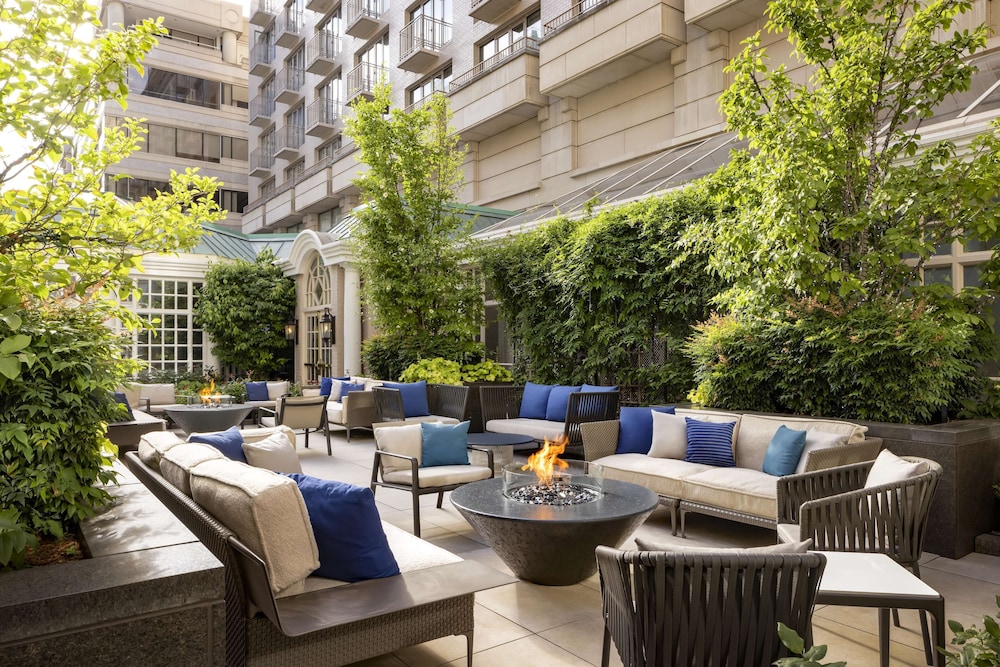
7 min walk to Foggy Bottom-GWU (Blue/Orange/Silver)The Fairmont Washington, D.C., Georgetown holds a verified Green Key Global 5-key certification, the highest tier available, confirmed through Destination DC, making it the strongest eco-credentials option on this list for travelers who want third-party accountability across every major sustainability category.
View hotel →
Fairmont Washington, D.C., Georgetown
2401 M Street NW
9.4165 reviews
7 min walk to Foggy Bottom-GWU (Blue/Orange/Silver)The Fairmont Washington, D.C., Georgetown holds a verified Green Key Global 5-key certification, the highest tier available, confirmed through Destination DC, making it the strongest eco-credentials option on this list for travelers who want third-party accountability across every major sustainability category.
View hotel →
 Hyatt Regency Washington on Capitol Hill
400 New Jersey Ave NW
8.1992 reviews
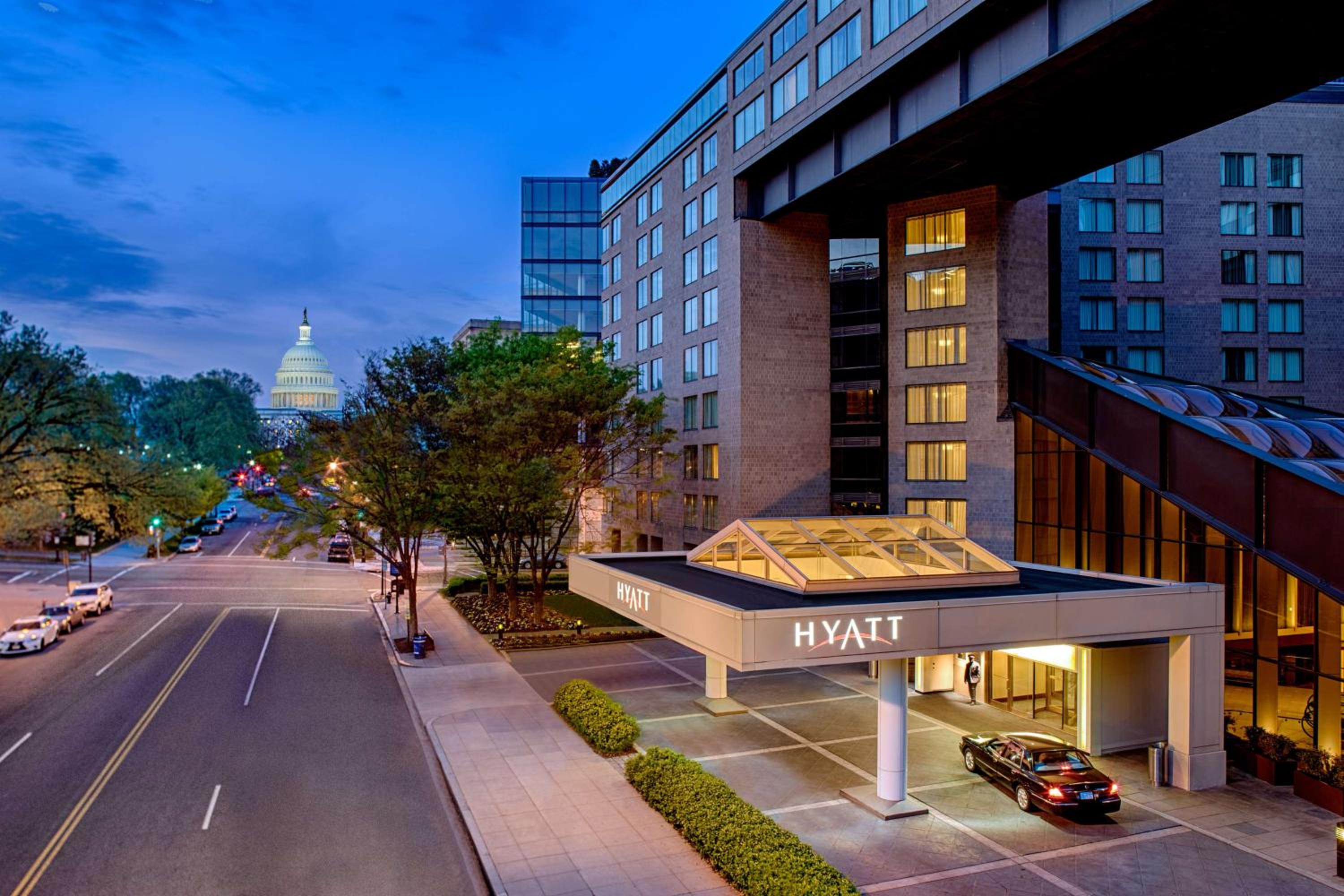
6 min walk to Union Station (Red)Verified at Green Key Global 4 keys through Destination DC, the Hyatt Regency on Capitol Hill earns its place here as one of only three DC hotels with confirmed Green Key status, giving eco-conscious travelers a large-format option within walking distance of the Capitol.
View hotel →
Hyatt Regency Washington on Capitol Hill
400 New Jersey Ave NW
8.1992 reviews
6 min walk to Union Station (Red)Verified at Green Key Global 4 keys through Destination DC, the Hyatt Regency on Capitol Hill earns its place here as one of only three DC hotels with confirmed Green Key status, giving eco-conscious travelers a large-format option within walking distance of the Capitol.
View hotel →
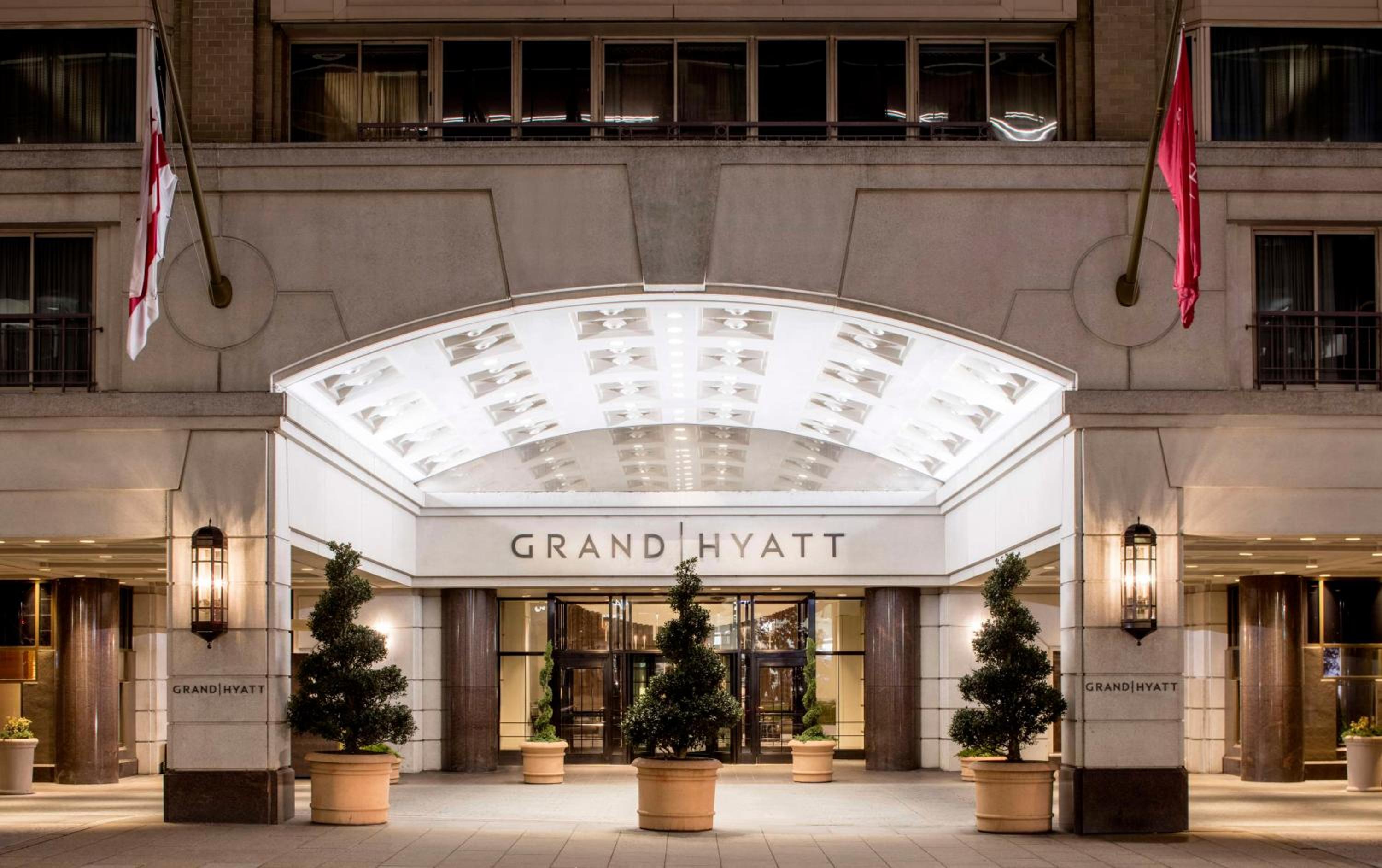 Grand Hyatt Washington
1000 H Street NW
8.61,458 reviews
1 min walk to Metro Center (Red/Blue/Orange/Silver)The Grand Hyatt Washington holds a verified Green Key Global 3-key certification confirmed through Destination DC, and its position directly above Metro Center, the most connected station in the WMATA system, makes it the most transit-accessible certified option on this page.
View hotel →
Grand Hyatt Washington
1000 H Street NW
8.61,458 reviews
1 min walk to Metro Center (Red/Blue/Orange/Silver)The Grand Hyatt Washington holds a verified Green Key Global 3-key certification confirmed through Destination DC, and its position directly above Metro Center, the most connected station in the WMATA system, makes it the most transit-accessible certified option on this page.
View hotel →
Frequently asked questions
What does a Green Key Global certification actually verify?+
Green Key Global sends independent auditors to assess a hotel against more than 50 criteria covering energy consumption, water use, waste sorting and reduction, chemical management, biodiversity policies, and staff environmental training. The hotel does not self-report. A third party scores the property and assigns a key level from 1 to 5 based on how many criteria it meets and at what depth.
How is Green Key different from LEED certification?+
LEED rates the physical building, covering construction materials, insulation, HVAC design, and site selection. Green Key rates the hotel operation, covering how staff manage energy day to day, how water gets recycled, and how waste gets sorted. A hotel can occupy a LEED-certified building and still fail a Green Key audit if its operations do not meet the standard. The two credentials are complementary, not interchangeable.
How is Green Key different from Energy Star?+
Energy Star measures a single metric: energy use per square foot compared to similar buildings. It does not assess water management, waste practices, chemical handling, or staff training. Green Key covers all of those categories. A hotel can earn Energy Star by running efficient HVAC systems while still falling short on waste reduction or chemical management, areas Green Key audits directly.
Why are so few Washington DC hotels Green Key certified?+
Meeting Green Key standards requires operational changes across departments, dedicated staff training, and ongoing documentation for renewal audits. That takes time and budget that many hotel operators direct elsewhere, particularly in a competitive market where guests rarely filter by certification. Green Key adoption in DC lags behind cities where sustainability credentials carry more weight in the booking decision.
Does a higher key level mean a meaningfully greener hotel?+
Yes. The difference between a 3-key and a 5-key property is not a formality. A 5-key hotel has passed audits on every major category, including biodiversity policies and chemical management protocols, that a 3-key property may not have addressed. If minimizing environmental impact is your primary criterion, the key level is the most useful number on this page.
Are there other eco-certified hotels in Washington DC not on this list?+
This page covers only hotels with verified Green Key Global certification. Some DC hotels hold Energy Star scores or occupy LEED-certified buildings, but those credentials measure different things. We have separate pages covering those properties. The Willard InterContinental, for example, holds an IHG Green Engage rating, which is an internal brand program, not a Green Key certification, so it does not appear here.