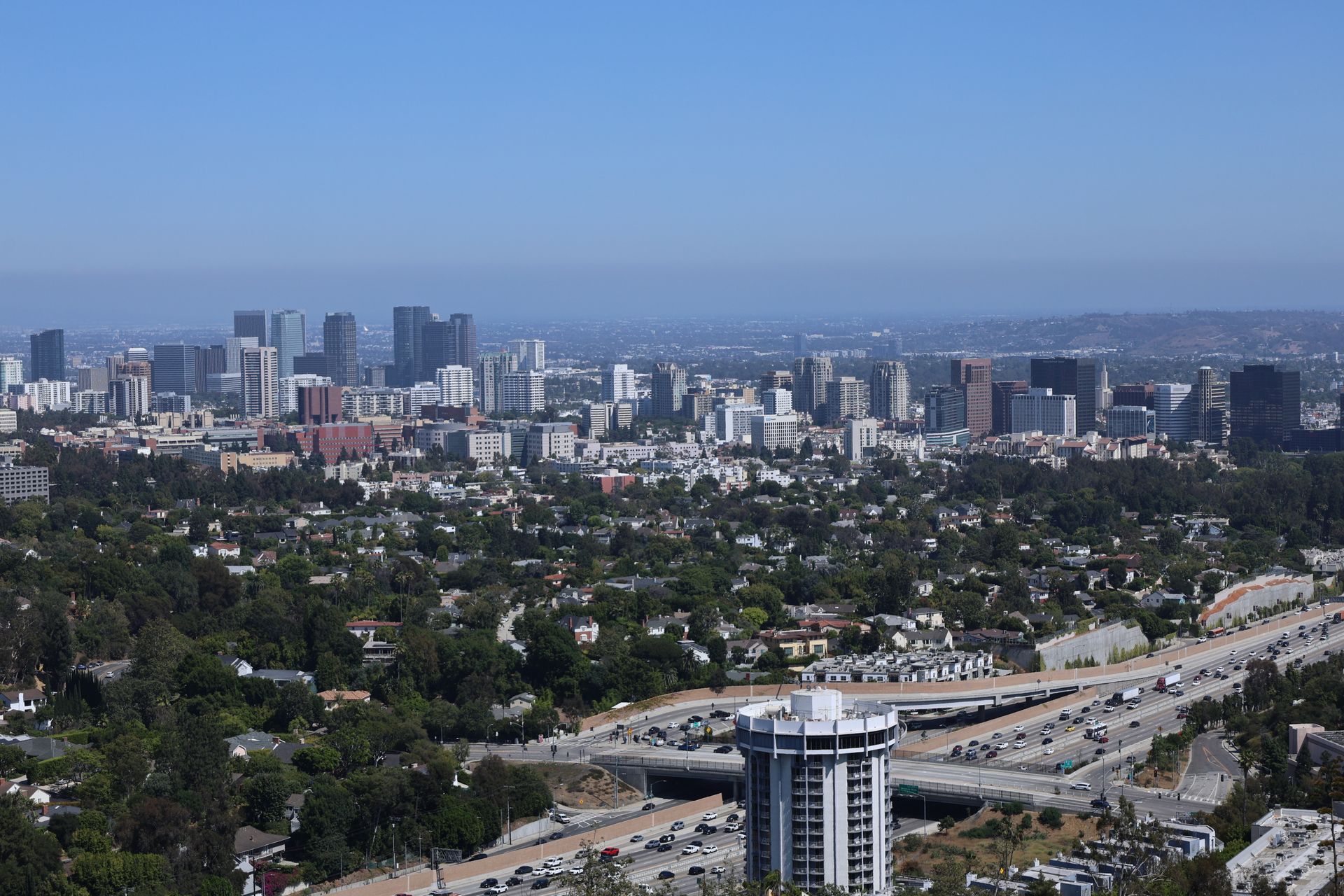
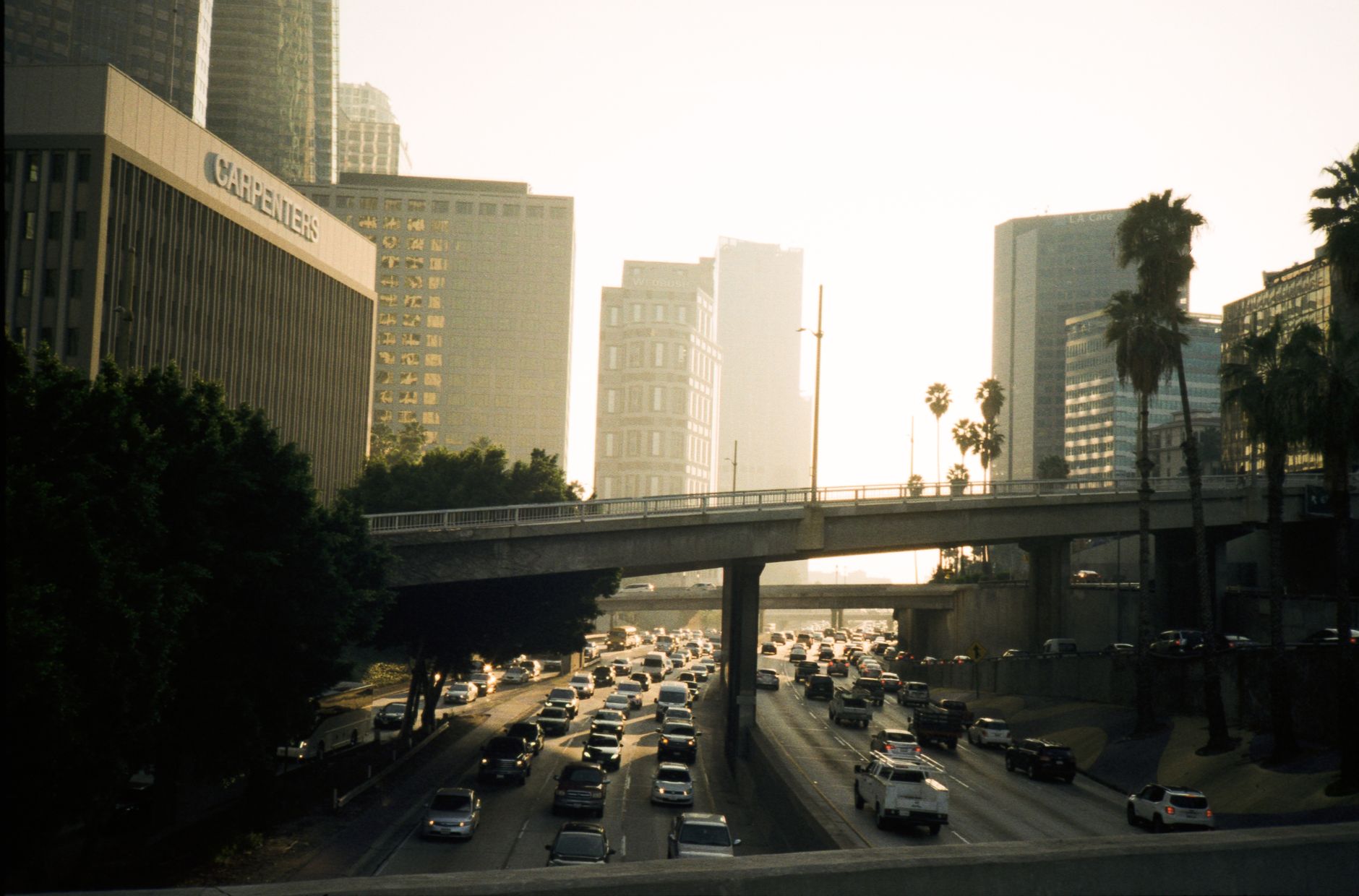
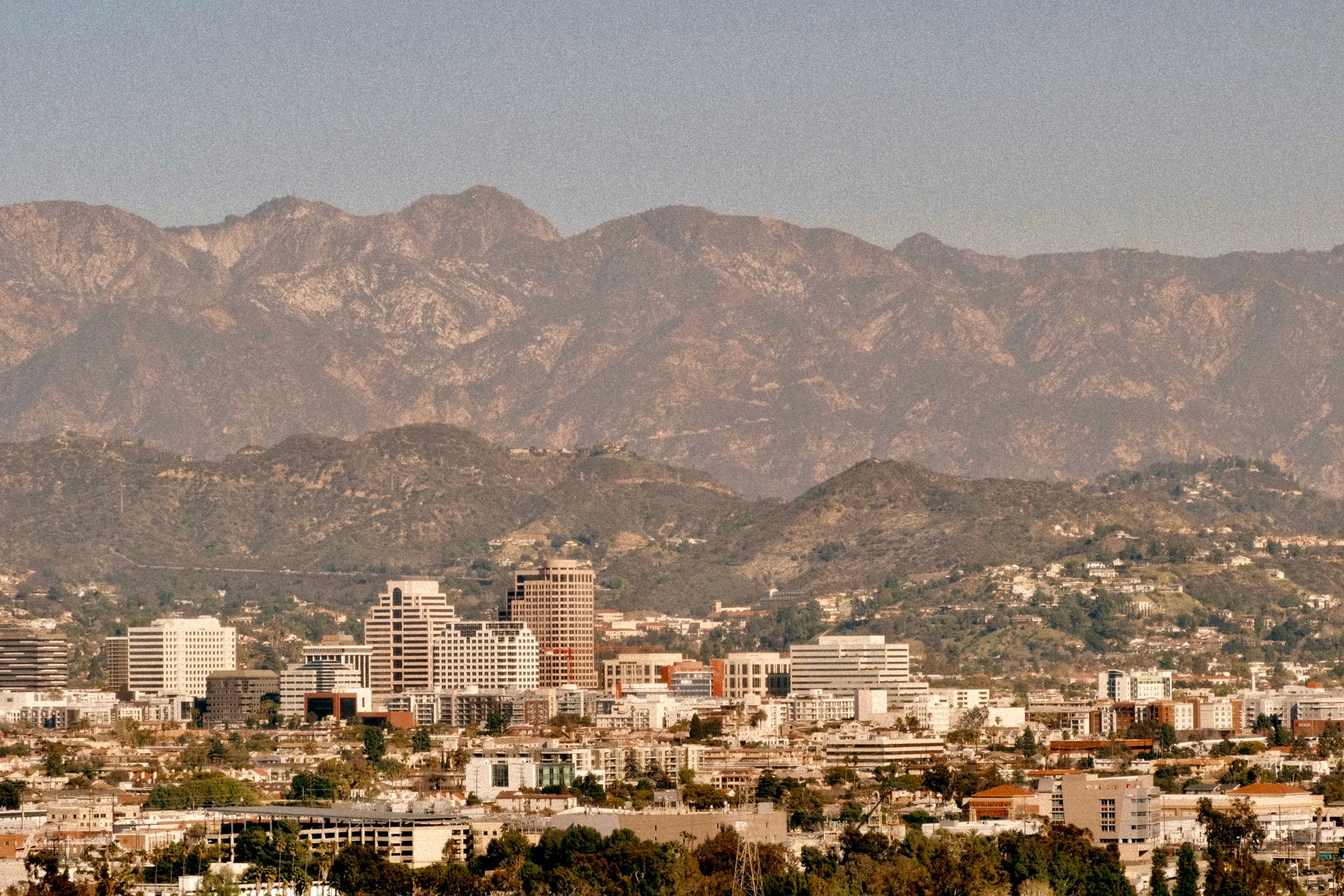
This page covers which neighborhoods are safest, what to watch out for, and how to get around Los Angeles without running into trouble. Crime rates vary sharply by neighborhood, so knowing where to go and what to avoid makes a real difference. Most visitors complete their trips without incident by sticking to well-trafficked areas and using the Metro B Line to move between major attractions.
If you need help in Los Angeles
- Emergency: Call 911
- Non-urgent issue: Call 311
- Suspicious Metro rail activity: Text 213-788-2777, or call the Metro Safety Hotline on 1-888-950-SAFE
- Mental health crisis: Call 988 (Suicide & Crisis Lifeline)
Safe neighborhoods for tourists in Los Angeles
Santa Monica ranks among the most visitor-friendly areas in the city. The Third Street Promenade, Santa Monica Pier, and the surrounding blocks see heavy foot traffic day and night, and the Santa Monica Police Department maintains a visible presence along the beachfront.
Beverly Hills operates its own police department, separate from the LAPD, and the department patrols Rodeo Drive and the surrounding shopping district with high frequency. Tourists walking between shops or dining on Canon Drive face minimal risk.
West Hollywood, governed by the Los Angeles County Sheriff's Department, covers the Sunset Strip and Santa Monica Boulevard. The area draws large crowds on weekends and has well-lit streets with active nightlife. Incidents do occur near bar closing times, so stay aware of your surroundings after 1 a.m.
The Hollywood Walk of Fame corridor between La Brea Avenue and Vine Street sees millions of visitors each year. Daytime visits near Hollywood/Highland Station on the Metro B Line are generally fine. After midnight, the stretch east of Highland Avenue toward Cahuenga Boulevard gets quieter and less patrolled, so plan your evening accordingly.
Downtown Los Angeles west of Main Street, including Grand Avenue, the Broad Museum, and the area around 7th Street/Metro Center Station, is safe for daytime visits. The Arts District along Traction Avenue has grown into a popular dining and gallery destination with low incident rates.
Areas where tourists should exercise more caution
Skid Row, concentrated in the blocks between 3rd Street and 7th Street east of Main Street, has one of the highest concentrations of unhoused residents in the United States. The LAPD's Central Division covers this area, but tourists have no reason to walk through it. If you arrive at Union Station and plan to head toward the Arts District or Grand Avenue, use a rideshare or take the Metro A Line rather than walking east on 5th or 6th Street.
Parts of Downtown Los Angeles east of Main Street, including the area around San Pedro Street and Maple Avenue, see higher rates of property crime. Keep bags zipped and phones in your pocket rather than in your hand.
Certain stretches of Hollywood Boulevard east of Vine Street, particularly after midnight, attract a different crowd than the tourist-heavy blocks near the TCL Chinese Theatre. If you're heading to a late show at the Fonda Theatre or a bar on Cahuenga, take a rideshare directly to the venue rather than walking from a Metro station.
Venice Beach's boardwalk is popular during the day but can feel unpredictable after dark, especially near the north end toward Windward Avenue. Stick to the main boardwalk during daylight and leave before sunset if you're unfamiliar with the area.
Los Angeles neighborhood safety at a glance
| Neighborhood | Daytime safety | Nighttime safety | Nearest Metro station |
|---|---|---|---|
| Santa Monica | High | High | Downtown Santa Monica (E Line) |
| Beverly Hills | High | High | No Metro rail; use rideshare |
| West Hollywood | High | Moderate after 1 a.m. | Hollywood/Highland (B Line) |
| Hollywood Walk of Fame | High | Moderate west of Highland | Hollywood/Highland (B Line) |
| Downtown LA (west of Main St) | High | Moderate | 7th St/Metro Center (B/D Lines) |
| Skid Row | Low | Low | Avoid on foot; use rideshare |
| Venice Beach | High | Low | No Metro rail; use rideshare |
| Arts District | High | Moderate | Little Tokyo/Arts District (A Line) |
Emergency numbers and resources in Los Angeles
The LAPD operates a non-emergency line at (877) 275-5273 for situations that don't require an immediate response, such as reporting a theft after the fact or filing a noise complaint. For anything urgent, call 911.
The Los Angeles County Department of Mental Health runs a 24-hour crisis line at (800) 854-7771. If you or someone with you is in a mental health emergency, you can also call 988, the national Suicide and Crisis Lifeline, which connects you to local support.
Metro Transit Security covers all rail lines and bus rapid transit routes. Text 213-788-2777 to report suspicious activity on the Metro without making a phone call. Metro Transit Officers patrol stations including 7th Street/Metro Center, Union Station, and Hollywood/Highland.
The nearest urgent care and emergency rooms to major tourist areas include Cedars-Sinai Medical Center at 8700 Beverly Blvd, Los Angeles, CA 90048, which covers West Hollywood and Beverly Hills visitors. Ronald Reagan UCLA Medical Center at 757 Westwood Plaza, Los Angeles, CA 90095 serves the Westside and Santa Monica corridor.
Getting around Los Angeles safely by Metro
The Metro B (Red) Line connects Union Station to Hollywood/Highland in about 20 minutes and runs through 7th Street/Metro Center, making it the most useful rail line for tourists moving between Downtown and Hollywood. Trains run from approximately 4:30 a.m. to 12:30 a.m. on weekdays, with extended hours on weekends.
The Metro E (Expo) Line links Downtown to Culver City and terminates at Downtown Santa Monica Station, putting the pier and Third Street Promenade within a 5-minute walk. This line is well-used by commuters and tourists alike and feels safe throughout its route.
Avoid leaving bags unattended on Metro platforms, particularly at 7th Street/Metro Center and Pershing Square stations, which see higher foot traffic and occasional opportunistic theft. Keep your TAP card or phone ready before you reach the turnstile rather than fumbling at the gate.
For areas without Metro rail access, including Beverly Hills, Venice Beach, and the Sunset Strip, rideshare apps like Uber and Lyft are the practical choice. Confirm your driver's license plate before getting in, and request rides from well-lit, populated spots rather than stepping into a side street.
Practical safety tips for Los Angeles visitors
- Download the LA Metro app before you arrive to plan routes, check real-time arrivals, and load your TAP card without hunting for a kiosk.
- Use the LAPD Crime Mapping tool to check recent incident data for any neighborhood you plan to visit.
- Keep your car rental or rideshare pickup point on a main street. Parking garages in Hollywood and Downtown LA see smash-and-grab thefts; leave nothing visible in your car.
- If you're visiting Venice Beach, go before 4 p.m. The boardwalk atmosphere shifts noticeably as the afternoon crowd thins out.
- Save the LAPD non-emergency number (877-275-5273) in your phone before you need it. Calling 911 for a non-urgent situation ties up resources and can delay your report.
Sustainable travel and safety in Los Angeles
Choosing the Metro over a rental car reduces your exposure to the frustrations of LA traffic and cuts your carbon footprint at the same time. The Metro E (Expo) Line to Santa Monica and the B (Red) Line to Hollywood cover the two most popular tourist corridors without requiring you to navigate the 405 or find parking.
Walking-friendly neighborhoods like Santa Monica's Main Street corridor and the Arts District in Downtown LA reward visitors who explore on foot. Both areas have low vehicle-pedestrian conflict zones and active street life that makes walking feel natural rather than risky.
If you rent a bike or e-scooter through Metro Bike Share, stick to the protected lanes along Ocean Front Walk in Santa Monica and the Spring Street protected lane in Downtown. These routes keep you separated from traffic and connect major attractions without requiring a car.
Official sources for Los Angeles safety information
- LAPD Official Site, crime mapping, non-emergency contacts, and division-level information for every Los Angeles neighborhood.
- LA Metro, real-time rail and bus schedules, TAP card management, and transit security contacts.
- LA County Department of Mental Health, 24-hour crisis line at (800) 854-7771 and walk-in Urgent Care Centers across the county.
- Los Angeles Tourism, official visitor information including neighborhood guides and current event safety notices.
All 65 Los Angeles hotel guides →
Frequently asked questions
What's the safest area in Los Angeles for tourists?+
Beverly Hills and Santa Monica consistently rank as the safest areas for visitors. Beverly Hills has its own police department with high patrol density around Rodeo Drive and the surrounding shopping streets. Santa Monica's beachfront and Third Street Promenade see heavy foot traffic and active policing throughout the day and into the evening.
Is the Hollywood Walk of Fame safe to visit?+
The Walk of Fame between La Brea Avenue and Vine Street is safe during the day, especially near Hollywood/Highland Station on the Metro B Line. After midnight, the blocks east of Highland Avenue toward Cahuenga Boulevard get quieter and less patrolled. Plan evening visits to end before midnight, or take a rideshare directly to your next destination rather than walking.
What's the emergency number for non-urgent issues in Los Angeles?+
Call 311 for non-urgent city services, or reach the LAPD non-emergency line at (877) 275-5273 for police matters that don't require an immediate response, such as reporting a theft after the fact. Save both numbers before you arrive so you're not searching for them under stress.
Is the Los Angeles Metro safe to use at night?+
The Metro B (Red) Line and E (Expo) Line are the most tourist-relevant routes and are generally safe during evening hours. Metro Transit Officers patrol major stations including 7th Street/Metro Center and Hollywood/Highland. Text 213-788-2777 to report anything suspicious without making a phone call. Avoid leaving bags unattended on platforms and keep your belongings close in crowded cars.
Should tourists avoid Skid Row in Los Angeles?+
Tourists have no reason to walk through Skid Row, which covers the blocks between 3rd and 7th Streets east of Main Street in Downtown. If you're arriving at Union Station and heading toward the Arts District or Grand Avenue cultural institutions, take the Metro A Line or a rideshare rather than walking east on 5th or 6th Street.
What's the best way to report a crime in Los Angeles as a tourist?+
Call 911 for emergencies. For non-urgent matters, call the LAPD non-emergency line at (877) 275-5273 or dial 311 for city services. You can also file a police report online through the LAPD website at lapdonline.org for certain property crimes, which saves you a trip to a station.