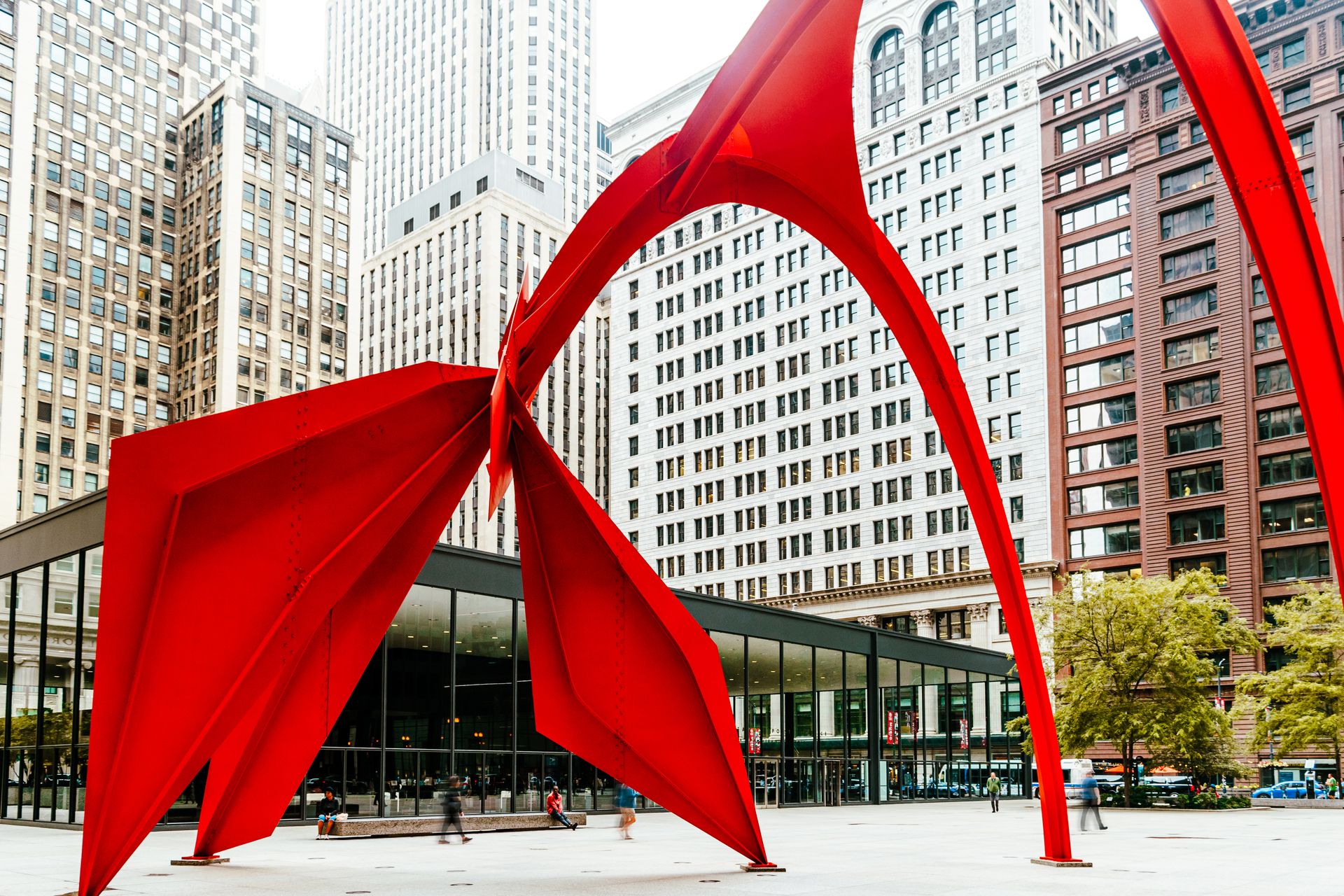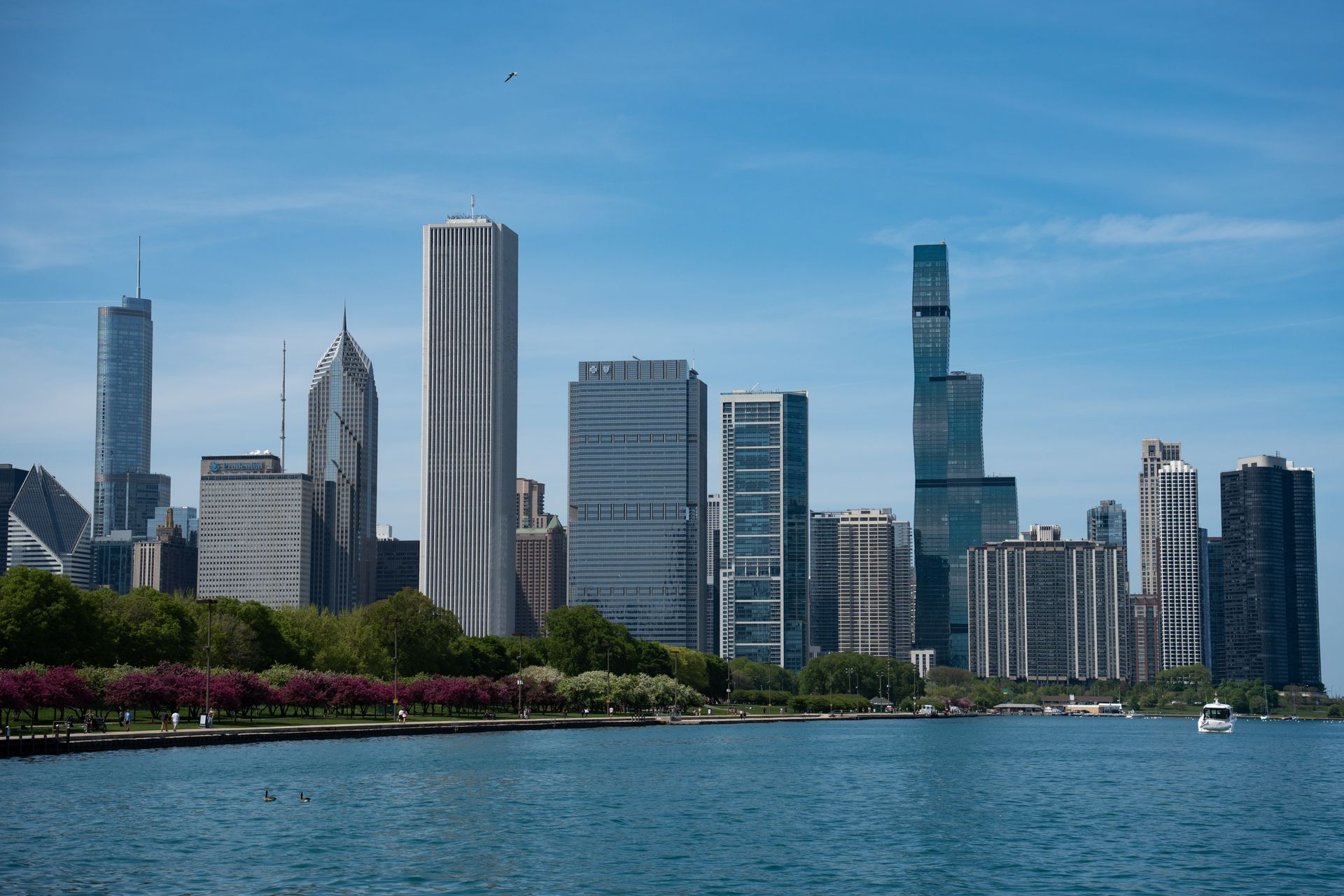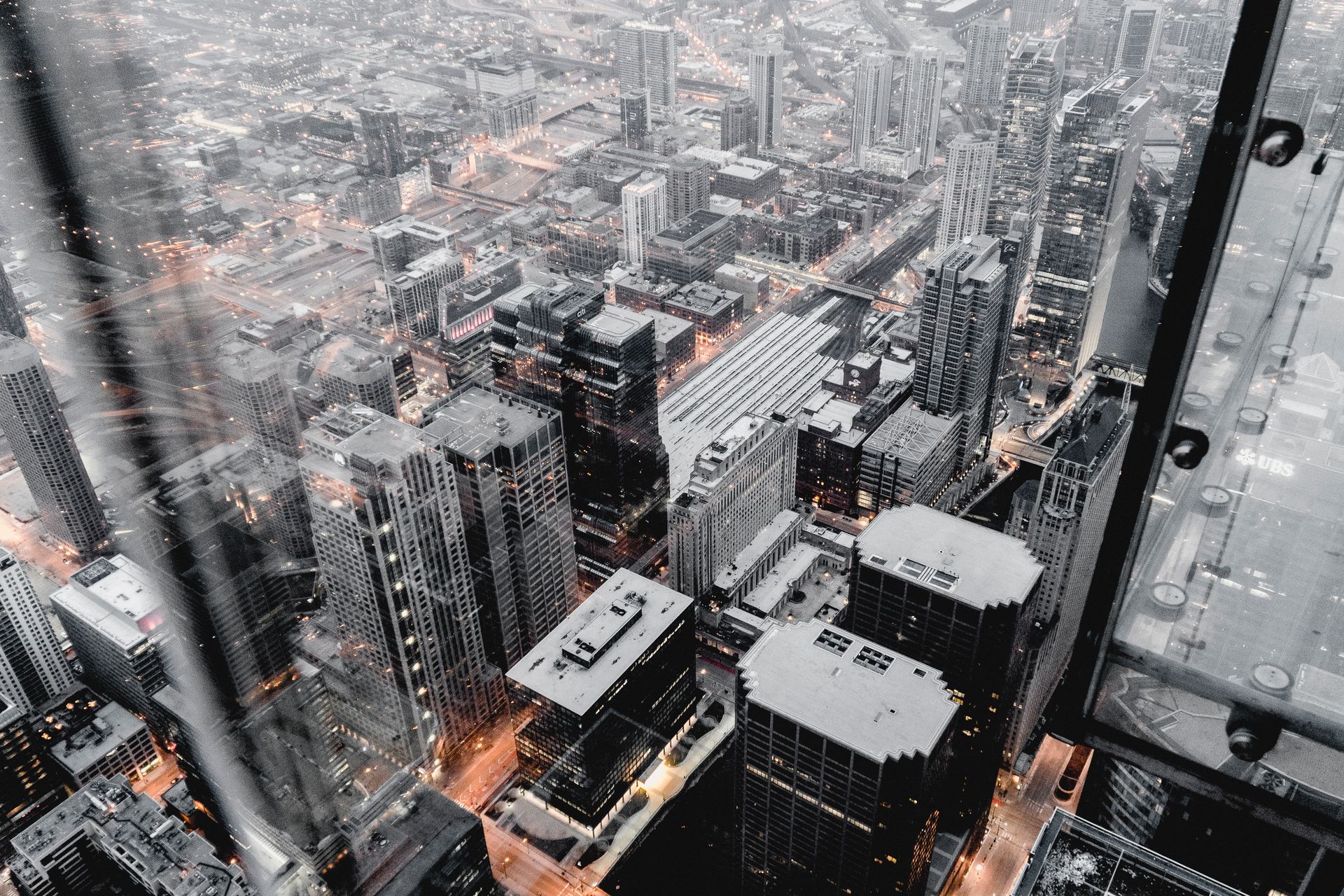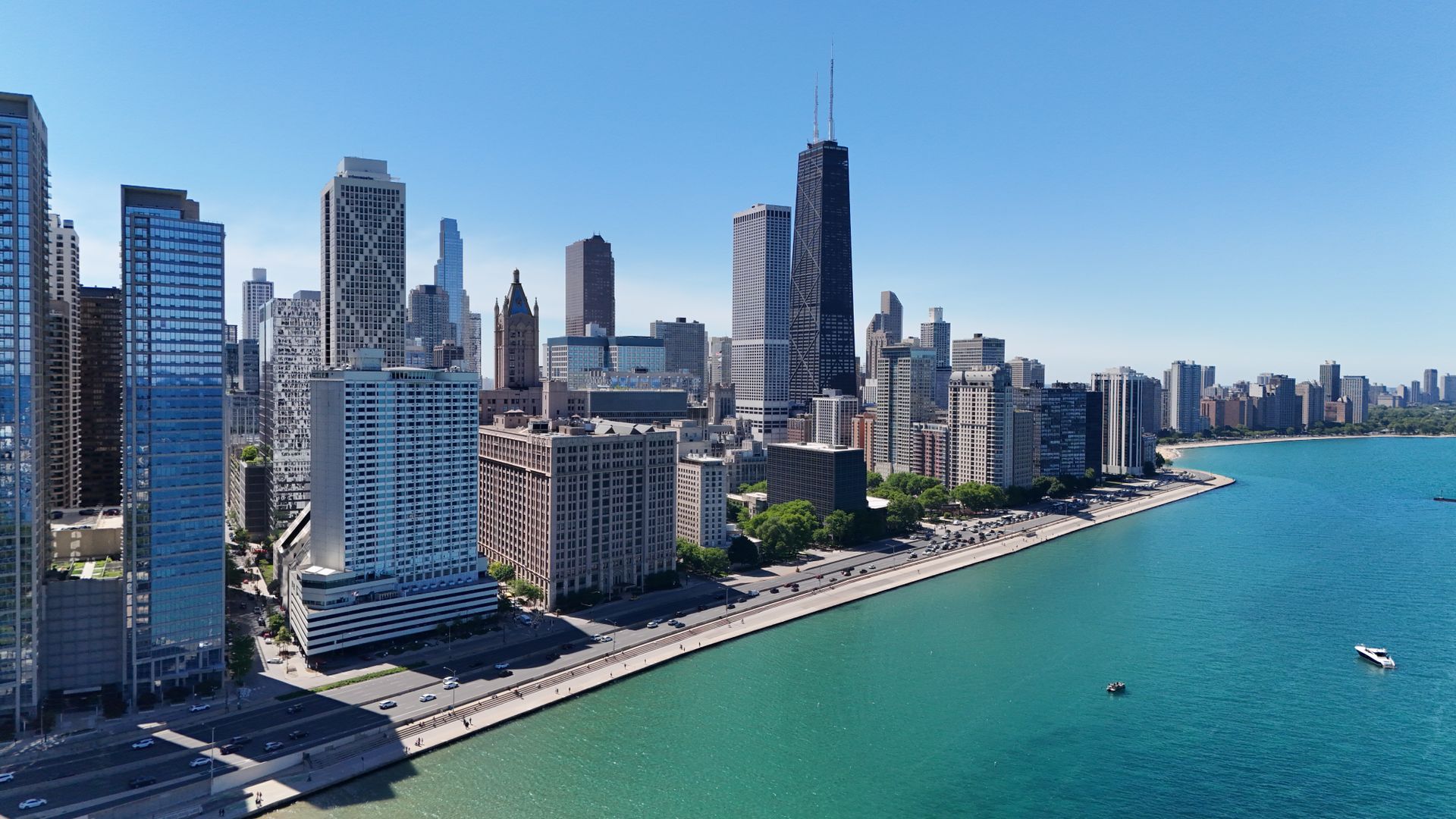
Chicago is safe for tourists in high-traffic areas like the Loop, River North, Lincoln Park, Wicker Park, and along the Magnificent Mile. Most visitors move through these neighborhoods without incident, especially during daytime hours. Parts of the South and West Sides see higher rates of violent crime, and those areas fall outside the typical tourist footprint.
If you need help in Chicago
- Emergency: Call 911
- Non-urgent issue: Call 311
- Suspicious CTA rail activity: Text 7233 (SAFE)
- Mental health crisis: Call 988 Suicide and Crisis Lifeline
Where tourists spend time and what the risk looks like
The Loop, River North, the Magnificent Mile, and Millennium Park draw millions of visitors each year and carry a risk profile closer to any major downtown than to the neighborhoods that dominate Chicago crime statistics. Pickpocketing and phone theft happen, particularly on crowded CTA Red Line platforms and at large events in Grant Park, but violent crime targeting tourists in these corridors is rare.
Lincoln Park, Lakeview, Wicker Park, Bucktown, and the West Loop all see heavy foot traffic from locals and visitors alike. You can walk these neighborhoods at night with reasonable awareness and encounter no problems. The same applies to Hyde Park on the South Side, which anchors the University of Chicago campus and draws visitors to the Museum of Science and Industry.
Neighborhoods like Englewood, Austin, Garfield Park, and parts of North Lawndale have violent crime rates that rank among the highest in the country. These areas are not tourist destinations, and most visitors have no reason to travel there. If you do, go during daylight, stay aware of your surroundings, and keep your phone out of sight.
Chicago neighborhood safety at a glance
| Neighborhood | Safety for tourists | Notes |
|---|---|---|
| The Loop | High | Downtown core, heavy foot traffic, police presence |
| River North | High | Restaurant and nightlife district, well-lit streets |
| Magnificent Mile | High | Michigan Avenue shopping corridor, frequent patrols |
| Lincoln Park | High | Residential and commercial mix, low violent crime |
| Wicker Park / Bucktown | High | Popular with locals, active street life day and night |
| West Loop / Fulton Market | High | Restaurant district, well-trafficked evenings |
| Hyde Park | Moderate | University area, safe near campus, use care at edges |
| Pilsen | Moderate | Arts neighborhood, generally fine during the day |
| Englewood | Low | High violent crime rate, not a tourist area |
| Austin | Low | High violent crime rate, not a tourist area |
| Garfield Park | Low | High violent crime rate, not a tourist area |
CTA rail safety and getting around Chicago
The CTA rail system connects most tourist areas and runs 24 hours on the Red and Blue Lines. The Red Line is the most-used tourist route, linking the North Side (Wrigleyville, Lincoln Park, Lakeview) through the Loop and down to Hyde Park via the Green Line transfer at Roosevelt. The Blue Line runs from O'Hare Airport through the Loop to Forest Park.
Platform theft, particularly phone grabs, happens on the Red Line between the Loop and Howard Street. Keep your phone in a pocket or bag when waiting on the platform, especially late at night. The CTA's text-a-tip line, 7233 (SAFE), lets you report suspicious activity without making a call.
Avoid the Red Line south of Roosevelt late at night if you are unfamiliar with the area. The Green Line passes through neighborhoods with higher crime rates, including parts of the West and South Sides. For late-night travel in those directions, a rideshare is a better option than the train.
Emergency numbers and resources in Chicago
The Chicago Police Department operates 22 districts across the city. For non-emergency police matters, call 311 rather than 911. The 311 line also handles noise complaints, service requests, and questions about city resources.
The nearest hospital to the Loop and River North is Northwestern Memorial Hospital at 251 East Huron Street. For the North Side, Advocate Illinois Masonic Medical Center is at 836 West Wellington Avenue. On the South Side near Hyde Park, the University of Chicago Medical Center operates at 5841 South Maryland Avenue.
If you experience a mental health crisis, call or text 988 to reach the Suicide and Crisis Lifeline. Chicago also operates a mental health crisis line through the city's Department of Public Health at 312-744-5000.
Practical safety habits that work in Chicago
Download the Citizen app before you arrive. It shows real-time incident alerts by location and lets you see what is happening within a few blocks of where you are. The app covers Chicago well and gives you a ground-level picture that no static guide can match.
Use the CTA Train Tracker, available through the Ventra app, to time your arrivals at platforms. Standing on an empty platform for 15 minutes at night is a different experience than stepping onto a train that arrives in two minutes. The Ventra app also loads your transit card so you are not fumbling with cash at a kiosk.
In the Loop and River North, street-level crime spikes around bar closing time, between 2 a.m. and 3 a.m. on weekends. If you are out late, move with a group, stay on well-lit streets, and call a rideshare from inside a bar or restaurant rather than standing on the curb.
Keep a photo of your passport on your phone and store the address of your accommodation in your maps app before you leave your hotel. If your phone is stolen, you can still navigate from any borrowed device.
Official sources for Chicago safety information
- Chicago Police Department: Crime statistics by district, community alerts, and the CLEAR crime map showing incident data by neighborhood.
- Chicago Office of Emergency Management and Communications: Official guidance on city emergencies, weather alerts, and disaster preparedness.
- Chicago Transit Authority: CTA system maps, service alerts, and the 7233 (SAFE) text-a-tip program for reporting suspicious activity on trains and buses.
- Illinois Department of Public Health: Health advisories, hospital directories, and public health emergency information for travelers in Illinois.
Staying safe without overthinking it
Chicago rewards the same street sense you'd use in any large U.S. city: stick to busy, well-lit areas at night, keep valuables out of view on the 'L' and in a parked car, and trust your instincts. The main visitor zones (the Loop, River North, Lincoln Park, Wicker Park, and the Magnificent Mile) stay active into the evening, and a short rideshare is the easy way to skip a quiet stretch after dark.
Things to do in Chicago, by neighborhood
Where to start in each neighborhood, and what’s on there this weekend.
Frequently asked questions
What's the safest area in Chicago for tourists?+
The Loop, River North, and the Magnificent Mile are the safest areas for tourists, with high foot traffic, frequent police presence, and well-lit streets. Lincoln Park and Lakeview are also low-risk and popular with visitors. These neighborhoods cover most of what tourists come to Chicago to see, including Millennium Park, Navy Pier, and the main restaurant and shopping corridors.
Is the CTA safe to use in Chicago?+
The CTA is safe for most trips during daytime and early evening hours. The Red and Blue Lines are the most-used tourist routes and generally fine. Late at night, particularly after midnight on weekends, stay alert on platforms and keep your phone in your pocket. Text 7233 (SAFE) to report anything suspicious without making a call.
What parts of Chicago should tourists avoid?+
Englewood, Austin, Garfield Park, and parts of North Lawndale have high violent crime rates. These neighborhoods are not tourist destinations and fall well outside the areas most visitors have any reason to go. If you are traveling by CTA, the Green Line passes through some of these areas, so a rideshare is a better option for late-night travel on the South and West Sides.
What's the emergency number in Chicago?+
Call 911 for any emergency involving police, fire, or medical help. For non-urgent issues, call 311. If you experience a mental health crisis, call or text 988. The Chicago Police Department's non-emergency line is 312-744-4000 for situations that need a police response but are not life-threatening.
Is Chicago safe at night for tourists?+
Chicago is safe at night in tourist-heavy areas like River North, the West Loop, and Wicker Park, where restaurants and bars keep streets active until late. The risk increases after 2 a.m. when bars close and foot traffic thins. Move in groups, stay on main streets, and use a rideshare rather than walking long distances alone after midnight.