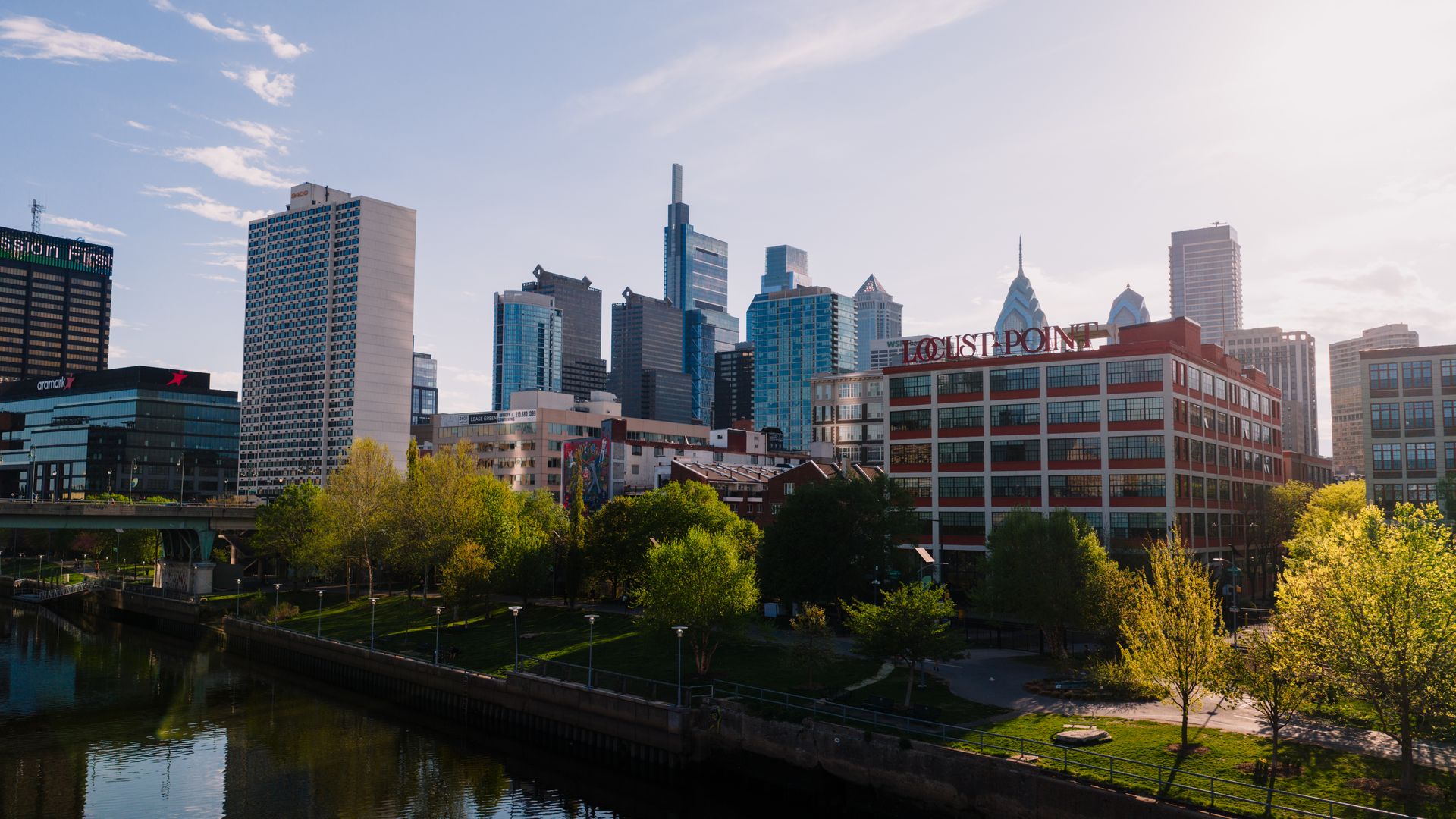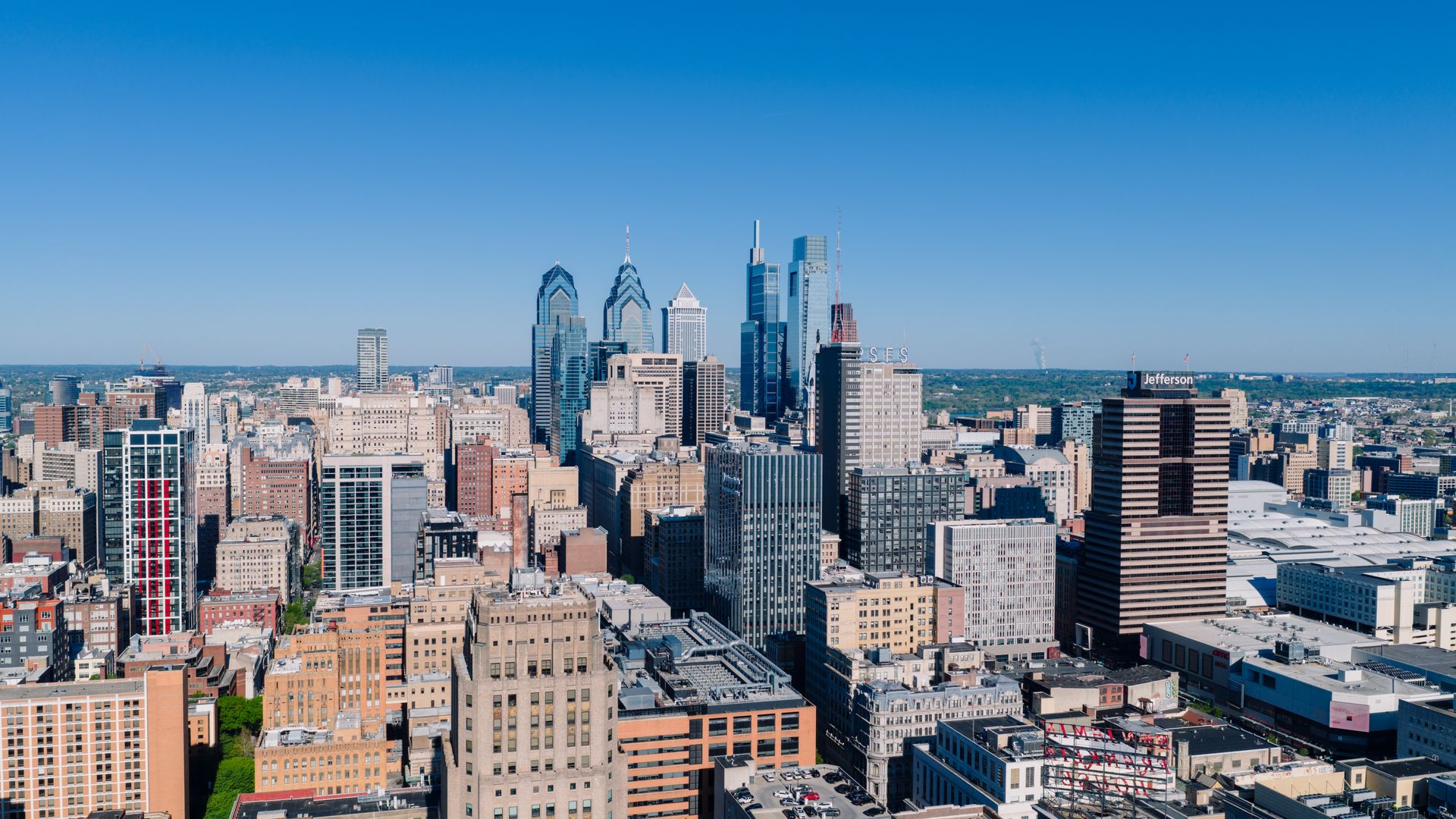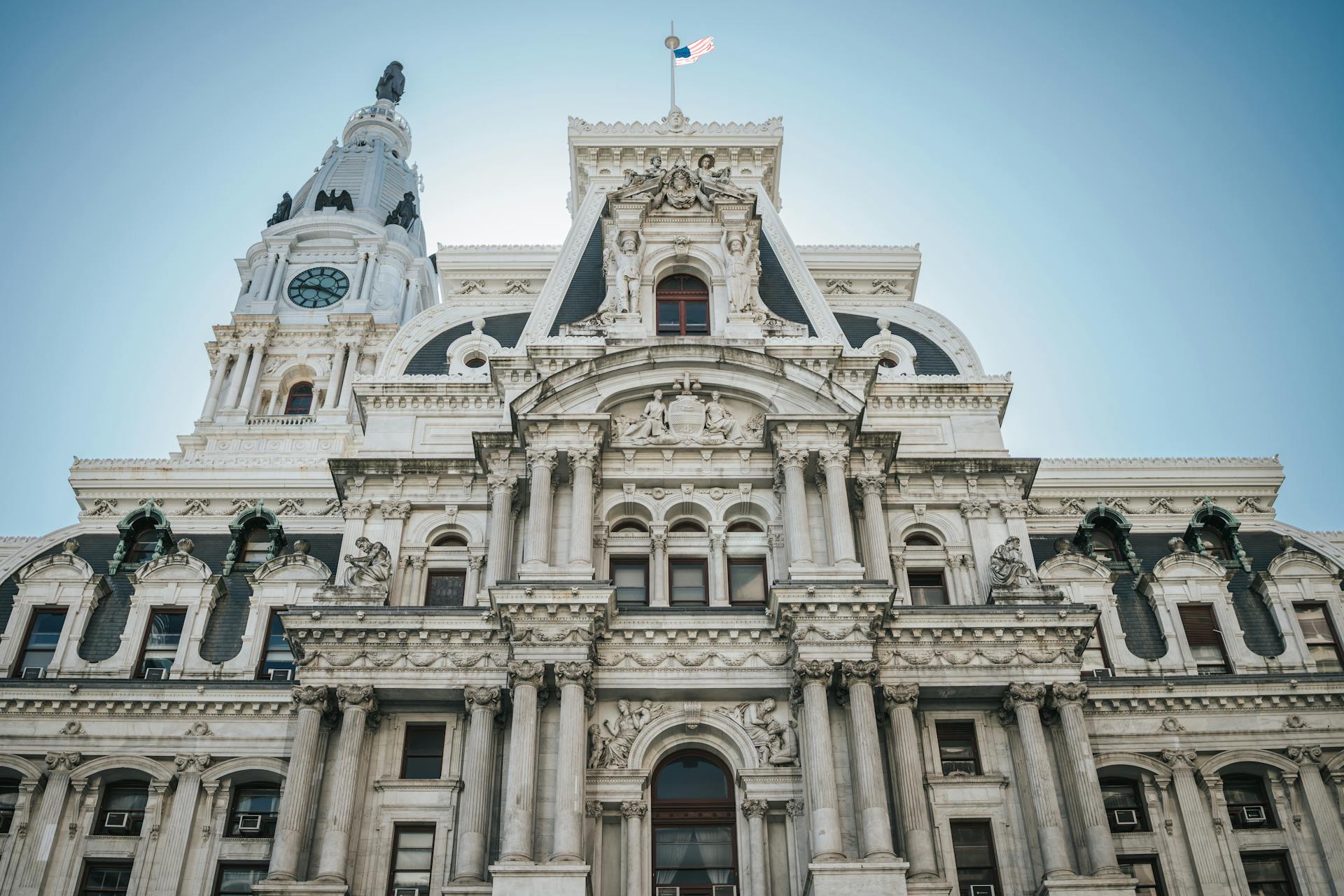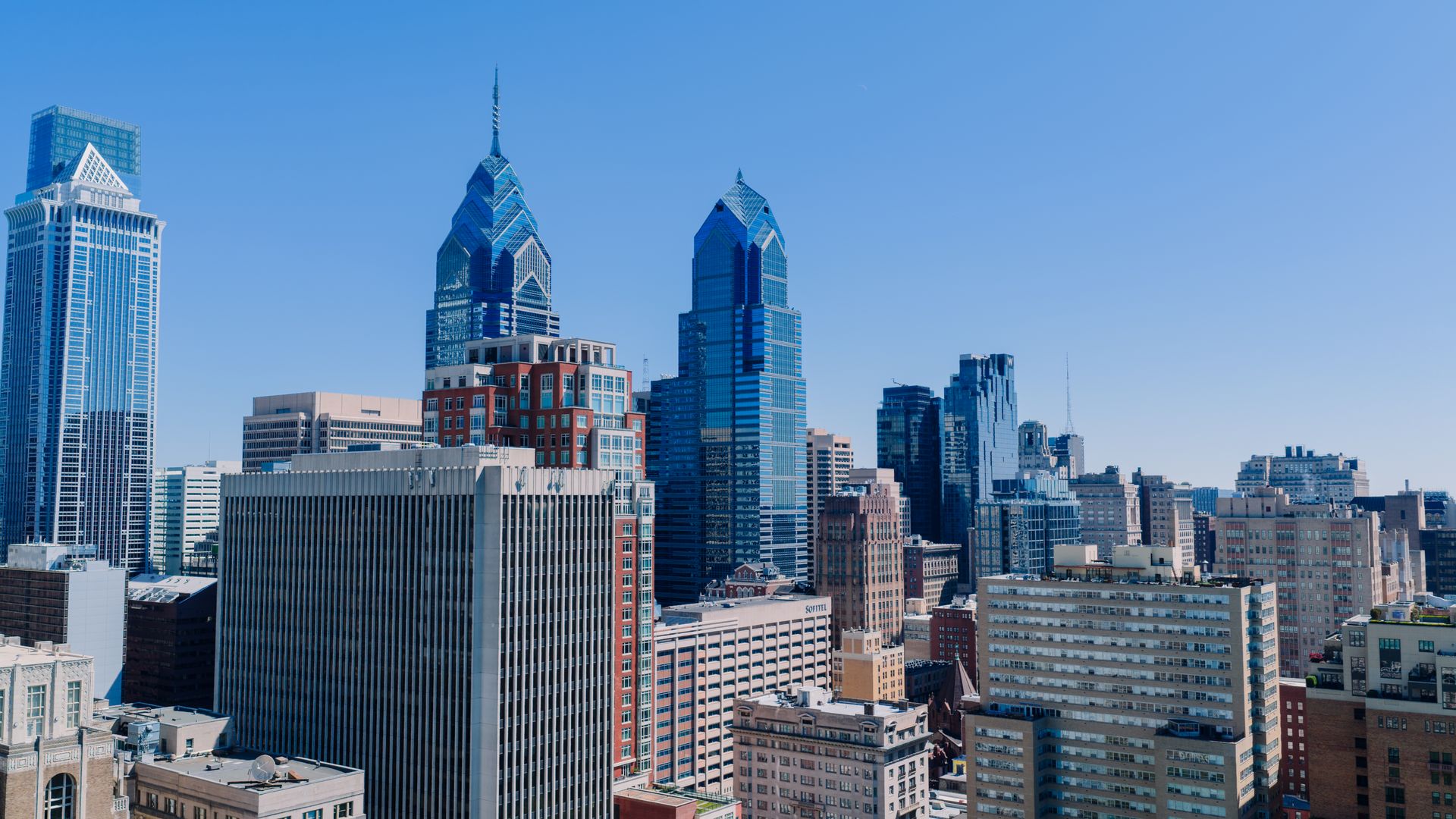
Philadelphia is generally safe for visitors who stay in the busy parts of town: Center City, Old City, Rittenhouse Square and Fishtown. Like any big city, it has neighborhoods where you need more care, and a few you have no reason to visit. Here's where to go, how to ride SEPTA sensibly and who to call if something goes wrong.
If you need help in Philadelphia
- Emergency: Call 911
- Non-urgent issue: Call 311
- Trouble on SEPTA: tell a SEPTA employee or call 911
- Mental health crisis: call or text 988 (Suicide & Crisis Lifeline)
Neighborhoods that are safe and popular with tourists
Center City is the core of Philadelphia and gets the most foot traffic. Reading Terminal Market at 1136 Arch Street and the Pennsylvania Convention Center at 1101 Arch Street are here, and the Philadelphia Museum of Art is at the far end of the Benjamin Franklin Parkway. Streets stay busy into the evening, and the L (Market-Frankford Line) and B (Broad Street Line) connect most of it.
Old City, home to Independence Hall and the Liberty Bell Center, gets heavy tourist traffic and a visible police presence.
Rittenhouse Square draws residents and visitors all day, and the restaurants and cafes around it stay busy well into the evening. Walnut-Locust on the B is the nearest station.
Fishtown has become one of the city's busiest dining and nightlife neighborhoods. It's lively on weekends, but stay aware on quieter side streets late at night. Front-Girard on the L is the main station.
Areas where tourists should exercise more caution
Parts of North Philadelphia, Kensington, and West Philadelphia beyond the University of Pennsylvania area have higher rates of property and street crime. Visitors rarely have a reason to go, but if you do, go in daylight and stay on main streets.
The area around Kensington Avenue has been the center of Philadelphia's opioid crisis for years, and you may see people in visible distress. It isn't a tourist area, and a standard visit won't take you through it.
Even in the safer neighborhoods, keep your phone in your pocket on crowded platforms and don't flash expensive cameras or jewelry.
Neighborhood safety at a glance
| Neighborhood | Tourist traffic | Caution level | Nearest SEPTA access |
|---|---|---|---|
| Center City | Very high | Low | 15th St/City Hall (L, B, T) |
| Old City | Very high | Low | 5th St/Independence Hall (L) |
| Rittenhouse Square | High | Low | Walnut-Locust (B) |
| Fishtown | High | Moderate at night | Front-Girard (L) |
| South Philly (sports complex) | High on event days | Low to moderate | NRG Station (B) |
| North Philadelphia | Low | High | North Philadelphia (B) |
| Kensington | Very low | High | Not recommended for tourists |
Staying safe on SEPTA
SEPTA's Metro is the L (Market-Frankford Line), the B (Broad Street Line), the T (subway-surface trolleys), the G (Route 15 Girard trolley), the D (Media/Sharon Hill lines) and the M (Norristown High Speed Line).
The L runs elevated through West Philadelphia, underground through Center City, then elevated again through Kensington toward Frankford Transit Center. The Kensington stretch passes through neighborhoods with higher crime rates, so keep your belongings close and avoid riding it alone late at night.
If something feels wrong on a train or platform, tell a SEPTA employee or call 911. SEPTA Transit Police patrol stations and trains, and the 15th St/City Hall complex, where the L, B and T meet, usually has officers around.
Each Metro trip costs $2.90. A SEPTA Key card costs $4.95 and saves you carrying cash, and a One Day Convenience Pass costs $7.50 for up to 8 rides that day.
Getting to and from PHL airport safely
The SEPTA Airport Line (Regional Rail) connects the airport with Center City. Trains run every 30 minutes on weekdays, and the fare to Gray 30th St Station, Suburban Station or Jefferson Station is $8.75 with a SEPTA Key or contactless card. Bought on board it's $11.00, so pay before you board.
Taxis to Center City charge a flat $32 for one passenger, plus $1 for each extra passenger, picked up at Zone 5. Uber and Lyft pick up at Ride App/Zone 7. If you need to stay at the airport, the Philadelphia Airport Marriott is connected to Terminal B.
For most travelers the Airport Line is the simplest option: it runs from early morning to after midnight and drops you right in Center City.
Hospitals and emergency medical care
Philadelphia has several major hospitals in or near the tourist core. Call 911 in any medical emergency.
Thomas Jefferson University Hospital is at 111 South 11th Street, phone 215-955-6000. It's between Center City and Old City, so it's the closest option for most visitors.
Pennsylvania Hospital is at 800 Spruce Street, phone 215-829-3000.
Hospital of the University of Pennsylvania is at 3400 Spruce Street, phone 215-662-4000. From Center City, take Regional Rail to Penn Medicine Station, the closest stop.
Penn Presbyterian Medical Center is at 51 N. 39th Street, phone 215-662-8000.
Temple University Hospital is at 3401 N. Broad Street, phone 215-707-2000.
Children's Hospital of Philadelphia is at 3401 Civic Center Blvd, phone 215-590-1000.
For directions to each hospital and urgent care options, see our guide to medical help in Philadelphia.
Pharmacies in Philadelphia
CVS and Walgreens both have Center City locations. If you need a 24-hour pharmacy, check each chain's store locator for current hours, since not every branch is open around the clock.
Practical safety tips for Philadelphia visitors
- Use the SEPTA app to plan routes and check service before you set out.
- 15th St/City Hall, where the L, B and T all meet, is busy and well patrolled, but watch your pockets at rush hour.
- Save 911 and 988 (Suicide & Crisis Lifeline) in your phone before you need them.
- Taxis from PHL's Zone 5 to Center City charge a flat $32 for one passenger, plus $1 for each extra passenger. Check the fare with the driver before you set off.
Frequently asked questions
What's the safest area of Philadelphia for tourists?+
Center City, Old City, and Rittenhouse Square are the safest and most tourist-friendly parts of the city. They have high foot traffic, good transit access, and a visible police presence. Fishtown is also popular and generally safe, though quieter side streets late at night warrant more awareness.
What's the emergency number in Philadelphia?+
Call 911 for any emergency: medical, fire or police. For non-urgent city issues, call 311. In a mental health crisis, call or text 988.
Is SEPTA safe to use as a tourist?+
Yes, for most tourist trips, especially on the B (Broad Street Line) and the central stations of the L (Market-Frankford Line). The elevated stretch of the L through Kensington passes higher-crime areas, so stay alert there. If something worries you, tell a SEPTA employee or call 911.
How much does a taxi from Philadelphia airport to Center City cost?+
Taxis from PHL to Center City charge a flat $32 for one passenger, plus $1 for each extra passenger, picked up at Zone 5. Uber and Lyft use Ride App/Zone 7. The SEPTA Airport Line costs $8.75 with a SEPTA Key or contactless card, with trains every 30 minutes on weekdays.
Which Philadelphia neighborhoods should tourists avoid?+
Kensington and parts of North Philadelphia have higher crime rates and aren't tourist areas, so most visitors have no reason to go. If you do, stick to daylight hours and main streets. The Kensington Avenue corridor in particular has serious safety problems tied to the opioid crisis.
What's the nearest hospital to Center City Philadelphia?+
Thomas Jefferson University Hospital at 111 South 11th Street is the closest major hospital to Center City and Old City (215-955-6000 for non-emergencies; call 911 in an emergency). Pennsylvania Hospital at 800 Spruce Street is also close to the tourist core.