

Most Walkable Neighborhoods in Portland for Car-Free Travel
Portland is one of the most walkable cities in the US, with a city-wide Walk Score of 67 and several neighborhoods that score in the mid-to-high 90s. For visitors, that means staying in the right neighborhood and not needing a car — not just for getting to a restaurant, but for most of what you'd want to do during a trip. The neighborhoods below cover the best options and what makes each one worth considering.
Quick Answer: Most Walkable Neighborhoods in Portland
- Highest Walk Score: Pearl District and Old Town Chinatown — both score around 97
- Best for visitors: Pearl District, Downtown, Northwest District
- Best for food and nightlife: Hawthorne, Alberta Arts District, Pearl District
- Best public transit access: Downtown, Lloyd District, Pearl District (MAX and Portland Streetcar)
- Can you visit Portland without a car? Yes — the MAX light rail, Portland Streetcar, and bus network cover the city's most visited areas
Pearl District — Walk Score 97
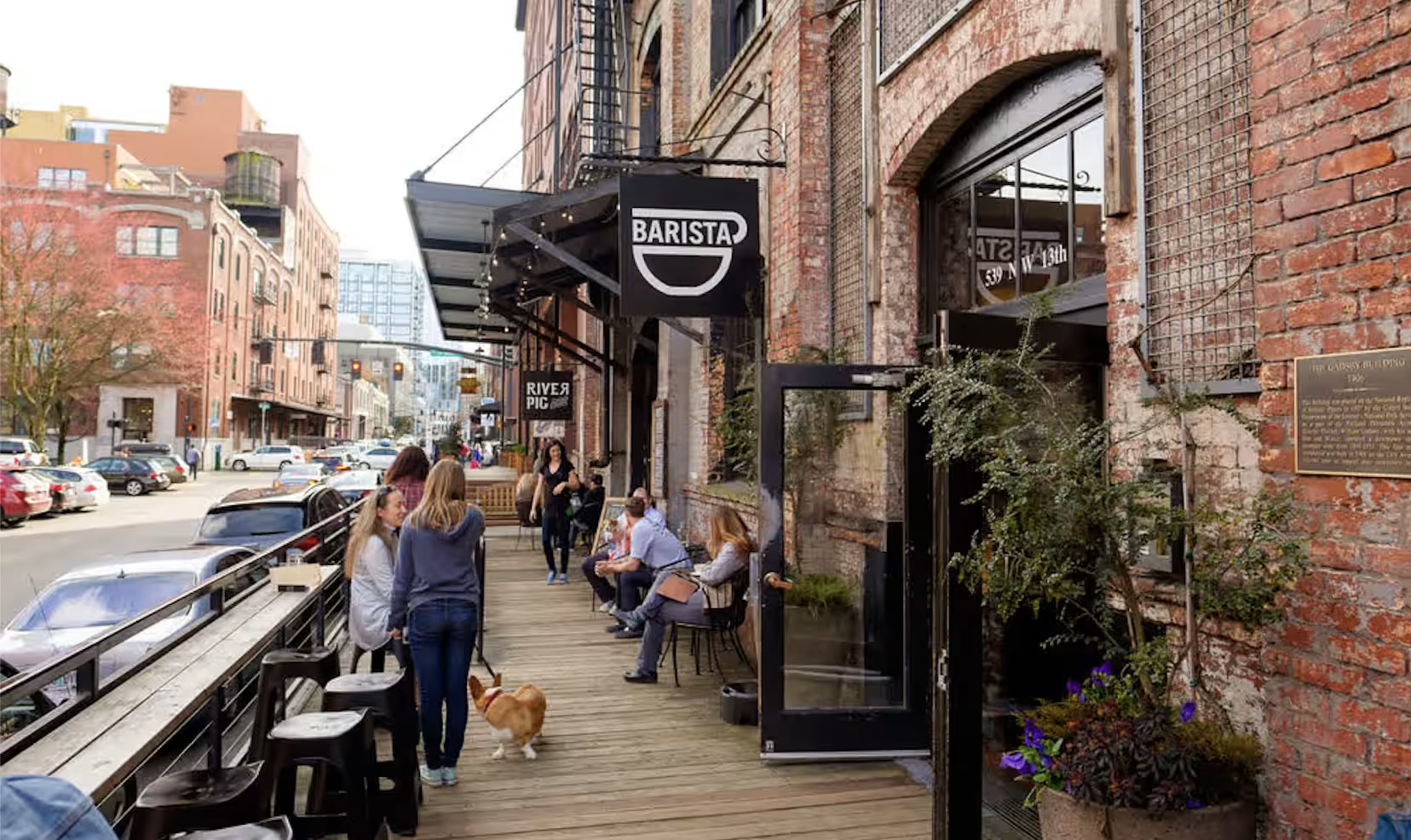
The Pearl District is one of the most walkable neighborhoods in Portland, scoring around 97 on Walk Score. It's a former industrial area north of Downtown that's now a dense urban neighborhood with upscale condos, galleries, breweries, and some of the city's best restaurants and bars within easy walking distance.
For visitors, the Pearl is the most convenient base in the city. Powell's City of Books — the largest independent bookstore in the US — is here, along with Tanner Springs Park, Jamison Square, and easy access to the Portland Streetcar, which connects the neighborhood to Downtown, the Lloyd District, and the South Park Blocks. The streets are wide, well-lit, and pedestrian-friendly throughout.
Old Town Chinatown — Walk Score 97
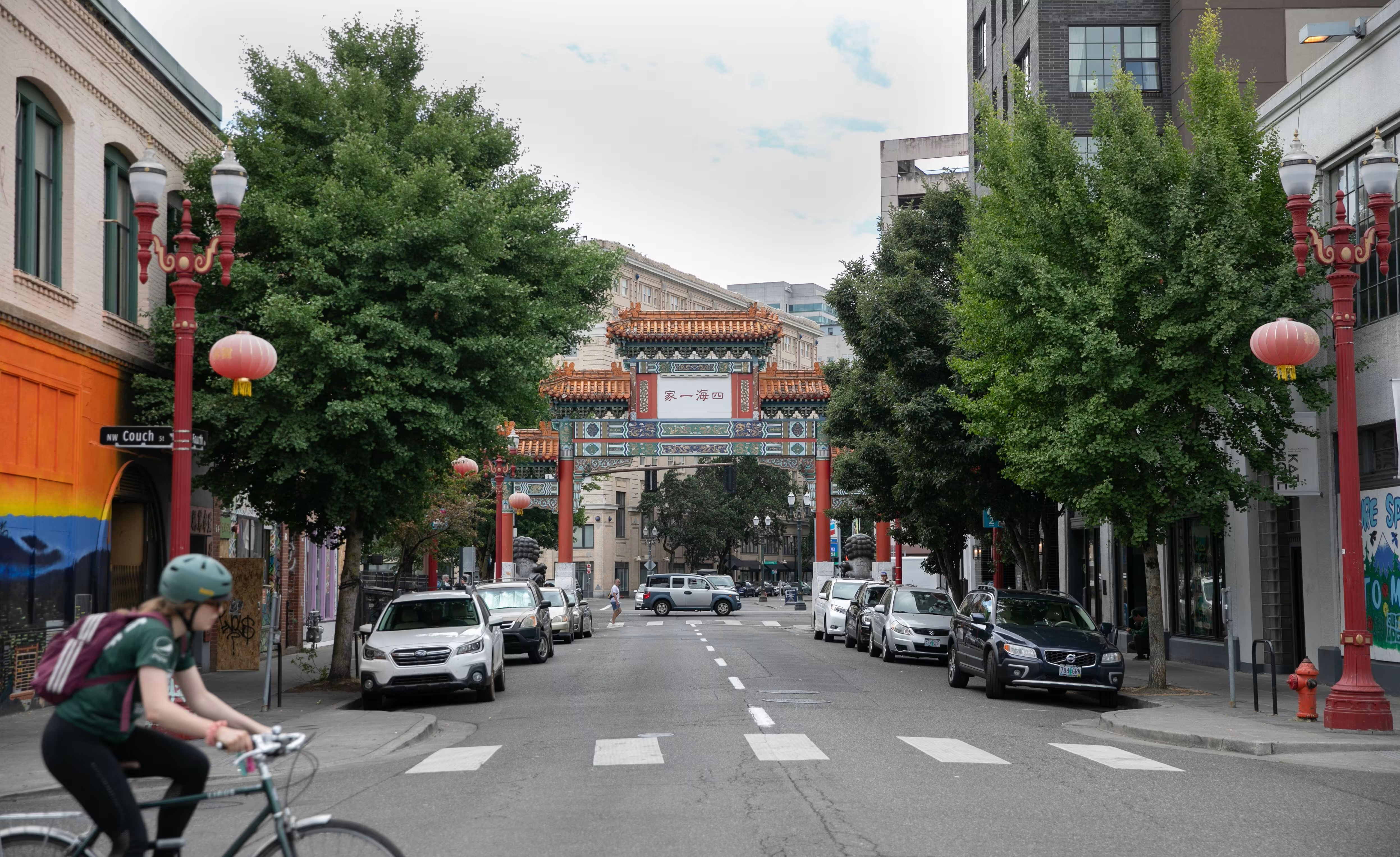
Old Town Chinatown ties the Pearl District at around 97 and borders it to the south along the Willamette River waterfront. It's a denser, grittier, more historically textured neighborhood — one of the oldest parts of the city, with a history that includes the Shanghai Tunnels, an underground network beneath the streets that is open for guided tours, though historians debate some of the more colorful claims attached to them.
The neighborhood has an active nightlife scene: small concert halls, bars, and clubs concentrated in a compact area. The Saturday Market — which describes itself as the largest continuously operated outdoor arts and crafts market in the US — runs Saturdays and Sundays from March through Christmas and is a short walk from most addresses in the neighborhood. Old Town suits visitors who want to be close to the energy of Portland's historic core and don't need the polish of the Pearl.
Downtown Portland — Walk Score 95

Downtown Portland scores 95 and is the most practical all-around base for first-time visitors. Everything is close together: the Portland Art Museum, Pioneer Courthouse Square, the Tom McCall Waterfront Park along the Willamette River, and a well-known food cart scene. Portland State University's campus adds foot traffic and street-level energy along the South Park Blocks.
The MAX light rail runs through Downtown in multiple directions, the Portland Streetcar connects to the Pearl and Lloyd Districts, and most major bus routes pass through. If you want to take day trips to other neighborhoods, Downtown puts you at the center of the transit network. The tradeoff compared to the Pearl or Hawthorne is that Downtown has more office buildings than neighborhood character — it's more functional than charming.
Northwest District (Nob Hill / Alphabet District) — Walk Score 93
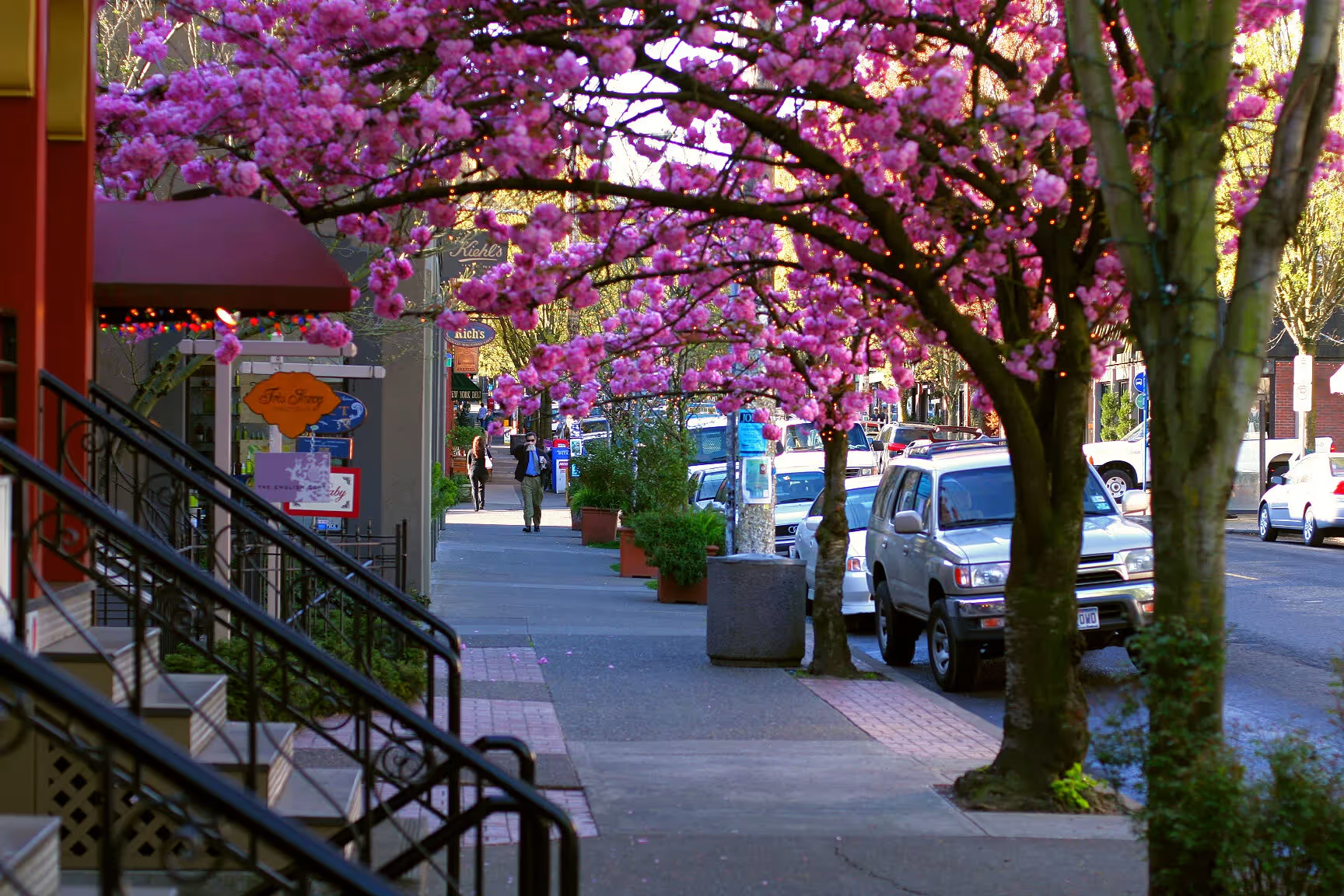
The Northwest District, also called Nob Hill or the Alphabet District, runs along NW 23rd and NW 21st Avenues north of Downtown. The streets are lined with independent boutiques, coffee shops, and restaurants in Victorian-era buildings — a walkable commercial strip that feels distinctly Portland. Salt & Straw, one of the most popular ice cream shops in the Pacific Northwest, started here.
Forest Park, one of the largest urban forests in the US at more than 5,200 acres, borders the neighborhood to the west. The trail network is extensive and accessible on foot from most addresses in the district. The Portland Streetcar runs along the edge of the neighborhood, connecting it to Downtown and the Pearl in around 10 minutes. It's slightly less connected to the MAX system than Downtown or the Pearl, but for a visitor spending most of their time on foot, that rarely matters.
Hawthorne — Walk Score Around 90

Hawthorne is Southeast Portland's most visited commercial strip. SE Hawthorne Boulevard runs for several blocks lined with vintage clothing shops, bookstores, independent restaurants, bars, and cafes — all on flat, easy-to-navigate terrain you can cover on foot in an afternoon.
The Bagdad Theater, a McMenamins venue in a 1927 movie palace, anchors the strip. The neighborhood is more residential than the Pearl or Downtown, which gives it a quieter feel that many visitors prefer over a hotel district. Bus lines 14 and 51 connect Hawthorne to Downtown in around 20 minutes. It's not on the MAX, but the flat terrain makes walking and cycling easy throughout.
Alberta Arts District — Walk Score Upper 80s
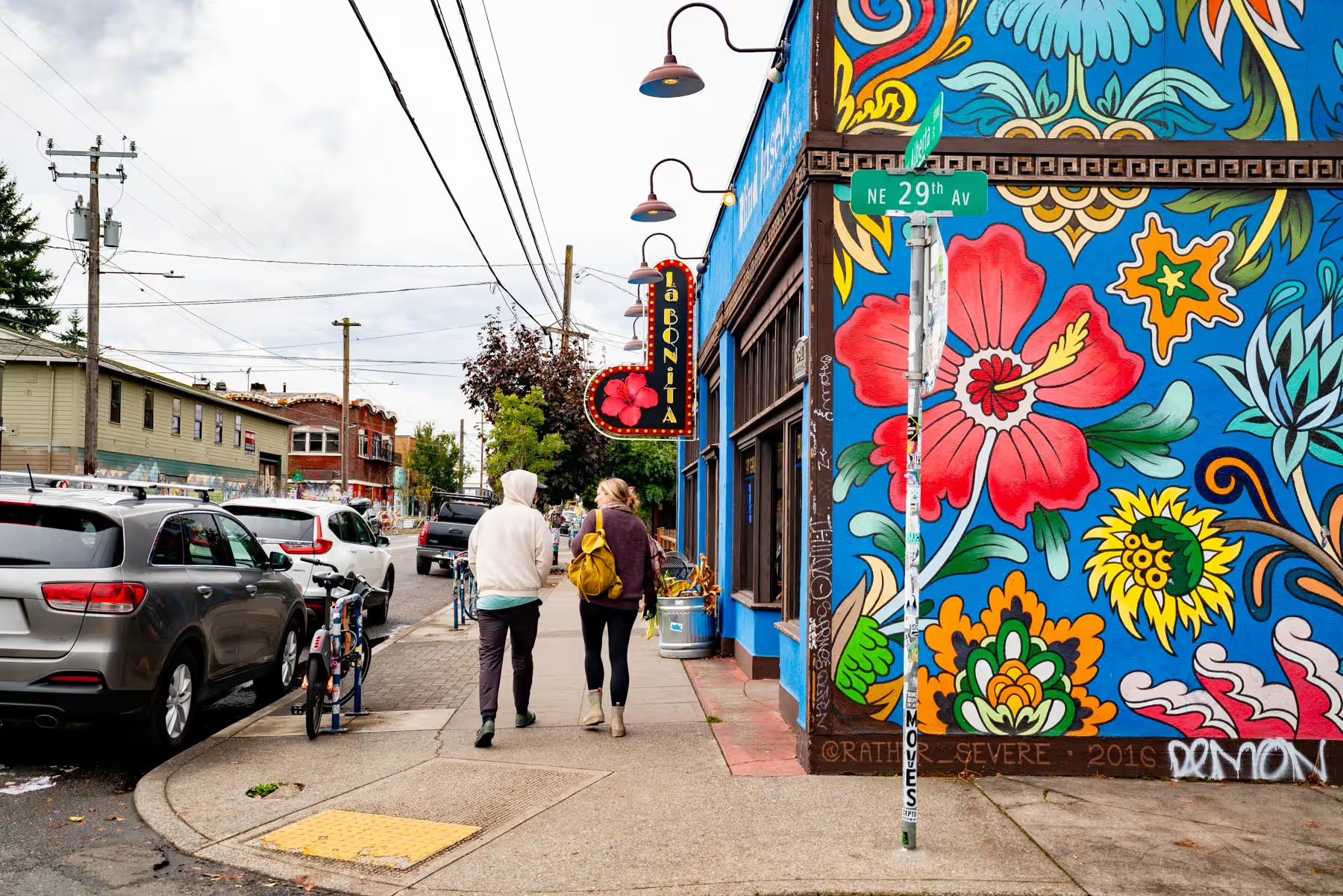
Alberta Arts District in Northeast Portland centers on NE Alberta Street, a walkable corridor with art galleries, food carts, independent restaurants, and bars. Last Thursday — a monthly street fair held on the last Thursday of each month from May through September — closes the street to cars and draws vendors and performers from across the city.
It's a more residential neighborhood than the Pearl or Downtown, but the street-level density of NE Alberta makes it one of the more enjoyable areas to walk in the city. Bus lines connect to Downtown in around 25 minutes. For visitors who want somewhere with genuine neighborhood character rather than a hotel district, Alberta is worth the slight transit inconvenience.
Lloyd District — Walk Score 92

The Lloyd District sits directly across the Willamette River from Downtown, connected by the Steel Bridge and the MAX Yellow and Green lines. It's a mixed commercial and residential neighborhood built around Lloyd Center mall, the Moda Center (home of the Portland Trail Blazers), and a growing number of restaurants and shops.
For visitors attending events at the Moda Center, the Lloyd District is the most practical base. The MAX connection to Downtown takes around 5 minutes, and the Portland Streetcar also passes through. It's less characterful than the Pearl or Hawthorne, but the transit access is excellent and hotel rates tend to be lower than the inner-west neighborhoods.
Can You Visit Portland Without a Car?
Yes, without much difficulty if you stay in one of the neighborhoods above. Portland's transit network covers the walkable core well:
- MAX Light Rail has five lines — Blue, Red, Green, Yellow, and Orange — connecting Downtown to the airport, north Portland, east Portland, and Beaverton. The TriMet trip planner covers all MAX and bus routes.
- Portland Streetcar runs two lines connecting the Pearl District, Northwest District, Lloyd District, and South Waterfront
- Bus network is extensive through the inner neighborhoods, with frequent service on most major corridors
- Cycling is well-supported across the city — Portland has an extensive network of protected bike lanes and the Biketown bikeshare covers most of the walkable neighborhoods
The neighborhoods least suited to car-free visits are in outer Southeast and East Portland, where distances are longer and bus frequency drops off. For most visitors spending time in the inner neighborhoods covered above, a car adds no practical value.
Where to Stay in Portland's Most Walkable Neighborhoods
The Pearl District and Downtown have the highest concentration of visitor-oriented hotels and the best overall walkability scores. The Northwest District and Hawthorne have a smaller hotel footprint but more neighborhood character. Every Dyme booking helps fund clean energy projects, including solar installations for schools and hospitals that give communities access to cheaper, cleaner electricity.
Find Portland Hotels on Dyme →
Table of Contents
Most Walkable Neighborhoods in Portland for Car-Free Travel
Portland is one of the most walkable cities in the US, with a city-wide Walk Score of 67 and several neighborhoods that score in the mid-to-high 90s. For visitors, that means staying in the right neighborhood and not needing a car — not just for getting to a restaurant, but for most of what you'd want to do during a trip. The neighborhoods below cover the best options and what makes each one worth considering.
Quick Answer: Most Walkable Neighborhoods in Portland
- Highest Walk Score: Pearl District and Old Town Chinatown — both score around 97
- Best for visitors: Pearl District, Downtown, Northwest District
- Best for food and nightlife: Hawthorne, Alberta Arts District, Pearl District
- Best public transit access: Downtown, Lloyd District, Pearl District (MAX and Portland Streetcar)
- Can you visit Portland without a car? Yes — the MAX light rail, Portland Streetcar, and bus network cover the city's most visited areas
Pearl District — Walk Score 97
The Pearl District is one of the most walkable neighborhoods in Portland, scoring around 97 on Walk Score. It's a former industrial area north of Downtown that's now a dense urban neighborhood with upscale condos, galleries, breweries, and some of the city's best restaurants and bars within easy walking distance.
For visitors, the Pearl is the most convenient base in the city. Powell's City of Books — the largest independent bookstore in the US — is here, along with Tanner Springs Park, Jamison Square, and easy access to the Portland Streetcar, which connects the neighborhood to Downtown, the Lloyd District, and the South Park Blocks. The streets are wide, well-lit, and pedestrian-friendly throughout.
Old Town Chinatown — Walk Score 97
Old Town Chinatown ties the Pearl District at around 97 and borders it to the south along the Willamette River waterfront. It's a denser, grittier, more historically textured neighborhood — one of the oldest parts of the city, with a history that includes the Shanghai Tunnels, an underground network beneath the streets that is open for guided tours, though historians debate some of the more colorful claims attached to them.
The neighborhood has an active nightlife scene: small concert halls, bars, and clubs concentrated in a compact area. The Saturday Market — which describes itself as the largest continuously operated outdoor arts and crafts market in the US — runs Saturdays and Sundays from March through Christmas and is a short walk from most addresses in the neighborhood. Old Town suits visitors who want to be close to the energy of Portland's historic core and don't need the polish of the Pearl.
Downtown Portland — Walk Score 95
Downtown Portland scores 95 and is the most practical all-around base for first-time visitors. Everything is close together: the Portland Art Museum, Pioneer Courthouse Square, the Tom McCall Waterfront Park along the Willamette River, and a well-known food cart scene. Portland State University's campus adds foot traffic and street-level energy along the South Park Blocks.
The MAX light rail runs through Downtown in multiple directions, the Portland Streetcar connects to the Pearl and Lloyd Districts, and most major bus routes pass through. If you want to take day trips to other neighborhoods, Downtown puts you at the center of the transit network. The tradeoff compared to the Pearl or Hawthorne is that Downtown has more office buildings than neighborhood character — it's more functional than charming.
Northwest District (Nob Hill / Alphabet District) — Walk Score 93
The Northwest District, also called Nob Hill or the Alphabet District, runs along NW 23rd and NW 21st Avenues north of Downtown. The streets are lined with independent boutiques, coffee shops, and restaurants in Victorian-era buildings — a walkable commercial strip that feels distinctly Portland. Salt & Straw, one of the most popular ice cream shops in the Pacific Northwest, started here.
Forest Park, one of the largest urban forests in the US at more than 5,200 acres, borders the neighborhood to the west. The trail network is extensive and accessible on foot from most addresses in the district. The Portland Streetcar runs along the edge of the neighborhood, connecting it to Downtown and the Pearl in around 10 minutes. It's slightly less connected to the MAX system than Downtown or the Pearl, but for a visitor spending most of their time on foot, that rarely matters.
Hawthorne — Walk Score Around 90
Hawthorne is Southeast Portland's most visited commercial strip. SE Hawthorne Boulevard runs for several blocks lined with vintage clothing shops, bookstores, independent restaurants, bars, and cafes — all on flat, easy-to-navigate terrain you can cover on foot in an afternoon.
The Bagdad Theater, a McMenamins venue in a 1927 movie palace, anchors the strip. The neighborhood is more residential than the Pearl or Downtown, which gives it a quieter feel that many visitors prefer over a hotel district. Bus lines 14 and 51 connect Hawthorne to Downtown in around 20 minutes. It's not on the MAX, but the flat terrain makes walking and cycling easy throughout.
Alberta Arts District — Walk Score Upper 80s
Alberta Arts District in Northeast Portland centers on NE Alberta Street, a walkable corridor with art galleries, food carts, independent restaurants, and bars. Last Thursday — a monthly street fair held on the last Thursday of each month from May through September — closes the street to cars and draws vendors and performers from across the city.
It's a more residential neighborhood than the Pearl or Downtown, but the street-level density of NE Alberta makes it one of the more enjoyable areas to walk in the city. Bus lines connect to Downtown in around 25 minutes. For visitors who want somewhere with genuine neighborhood character rather than a hotel district, Alberta is worth the slight transit inconvenience.
Lloyd District — Walk Score 92
The Lloyd District sits directly across the Willamette River from Downtown, connected by the Steel Bridge and the MAX Yellow and Green lines. It's a mixed commercial and residential neighborhood built around Lloyd Center mall, the Moda Center (home of the Portland Trail Blazers), and a growing number of restaurants and shops.
For visitors attending events at the Moda Center, the Lloyd District is the most practical base. The MAX connection to Downtown takes around 5 minutes, and the Portland Streetcar also passes through. It's less characterful than the Pearl or Hawthorne, but the transit access is excellent and hotel rates tend to be lower than the inner-west neighborhoods.
Can You Visit Portland Without a Car?
Yes, without much difficulty if you stay in one of the neighborhoods above. Portland's transit network covers the walkable core well:
- MAX Light Rail has five lines — Blue, Red, Green, Yellow, and Orange — connecting Downtown to the airport, north Portland, east Portland, and Beaverton. The TriMet trip planner covers all MAX and bus routes.
- Portland Streetcar runs two lines connecting the Pearl District, Northwest District, Lloyd District, and South Waterfront
- Bus network is extensive through the inner neighborhoods, with frequent service on most major corridors
- Cycling is well-supported across the city — Portland has an extensive network of protected bike lanes and the Biketown bikeshare covers most of the walkable neighborhoods
The neighborhoods least suited to car-free visits are in outer Southeast and East Portland, where distances are longer and bus frequency drops off. For most visitors spending time in the inner neighborhoods covered above, a car adds no practical value.
Where to Stay in Portland's Most Walkable Neighborhoods
The Pearl District and Downtown have the highest concentration of visitor-oriented hotels and the best overall walkability scores. The Northwest District and Hawthorne have a smaller hotel footprint but more neighborhood character. Every Dyme booking helps fund clean energy projects, including solar installations for schools and hospitals that give communities access to cheaper, cleaner electricity.
Find Portland Hotels on Dyme →