What to Know Before Flying to the 2026 World Cup: Visas, TSA and Border Tips
The 2026 FIFA World Cup runs June 11 through July 19 across 16 cities in the United States, Canada, and Mexico. Three countries, one summer, and a travel infrastructure under strain.
Visa processing delays are hitting from multiple directions, TSA security lines are at historic highs, and baggage logistics between cities are a real planning problem. None of it is insurmountable. Sort it out now, not at the gate.
Entry Permits for the 2026 World Cup
All three host countries have their own entry rules, and which one applies depends on your passport. Here's what to know before you book flights.
.avif)
United States: FIFA Prioritised Visa Scheduling and Wait Times
For travelers who need a B1/B2 visitor visa to enter the United States, the FIFA Prioritised Appointment Scheduling System lets confirmed ticket-holders bypass some of the standard wait-time queue. The FIFA official visa and travel page covers requirements for all three host countries and links to the scheduling system directly. "Prioritised" means different things at different posts, though: appointment wait times at individual consulates still range from a few days to over a year depending on where you apply from. Some posts have extended timelines well beyond the tournament window. If you haven't applied yet and need a US visa, apply today, not next week.
Canada: eTA vs Visa and Processing Delays
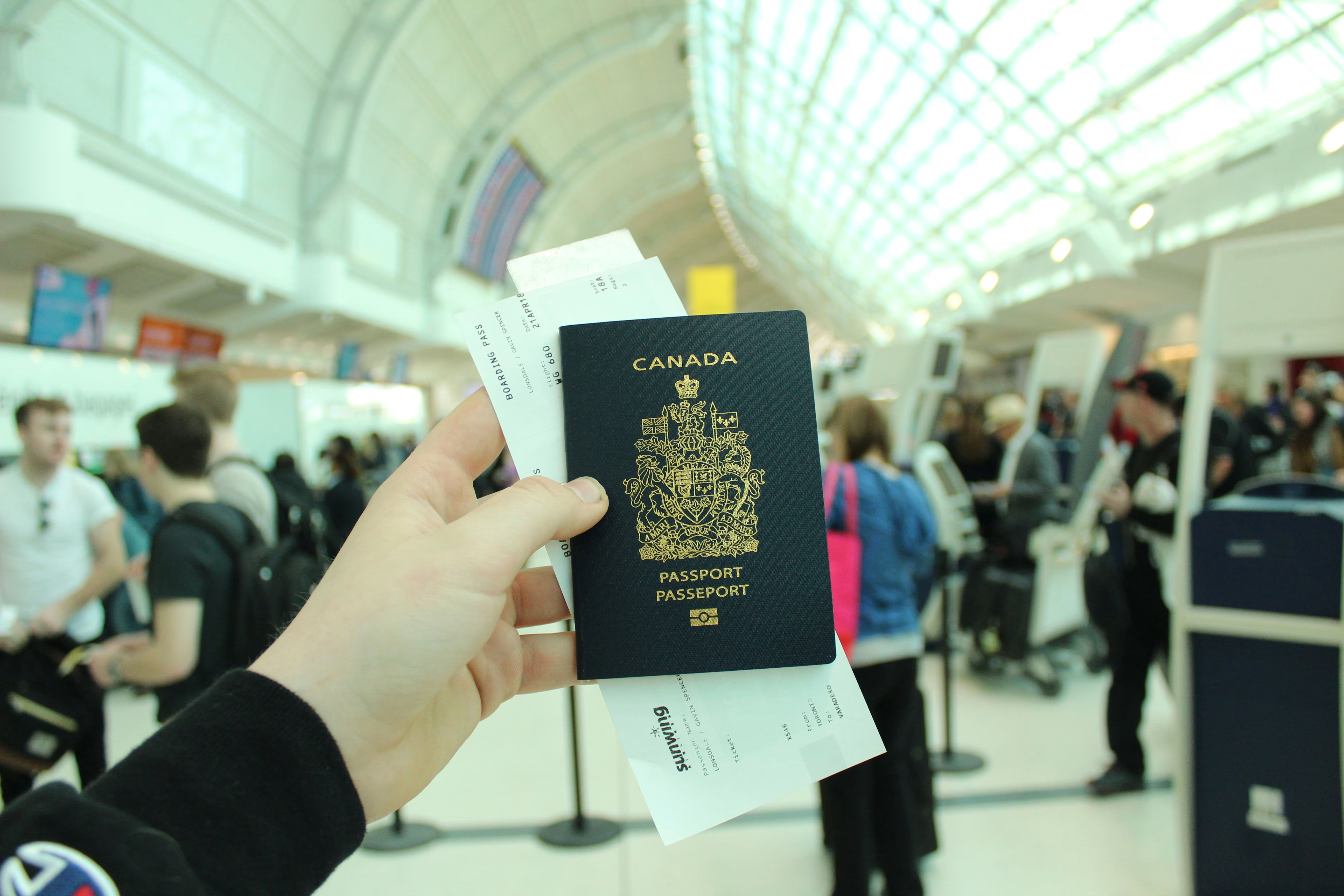
Travelers from visa-exempt countries flying into Canada need an Electronic Travel Authorization (eTA), which costs CAD $7 and is typically approved within minutes. Apply at the official Canada.ca eTA page before booking your flights. Travelers who need a full visitor visa face a harder road: IRCC staffing was reduced ahead of the surge in World Cup applications, and processing times have lengthened. Applicants from Côte d'Ivoire now face 292-day queues, and those from Senegal wait 203 days. IRCC notes that holding a FIFA ticket does not guarantee approval.
Mexico: Digital Entry Process and Requirements
Mexico issues entry permits digitally at the border, so there's no paper FMM form to fill out in advance. Most nationalities can enter Mexico without a visa. When you land, immigration officers review your passport, accommodation confirmation, and itinerary, then issue your FMM electronically. Mexican immigration typically authorizes tourist stays for up to 180 days. Bring proof of accommodation and your match tickets. Inspectors do check.
Airport Security and TSA Wait Times for World Cup Travel
TSA staffing is in crisis and the timing overlaps directly with the World Cup. More than 480 TSA officers resigned during a DHS funding lapse, and the agency's acting administrator told lawmakers that wait times have already exceeded 4.5 hours at some checkpoints, the highest in TSA history. Newly hired screeners won't be trained and certified in time for the tournament, leaving airports understaffed during the projected 6 million fan surge.
What This Means for Your Airport Arrival Times
- For domestic flights at major hub airports, plan to arrive at least 2.5–3 hours before departure during tournament weeks
- For international departures, 3.5 hours is not excessive at airports like LAX, JFK, or IAH during June
- TSA PreCheck and Global Entry lanes move much faster and are worth the cost if you're making multiple flights during the tournament
- Check TSA's real-time wait dashboard the morning of your flight. Conditions are shifting week to week.
Flights Between 2026 World Cup Host Cities
Match days are scattered across three countries and thousands of miles. How you string them together depends on where your team plays.

US to Mexico Flights: Budget Airlines and Pricing
Volaris and VivaAerobus, which announced a merger of equals in December 2025 to form Grupo Más Vuelos and expect to close in 2026, both fly direct from US cities to the Mexican World Cup hosts: Guadalajara, Monterrey, and Mexico City. Current one-way fares on these routes run roughly $50–$170 depending on the city pair and date. Prices will spike the moment knockout bracket pairings are confirmed, so book positioning flights as soon as you know your team's route. Budget carriers have strict baggage fee structures, so factor those in before assuming a cheap base fare stays cheap.
Flights Within the US: How to Group Host Cities
The 11 US host cities span from Seattle to Miami, covering more than 3,000 miles. Flying between opposite coasts for back-to-back group stage matches is expensive and exhausting. Group your attendance around geographic clusters: Northeast (New York/New Jersey, Boston, Philadelphia), Southeast (Atlanta, Miami), Central (Dallas, Houston, Kansas City), and West (LA, San Francisco Bay Area, Seattle). Southwest, United, and American all operate high-frequency hub-to-hub routes on these corridors throughout the summer.
US to Canada Flights: Border Crossing and Timing
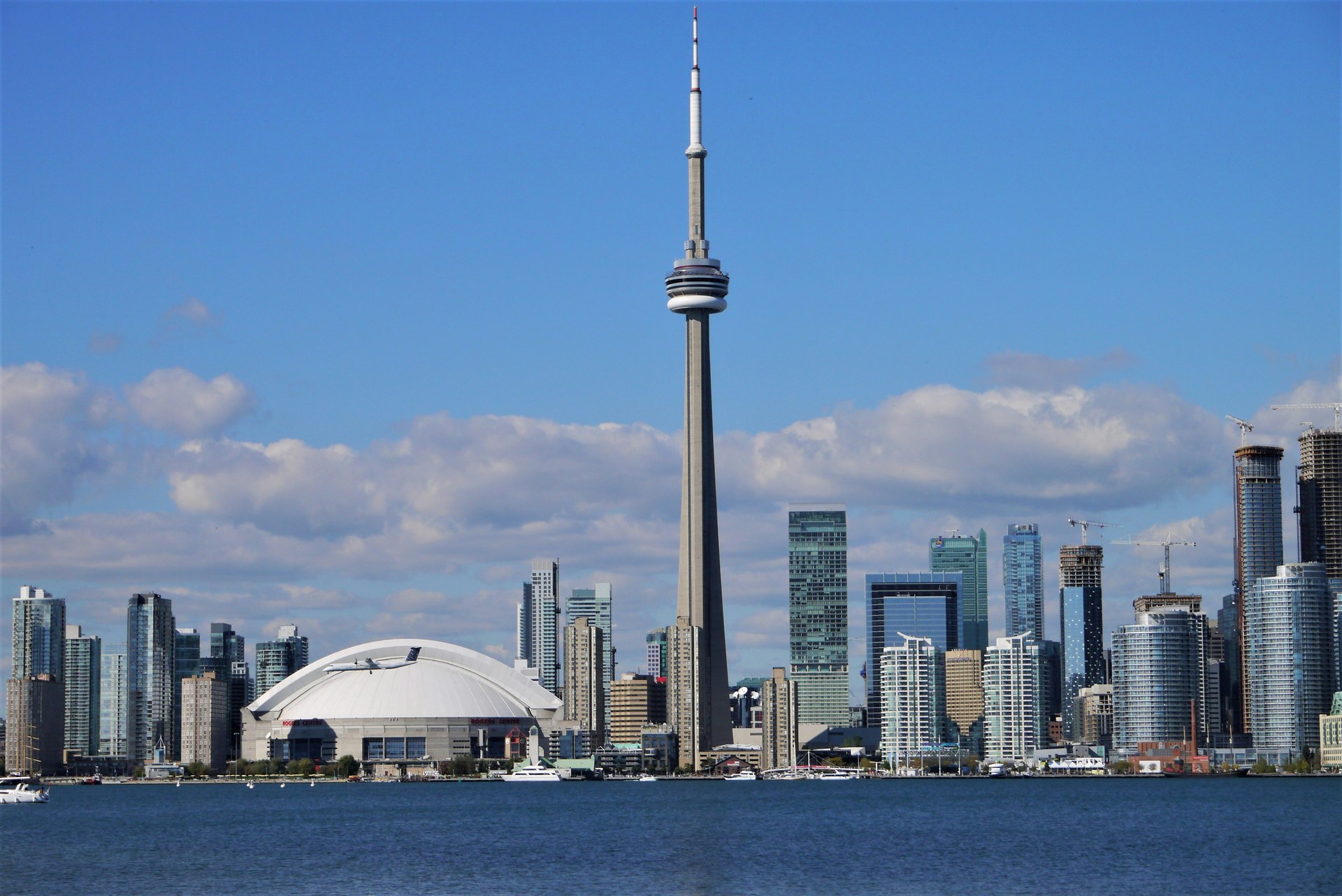
Toronto and Vancouver are the two Canadian host cities. Both have direct flights from major US hubs, but you're crossing an international border each time. Budget extra time for customs, even if your eTA was pre-approved. Vancouver airport (YVR) offers US preclearance for US-bound travelers. Factor that into your connection planning if you're routing back through a US hub.

What You Can't Pack for 2026 World Cup Flights
Standard TSA and IATA rules apply across all three-country corridors. Items that routinely cause problems for tournament travelers include:
- Compressed gases: no canned air horns, CO2 cartridges, or butane, all prohibited in checked and carry-on bags
- Flares and pyrotechnics: not permitted in any bag, on any airline
- Liquids over 100ml in carry-on, including sunscreen, which fans often forget when packing for outdoor stadium days
- Vuvuzelas and air horns: banned at 2026 World Cup stadiums and flagged at security as prohibited noisemakers
- Clothing or accessories with wires, batteries, or electronic components sewn in: prohibited at venues and sometimes flagged during screening before you reach the gate
Weapons of any kind, including pocket knives and multi-tools, are prohibited at all 2026 World Cup venues.
Baggage Tips for Multi-City World Cup Travel
This is where most multi-match trips fall apart logistically. A checked bag traveling with you across six flights over three weeks costs more in fees than most fans budget for, and misrouted international bags are far harder to recover than domestic ones.
Practical strategies:
- Ship ahead: Use a luggage forwarding service (Luggage Free, Ship Smart, or similar) to send your bag to your final hotel at the start of the trip and travel carry-on only between cities
- Laundry over luggage: Most World Cup host cities have coin laundries and hotel laundry services. Two shirts and a rotation beats a 50-pound bag through four airports.
- One checked bag per country segment: If you're doing a US leg, a Mexico leg, and a Canada leg separately, check a bag only for the longer stay and carry on for the short hops
- Tag everything with a physical label and an AirTag or similar tracker: Baggage misrouting between countries is slower to resolve, and international terminal customer service queues in June will be long
- Check your airline's codeshare rules before assuming bags transfer automatically. A Spirit flight connecting to an Aeromexico segment does not guarantee interline baggage agreements.
Common Questions About 2026 World Cup Travel
The questions we get most about visas, flights, and border crossings for the 2026 World Cup:
Do I need separate entry permits for each country if I'm visiting all three?
Yes. A US visa or ESTA does not cover Canada or Mexico, and a Canadian visitor visa or eTA does not cover the US. You go through full border processing at every international crossing, including at airports. Budget at least an extra hour per crossing during the tournament.
Is the FIFA PASS system the same as the visa fast-track?
No. The FIFA PASS is your match ticket credential and is a separate system from the visa appointment process. The US State Department's FIFA Prioritised Appointment Scheduling System helps ticket-holders get faster consular appointments, but it doesn't skip the actual visa processing or guarantee approval. Full details on both are on the FIFA visa and travel page.
What's the cheapest way to fly between US and Mexican host cities right now?
Volaris and VivaAerobus have the lowest base fares on US-Mexico routes, with one-way fares currently running $50–$170 depending on the city pair and travel date. Pay attention to baggage add-ons. The base fare almost never includes a checked bag on budget Mexican carriers.
How do I handle a tight connection at a US airport coming from Mexico or Canada?
Leave at least a 2.5-hour connection window at any major US hub in June. You'll clear US customs and re-enter the terminal, which means rechecking bags and going back through security. Global Entry kiosks speed up the customs portion a lot, but only for enrolled travelers.
Book through Dyme — travel that goes further
Every hotel booking on Dyme funds solar installations for schools and hospitals, cutting their electricity costs for decades. Whether you're following your team to Dallas, Los Angeles, Toronto, or Guadalajara, Dyme has hotel options at competitive rates.
Table of Contents
What to Know Before Flying to the 2026 World Cup: Visas, TSA and Border Tips
The 2026 FIFA World Cup runs June 11 through July 19 across 16 cities in the United States, Canada, and Mexico. Three countries, one summer, and a travel infrastructure under strain.
Visa processing delays are hitting from multiple directions, TSA security lines are at historic highs, and baggage logistics between cities are a real planning problem. None of it is insurmountable. Sort it out now, not at the gate.
Entry Permits for the 2026 World Cup
All three host countries have their own entry rules, and which one applies depends on your passport. Here's what to know before you book flights.
United States: FIFA Prioritised Visa Scheduling and Wait Times
For travelers who need a B1/B2 visitor visa to enter the United States, the FIFA Prioritised Appointment Scheduling System lets confirmed ticket-holders bypass some of the standard wait-time queue. The FIFA official visa and travel page covers requirements for all three host countries and links to the scheduling system directly. "Prioritised" means different things at different posts, though: appointment wait times at individual consulates still range from a few days to over a year depending on where you apply from. Some posts have extended timelines well beyond the tournament window. If you haven't applied yet and need a US visa, apply today, not next week.
Canada: eTA vs Visa and Processing Delays
Travelers from visa-exempt countries flying into Canada need an Electronic Travel Authorization (eTA), which costs CAD $7 and is typically approved within minutes. Apply at the official Canada.ca eTA page before booking your flights. Travelers who need a full visitor visa face a harder road: IRCC staffing was reduced ahead of the surge in World Cup applications, and processing times have lengthened. Applicants from Côte d'Ivoire now face 292-day queues, and those from Senegal wait 203 days. IRCC notes that holding a FIFA ticket does not guarantee approval.
Mexico: Digital Entry Process and Requirements
Mexico issues entry permits digitally at the border, so there's no paper FMM form to fill out in advance. Most nationalities can enter Mexico without a visa. When you land, immigration officers review your passport, accommodation confirmation, and itinerary, then issue your FMM electronically. Mexican immigration typically authorizes tourist stays for up to 180 days. Bring proof of accommodation and your match tickets. Inspectors do check.
Airport Security and TSA Wait Times for World Cup Travel
TSA staffing is in crisis and the timing overlaps directly with the World Cup. More than 480 TSA officers resigned during a DHS funding lapse, and the agency's acting administrator told lawmakers that wait times have already exceeded 4.5 hours at some checkpoints, the highest in TSA history. Newly hired screeners won't be trained and certified in time for the tournament, leaving airports understaffed during the projected 6 million fan surge.
What This Means for Your Airport Arrival Times
- For domestic flights at major hub airports, plan to arrive at least 2.5–3 hours before departure during tournament weeks
- For international departures, 3.5 hours is not excessive at airports like LAX, JFK, or IAH during June
- TSA PreCheck and Global Entry lanes move much faster and are worth the cost if you're making multiple flights during the tournament
- Check TSA's real-time wait dashboard the morning of your flight. Conditions are shifting week to week.
Flights Between 2026 World Cup Host Cities
Match days are scattered across three countries and thousands of miles. How you string them together depends on where your team plays.
US to Mexico Flights: Budget Airlines and Pricing
Volaris and VivaAerobus, which announced a merger of equals in December 2025 to form Grupo Más Vuelos and expect to close in 2026, both fly direct from US cities to the Mexican World Cup hosts: Guadalajara, Monterrey, and Mexico City. Current one-way fares on these routes run roughly $50–$170 depending on the city pair and date. Prices will spike the moment knockout bracket pairings are confirmed, so book positioning flights as soon as you know your team's route. Budget carriers have strict baggage fee structures, so factor those in before assuming a cheap base fare stays cheap.
Flights Within the US: How to Group Host Cities
The 11 US host cities span from Seattle to Miami, covering more than 3,000 miles. Flying between opposite coasts for back-to-back group stage matches is expensive and exhausting. Group your attendance around geographic clusters: Northeast (New York/New Jersey, Boston, Philadelphia), Southeast (Atlanta, Miami), Central (Dallas, Houston, Kansas City), and West (LA, San Francisco Bay Area, Seattle). Southwest, United, and American all operate high-frequency hub-to-hub routes on these corridors throughout the summer.
US to Canada Flights: Border Crossing and Timing
Toronto and Vancouver are the two Canadian host cities. Both have direct flights from major US hubs, but you're crossing an international border each time. Budget extra time for customs, even if your eTA was pre-approved. Vancouver airport (YVR) offers US preclearance for US-bound travelers. Factor that into your connection planning if you're routing back through a US hub.
What You Can't Pack for 2026 World Cup Flights
Standard TSA and IATA rules apply across all three-country corridors. Items that routinely cause problems for tournament travelers include:
- Compressed gases: no canned air horns, CO2 cartridges, or butane, all prohibited in checked and carry-on bags
- Flares and pyrotechnics: not permitted in any bag, on any airline
- Liquids over 100ml in carry-on, including sunscreen, which fans often forget when packing for outdoor stadium days
- Vuvuzelas and air horns: banned at 2026 World Cup stadiums and flagged at security as prohibited noisemakers
- Clothing or accessories with wires, batteries, or electronic components sewn in: prohibited at venues and sometimes flagged during screening before you reach the gate
Weapons of any kind, including pocket knives and multi-tools, are prohibited at all 2026 World Cup venues.
Baggage Tips for Multi-City World Cup Travel
This is where most multi-match trips fall apart logistically. A checked bag traveling with you across six flights over three weeks costs more in fees than most fans budget for, and misrouted international bags are far harder to recover than domestic ones.
Practical strategies:
- Ship ahead: Use a luggage forwarding service (Luggage Free, Ship Smart, or similar) to send your bag to your final hotel at the start of the trip and travel carry-on only between cities
- Laundry over luggage: Most World Cup host cities have coin laundries and hotel laundry services. Two shirts and a rotation beats a 50-pound bag through four airports.
- One checked bag per country segment: If you're doing a US leg, a Mexico leg, and a Canada leg separately, check a bag only for the longer stay and carry on for the short hops
- Tag everything with a physical label and an AirTag or similar tracker: Baggage misrouting between countries is slower to resolve, and international terminal customer service queues in June will be long
- Check your airline's codeshare rules before assuming bags transfer automatically. A Spirit flight connecting to an Aeromexico segment does not guarantee interline baggage agreements.
Common Questions About 2026 World Cup Travel
The questions we get most about visas, flights, and border crossings for the 2026 World Cup:
Do I need separate entry permits for each country if I'm visiting all three?
Yes. A US visa or ESTA does not cover Canada or Mexico, and a Canadian visitor visa or eTA does not cover the US. You go through full border processing at every international crossing, including at airports. Budget at least an extra hour per crossing during the tournament.
Is the FIFA PASS system the same as the visa fast-track?
No. The FIFA PASS is your match ticket credential and is a separate system from the visa appointment process. The US State Department's FIFA Prioritised Appointment Scheduling System helps ticket-holders get faster consular appointments, but it doesn't skip the actual visa processing or guarantee approval. Full details on both are on the FIFA visa and travel page.
What's the cheapest way to fly between US and Mexican host cities right now?
Volaris and VivaAerobus have the lowest base fares on US-Mexico routes, with one-way fares currently running $50–$170 depending on the city pair and travel date. Pay attention to baggage add-ons. The base fare almost never includes a checked bag on budget Mexican carriers.
How do I handle a tight connection at a US airport coming from Mexico or Canada?
Leave at least a 2.5-hour connection window at any major US hub in June. You'll clear US customs and re-enter the terminal, which means rechecking bags and going back through security. Global Entry kiosks speed up the customs portion a lot, but only for enrolled travelers.
Book through Dyme — travel that goes further
Every hotel booking on Dyme funds solar installations for schools and hospitals, cutting their electricity costs for decades. Whether you're following your team to Dallas, Los Angeles, Toronto, or Guadalajara, Dyme has hotel options at competitive rates.