650
Airlines
2 Million
Hotels
2000
Car Rentals
Table of Contents
650
Airlines
2 Million
Hotels
2000
Car Rentals

How to Use Chicago Public Transit: CTA, Metra & Pace Guide

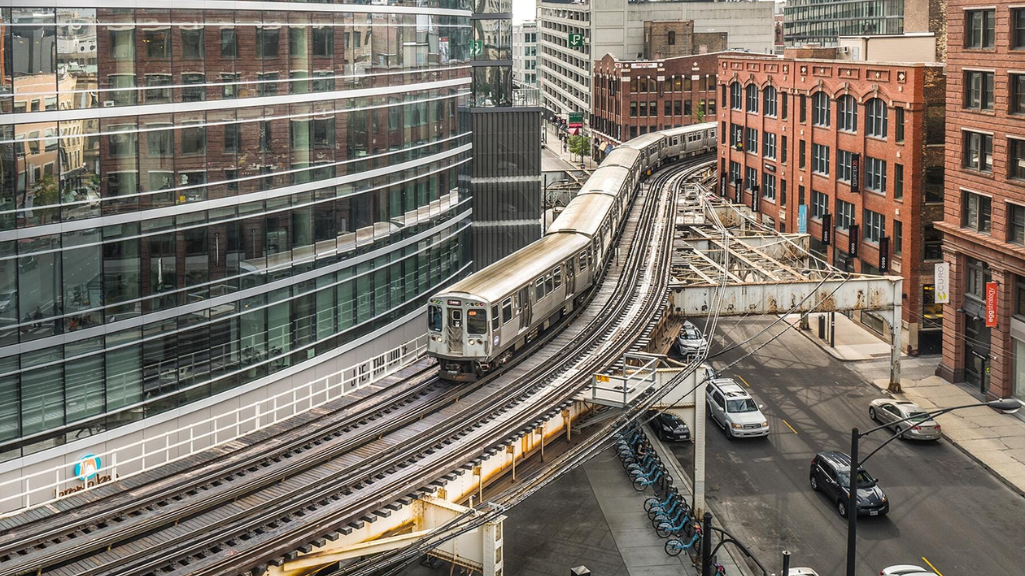
Chicago is one of the easiest big U.S. cities to navigate without a car. The "L" trains and buses make moving between neighborhoods fast and affordable. Downtown ("the Loop") anchors the system, with elevated trains circling the core and rapid lines radiating to neighborhoods. You can get from airports to meetings, hotels, and McCormick Place with reliable transit.

Key Public Transit Options in Chicago

The Chicago Transit Authority (CTA) runs the "L" trains and city buses. Blue and Red Lines operate 24/7. The "L" is color-coded: Blue Line serves O'Hare, Orange Line serves Midway. Other lines connect the West Loop, River North, Museum Campus, and Wrigleyville. Buses fill gaps with dedicated lanes on major corridors.

Metra commuter rail handles suburban trips with fewer stops and peak-hour frequency. Multiple lines depart from different downtown terminals: Union Station, Ogilvie Transportation Center, and Millennium Station. Pace operates suburban buses connecting Metra stations and running express routes into downtown.

Paying fares: Ventra and contactless

Buy a reusable Ventra card from vending machines in 'L' stations or in the Ventra app. Single rides cost $2.50 on rail and $2.25 on buses. You get two free transfers within two hours. Passes: 1-Day ($5), 3-Day ($15), 7-Day ($20).

Contactless payments work on CTA. Tap Apple Pay, Google Pay, or a contactless bank card at turnstiles or fareboxes. Each tap charges $2.50 per ride.

Metra fares are zone-based, ranging from $3.75 to $6.75 for most downtown trips. Buy mobile tickets in the Ventra app. Weekend passes cost $10 for unlimited Saturday-Sunday rides.

From the Airports: Blue Line and Orange Line Connections

O'Hare International: The Blue Line connects to downtown 24/7 via CTA trains from O'Hare. Service runs every few minutes at peak times. The ride takes 40-45 minutes. Boarding at O'Hare costs $5.00—double the standard fare—unless you have an unlimited pass. Terminals 1-3 have a short walk to the station; Terminal 5 requires the free Airport Transit System. The Blue Line saves $40-50 versus ride-share during surge pricing.

Midway International: The Orange Line runs to downtown in 20-30 minutes. Service runs approximately 4am-midnight. Use the N62 Archer bus overnight. The Orange Line saves $25-35 versus taxis. Check CTA's airport page for current advisories.

Navigating Chicago Without a Car

Use the 'L' for longer trips, then switch to buses or walk. Loop stations are blocks from downtown offices. Hotels near Chicago/State on the Red Line access both Red and Blue Lines via the downtown pedway—an underground walkway network critical for winter.

For McCormick Place, take the #3 King Drive bus from the Red Line, which stops at all building entrances. During conventions, Metra Electric opens a McCormick Place station and CTA runs shuttles.

The #9 Ashland bus runs north-south 24/7. The X9 Ashland Express operates weekdays 6-10am northbound and 2:30-6pm southbound, skipping stops for 30-40% faster service. Use the Ventra app for real-time arrivals. Divvy bike-share costs $3.99 per ride or $15 for a day pass.

Safety, Accessibility, and Travel Tips

CTA has camera coverage systemwide and expanded Transit Security in 2024. More than 103 of 145+ rail stations are fully accessible with elevators. Major carriers offer 4G/5G coverage in tunnels. Check real-time arrivals in the Ventra app to minimize waits. Rush hours (7-9am, 4-7pm) bring packed trains, so plan buffer time.

Low-Carbon Travel: Transit Emissions and Impact

A Blue Line trip from O'Hare generates 0.5-1 kg CO₂ per passenger. Ride-share produces 4-8 kg CO₂—an 80-85% emissions reduction on rail. Chicago has 50 electric buses as of 2023, with full fleet electrification targeted for 2040. For multi-day trips, unlimited CTA passes include free transfers.

If you manage travel for a team, review public transportation tax implications to understand pre-tax commuter benefits. Find properties with easy rail access in this guide to sustainable hotels in Chicago for conferences. For broader policy ideas, see sustainable business travel essentials.

Transit Tools and Planning Resources for Chicago

Use the Ventra app for live arrivals, trip planning, and mobile ticketing. Check service alerts, especially during construction or severe weather. For Metra, confirm your line and terminal since multiple stations serve different routes.

Visit transitchicago.com/airports for airport guides, ventrachicago.com for fares, and metra.com for suburban schedules.

Explore Dyme stays across Chicago for low-impact business travel.

Table of Contents

650
Airlines
2 Million
Hotels
2000
Car Rentals

How to Use Chicago Public Transit: CTA, Metra & Pace Guide

Chicago is one of the easiest big U.S. cities to navigate without a car. The "L" trains and buses make moving between neighborhoods fast and affordable. Downtown ("the Loop") anchors the system, with elevated trains circling the core and rapid lines radiating to neighborhoods. You can get from airports to meetings, hotels, and McCormick Place with reliable transit.

Key Public Transit Options in Chicago

The Chicago Transit Authority (CTA) runs the "L" trains and city buses. Blue and Red Lines operate 24/7. The "L" is color-coded: Blue Line serves O'Hare, Orange Line serves Midway. Other lines connect the West Loop, River North, Museum Campus, and Wrigleyville. Buses fill gaps with dedicated lanes on major corridors.

Metra commuter rail handles suburban trips with fewer stops and peak-hour frequency. Multiple lines depart from different downtown terminals: Union Station, Ogilvie Transportation Center, and Millennium Station. Pace operates suburban buses connecting Metra stations and running express routes into downtown.

Paying fares: Ventra and contactless

Buy a reusable Ventra card from vending machines in 'L' stations or in the Ventra app. Single rides cost $2.50 on rail and $2.25 on buses. You get two free transfers within two hours. Passes: 1-Day ($5), 3-Day ($15), 7-Day ($20).

Contactless payments work on CTA. Tap Apple Pay, Google Pay, or a contactless bank card at turnstiles or fareboxes. Each tap charges $2.50 per ride.

Metra fares are zone-based, ranging from $3.75 to $6.75 for most downtown trips. Buy mobile tickets in the Ventra app. Weekend passes cost $10 for unlimited Saturday-Sunday rides.

From the Airports: Blue Line and Orange Line Connections

O'Hare International: The Blue Line connects to downtown 24/7 via CTA trains from O'Hare. Service runs every few minutes at peak times. The ride takes 40-45 minutes. Boarding at O'Hare costs $5.00—double the standard fare—unless you have an unlimited pass. Terminals 1-3 have a short walk to the station; Terminal 5 requires the free Airport Transit System. The Blue Line saves $40-50 versus ride-share during surge pricing.

Midway International: The Orange Line runs to downtown in 20-30 minutes. Service runs approximately 4am-midnight. Use the N62 Archer bus overnight. The Orange Line saves $25-35 versus taxis. Check CTA's airport page for current advisories.

Navigating Chicago Without a Car

Use the 'L' for longer trips, then switch to buses or walk. Loop stations are blocks from downtown offices. Hotels near Chicago/State on the Red Line access both Red and Blue Lines via the downtown pedway—an underground walkway network critical for winter.

For McCormick Place, take the #3 King Drive bus from the Red Line, which stops at all building entrances. During conventions, Metra Electric opens a McCormick Place station and CTA runs shuttles.

The #9 Ashland bus runs north-south 24/7. The X9 Ashland Express operates weekdays 6-10am northbound and 2:30-6pm southbound, skipping stops for 30-40% faster service. Use the Ventra app for real-time arrivals. Divvy bike-share costs $3.99 per ride or $15 for a day pass.

Safety, Accessibility, and Travel Tips

CTA has camera coverage systemwide and expanded Transit Security in 2024. More than 103 of 145+ rail stations are fully accessible with elevators. Major carriers offer 4G/5G coverage in tunnels. Check real-time arrivals in the Ventra app to minimize waits. Rush hours (7-9am, 4-7pm) bring packed trains, so plan buffer time.

Low-Carbon Travel: Transit Emissions and Impact

A Blue Line trip from O'Hare generates 0.5-1 kg CO₂ per passenger. Ride-share produces 4-8 kg CO₂—an 80-85% emissions reduction on rail. Chicago has 50 electric buses as of 2023, with full fleet electrification targeted for 2040. For multi-day trips, unlimited CTA passes include free transfers.

If you manage travel for a team, review public transportation tax implications to understand pre-tax commuter benefits. Find properties with easy rail access in this guide to sustainable hotels in Chicago for conferences. For broader policy ideas, see sustainable business travel essentials.

Transit Tools and Planning Resources for Chicago

Use the Ventra app for live arrivals, trip planning, and mobile ticketing. Check service alerts, especially during construction or severe weather. For Metra, confirm your line and terminal since multiple stations serve different routes.

Visit transitchicago.com/airports for airport guides, ventrachicago.com for fares, and metra.com for suburban schedules.

Explore Dyme stays across Chicago for low-impact business travel.
Get up to 12% instant cashback on 200+ gift cards

Join the waitist before the launch our new platform
Be among the first to unlock to unclock instant cashback on top brands like Amazon, Starbucks, Target, and more. Limited early access spots available.
Thank you! Your submission has been received!
Oops! Something went wrong while submitting the form.
No spam. Unsubscribe anytime. By joining, you agree of our Terms of Service