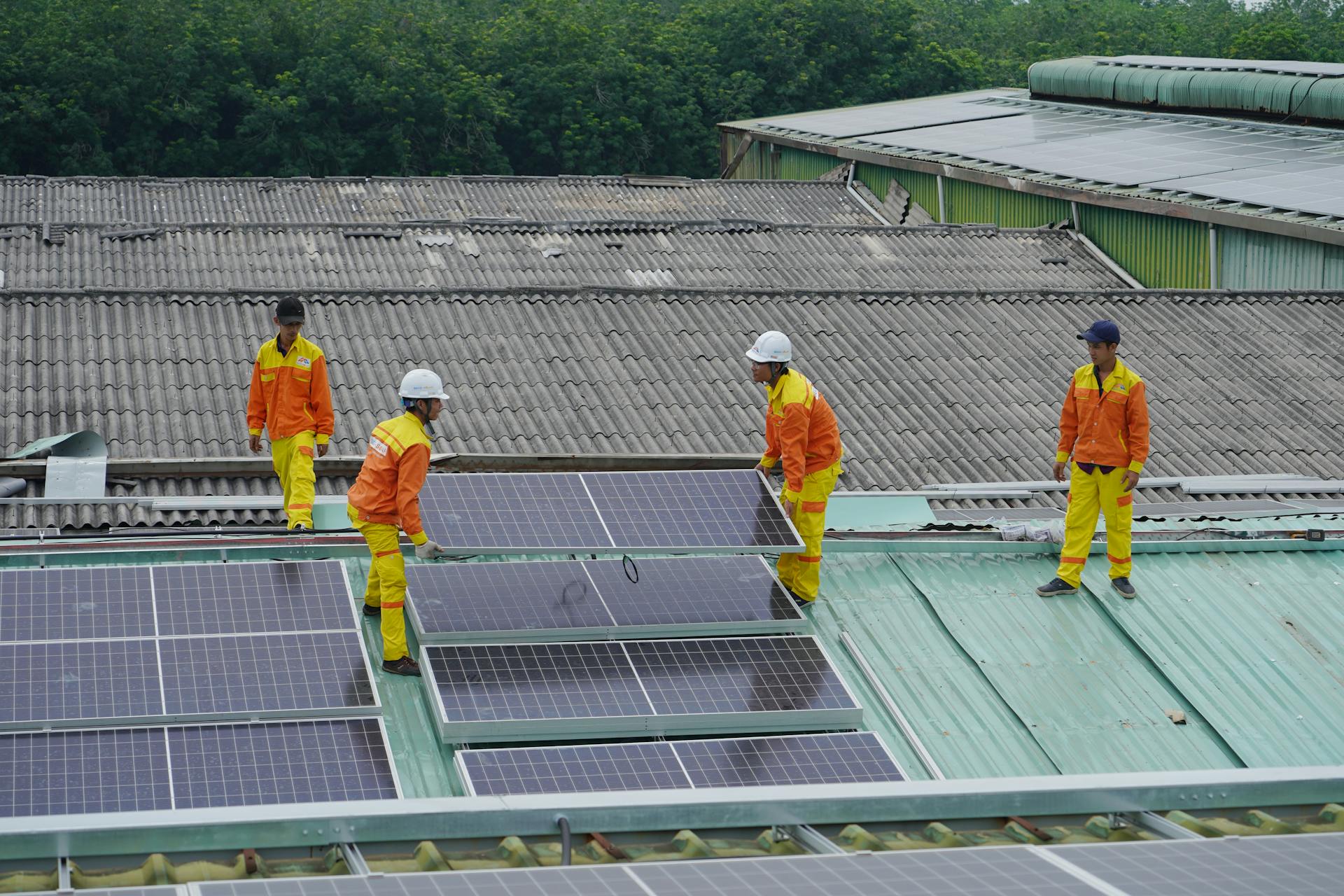
This final part of the Climate Change series focuses on how climate action works in practice. It looks at global climate policy, the economic impacts of climate change, how carbon pricing works, and the role technology plays in reducing emissions and managing climate risks.
While the earlier parts explored the scientific foundations of climate change and the question of responsibility, this article brings the discussion into the realms of policy, economics, and implementation.
1. What is the Paris Agreement?
The Paris Agreement is a legally binding international climate treaty adopted in 2015 at the UN Climate Change Conference (COP21) in Paris. It was signed by 196 Parties under the United Nations Framework Convention on Climate Change (UNFCCC).
Its central goal is to limit global warming to well below 2°C above pre-industrial levels, while pursuing efforts to keep temperature rise to 1.5°C. The agreement also aims to strengthen countries’ ability to adapt to climate impacts.
Under the Paris Agreement, countries submit Nationally Determined Contributions (NDCs). These outline how each country plans to reduce greenhouse gas emissions and adapt to climate change. NDCs are reviewed every five years, with the expectation that targets become more ambitious over time.
As of 2023, 193 countries have signed the agreement and 191 have ratified it. Iran and Turkey remain the only non-ratifying countries. The United States withdrew from the agreement in 2020 and formally rejoined in 2021.
Climate targets vary widely by country. For example:
- China aims to peak CO₂ emissions by 2030 and reach carbon neutrality by 2060
- The European Union targets at least a 55% reduction in emissions by 2030 (vs. 1990 levels) and net zero by 2050
- The United States aims to cut emissions 50–52% below 2005 levels by 2030 and reach net zero by 2050
These targets reflect different economic structures, energy systems, and climate vulnerabilities.
2. What are some of the economic impacts of climate change?
Climate change affects economies across multiple sectors. Its impacts are already visible and are expected to intensify over time. Key economic effects include:
Damage to infrastructure and property
Climate change can cause more frequent and severe weather events, such as floods, hurricanes, and wildfires, which can damage infrastructure and property. This can result in costly repairs and reconstruction, and potentially lead to reduced property values and a decline in economic activity in affected areas.
Reduced agricultural productivity
Climate change can also affect agriculture by altering precipitation patterns, increasing the frequency and severity of droughts and heat waves, and changing the distribution of pests and diseases. These factors can lead to reduced crop yields and lower agricultural productivity. That in turn, can result in higher food prices and food shortages, particularly in developing countries.
Increased health costs
Climate change can have adverse impacts on human health, such as increased incidences of heat stroke and respiratory illnesses. These impacts can result in higher healthcare costs and lost productivity, particularly in regions where the healthcare system is already strained.
Disruptions to global trade
Climate change can also disrupt global trade patterns by causing more frequent and severe weather events, which can damage transportation infrastructure, disrupt supply chains, and cause delays in the movement of goods. These disruptions can result in increased costs for businesses and consumers and potentially lead to economic losses for affected regions.
Costs of adaptation and mitigation
The costs of adapting to climate change, such as building sea walls or relocating communities, and the costs of mitigating greenhouse gas emissions, such as investing in renewable energy and transitioning to low-carbon transportation, can also have significant economic impacts. These costs can vary depending on the region and the level of ambition of climate policies.Overall, the economic impacts of climate change can be significant and long-lasting, affecting multiple sectors and activities. Inaction on climate change could lead to increasingly severe economic impacts in the future, while ambitious climate action could create economic opportunities and foster sustainable and resilient economic development.
3. What is the economic cost in dollars of climate change?
Estimating the financial cost of climate change is complex, but existing studies point to very large potential losses.
- A 2020 Global Commission on Adaptation report estimated that adaptation costs in developing countries could reach $140–300 billion per year by 2030
- The same report warned that failure to adapt could lead to over $1 trillion per year in losses by 2050
- A 2022 Climate Impact Lab study projected that unchecked warming could cost the global economy up to $100 trillion by the end of the century
While these figures depend on assumptions and future pathways, they highlight the scale of economic risk associated with inaction.
4. What is carbon pricing?
Carbon pricing refers to a market-based mechanism that aims to reduce greenhouse gas emissions by putting a price on carbon dioxide and other greenhouse gas emissions. The idea behind carbon pricing is to create economic incentives for individuals and organizations to reduce their carbon emissions. This can be done by either by reducing their consumption of fossil fuels or by investing in low-carbon technologies.Carbon pricing can take different forms, but the most common approaches are:
Carbon tax
A carbon tax is a fee imposed on each unit of greenhouse gas emissions. The tax rate is typically based on the carbon content of fossil fuels or on the emissions from industrial processes. The goal of a carbon tax is to make the use of fossil fuels more expensive, thereby incentivizing individuals and businesses to reduce their carbon emissions.
Emissions trading system (ETS)
An ETS is a cap-and-trade system that sets a limit, or cap, on the total amount of greenhouse gas emissions allowed from a particular sector or region. Companies are then given a certain number of emissions allowances that they can either use to cover their emissions or trade with other companies. The goal of an ETS is to create a market for emissions allowances, where companies can buy and sell allowances based on their emissions reduction targets.Both carbon taxes and ETSs aim to create an economic incentive for individuals and businesses to reduce their carbon emissions by making the use of fossil fuels more expensive. By putting a price on carbon, these mechanisms also help to internalize the external costs of carbon emissions, such as the costs of climate change impacts on health, infrastructure, and agriculture.Carbon pricing has been implemented in various countries and regions around the world, including the European Union, Canada, Japan, South Korea, and several U.S. states. While there is debate about the best approach to carbon pricing, most experts agree that pricing carbon is an essential tool for reducing greenhouse gas emissions and mitigating the impacts of climate change.
5. What is the role of technology in addressing climate change?
Technology plays a critical role in addressing climate change by providing tools and solutions to reduce greenhouse gas emissions, increase energy efficiency, and facilitate the transition to a low-carbon economy. Some examples of how technology can help include:
Renewable energy
Advancements in solar, wind, geothermal, and other renewable energy sources have made them more affordable and accessible, allowing for the reduction of reliance on fossil fuels.
Energy storage
As renewable energy sources are intermittent, energy storage systems like batteries are needed to store excess energy produced during peak periods and provide backup power when needed.
Smart grid
Smart grid technology allows for the better management of energy demand and supply, reducing energy waste and optimizing the use of renewable energy sources.
Carbon capture and storage
Technologies that capture carbon dioxide emissions from power plants and other industrial processes can help reduce emissions and mitigate climate change.
Sustainable transportation
Advances in electric vehicles, hydrogen fuel cells, and other low-carbon transportation solutions can help reduce emissions from the transportation sector, which is a major contributor to greenhouse gas emissions.
Sustainable agriculture
Technology can help farmers reduce the environmental impact of agriculture, such as precision farming techniques and the use of drones for crop monitoring and management.Overall, technology can play a crucial role in helping the world transition to a more sustainable, low-carbon future and mitigate the impacts of climate change.
Together with Part 1, which lays out the scientific foundations of climate change, and Part 2, which examines responsibility and mitigation across governments and organizations, this final chapter completes the picture. It shows how climate action moves from understanding and intent to policy, economics, and real-world implementation.
Frequently asked questions
1. What is the Paris Agreement?+
The Paris Agreement is a legally binding international climate treaty adopted in 2015 at the UN Climate Change Conference (COP21) in Paris. It was signed by 196 Parties under the United Nations Framework Convention on Climate Change (UNFCCC).Its central goal is to limit global warming to well below 2°C above pre-industrial levels, while pursuing efforts to keep temperature rise to 1.5°C. The agreement also aims to strengthen countries’ ability to adapt to climate impacts.Under the Paris Agreement, countries submit Nationally Determined Contributions (NDCs). These outline how each country plans
2. What are some of the economic impacts of climate change?+
Climate change affects economies across multiple sectors. Its impacts are already visible and are expected to intensify over time. Key economic effects include:
3. What is the economic cost in dollars of climate change?+
Estimating the financial cost of climate change is complex, but existing studies point to very large potential losses.A 2020 Global Commission on Adaptation report estimated that adaptation costs in developing countries could reach $140–300 billion per year by 2030The same report warned that failure to adapt could lead to over $1 trillion per year in losses by 2050A 2022 Climate Impact Lab study projected that unchecked warming could cost the global economy up to $100 trillion by the end of the centuryWhile these figures depend on assumptions and future pathways, they highlight the scale of ec
4. What is carbon pricing?+
Carbon pricing refers to a market-based mechanism that aims to reduce greenhouse gas emissions by putting a price on carbon dioxide and other greenhouse gas emissions. The idea behind carbon pricing is to create economic incentives for individuals and organizations to reduce their carbon emissions. This can be done by either by reducing their consumption of fossil fuels or by investing in low-carbon technologies.Carbon pricing can take different forms, but the most common approaches are:
5. What is the role of technology in addressing climate change?+
Technology plays a critical role in addressing climate change by providing tools and solutions to reduce greenhouse gas emissions, increase energy efficiency, and facilitate the transition to a low-carbon economy. Some examples of how technology can help include: