Climate change is widely discussed, but its mechanisms and implications are not always clearly explained. Concepts such as global warming, greenhouse gases, and extreme weather are often mentioned without sufficient context, which can make the subject harder to understand in practical terms.
This article is Part 1 of a three-part series that breaks climate change down step by step. Part 1 focuses on the fundamentals: what climate change is, the scientific evidence behind it, and the main impacts already being observed worldwide.
1. What is climate change?
Climate change, often referred to as global warming, describes long-term shifts in global and regional climate patterns. These changes are primarily driven by human activities, particularly the burning of fossil fuels and deforestation, which increase the concentration of greenhouse gases in the atmosphere.
As global temperatures rise, a range of environmental effects follows. These include sea level rise, more frequent and intense extreme weather events, and changes in precipitation and seasonal patterns.
The evidence for climate change is supported by extensive scientific research and long-term observation. Data published by NASA shows a steady increase in global average temperatures over the past century, with 19 of the 20 warmest years on record occurring since 2001. This trend is closely linked to the accumulation of greenhouse gases — especially carbon dioxide (CO₂) — released through the combustion of coal, oil, and gas. These gases trap heat in the atmosphere, leading to a gradual warming of the planet.
2. The Impact of climate change
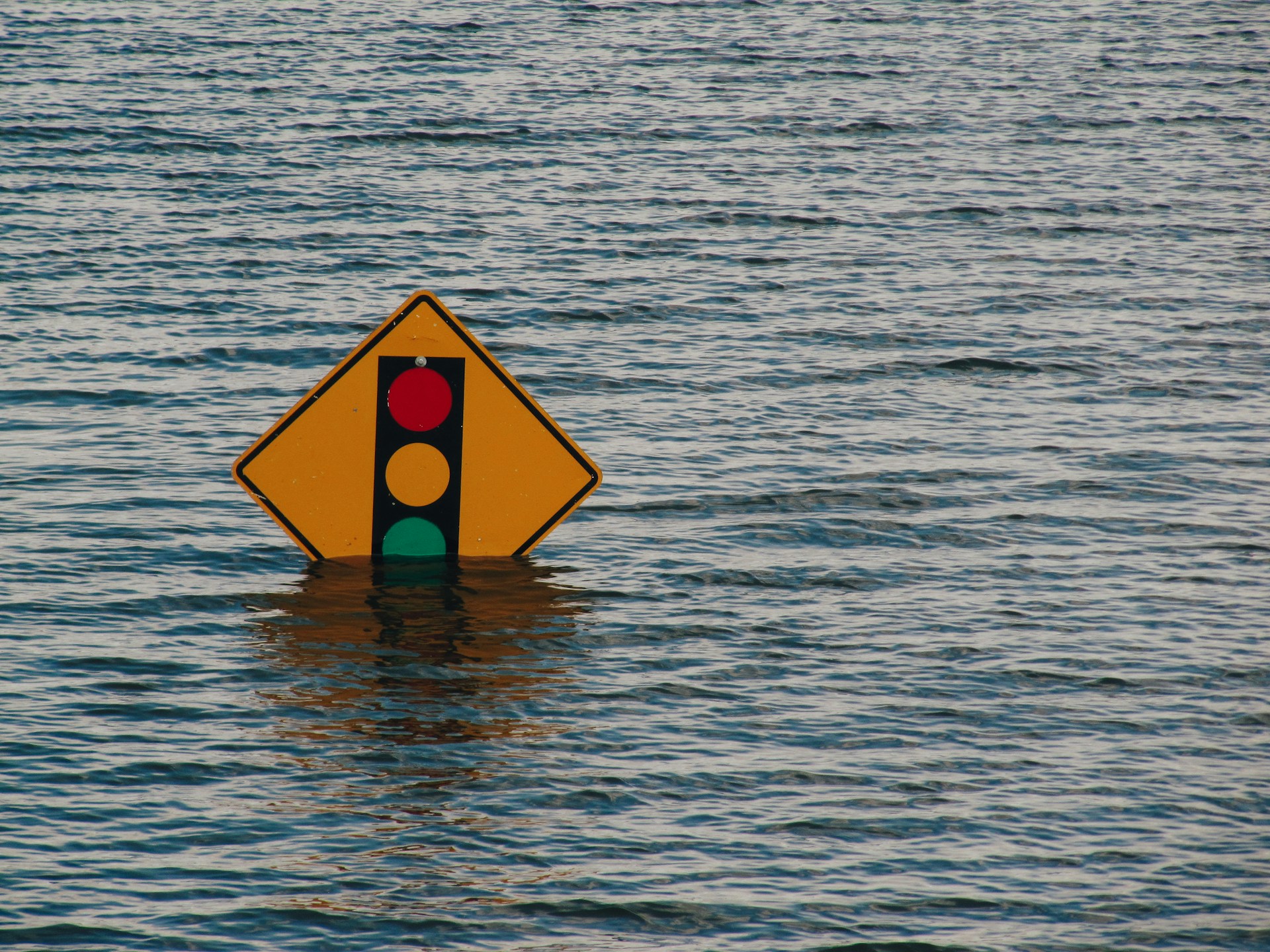
The impacts of climate change are wide-ranging and increasingly visible. One of the most significant effects is sea level rise, driven by the melting of glaciers and ice sheets and the expansion of seawater as it warms. According to the Intergovernmental Panel on Climate Change (IPCC), global sea levels could rise between 0.26 and 0.82 metres by the end of this century. This increases the risk of coastal flooding, erosion, displacement of communities, and damage to infrastructure.
Climate change is also intensifying extreme weather events. Heatwaves, droughts, and wildfires are becoming more frequent and severe, while heavy rainfall and flooding are increasing in many regions. These events place pressure on housing, transport networks, food systems, and public health.
Ecosystems are also being affected. Many species are shifting their geographic ranges and altering migration and breeding patterns in response to changing temperatures. These changes can disrupt ecosystems and reduce biodiversity, with long-term consequences for natural systems.
3. How is climate change affecting the planet?
Climate change affects environmental systems, human health, and economic stability in interconnected ways.
- Sea level rise
Rising sea levels contribute to coastal flooding, land loss, and increased risks for low-lying areas. - Extreme weather events
Heatwaves, droughts, wildfires, heavy rainfall, and flooding are becoming more frequent and more intense, causing damage to infrastructure and agriculture. - Biodiversity loss
Changes in temperature and precipitation alter habitats, migration routes, and seasonal cycles, placing stress on species and ecosystems. - Human health impacts
Climate change contributes to heat-related illness, respiratory conditions linked to air quality, and increased pressure on food and water systems. - Economic impacts
Infrastructure damage, reduced agricultural productivity, and higher disaster response costs are affecting economies, while also accelerating investment in clean energy and adaptation measures.
4. What can individuals do to help mitigate climate change?
While climate change is a systemic challenge, individual actions can still contribute to emissions reduction when adopted at scale.
- Reduce energy consumption
Improving energy efficiency, limiting unnecessary heating and cooling, and reducing electricity use lowers emissions. - Choose more sustainable transport
Walking, cycling, using public transport, or switching to electric or hybrid vehicles reduces transport-related emissions. - Reduce meat consumption
Livestock production is a significant source of greenhouse gas emissions. Reducing meat intake can lower individual carbon footprints. - Reduce water use
Lower water consumption reduces the energy required for pumping, heating, and treatment. - Support renewable energy
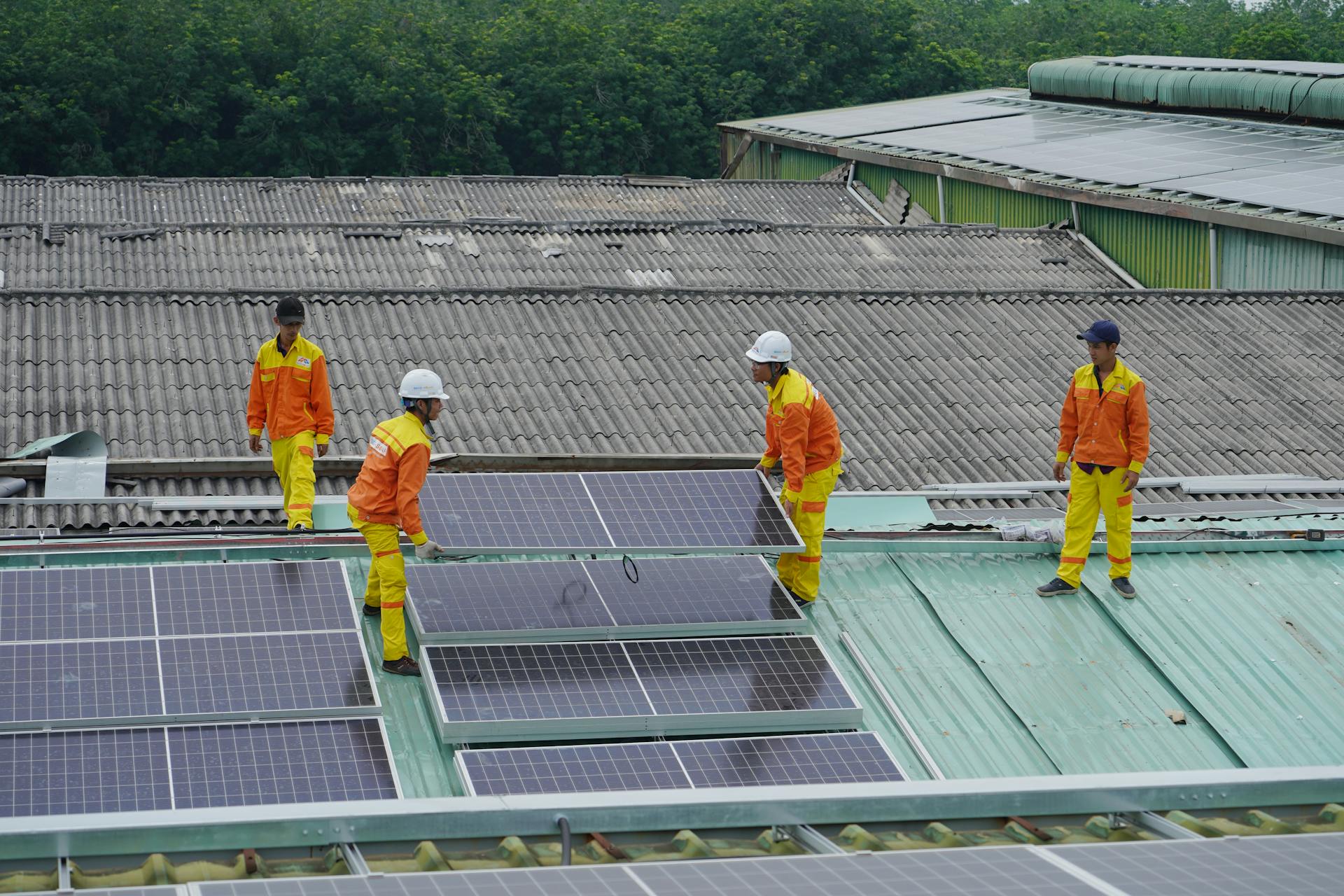
Choosing green energy tariffs and supporting renewable energy deployment helps reduce reliance on fossil fuels. - Reduce waste
Recycling, composting, and consuming fewer materials reduce emissions associated with waste and production. - Support climate action
Engaging with policies, organizations, and initiatives that address climate change contributes to broader systemic change.
5. What are the governmental solutions that will help mitigate climate change?
Government action is essential for large-scale emissions reduction and long-term climate resilience.
Key measures include:
- Carbon pricing
Carbon taxes or cap-and-trade systems create incentives to reduce emissions. - Investment in renewable energy
Public investment and incentives accelerate clean energy development and deployment. - Energy efficiency standards
Regulations for buildings, appliances, and vehicles reduce overall energy demand. - Support for sustainable transport
Investment in public transport and low-emission mobility reduces reliance on private vehicles. - Low-carbon agriculture
Encouraging regenerative practices and reducing fertiliser use lowers emissions from food systems. - Forest conservation and restoration
Protecting and restoring forests increases carbon storage and supports ecosystems. - Circular economy policies
Reducing waste and promoting reuse and recycling lowers emissions linked to production and disposal.
This overview provides the context needed to examine climate change in more detail. Part 2 looks at its impacts and how these changes are already being observed and addressed globally.
Frequently asked questions
1. What is climate change?+
Climate change, often referred to as global warming, describes long-term shifts in global and regional climate patterns. These changes are primarily driven by human activities, particularly the burning of fossil fuels and deforestation, which increase the concentration of greenhouse gases in the atmosphere.As global temperatures rise, a range of environmental effects follows. These include sea level rise, more frequent and intense extreme weather events, and changes in precipitation and seasonal patterns.The evidence for climate change is supported by extensive scientific research and long-ter
3. How is climate change affecting the planet?+
Climate change affects environmental systems, human health, and economic stability in interconnected ways.Sea level riseRising sea levels contribute to coastal flooding, land loss, and increased risks for low-lying areas.Extreme weather eventsHeatwaves, droughts, wildfires, heavy rainfall, and flooding are becoming more frequent and more intense, causing damage to infrastructure and agriculture.Biodiversity lossChanges in temperature and precipitation alter habitats, migration routes, and seasonal cycles, placing stress on species and ecosystems.Human health impactsClimate change contributes t
4. What can individuals do to help mitigate climate change?+
While climate change is a systemic challenge, individual actions can still contribute to emissions reduction when adopted at scale.Reduce energy consumptionImproving energy efficiency, limiting unnecessary heating and cooling, and reducing electricity use lowers emissions.Choose more sustainable transportWalking, cycling, using public transport, or switching to electric or hybrid vehicles reduces transport-related emissions.Reduce meat consumptionLivestock production is a significant source of greenhouse gas emissions. Reducing meat intake can lower individual carbon footprints.Reduce water us
5. What are the governmental solutions that will help mitigate climate change?+
Government action is essential for large-scale emissions reduction and long-term climate resilience.Key measures include:Carbon pricingCarbon taxes or cap-and-trade systems create incentives to reduce emissions.Investment in renewable energyPublic investment and incentives accelerate clean energy development and deployment.Energy efficiency standardsRegulations for buildings, appliances, and vehicles reduce overall energy demand.Support for sustainable transportInvestment in public transport and low-emission mobility reduces reliance on private vehicles.Low-carbon agricultureEncouraging regene