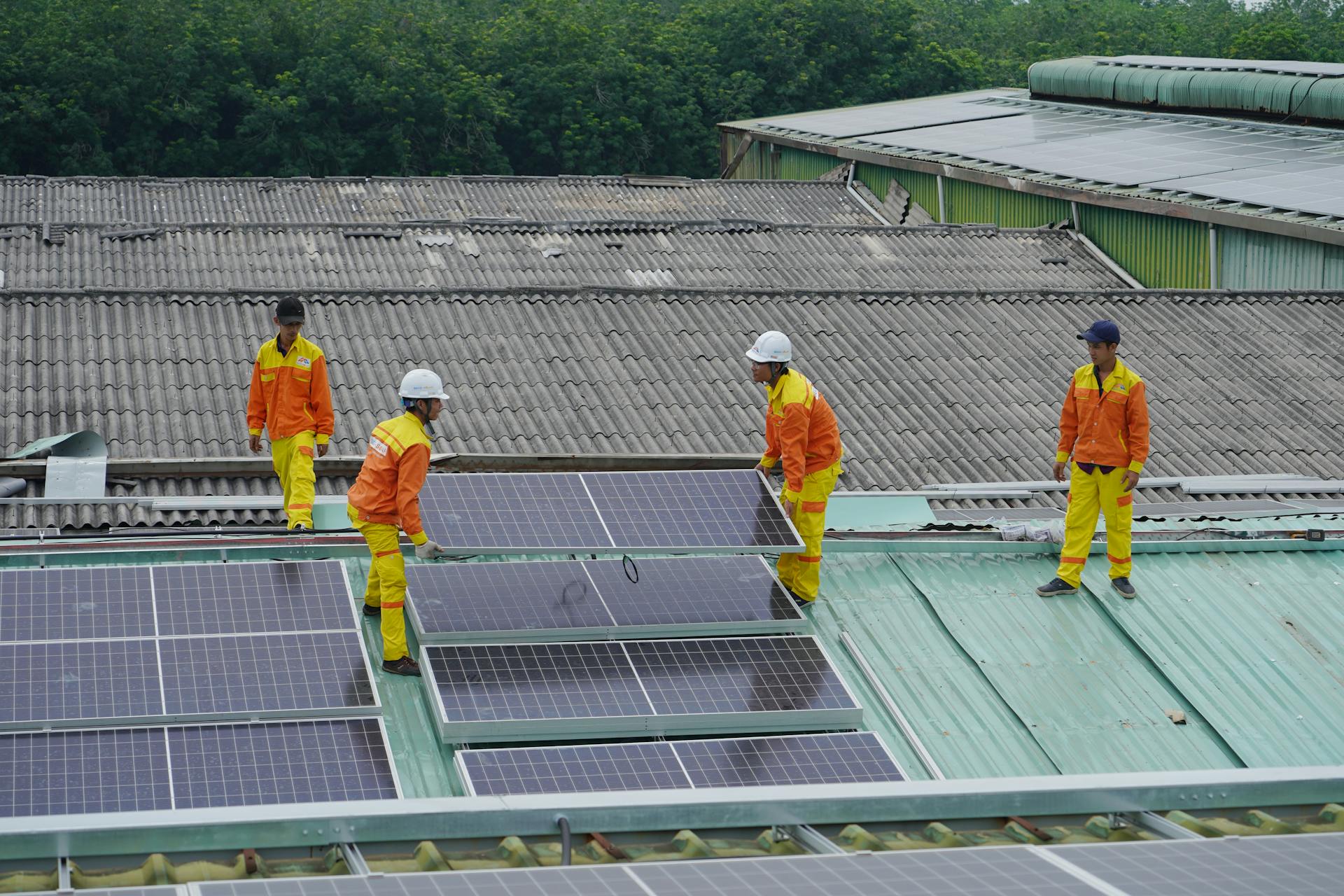
In Part 2 of our Climate Change series, we look beyond definitions and focus on responsibility and action. This article explores how governments and private organizations can help mitigate climate change, and why the scientific evidence clearly shows that human activity is the main driver of global warming.
1. What are the governmental solutions that we know to help mitigate climate change?

Governments play a central role in reducing greenhouse gas emissions and guiding economies toward more sustainable systems. Some of the most effective and widely discussed policy tools include:
- Carbon pricing
Carbon taxes and cap-and-trade systems create financial incentives for companies to reduce emissions by putting a cost on pollution. - Investment in renewable energy
Public funding, subsidies, and research support accelerate the development and adoption of solar, wind, and other clean energy sources. - Energy efficiency standards
Regulations for buildings, appliances, and vehicles reduce energy use and emissions over time, often lowering costs for consumers. - Support for sustainable transport
Expanding public transport, cycling infrastructure, and walkable cities helps reduce reliance on fossil-fuel-based mobility. - Low-carbon agriculture policies
Incentives for regenerative farming, reduced fertilizer use, and improved land management can significantly cut emissions from agriculture. - Forest protection and restoration
Forests act as natural carbon sinks. Conservation and reforestation policies help absorb CO₂ while protecting biodiversity. - Circular economy frameworks
Reducing waste and encouraging reuse and recycling lowers emissions linked to production, transport, and disposal.
2. What can private organizations do to help mitigate climate change?
Businesses and other private organizations also have substantial influence over emissions through daily decisions and long-term strategies. Key actions include:
- Adopting sustainable business practices
Improving energy efficiency, reducing waste, and addressing emissions across supply chains. - Investing in renewable energy
Using on-site renewables or purchasing clean energy to power operations. - Encouraging low-impact transport
Supporting public transport, remote work, carpooling, and electric vehicle use. - Reducing food waste
Food waste is a major source of emissions. Better planning and redistribution can significantly reduce impact. - Supporting sustainable agriculture
Choosing suppliers that follow low-impact and regenerative practices. - Using sustainable materials
Prioritizing recycled, reusable, or biodegradable materials in products and packaging. - Engaging in climate policy
Supporting evidence-based climate policies through advocacy and industry leadership.
3. Is climate change caused by humans?
While Earth’s climate has always changed naturally, the current pace and scale of warming cannot be explained without human influence.
The scientific consensus is clear: human activity is the primary driver of modern climate change.
According to the Intergovernmental Panel on Climate Change (IPCC), it is extremely likely (95–100% probability) that global warming since the mid-20th century is mainly caused by human actions — particularly the burning of fossil fuels.
Key evidence includes:
- Rising global temperatures
Average global temperatures have increased by around 1.1°C since the late 19th century, with the most rapid warming occurring in recent decades. - Changes in Earth’s energy balance
Measurements show the planet is absorbing more energy than it releases, consistent with heat being trapped by greenhouse gases. - Disruptions to the carbon cycle
The chemical signature of atmospheric carbon dioxide matches emissions from fossil fuel combustion. - Attribution studies
Advanced climate models consistently show that observed warming cannot be explained by natural factors alone.
Although uncertainties remain around regional impacts and future scenarios, the overall conclusion is well established: human-driven climate change is real, accelerating, and poses serious risks to ecosystems, economies, and societies.
How This Part Fits in the Series
This second part focuses on responsibility and response. Here, we looked at what governments and private organizations can realistically do to mitigate climate change, and why the scientific consensus clearly links global warming to human activity.
If you’re looking for a more foundational explanation — including what climate change is, how global warming works, and why it matters — Part 1 covers the basics and sets the context for the actions discussed here.
In Part 3, we move beyond actions and responsibilities to examine the systems shaping climate outcomes today. The final guide explores the Paris Agreement, the economic cost of climate change, carbon pricing, and the role technology plays in mitigation and adaptation.
Frequently asked questions
1. What are the governmental solutions that we know to help mitigate climate change?+
Governments play a central role in reducing greenhouse gas emissions and guiding economies toward more sustainable systems. Some of the most effective and widely discussed policy tools include:Carbon pricingCarbon taxes and cap-and-trade systems create financial incentives for companies to reduce emissions by putting a cost on pollution.Investment in renewable energyPublic funding, subsidies, and research support accelerate the development and adoption of solar, wind, and other clean energy sources.Energy efficiency standardsRegulations for buildings, appliances, and vehicles reduce energy use
2. What can private organizations do to help mitigate climate change?+
Businesses and other private organizations also have substantial influence over emissions through daily decisions and long-term strategies. Key actions include:Adopting sustainable business practicesImproving energy efficiency, reducing waste, and addressing emissions across supply chains.Investing in renewable energyUsing on-site renewables or purchasing clean energy to power operations.Encouraging low-impact transportSupporting public transport, remote work, carpooling, and electric vehicle use.Reducing food wasteFood waste is a major source of emissions. Better planning and redistribution c
3. Is climate change caused by humans?+
While Earth’s climate has always changed naturally, the current pace and scale of warming cannot be explained without human influence.The scientific consensus is clear: human activity is the primary driver of modern climate change.According to the Intergovernmental Panel on Climate Change (IPCC), it is extremely likely (95–100% probability) that global warming since the mid-20th century is mainly caused by human actions — particularly the burning of fossil fuels.Key evidence includes:Rising global temperaturesAverage global temperatures have increased by around 1.1°C since the late 19th centur