These Chicago travel tips will save you time, money, and a few cold-weather surprises. The city runs on the CTA L rail system downtown, but outer neighborhoods often require a rideshare or bus. Pick your base by the neighborhoods you want to explore, since Chicago is easiest to see one area at a time.
Chicago basics to know before you land
- Chicago O'Hare (ORD) is 17 miles northwest of the Loop. The CTA Blue Line runs 24 hours and costs $5 per ride from O'Hare to downtown, taking about 45 minutes.
- Midway Airport (MDW) is 10 miles southwest of the Loop. The CTA Orange Line connects it to the Loop in about 30 minutes for $2.50.
- Chicago's average January temperature is 22°F to 32°F. July averages 72°F to 84°F. Pack layers even in summer, as Lake Michigan drops temperatures near the waterfront by 10°F or more.
- The Ventra card is the standard fare card for all CTA buses and L trains. A single ride with a Ventra card costs $2.50 on the L or $2.25 on buses, and paying cash on a bus costs $2.50. Ventra
- Chicago's city hotel tax rate is 17.4%, one of the highest in the US. Budget for this on top of any quoted room rate.
- CTA passes cover unlimited rides for 1 day ($5), 3 days ($15), or 7 days ($20).
- Chicago's 311 non-emergency city services line handles noise complaints, pothole reports, and general city questions. Dial 311 or use the CHI311 app.
Airport to downtown: your transfer options compared
| Route | Mode | Cost | Travel time | Runs 24 hrs? |
|---|---|---|---|---|
| O'Hare (ORD) to Loop | CTA Blue Line | $5 | ~45 min | Yes |
| O'Hare (ORD) to Loop | Rideshare (Uber/Lyft) | $35-$55 surge varies | 25-50 min | Yes |
| O'Hare (ORD) to Loop | Taxi | ~$45-$55 flat zone | 25-50 min | Yes |
| Midway (MDW) to Loop | CTA Orange Line | $2.50 | ~30 min | No (ends ~1am) |
| Midway (MDW) to Loop | Rideshare (Uber/Lyft) | $25-$40 surge varies | 20-35 min | Yes |
How the CTA L works and where it falls short
The CTA operates 8 color-coded rail lines covering the Loop, lakefront, and major neighborhoods. The Red Line runs north-south 24 hours a day, connecting Wrigleyville, Lincoln Park, and the South Side. The Brown Line loops through Lincoln Square and the Near North Side, making it the most useful line for visitors staying outside downtown.
The Blue Line is your airport lifeline, running from O'Hare through Wicker Park and into the Loop without stopping service overnight. The Red and Blue Lines are the only lines that run all night, so if you land late at Midway, budget for a rideshare.
The L does not cover several popular areas well. Pilsen, Logan Square's western edge, and most of the North Shore suburbs require buses or rideshare. The CTA trip planner will show you where transfers add 20-plus minutes to a trip that a rideshare covers in 10.
Where to stay in Chicago, neighborhood by neighborhood
The Loop puts you within walking distance of Millennium Park, the Art Institute, and the Riverwalk, but hotel prices reflect that access. The Magnificent Mile on North Michigan Avenue is about a 10-minute walk from the Loop and gives you easier access to the Red Line at Chicago/State station.
Wicker Park and Bucktown attract visitors who want independent restaurants and nightlife without downtown pricing. The Blue Line's Damen station drops you there in 15 minutes from the Loop. Logan Square, three stops further west on the Blue Line at the Logan Square station, runs even cheaper on accommodation and food.
Lincoln Park and Lakeview are on the Red and Brown Lines and give you direct access to Wrigley Field, the Lincoln Park Zoo (free admission), and the lakefront trail. These neighborhoods work well for families. The South Loop and Printer's Row offer mid-range hotel options a short walk from the Museum Campus, where you find the Field Museum, Shedd Aquarium, and Adler Planetarium.
Practical tips for visiting Chicago on a budget
- Load your Ventra card through the Ventra app before you land. Airport vending machines have lines during peak arrivals, and the app lets you add funds instantly.
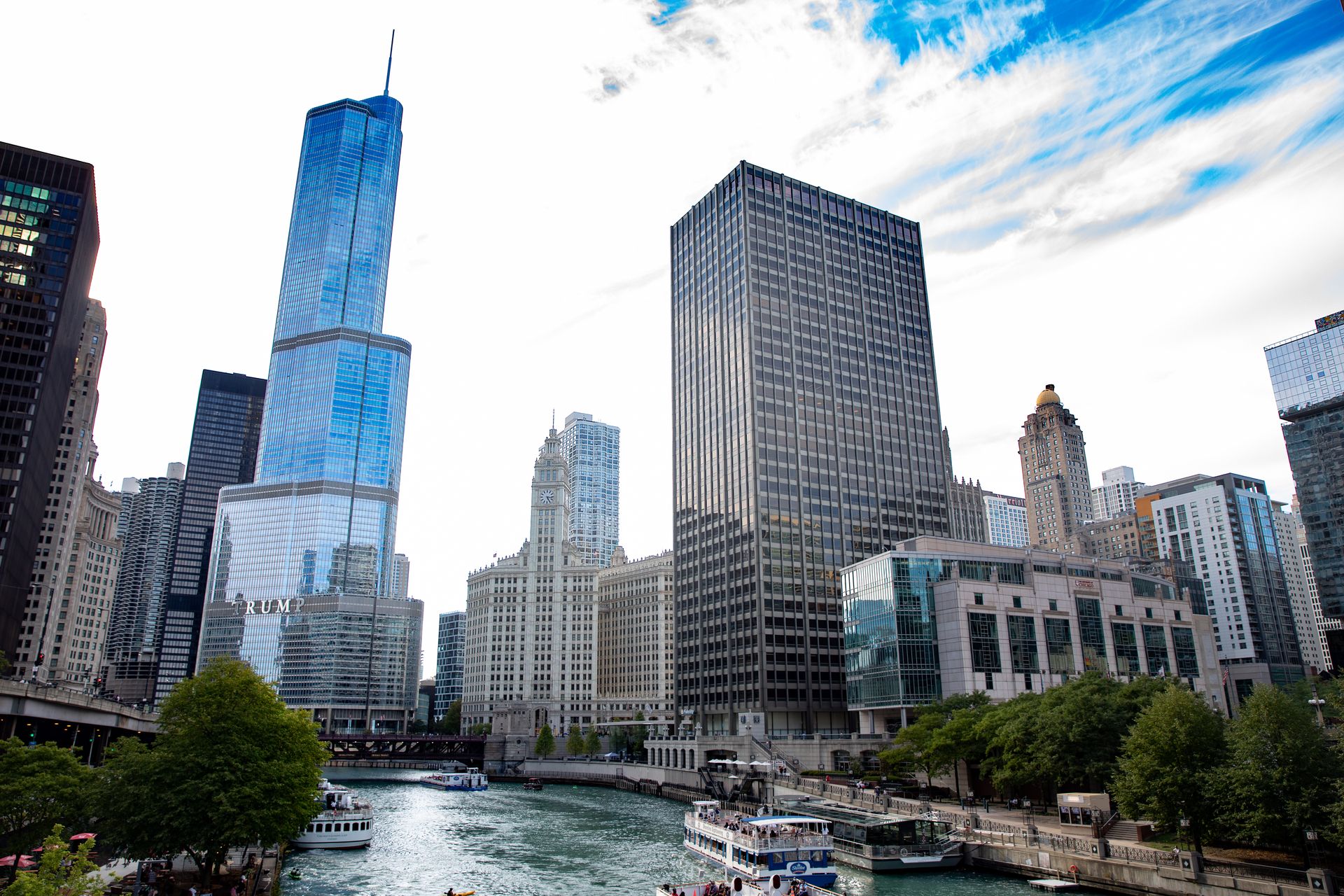
- The Chicago Riverwalk runs free along the Chicago River from Lake Street to Lake Shore Drive. You pass many of the buildings the paid architecture tours point out, and the walk takes about 20 minutes end to end.
- Buy a Chicago CityPASS ($144 for adults, $114 for children) if you plan to visit 5 major attractions. It covers Shedd Aquarium and Skydeck Chicago, plus three you pick from a list that includes the Field Museum, Adler Planetarium and the Art Institute.
- Avoid rideshare surge pricing after Cubs or White Sox games. Both Wrigley Field (Red Line, Addison station) and Rate Field (Red Line, Sox-35th station) are on the Red Line. Take the train and skip the post-game traffic entirely.
- The 606 Trail runs 2.7 miles through Wicker Park, Bucktown, and Logan Square. It's free, and you see the city's residential side up close.
Chicago weather: what to pack for each season
Winter in Chicago runs from December through February, with temperatures regularly dropping below 10°F when wind chill hits. The wind off Lake Michigan accelerates through downtown corridors, so a face covering and waterproof outer layer matter more than a heavier coat alone. The Pedway, a 40-block underground walkway connecting Loop buildings, lets you move between hotels, transit stations, and offices without going outside.
Spring arrives in April but stays unpredictable through May, with temperatures swinging from 40°F to 70°F in the same week. Layers work better than a single heavy jacket. Summer runs hot and humid from late June through August, with heat indexes above 95°F during peak weeks. The lakefront stays cooler by 8-12°F, making the Lakefront Trail and Oak Street Beach practical midday escapes.
Fall is the most consistent season. September and October bring temperatures between 50°F and 68°F with low humidity and clear skies. Hotel rates also drop after Labor Day, so fall is usually the best value.
How to save money in Chicago on food and drink
The best-value meals in Chicago are in neighborhoods away from the tourist strip. Devon Avenue in West Ridge serves some of the city's best South Asian and Middle Eastern food at prices well below River North. From downtown, take the Red Line to Loyola and change to the 155 Devon bus.
Chicago Restaurant Week ran January 23 to February 8, 2026, with prix-fixe brunch and lunch at $30 and dinner at $45 or $60. Outside that window, the Fulton Market District packs in high-quality restaurants, but expect weekend waits of 45-90 minutes at popular spots without a reservation.
Grocery stores in the Loop charge a premium. If you want snacks, drinks, or breakfast supplies, the Jewel-Osco at 1224 S Wabash Ave in the South Loop runs standard city pricing and is a short walk from several downtown hotels.
Chicago neighborhoods compared for visitors
| Neighborhood | Best for | Nearest CTA line | Price level | Walkability |
|---|---|---|---|---|
| The Loop | Business, museums, architecture | All lines converge | Premium | High |
| River North | Nightlife, dining, galleries | Red/Brown: Grand | Premium | High |
| Wicker Park | Independent dining, nightlife | Blue: Damen | Mid-range | High |
| Lincoln Park | Families, lakefront, zoo | Red/Brown: Fullerton | Mid-range | High |
| Logan Square | Budget dining, local bars | Blue: Logan Square | Budget-friendly | Moderate |
| South Loop | Museum Campus, budget hotels | Red: Roosevelt | Mid-range | Moderate |
| Pilsen | Mexican food, murals, art | Pink: 18th St | Budget-friendly | Moderate |
Sustainable travel in Chicago
Choosing the L over a rideshare for airport transfers and daily sightseeing cuts per-trip emissions compared to driving alone.
On Divvy, the city's bike share, a single ride on a classic bike costs $1 to unlock plus $0.20 a minute, and a day pass costs $19.90. Divvy Bikes connects neighborhoods the L misses, including the full Lakefront Trail, without adding a car to the road.
Official sources for Chicago visitors
- Choose Chicago: the city's official tourism site, with event calendars, neighborhood guides, and discount passes.
- CTA Transit Authority: official CTA site for maps, fares, service alerts, and the trip planner.
- City of Chicago: official city government portal covering permits, 311 services, and the Pedway map.
- Ventra: the official fare card system for loading and managing your CTA card or mobile pass.
Putting these Chicago tips together
Most first-time stumbles in Chicago come down to two things: underestimating the lakefront cold and assuming the 'L' reaches everywhere. Pack a real layer even in spring, lean on rail downtown and rideshare for the outer neighborhoods, and book around McCormick Place conventions and the October marathon. Get those right and the city is one of the easiest big ones to navigate.
Things to do in Chicago, by neighborhood
Where to start in each neighborhood, and what’s on there this weekend.
Frequently asked questions
What's the cheapest way to get from O'Hare to downtown Chicago?+
The CTA Blue Line costs $5 from O'Hare and runs 24 hours from O'Hare's underground station directly into the Loop. The trip takes about 45 minutes. Load your Ventra card at the airport vending machines or through the Ventra app before you board. Rideshares from O'Hare run $35-$55 depending on traffic and surge pricing, so the Blue Line saves most travelers $30 or more per trip.
What's the best neighborhood to stay in for first-time visitors?+
The Loop and River North put you closest to major attractions and give you access to every CTA line. If you want lower hotel prices without sacrificing transit access, Wicker Park is 15 minutes from the Loop on the Blue Line and has strong restaurant and bar options. Lincoln Park works well for families, with the free Lincoln Park Zoo and direct Red Line access to both downtown and Wrigleyville.
How do I get around Chicago without a car?+
The CTA L covers the Loop, lakefront, and most major neighborhoods. The Red Line runs 24 hours and handles the north-south corridor. For areas the L misses, CTA buses fill most gaps, though they run slower. Divvy bike share works well for lakefront and cross-neighborhood trips under 3 miles. Rideshare fills the remaining gaps, particularly for late-night Midway trips and outer neighborhood destinations like Pilsen or Beverly.
What's the weather like in Chicago and when should I visit?+
September and October offer the most consistent weather, with temperatures between 50°F and 68°F and lower humidity than summer. Summer runs hot and humid, with July averaging 72°F to 84°F, but the lakefront stays cooler. Winter is harsh, with wind chills regularly below 0°F from January through February. Spring is unpredictable through May. Fall also brings lower hotel rates after Labor Day, making it the strongest value season overall.
How much does the CTA cost in Chicago?+
A single CTA ride with a Ventra card costs $2.50 on the L or $2.25 on buses, or $2.50 in cash on a bus. Rides starting at O'Hare cost $5. CTA passes cover unlimited rides for 1 day ($5), 3 days ($15), or 7 days ($20). If you plan more than two rides a day, the 1-day pass pays for itself. You can buy and load Ventra cards at any L station or through the Ventra app.
What are some insider tips for Chicago that most tourists miss?+
The Chicago Pedway lets you walk 40 blocks underground through the Loop, connecting hotels, transit stations, and office buildings without facing winter wind. The 606 Trail connects Wicker Park, Bucktown, and Logan Square for free and shows you residential Chicago that no bus tour covers. Devon Avenue in West Ridge serves outstanding South Asian and Middle Eastern food at a fraction of River North prices. Take the Red Line to Loyola and change to the 155 Devon bus.