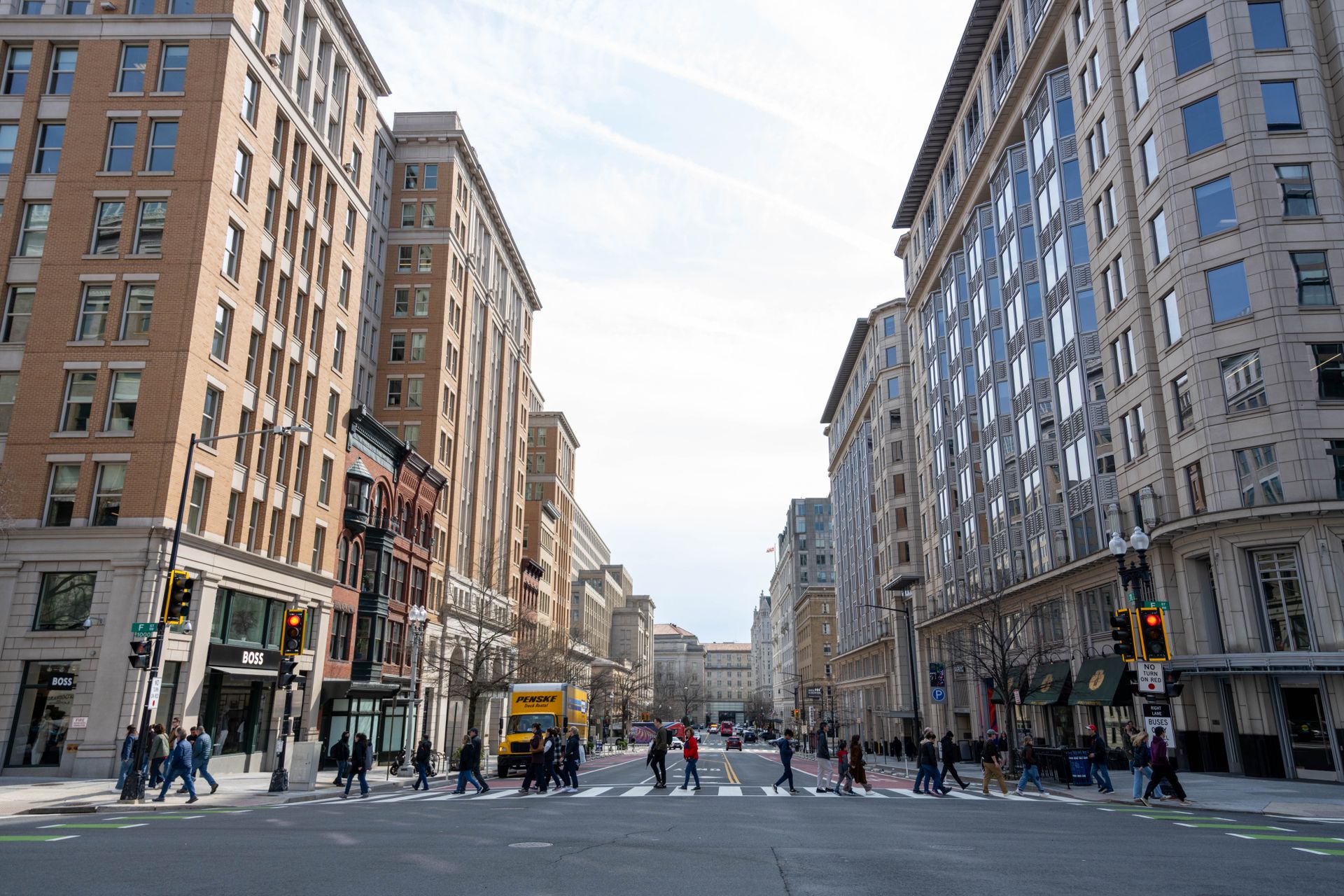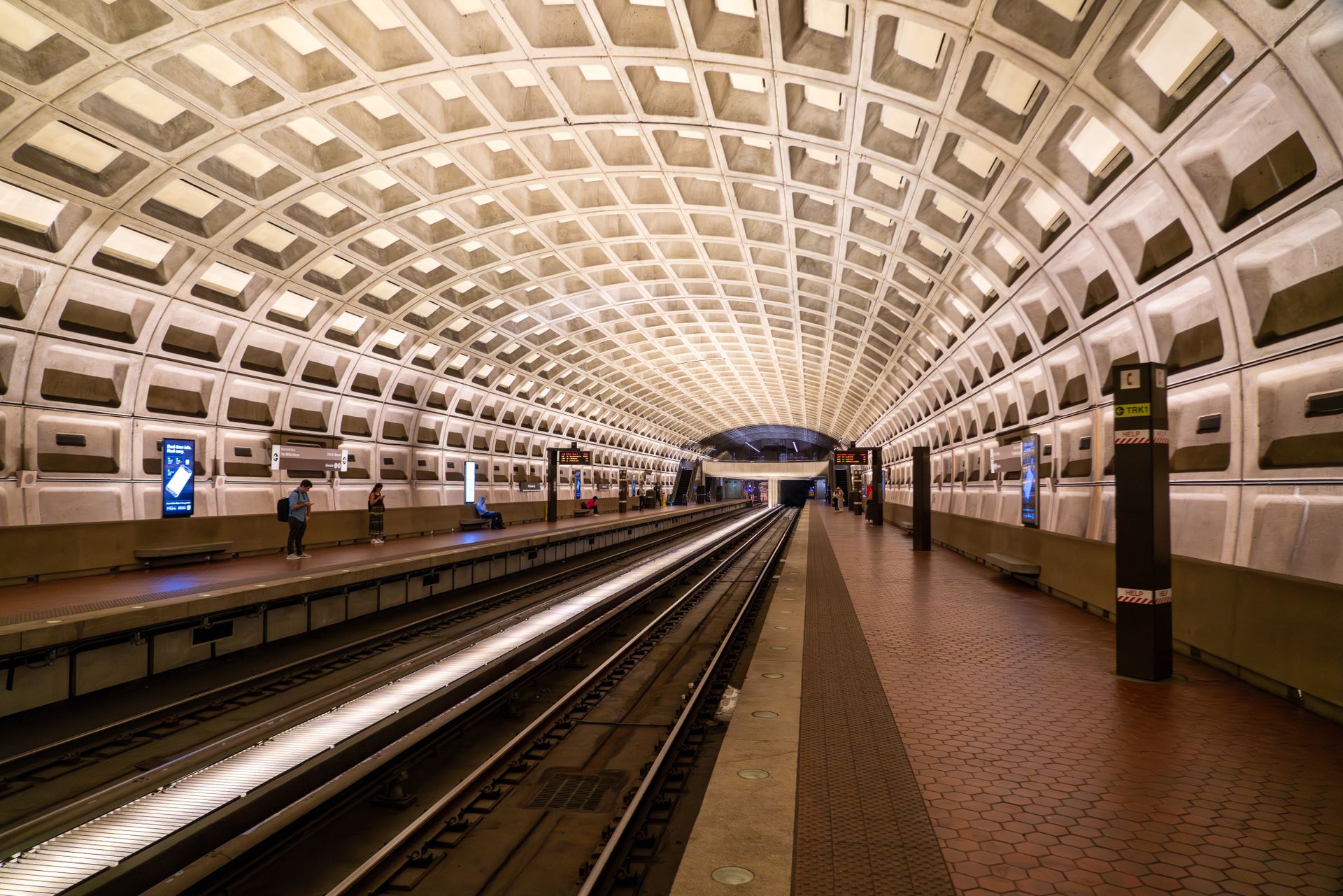
Most visitors to Washington DC do not need a car. The WMATA Metro connects every major neighborhood and tourist destination, Metrobus covers surface routes, and Capital Bikeshare handles short trips between stations. A car becomes useful mainly for day trips outside the city or visits to suburban areas not served by rail.
Key facts before you decide
- Metrorail fares run $2.25 to $6.75 per trip, distance-based. A reloadable SmarTrip card costs $2.00 and works on both Metro and Metrobus.
- Metro opens at 5am on weekdays and 7am on weekends. Service ends at midnight Sunday through Thursday and at 2am Friday and Saturday.
- Capital Bikeshare charges $1 to unlock plus $0.15 per minute for a single ride, or $10 for a day pass.
- Washington Dulles (IAD) connects to DC via the Silver Line with an indoor walkway to the terminal. Reagan National (DCA) is on the Yellow and Blue lines.
- All 17 Smithsonian museums in DC are free. General admission requires no ticket, but some museums require a free timed-entry pass during certain periods. Check the Smithsonian website before you visit.
- Street parking in central DC is scarce and garage parking runs high. Most hotels charge a daily fee for on-site parking.
- The DC Circulator shut down permanently on December 31, 2024. Metrobus now covers those surface routes.
Washington DC transport options at a glance
| Option | Typical cost | Convenience |
|---|---|---|
| Metro (WMATA) | $2.25–$6.75 per trip | Very high |
| Metrobus | $2.00 per trip with SmarTrip | High |
| Capital Bikeshare | $1 unlock + $0.15/min, or $10 day pass | High |
| Taxi / Rideshare | Varies by distance and surge pricing | High |
| Rental Car | Daily rate plus parking fees | Low |
When public transit covers everything you need
If your trip centers on the National Mall, Capitol Hill, Georgetown, Dupont Circle, or Adams Morgan, you can move between all of them without a car. The Metro's Red, Blue, Orange, Silver, Green, and Yellow lines form a grid that reaches every major museum, monument, and neighborhood visitors typically want.
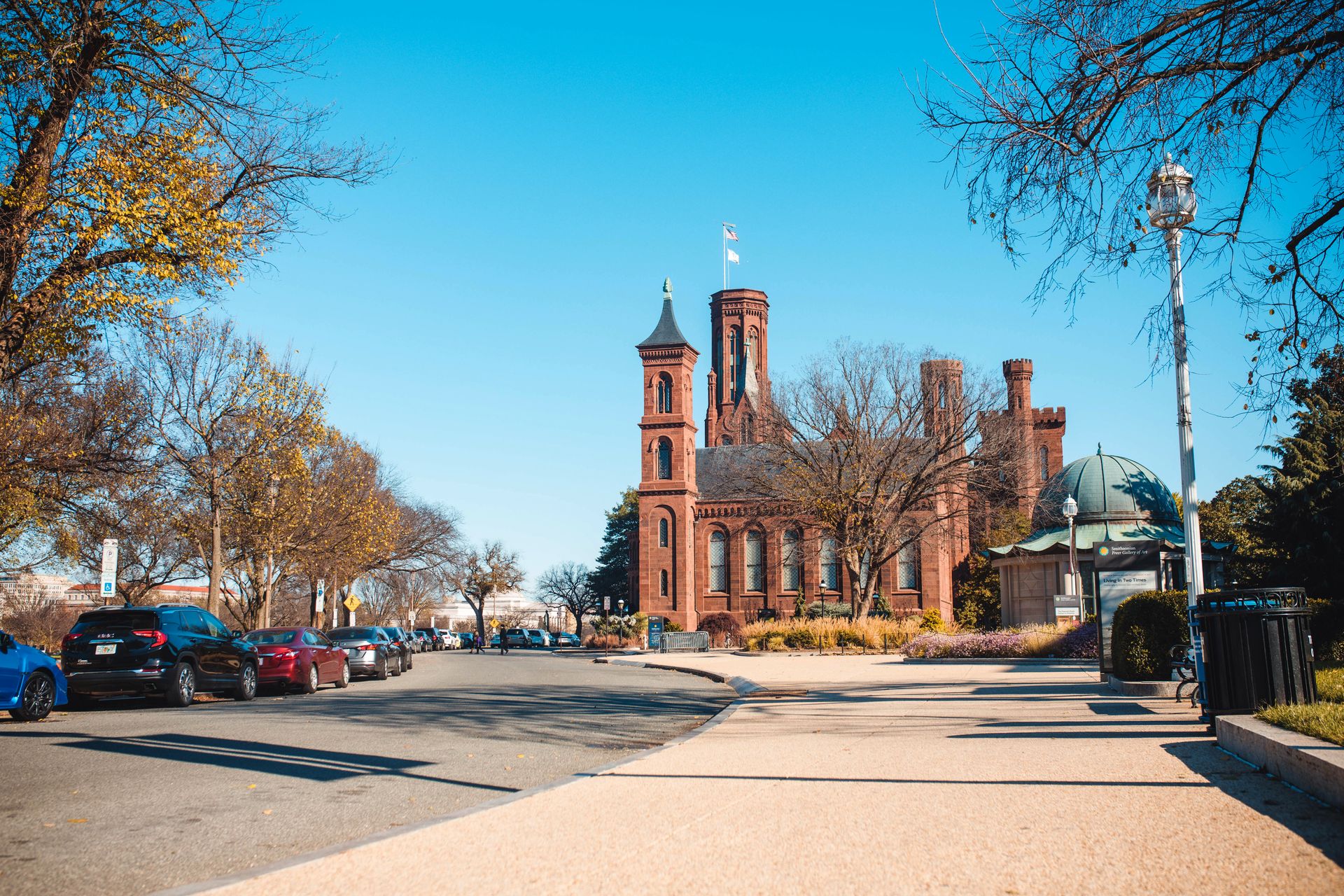
The 17 Smithsonian museums in DC are free and cluster along the Mall between the Capitol and the Lincoln Memorial. Smithsonian station on the Blue, Orange, and Silver lines drops you at the center of that stretch. L'Enfant Plaza station, one stop away, gives you access to four lines and puts you within a 10-minute walk of the National Air and Space Museum and the National Museum of African American History and Culture. General admission is free, though some museums require a free timed-entry pass during busy periods. Check the Smithsonian website before your visit to see which museums need a pass.
For trips between Metro stations, Capital Bikeshare docks appear every few blocks across central DC. A $10 day pass covers unlimited 30-minute rides, which is enough for most point-to-point trips. The Capital Bikeshare app shows dock availability in real time.
When renting a car makes sense in DC
Day trips to Shenandoah National Park require a car. The park is roughly 75 miles west of DC, and no practical transit option reaches the trailheads. The same applies to Skyline Drive, which runs the length of the park's ridge.
Annapolis, Maryland, about 30 miles east, has limited transit connections from DC. Driving takes under an hour and gives you flexibility to explore the waterfront and surrounding county roads at your own pace.
Families traveling with strollers, large luggage, or mobility equipment may find the Metro's elevator reliability frustrating. WMATA has improved its elevator network, but outages still occur. Check WMATA elevator alerts before relying on a specific station.
Suburban Virginia neighborhoods like McLean, Great Falls, and Reston are beyond convenient Metro access for most itineraries. If your plans include multiple stops in Northern Virginia outside the Silver Line corridor, a car saves significant time.
How to get around Washington DC without a car
Start with a SmarTrip card. You can buy one at any Metrorail station for $2.00 and load money onto it at fare machines or through the SmarTrip app. Contactless tap-to-pay with a credit or debit card also works at Metro fare gates and on Metrobus.
For airport arrivals, the Silver Line connects Dulles (IAD) to downtown DC with an indoor walkway from the terminal to the station. No shuttle, no transfer. Reagan National (DCA) is on the Yellow and Blue lines with the station inside the terminal complex. Both airports put you on the Metro within minutes of landing.
Metrobus fills gaps where rail does not reach. Routes cover neighborhoods like Columbia Heights, H Street NE, and Anacostia that are between Metro stations. The WMATA trip planner combines rail and bus options in one search.
For late nights on Friday and Saturday, Metro runs until 2am. On other nights, service ends at midnight. After that, rideshare apps or Metrobus night routes are your options. Plan your last Metro trip before the cutoff to avoid a long wait or a costly ride.
Practical tips for going car-free in DC
- Download the SmarTrip app before you arrive so you can reload your card without stopping at a fare machine.
- Use the WMATA trip planner at wmata.com to combine Metro and Metrobus into one itinerary.
- Check elevator status at wmata.com/service/status before traveling with heavy luggage or a stroller.
- Capital Bikeshare day passes reset at midnight, so buying one in the evening gives you two calendar days of riding.
- Metro's Silver Line runs directly to Dulles Airport with an indoor walkway. No shuttle needed.
- For Georgetown, take the Metro to Foggy Bottom (Blue/Orange/Silver) and walk 10 minutes, or take Metrobus route 38B from Farragut Square.
Parking costs and why they tip the math against driving
Daily parking garage rates in central DC typically run well above what a full day of Metro and bikeshare trips would cost. Most hotels near the Mall and downtown charge a daily fee for on-site parking, and street parking in those areas is metered, time-limited, or permit-only.
For visitors staying more than two or three days, the cost difference between renting a car and using transit adds up fast. A SmarTrip card with $20 loaded covers several days of Metro trips for one person. A rental car, plus parking, plus fuel, costs multiples of that for the same period.
If you do rent a car for a day trip, consider returning it before your urban sightseeing days begin. Many rental locations operate near Metro stations, so you can drop the car and switch back to transit without losing time.
Sustainable travel in Washington DC: transit and bikes
Choosing Metro and bikeshare over a rental car cuts your per-trip carbon output significantly. DC's transit network carries millions of trips per year, and each rider who skips a car reduces congestion and emissions on roads that already carry heavy commuter traffic.
Longer-term sustainability commitments
Capital Bikeshare's bike fleet produces zero direct emissions, and WMATA has committed to electrifying its bus fleet over the coming years. Traveling without a car in DC is one of the easier sustainable choices a visitor can make, because the transit network is good enough that you give up very little convenience to do it.
Official sources
- WMATA (Metro and Metrobus), fares, maps, trip planner, elevator status, and service alerts. The official WMATA app is called DC Metro and Bus, available for iOS and Android.
- Capital Bikeshare, dock locations, pricing, and the app for real-time availability.
- Smithsonian Institution, museum hours, locations, free admission details, and timed-entry pass information for all 17 DC museums.
- DDOT (DC Department of Transportation), parking rules, bike lanes, and surface transit information.
Frequently asked questions
What's the cheapest way to get around Washington DC?+
Metrobus costs $2.00 per trip with a SmarTrip card and covers most of the city. Metrorail starts at $2.25 and goes up based on distance. For short trips between Metro stations, Capital Bikeshare at $1 to unlock plus $0.15 per minute often beats a bus or rail fare. A $10 Capital Bikeshare day pass covers unlimited 30-minute rides and works well for a full day of sightseeing.
Can I get from Dulles Airport to DC without a car?+
Yes. The Silver Line connects Washington Dulles (IAD) to downtown DC with an indoor walkway from the terminal to the station. No shuttle bus, no transfer. The ride to Metro Center takes roughly 45 to 55 minutes depending on your destination. Reagan National (DCA) is even closer, with the Yellow and Blue lines stopping inside the terminal complex.
What's the Metro schedule in Washington DC?+
Metrorail opens at 5am on weekdays and 7am on weekends. Service ends at midnight Sunday through Thursday and at 2am on Friday and Saturday. There is no overnight rail service. If you plan a late night out on a weekday, check your last train time before you leave so you are not stranded.
Do I need a car to visit the Smithsonian museums?+
No. All 17 Smithsonian museums in DC are free and most are along the National Mall, within walking distance of Smithsonian station (Blue, Orange, Silver lines) or L'Enfant Plaza station (Blue, Orange, Silver, Green, Yellow lines). General admission is free, though some museums require a free timed-entry pass during busy periods. Check the Smithsonian website before your visit. Driving to the Mall adds parking costs and traffic frustration with no benefit over taking the Metro.
What are the best day trips from DC that require a car?+
Shenandoah National Park is the clearest case. The park is about 75 miles west of DC and has no practical transit connection to its trailheads. Annapolis, Maryland, roughly 30 miles east, is also much easier by car. For both destinations, renting a car for one or two days and using Metro for the rest of your trip is a practical approach.
What replaced the DC Circulator bus?+
The DC Circulator shut down permanently on December 31, 2024. Metrobus now covers the surface routes that the Circulator previously served. Use the WMATA trip planner at wmata.com to find the right Metrobus route for your trip.