Washington DC is safe for tourists in its most-visited areas, including the National Mall, Capitol Hill, Georgetown, Dupont Circle, and Adams Morgan. Crime is concentrated in specific neighborhoods well outside the tourist corridor, and most visitors complete their trips without incident. Knowing which areas to avoid and what resources to use if something goes wrong makes the difference between a smooth trip and a stressful one.
If you need help in Washington DC
- Emergency: Call 911
- Non-urgent issue: Call 311
- Suspicious WMATA Metro activity: Call 202-962-2121 or text 696873
- Mental health crisis: Call 988 (Suicide & Crisis Lifeline)
Which DC neighborhoods are safe for tourists
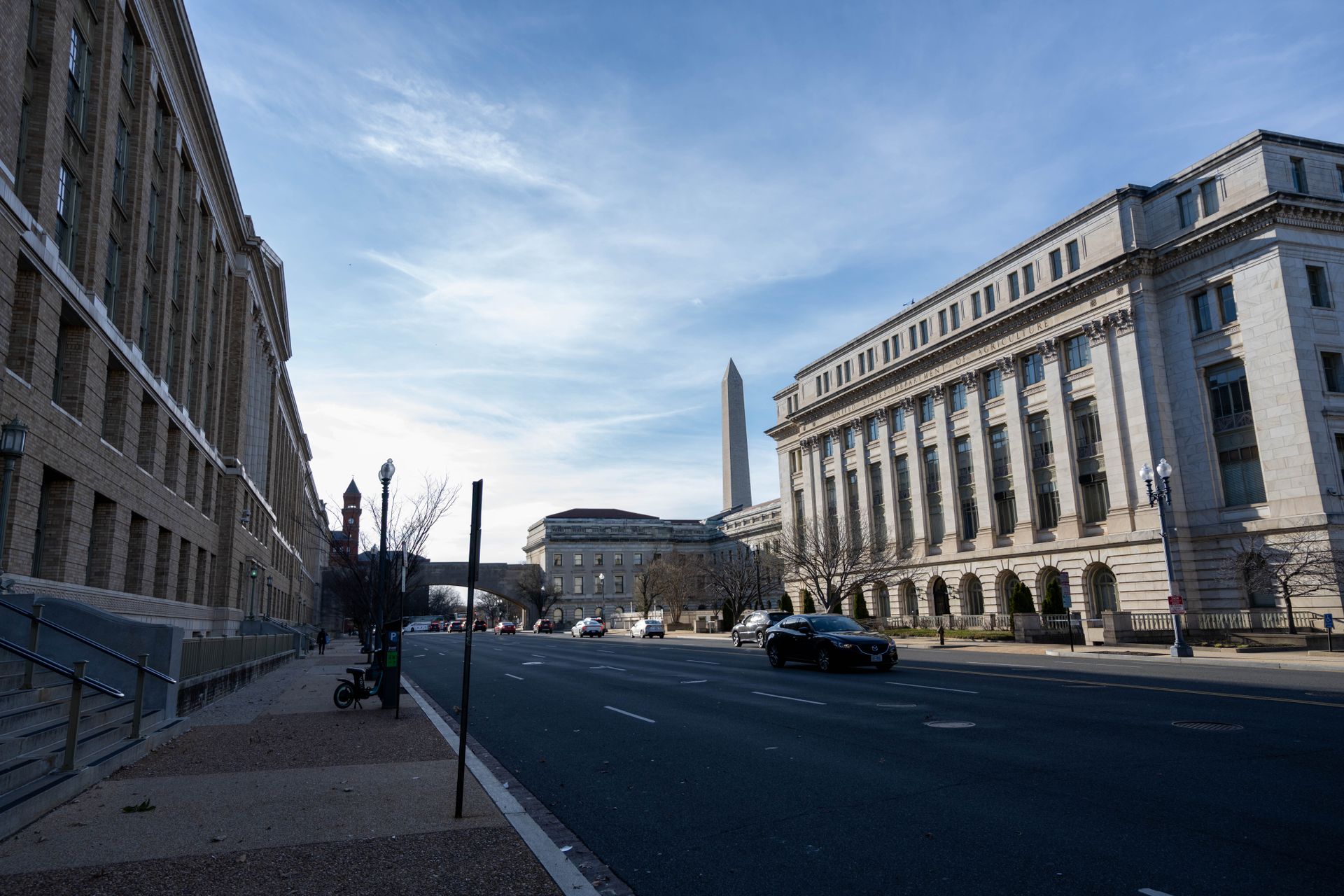
The National Mall runs from the Lincoln Memorial to the Capitol Building and draws millions of visitors each year. Park Police and Metropolitan Police Department officers patrol it around the clock, and the open sightlines make it one of the most secure stretches of public space in the country.
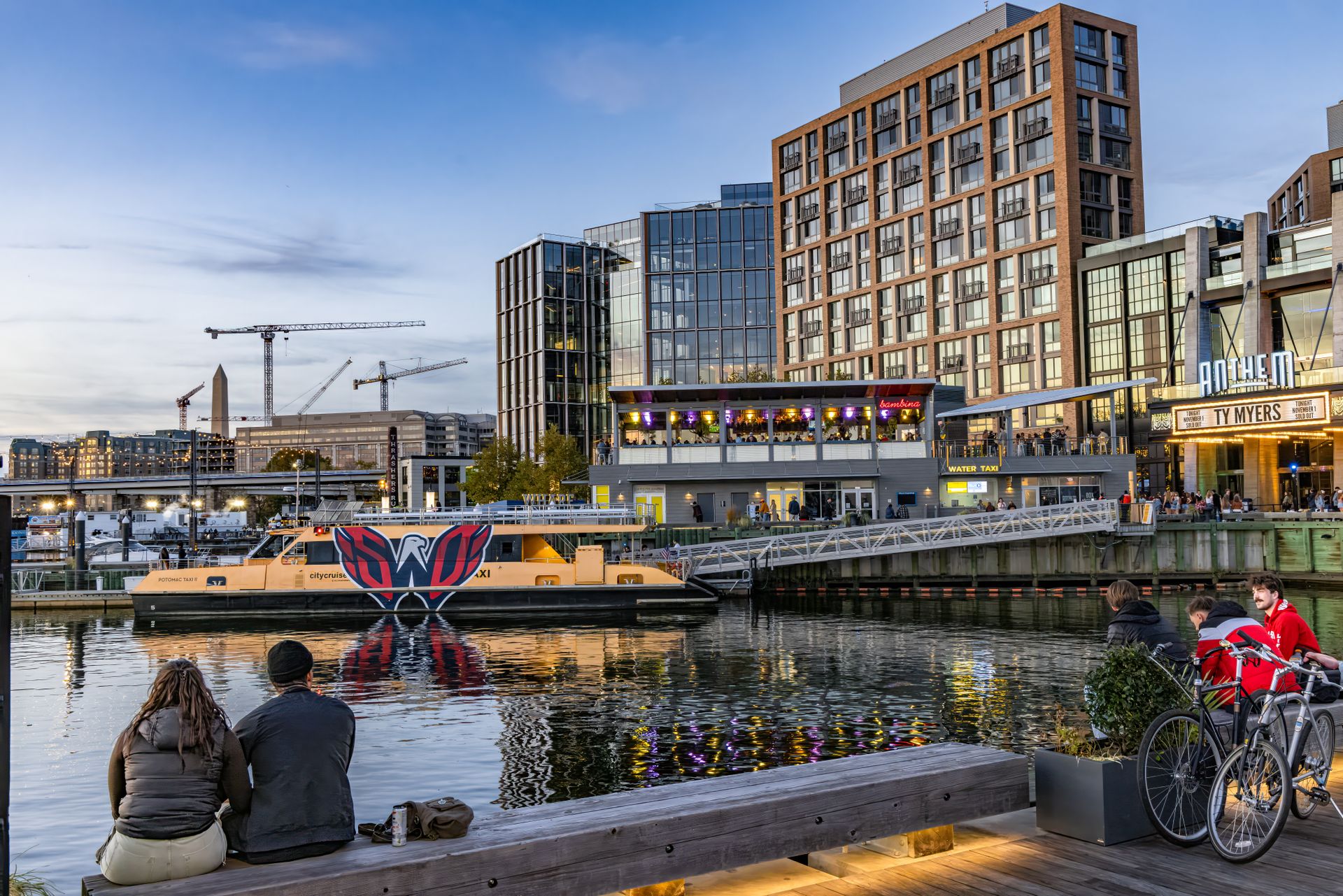
Georgetown and Dupont Circle are dense with restaurants, hotels, and foot traffic well into the evening. Both neighborhoods have low violent crime rates relative to the city average, and you can walk between them without concern during daylight or early evening hours.
Capitol Hill, the area immediately surrounding the US Capitol, is heavily policed and generally safe. The residential blocks east of Lincoln Park get quieter at night, so stick to well-lit streets if you're out after dark.
Adams Morgan and U Street Corridor are popular nightlife areas. They're safe for most visitors, but the late-night bar crowd brings the occasional street confrontation. Keep your phone in your pocket and stay aware of your surroundings after midnight.
Logans Circle and Shaw have gentrified over the past decade and are now comfortable for tourists, though isolated blocks still see property crime. Use the same common sense you would in any urban neighborhood.
Areas where tourists should exercise more caution
Anacostia, Congress Heights, and the neighborhoods east of the Anacostia River, including Barry Farm and Shipley Terrace, have significantly higher rates of violent crime than the tourist-facing parts of the city. The DC Metropolitan Police Department's crime data consistently places these areas among the highest for robbery and assault.
Tourists rarely have reason to visit these neighborhoods. If you do, go during daylight hours, travel with others, and avoid displaying expensive cameras or jewelry. The DC MPD Crime Map lets you check incident data by block before you go.
Parts of Congress Heights near the St. Elizabeths East campus are undergoing redevelopment, but the surrounding blocks remain high-crime. The same applies to sections of Deanwood and Marshall Heights in the far northeast.
Even in safer neighborhoods, the blocks immediately around certain Metro stations, including Congress Heights and Anacostia on the Green Line, warrant extra attention at night. If you're using the Metro late, stay on the platform near the station manager's booth and board a car with other passengers.
DC neighborhood safety at a glance
| Neighborhood | Tourist traffic | Daytime safety | Night caution level |
|---|---|---|---|
| National Mall | Very high | Excellent | Low |
| Georgetown | High | Excellent | Low |
| Dupont Circle | High | Excellent | Low |
| Capitol Hill | High | Very good | Moderate after midnight |
| Adams Morgan | Moderate | Good | Moderate late night |
| U Street Corridor | Moderate | Good | Moderate late night |
| Shaw / Logan Circle | Moderate | Good | Moderate |
| Anacostia | Very low | Use caution | High |
| Congress Heights | Very low | Use caution | High |
| Deanwood / Marshall Heights | Very low | Use caution | High |
Washington DC WMATA Metro safety tips
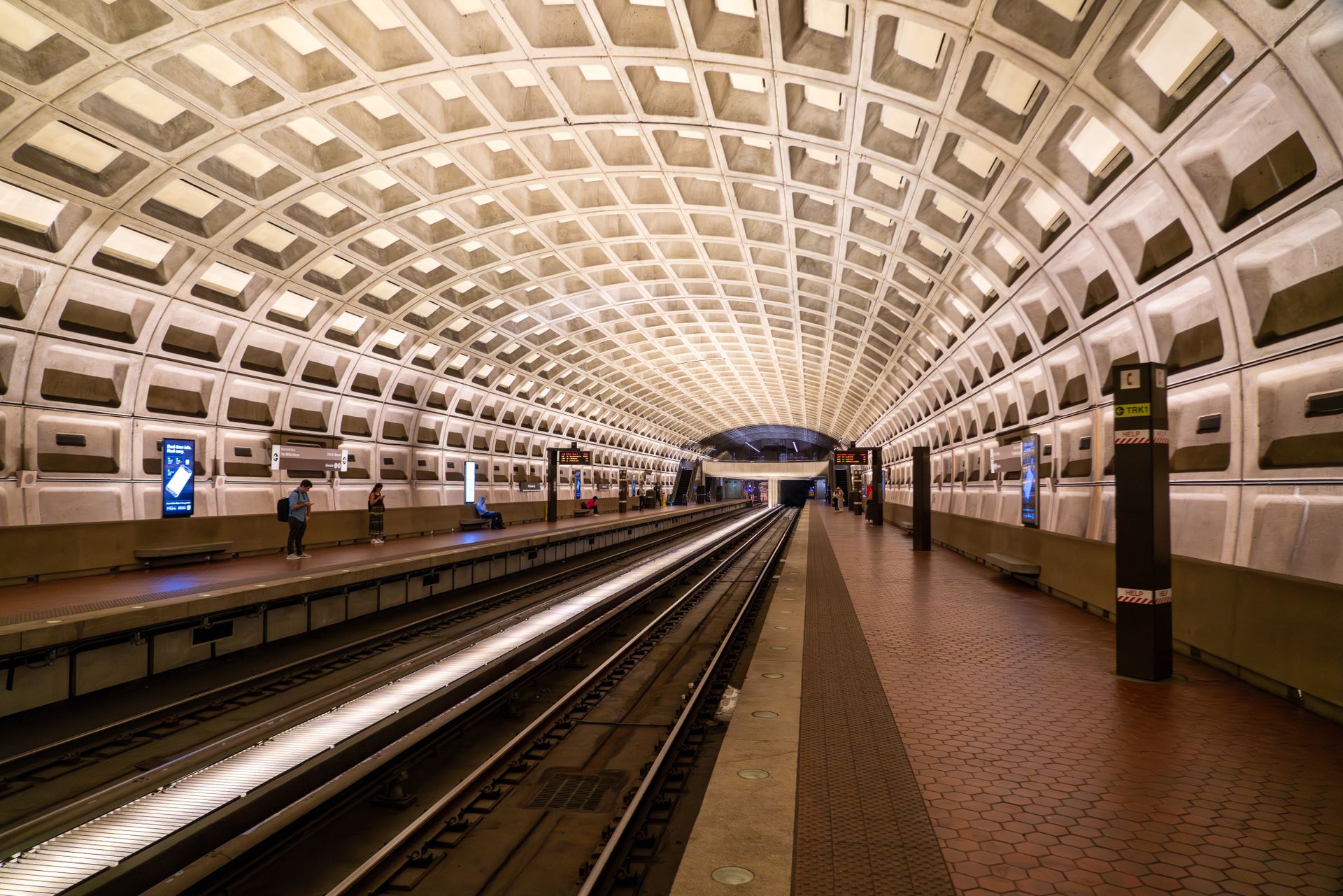
The Metro is the backbone of tourist transit in DC, connecting Reagan National Airport, Union Station, and every major attraction. Metro Transit Police patrol stations and trains, and the system has emergency intercoms on every platform.
If you see something suspicious on the Metro, call 202-962-2121 or text 696873 to reach Metro Transit Police directly. You don't need to wait for an emergency to use these contacts. Reporting a person behaving erratically or an unattended bag is exactly what they're for.
Avoid the last train of the night on any line if you're traveling alone. Metro closes between 11:30 p.m. around midnight Sunday through Thursday and at 2 a.m. on Friday and Saturday. Plan your return trip before the system shuts down, or use a rideshare app. The WMATA trip planner shows real-time schedules and service alerts.
Keep your SmarTrip card or contactless payment ready before you reach the fare gate. Fumbling with your phone or wallet at the gate in a busy station is an easy opportunity for pickpockets, particularly at Gallery Place-Chinatown and L'Enfant Plaza, which are the system's busiest transfer points.
Emergency resources and police contacts in Washington DC
The Metropolitan Police Department operates seven police districts across DC. For non-emergency police matters, call 202-727-9099. You can also walk into any district station to file a report or ask for assistance.
The closest hospital to the National Mall and Capitol Hill area is MedStar Washington Hospital Center at 110 Irving Street NW. George Washington University Hospital at 900 23rd Street NW is the closest major trauma center to Georgetown and Foggy Bottom.
If you lose your passport, the nearest embassy or consulate for your country handles replacement. The US State Department's Smart Traveler Enrollment Program lets foreign nationals register their trip so their embassy can reach them in a crisis.
For mental health emergencies, call 988. DC also operates the Department of Behavioral Health's 24-hour crisis line at 888-793-4357, which dispatches mobile crisis teams rather than police when appropriate.
Petty crime patterns tourists should know
Pickpocketing is the most common crime affecting tourists in DC. It happens most often in crowded Metro stations, on the National Mall during large events, and around the Smithsonian museums on weekends. Use a front-pocket wallet or a money belt, and keep your phone in a zipped bag rather than a back pocket.
Car break-ins are common in Georgetown and near the monuments, particularly in surface parking lots. Don't leave bags, cameras, or laptops visible in a parked car. Thieves work quickly and target rental cars, which are easy to identify.
Scams targeting tourists are less common in DC than in some other major cities, but you'll occasionally encounter people near the Mall asking for money with elaborate stories. You're not obligated to engage. Walk past and keep moving.
Practical safety tips specific to Washington DC
- Download the DC311 app to report non-emergency issues like broken streetlights or suspicious activity without calling.
- Use the WMATA Metro's SmarTrip card or contactless payment at fare gates, especially at busy stations like Gallery Place-Chinatown and Metro Center, to avoid fumbling with cash.
- Check the DC MPD Crime Map before visiting an unfamiliar neighborhood. It shows incidents by block and updates regularly.
- If you're out late in Adams Morgan or U Street, arrange your rideshare pickup from inside a bar or restaurant rather than standing on the sidewalk.
- The National Park Service Police patrol the Mall and monuments 24 hours a day. Their non-emergency line is 202-619-7910.
Official sources for DC safety information
- DC Metropolitan Police Department, crime maps, district contacts, and safety alerts for all DC neighborhoods.
- WMATA Metro Transit Police, Metro-specific safety resources and the 202-962-2121 tip line.
- National Park Service Police, jurisdiction over the National Mall, monuments, and federal parkland.
- DC Homeland Security and Emergency Management Agency, emergency preparedness resources and real-time alerts for DC residents and visitors.
Frequently asked questions
What's the safest area in Washington DC for tourists?+
The National Mall is the safest area for tourists, with constant Park Police and Metropolitan Police presence and high foot traffic throughout the day. Georgetown and Dupont Circle follow closely, with low violent crime rates and active street life into the evening. All three areas are well-lit, heavily patrolled, and close to major transit options.
What's the most dangerous neighborhood in Washington DC?+
Anacostia, Congress Heights, and the neighborhoods east of the Anacostia River consistently record the highest violent crime rates in the city according to DC MPD data. Tourists have very few reasons to visit these areas. If you do go, travel during daylight hours and check the DC MPD Crime Map at crimecards.dc.gov before you arrive.
Is the DC Metro safe to use at night?+
The Metro is generally safe, but late-night travel on quieter lines warrants extra attention. Metro Transit Police patrol stations and trains, and every platform has emergency intercoms. Avoid the last train of the night if you're alone, stay near the station manager's booth while waiting, and board a car with other passengers. Call 202-962-2121 or text 696873 to report anything suspicious.
What should I do if I'm a victim of crime in Washington DC?+
Call 911 for emergencies and 202-727-9099 for non-emergency police matters. You can also walk into any MPD district station to file a report. If your passport or travel documents are stolen, contact your country's embassy or consulate immediately. Foreign nationals registered with the US State Department's Smart Traveler Enrollment Program at step.state.gov can get faster consular assistance.
Is Washington DC safe for solo female travelers?+
Solo female travelers move through the tourist corridor, including the Mall, Georgetown, Dupont Circle, and Capitol Hill, without significant issues during the day and early evening. At night, the same precautions that apply in any major city apply here: stay in well-lit areas, arrange rideshare pickups from inside venues rather than the street, and keep your phone charged. Adams Morgan and U Street are lively but can get rowdy after midnight on weekends.
What's the non-emergency police number in Washington DC?+
The DC Metropolitan Police Department's non-emergency line is 202-727-9099. Use this number to report crimes that don't require an immediate response, ask questions, or get connected to the right district. For Metro-specific concerns, call Metro Transit Police at 202-962-2121 or text 696873. Reserve 911 for situations involving immediate danger.