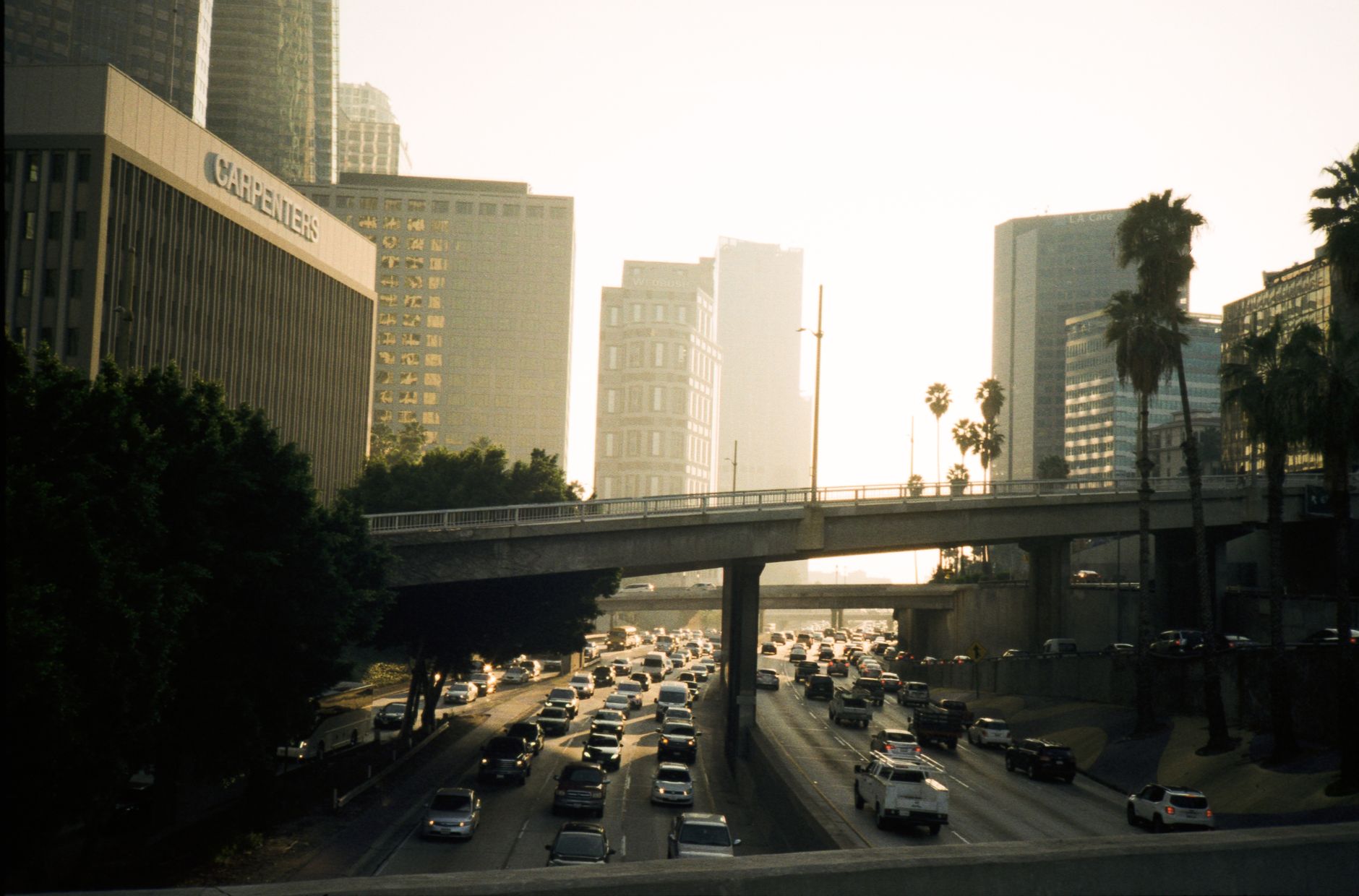
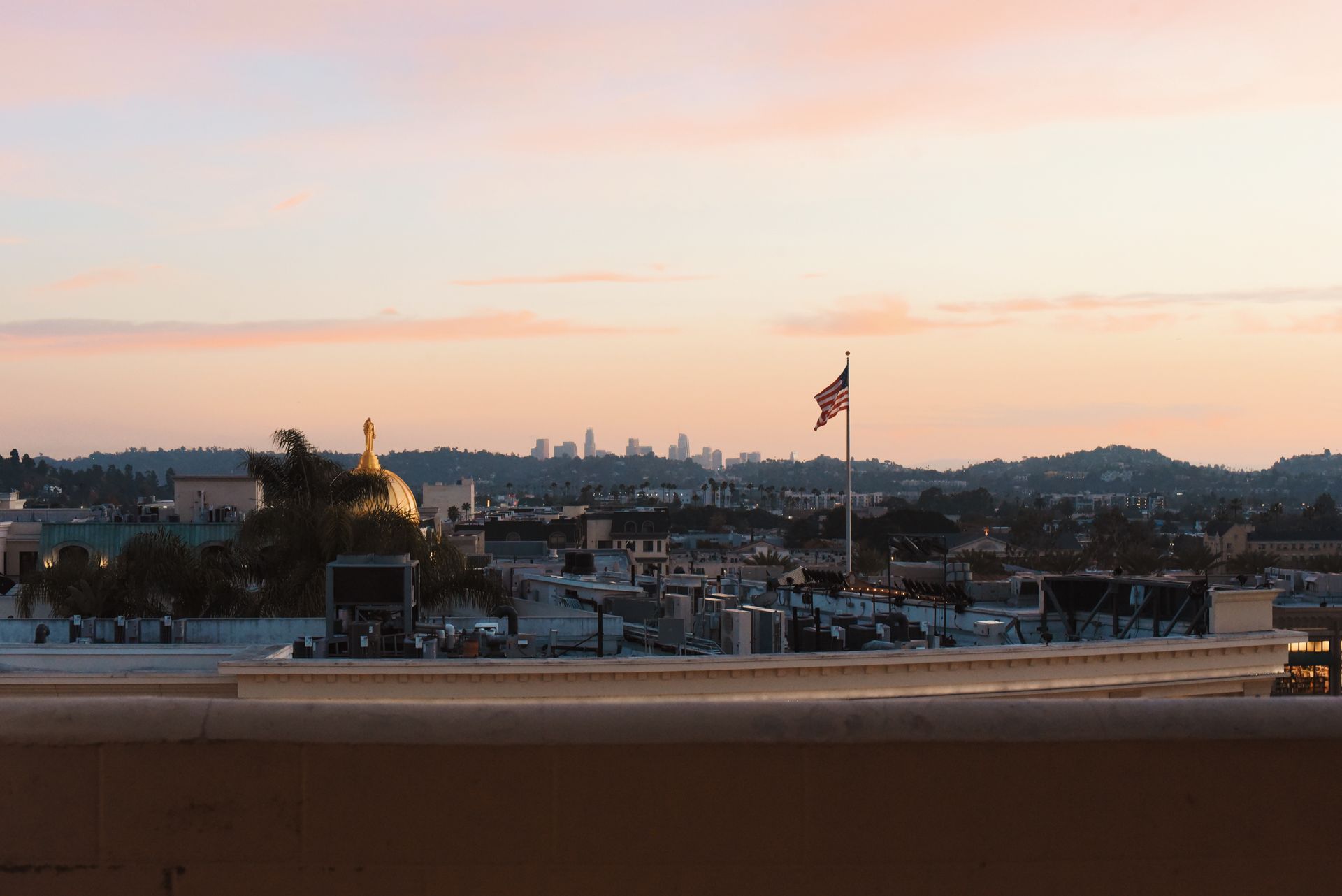
The best months to visit Los Angeles are March through May and September through November, when temperatures hold between 68°F and 78°F (20°C–26°C), hotel rates are below peak summer pricing, and major crowds thin out after the summer rush. Spring gives you blooming Griffith Park trails and manageable beach traffic, while fall delivers warm, dry days with some of the city's biggest cultural events. Both windows let you move around the city without fighting the gridlock that peaks in July and August.
Los Angeles at a glance: key facts by season
- Los Angeles in Spring (March–May): Weather, Travel Costs & Crowds. Daytime highs run 68°F–75°F (20°C–24°C) with low humidity and rare rain. Hotel rates climb from mid-range in March toward premium by late May as summer bookings begin. Crowds at Griffith Observatory and the Getty Center stay manageable. The LA Marathon draws roughly 27,000 runners through downtown in mid-March, tightening hotel availability that weekend.
- Los Angeles in Summer (June–August): Weather, Travel Costs & Crowds. June starts with 'June Gloom,' a marine layer that keeps mornings overcast and temperatures around 70°F (21°C) near the coast. By July and August, inland areas like Pasadena and the San Fernando Valley hit 90°F–100°F (32°C–38°C), while Santa Monica stays closer to 75°F–80°F (24°C–27°C). Hotel rates peak across the city. Theme parks, beaches, and the Hollywood Walk of Fame see their highest foot traffic of the year.
- Los Angeles in Fall (September–November): Weather, Travel Costs & Crowds. September often delivers the warmest, clearest days of the year, with highs around 80°F–85°F (27°C–29°C) and low humidity. October cools to 72°F–78°F (22°C–26°C). Hotel rates drop from summer peaks, and beach crowds thin after Labor Day. The LA County Fair runs through late September at the Fairplex in Pomona, and the AFI Fest in November draws film industry crowds to Hollywood.
- Los Angeles in Winter (December–February): Weather, Travel Costs & Crowds. Average winter highs range from 65°F–68°F (18°C–20°C), with overnight lows typically between 47°F and 52°F (8°C–11°C). December sees premium hotel pricing around the holidays, then rates drop sharply in January and February, making those two months the cheapest of the year. The Rose Parade and Rose Bowl Game on January 1 pack Pasadena hotels weeks in advance. Rain is most likely in January and February, though total annual rainfall in LA averages only 15 inches (38 cm), per NOAA data.
Month-by-month weather and what it means for your trip
January and February bring the highest chance of rain, but 'rainy' in Los Angeles means a few overcast days with occasional showers, not sustained downpours. Temperatures stay mild, and you can walk Runyon Canyon or visit the Broad museum without the summer crowds pressing in around you.
March through May is the window most travelers underestimate. The hills stay green from winter rain, wildflower blooms appear in the Santa Monica Mountains, and the Pacific Coast Highway drive between Malibu and Point Mugu is at its most scenic. Daytime temperatures of 68°F–75°F (20°C–24°C) make outdoor sightseeing comfortable without sunscreen anxiety.
June opens with the marine layer that locals call June Gloom. Coastal neighborhoods like Venice, Santa Monica, and Manhattan Beach wake up to gray skies that burn off by early afternoon. Inland, temperatures climb faster, so if you plan to spend time in Pasadena, Burbank, or the San Gabriel Valley, expect 85°F–90°F (29°C–32°C) by midday.
July and August push inland temperatures above 95°F (35°C) on hot days, and wildfire smoke occasionally affects air quality in the valleys. The coast stays cooler, but beach parking at Zuma and El Matador fills by 9 a.m. on weekends. If you visit in summer, plan beach days on weekdays and use the Metro E Line to reach Santa Monica without the parking battle.
September is the local favorite. The marine layer retreats, skies clear, and temperatures across the basin settle into the low-to-mid 80s°F (27°C–29°C). October cools gradually, and by November you get crisp evenings around 55°F (13°C) that make outdoor dining on Abbot Kinney or in Silver Lake feel like a different city than the one tourists see in August.
December brings holiday lighting on Rodeo Drive and at the Grove, and the Griffith Observatory hosts free public telescope nights. Temperatures drop to overnight lows around 47°F–52°F (8°C–11°C), so pack a layer for evenings.
Los Angeles month-by-month: weather, crowds, and hotel pricing
| Month | Avg high °F / °C | Avg low °F / °C | Crowd level | Hotel pricing |
|---|---|---|---|---|
| January | 65°F / 18°C | 47°F / 8°C | Low (except Rose Bowl weekend) | Lowest of year |
| February | 66°F / 19°C | 48°F / 9°C | Low | Lowest of year |
| March | 68°F / 20°C | 51°F / 11°C | Moderate | Mid-range |
| April | 71°F / 22°C | 54°F / 12°C | Moderate | Mid-range |
| May | 74°F / 23°C | 57°F / 14°C | Moderate–High | Mid-range to premium |
| June | 78°F / 26°C | 61°F / 16°C | High | Premium |
| July | 83°F / 28°C | 64°F / 18°C | Peak | Peak |
| August | 84°F / 29°C | 65°F / 18°C | Peak | Peak |
| September | 82°F / 28°C | 62°F / 17°C | Moderate–High | Dropping from peak |
| October | 76°F / 24°C | 57°F / 14°C | Moderate | Mid-range |
| November | 70°F / 21°C | 52°F / 11°C | Low–Moderate | Mid-range |
| December | 66°F / 19°C | 48°F / 9°C | Moderate (holiday spike) | Premium in mid-Dec |
Best time to visit Los Angeles by traveler type
Budget travelers get the most value in January and February, when hotel rates across the city drop to their annual floor. Skip the Rose Bowl weekend (January 1) in Pasadena, where rates spike, and you can find mid-range accommodations in Hollywood, Koreatown, and Downtown LA at prices well below the summer average. Free attractions, including the Getty Center, Griffith Observatory, and the Natural History Museum of Los Angeles County on select days, stretch a tight budget further.
Families with school-age children face a trade-off. Summer aligns with school breaks but brings peak pricing and the longest theme park queues at Universal Studios Hollywood and Disneyland. Spring break in late March or early April gives families warm weather, shorter lines, and lower hotel rates than July. If summer is the only option, book Universal Studios tickets online in advance and arrive at park opening to beat the midday crowds.
Business travelers find the most predictable availability in February, March, and October, when major conventions at the Los Angeles Convention Center on 1201 South Figueroa Street are spaced out. The E3 gaming conference (June) and LA Auto Show (November) compress Downtown hotel inventory significantly, so book at least six weeks ahead if your dates overlap with those events.
Event-focused travelers should target June for the LA Pride Festival in West Hollywood, September for the LA County Fair and the start of the fall film festival circuit, and November for the AFI Fest at the TCL Chinese Theatre on 6925 Hollywood Boulevard. The Grammy Awards, held at Crypto.com Arena in February, draw industry crowds to Downtown and Mid-Wilshire hotels.
Travelers who want fewer crowds do best in late January and early February. The Rose Bowl rush has passed, spring break has not started, and most international tour groups have not yet arrived. Museums, hiking trails in the Santa Monica Mountains, and the Venice Boardwalk all feel noticeably quieter.
Quick-reference decision table: when to go based on your priority
| If you want | Best time to go | Key reason |
|---|---|---|
| Lowest hotel rates | January–February | Post-holiday demand drop; avoid Rose Bowl weekend |
| Best weather | April and October | 70°F–76°F (21°C–24°C), low humidity, clear skies |
| Major events | June and September | LA Pride, LA County Fair, fall film festivals |
| Festive atmosphere | December | Holiday lighting at the Grove, Griffith Observatory events |
| Fewer crowds | Late January | Post-Rose Bowl lull before spring break season |
Major events that affect hotel availability and rates
The Rose Parade and Rose Bowl Game on January 1 pack every hotel within 10 miles of Pasadena. Properties along the Metro A Line corridor from Downtown to Pasadena sell out weeks ahead. If you plan to attend, book by October.
The LA Marathon in mid-March closes major streets through Downtown, Hollywood, and Santa Monica. Hotels along the course, particularly in Downtown and West Hollywood, see a rate spike that weekend. The race draws roughly 27,000 participants and large spectator crowds along Figueroa Street and Sunset Boulevard.
Coachella Valley Music and Arts Festival in April takes place in Indio, about 130 miles east of LA, but it pulls hotel demand across the entire region. Palm Springs and the Coachella Valley sell out first, then travelers book back into LA. Expect elevated rates across the city on Coachella weekends.
The LA Auto Show at the Convention Center runs in mid-to-late November and draws automotive press and industry buyers who fill Downtown hotels. The Grammy Awards at Crypto.com Arena in February compress Mid-Wilshire and Downtown inventory for the surrounding week.
The AFI Fest in November brings film industry professionals to Hollywood for a week of screenings at the TCL Chinese Theatre and the Hollywood Roosevelt. Hollywood and West Hollywood hotels see moderate rate increases during the festival, though availability remains better than during summer peak.
Practical tips for timing your Los Angeles visit
- Use the Metro E Line to reach Santa Monica from Downtown without paying for beach parking. The line runs from 7th Street/Metro Center station to Santa Monica's Downtown station on 4th Street, a 46-minute ride. Download the TAP app to load your transit card before you arrive.
- Book Griffith Observatory visits on weekday mornings. The observatory at 2800 East Observatory Road is free, but the parking lot fills by 10 a.m. on weekends from April through October. The DASH Observatory shuttle runs from Los Feliz on weekends and costs $0.50 each way.
- Check the Santa Ana wind forecast before planning outdoor activities in fall. The National Weather Service Los Angeles posts wind advisories when offshore winds push temperatures above 90°F (32°C) and raise fire risk. These events typically last two to four days and can affect air quality across the basin.
- If your trip overlaps with a major convention at the LA Convention Center, consider staying in Culver City or along the Metro K Line corridor rather than Downtown. The E Line connects Culver City to Expo/Crenshaw, where the K Line continues south and links to the E Line for westside access, and hotel pricing in that corridor runs below Downtown rates during convention weeks.
- For the cheapest flights into LA, target Tuesday and Wednesday departures and arrivals. LAX handles the bulk of international traffic, but Hollywood Burbank Airport (BUR) and Long Beach Airport (LGB) often have lower fares for domestic routes and shorter security lines.
Shoulder season travel and its impact on the city
Visiting Los Angeles in March through May or September through October spreads tourism spending across the city more evenly than the summer peak does. Neighborhoods like Highland Park, Leimert Park, and Boyle Heights, which see fewer visitors during the summer rush, are more accessible and less crowded during shoulder months, giving you a more accurate picture of how the city actually functions.
Shoulder season travel also reduces the strain on coastal ecosystems. Dockweiler State Beach and Leo Carrillo State Park see significantly lower foot traffic in October and November than in July, which helps the dune vegetation and shorebird nesting areas recover between peak periods. The California Department of Parks and Recreation notes that coastal parks in the LA region experience their highest erosion and litter impact during the June through August window.
Using the Metro rail network during shoulder months is more comfortable than in summer. The Metro B Line through Hollywood and the Metro A Line to Pasadena run at full frequency year-round, but cars are noticeably less crowded outside of summer and holiday periods, making it a practical option rather than a last resort.
Official sources for planning your Los Angeles visit
- Discover Los Angeles, the official tourism site for LA, with event calendars, neighborhood guides, and seasonal travel information maintained by the Los Angeles Tourism and Convention Board.
- National Weather Service Los Angeles, NOAA's local forecast office for the LA basin, with current conditions, wind advisories, and historical climate data for planning around weather.
- LA Metro Trip Planner, the official LA Metro site for rail and bus routes, TAP card loading, and real-time service alerts across the Metro B, A, E, D, G, and K Lines.
- California Department of Parks and Recreation, reservation and fee information for state beaches and parks in the LA region, including Malibu Creek, Leo Carrillo, and Dockweiler State Beach.
All 65 Los Angeles hotel guides →
Frequently asked questions
What's the cheapest month to visit Los Angeles?+
January and February offer the lowest hotel rates of the year across LA. Demand drops sharply after the holiday season, and the only major exception is the Rose Bowl weekend on January 1, which spikes Pasadena-area pricing. If you avoid that weekend, you can find mid-range accommodations in Hollywood, Koreatown, and Downtown at prices well below the summer average. Weather stays mild, with daytime highs around 65°F–66°F (18°C–19°C).
What's the busiest time of year in Los Angeles?+
July and August are the peak months for tourism in LA. Theme parks, beaches, and major attractions see their highest attendance, and hotel rates across the city reach their annual ceiling. The combination of school summer breaks and international travel season drives demand. If you visit during this window, book accommodations at least two to three months in advance and plan beach days on weekdays to avoid the worst of the weekend crowds.
What's the weather like in Los Angeles in October?+
October is one of the most pleasant months in LA. Daytime highs average 76°F (24°C), overnight lows drop to around 57°F (14°C), and the marine layer that affects coastal mornings in June has retreated. The main weather risk in October is Santa Ana wind events, which can push temperatures above 90°F (32°C) for a few days and raise fire danger in hillside neighborhoods. Check the National Weather Service Los Angeles forecast before hiking in the Santa Monica Mountains during this period.
What's the best time to visit Los Angeles for families?+
Late March and early April give families the best combination of warm weather, shorter theme park queues, and hotel rates below the summer peak. Spring break timing varies by school district, so check your local calendar, but the window between mid-March and mid-April generally avoids the worst of the summer crowds at Universal Studios Hollywood and the beaches. If summer is unavoidable, arrive at theme parks at opening time and book tickets online in advance to skip the longest queues.
Does it rain a lot in Los Angeles?+
Los Angeles averages only about 15 inches (38 cm) of rain per year, according to NOAA climate data, making it one of the drier major cities in the US. Most of that rain falls between December and March. Even in the wettest months, you typically get a few rainy days spread across the month rather than sustained wet weather. April through October sees very little precipitation, and summer months are almost entirely dry.
What's the best time to visit Los Angeles for good weather without the crowds?+
September and October hit the best balance of warm, clear weather and manageable crowds. September often delivers the clearest skies of the year, with highs around 80°F–85°F (27°C–29°C) and low humidity, while beach crowds thin out after Labor Day. October cools slightly to 72°F–76°F (22°C–24°C) and sees even fewer tourists. Hotel rates drop from summer peaks during both months, making this the window that locals and repeat visitors tend to prefer.