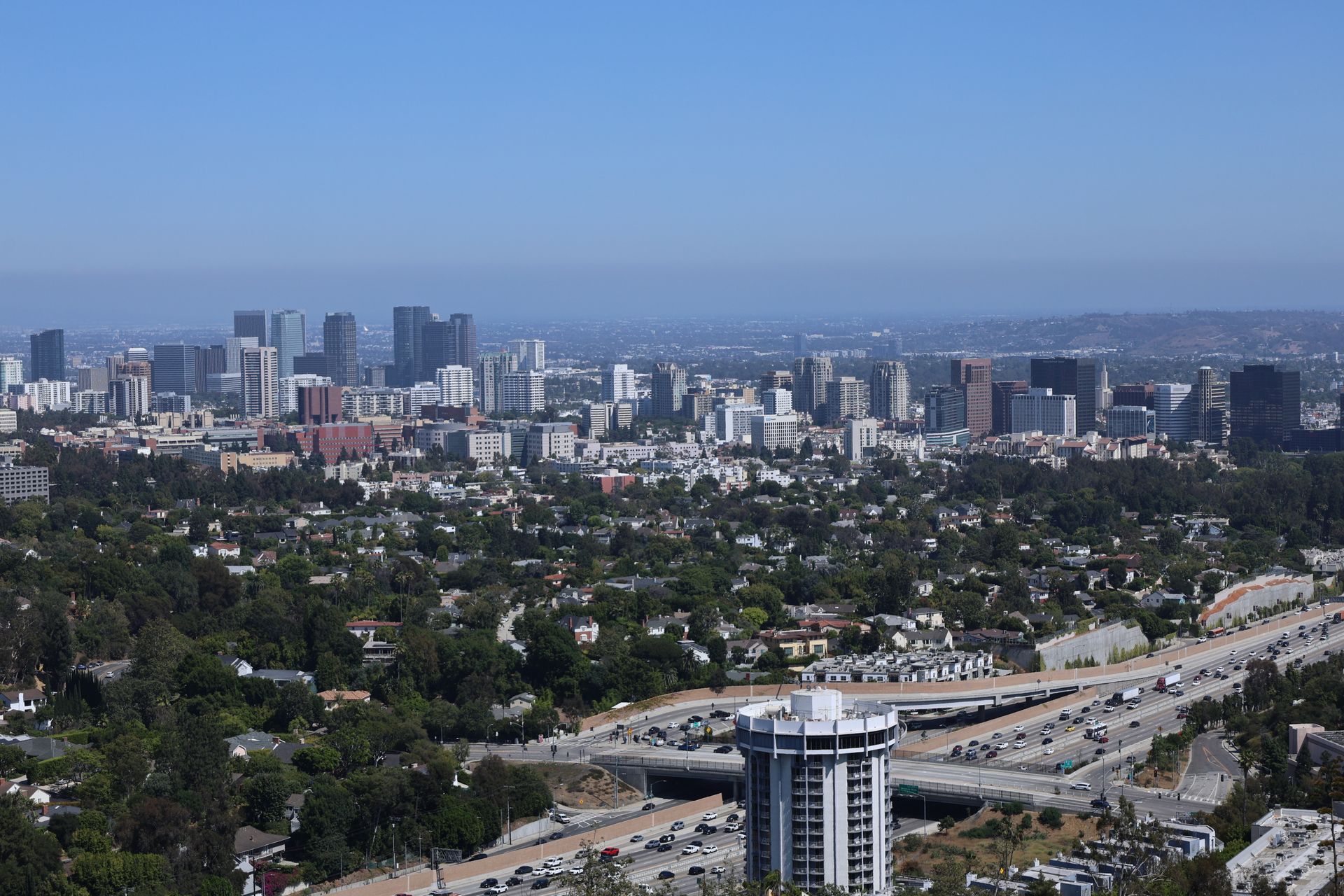
Los Angeles travel tips matter more here than in most cities because LA spans roughly 503 square miles, and the gap between a great trip and a frustrating one often comes down to knowing which neighborhoods to base yourself in, when to use the Metro, and when to book a rideshare. Public transit covers some corridors well, but most attractions are far apart and require a car or rideshare to connect. Plan around that reality and you will spend far less time stuck in traffic and far more time at the places you came to see.
Key facts about Los Angeles
- LA Metro rail operates 6 lines (A, B, C, D, E, K) across roughly 105 miles of track. A single ride costs $1.75 with a TAP card. See fares at LA Metro.
- LAX is served by the Metro C and K Lines at the LAX/Metro Transit Center, reachable via the LAX Automated People Mover from all terminals. The LAX FlyAway bus runs to Union Station for $9.75 per person.
- Uber and Lyft pickups at LAX are restricted to the LAX-it lot, a 5-10 minute walk or free shuttle ride from the terminals.
- The Los Angeles Tourism & Convention Board reports the city receives over 50 million visitors per year. Peak crowds hit June through August and around major award shows in late winter.
- Parking in Santa Monica, Hollywood, and Downtown LA typically runs $3 to $6 per hour in city-operated garages. Many meters accept the ParkMobile app.
- Average high temperatures range from 68°F in January to 84°F in August. June Gloom, a marine layer that keeps mornings overcast, affects coastal areas from late May through early July.
- The Los Angeles County Department of Public Health posts beach water quality reports updated weekly, useful if you plan to swim at Santa Monica or Venice Beach.
How to get around Los Angeles without a car
The Metro B Line connects Union Station to Hollywood/Highland in about 25 minutes and continues to North Hollywood, making it the most useful rail corridor for tourists. The E Line runs from Downtown Santa Monica through Culver City to Downtown LA, covering a stretch that would take 45 to 90 minutes by car during peak hours.
Beyond those two lines, rail coverage thins out. Neighborhoods like Silver Lake, Los Feliz, Malibu, the San Fernando Valley, and most of the Westside require a rideshare or rental car. Google Maps and the LA Metro Trip Planner both give accurate transit routing, but always check the walking distance at the destination end of the trip before committing to a transit route.
Metro has no day pass. Load a TAP card and let fare capping do the work: rides are $1.75 each, and once you have paid for three in a day the rest of that day is free, capped at $5. A week caps at $18. Transfers are free within two hours as long as you tap. You buy and reload TAP cards at any Metro station vending machine or through the TAP app.
Los Angeles neighborhoods compared for visitors
| Neighborhood | Best for | Transit access | Typical cost level | Walk score |
|---|---|---|---|---|
| Santa Monica | Beach, shopping, families | E Line terminus | Mid to high | High (90+) |
| Hollywood | Sightseeing, nightlife | B/D Lines at Hollywood/Highland | Mid-range | Moderate (70s) |
| Downtown LA | Museums, Staples Center events | Multiple Metro lines | Mid-range | High (85+) |
| Silver Lake | Cafes, indie dining, local feel | Bus only | Mid-range | Moderate (60s) |
| Venice | Beach, street art, boardwalk | Bus or E Line + walk | Mid to high | Moderate (70s) |
| Koreatown | Food, nightlife, central location | B Line at Wilshire/Vermont | Budget to mid | High (90+) |
Insider tips for Los Angeles neighborhoods worth knowing
Koreatown is near the geographic center of the city and connects to the B Line, making it one of the most practical bases for visitors who want Metro access without paying Santa Monica or West Hollywood prices. The dining scene runs 24 hours on weekends, and you can reach Hollywood in under 15 minutes by rail.
Santa Monica works well for visitors who want a walkable base near the beach. The Third Street Promenade, Santa Monica Pier, and dozens of restaurants all are within a 10-minute walk of each other, and the E Line gets you to Downtown LA in about 45 minutes without touching a freeway.
Avoid booking accommodation in areas like Boyle Heights or parts of South LA if your itinerary centers on Hollywood and the Westside. The distance and limited transit connections will cost you an hour or more of travel each day.
Tips for visiting Los Angeles on a budget
Free admission days cover several major institutions. The Getty Center and Getty Villa both charge nothing for admission, though you need a timed-entry reservation and parking is charged per car. Check the current parking rate on getty.edu before you go. The Natural History Museum of Los Angeles County is closed on the first Tuesday of most months, so do not plan around it. Los Angeles County residents get in free Monday to Friday from 3 to 5 p.m. with ID. The Los Angeles County Museum of Art (LACMA) is free after 3 p.m. on weekdays for LA County residents, but out-of-towners pay the standard adult rate of $25.
For food, Grand Central Market at 317 South Broadway in Downtown LA brings together around 40 vendors under one roof, with meals running $8 to $15. Tacos from trucks in East LA and Boyle Heights regularly cost $2 to $3 each and match or beat anything you will find at a sit-down restaurant.
Rideshare costs add up fast across a week. If you plan to drive, weekly rental rates from off-airport locations in Culver City or Burbank typically run lower than LAX counter rates because airport concession fees add 10 to 15 percent to the base price. Book through the rental company's own site to avoid third-party markups.
How to save money in Los Angeles: practical moves
- Load a TAP card and let fare capping work for you: Metro has no day pass, but after three paid rides in a day the rest are free, capped at $5. Single rides cost $1.75 each, so the math tips in your favor quickly.
- Visit the Getty Center on any day, free of charge, but book a timed parking reservation in advance at getty.edu or take the free shuttle from the Metro E Line's Expo/Bundy station.
- Eat lunch instead of dinner at higher-end restaurants in Beverly Hills and West Hollywood. Many offer the same kitchen at 30 to 40 percent lower prices during lunch service.
- Use the LAX FlyAway bus ($9.75) from LAX to Union Station instead of a rideshare, which typically runs $35 to $65 depending on traffic and surge pricing.
- Check the Los Angeles Tourism website for free event listings. The city runs free outdoor concerts, film screenings, and farmers markets throughout the year.
What to know about LA traffic before you drive
Los Angeles traffic follows predictable patterns that you can work around. The 405, 101, and 10 freeways move well before 7 a.m. and after 8 p.m. on weekdays. Between 7 a.m. and 10 a.m. and again from 4 p.m. to 7 p.m., a 10-mile freeway trip can take 45 minutes or more.
Waze and Google Maps both give real-time routing that accounts for current conditions, and both will route you onto surface streets when freeways are gridlocked. Trust the app over your instinct to stay on the freeway.
Parking enforcement in LA is strict. Street sweeping signs post specific days and times, and the city issues tickets within minutes of the posted start time. Read every sign on the block before leaving your car, not just the one nearest your parking spot.
Sustainable travel in Los Angeles
LA Metro carried approximately 260 million boardings in fiscal year 2023, and the agency operates one of the largest zero-emission bus fleets in North America, with over 200 battery-electric buses in service. Choosing Metro rail or bus over a rental car for trips along the B or E Line corridors cuts per-trip carbon output significantly compared to a single-occupancy vehicle on LA freeways.
The city's LA Sanitation & Environment department runs a robust recycling and composting program, and most hotels in Santa Monica and West Hollywood participate in the city's green business certification. If reducing your footprint matters to you, ask your accommodation whether they hold a California Green Business Network certification before booking.
Official sources for planning your LA trip
- Discover Los Angeles: The official tourism site for the city, with event calendars, neighborhood guides, and free attraction listings.
- LA Metro: Official trip planner, TAP card information, real-time service alerts, and rail and bus maps.
- LAX Official Site: Terminal maps, ground transportation options including FlyAway bus schedules, and parking reservations.
- California DMV: Rental car rules, traffic laws, and information on driving in California for international visitors.
All 65 Los Angeles hotel guides →
Frequently asked questions
What's the best way to get from LAX to Hollywood?+
Take the LAX Automated People Mover from your terminal to the LAX/Metro Transit Center on the Metro C and K Lines. Ride the C Line to Willowbrook/Rosa Parks, transfer to the A Line, then to the B Line at Wilshire/Vermont, and continue to Hollywood/Highland. The full trip takes about 60 to 75 minutes and costs $1.75 with a TAP card. A rideshare covers the same distance in 30 to 50 minutes depending on traffic, typically costing $35 to $65.
Do I need a car to visit Los Angeles?+
You can manage without a car if you base yourself in Santa Monica, Hollywood, or Koreatown and stick to attractions along the Metro B and E Lines. For anything beyond those corridors, including Malibu, the Getty Villa, Universal Studios, or the San Fernando Valley, you will need a rideshare or rental car. Most visitors find that a mix of Metro for central trips and rideshare for outlying destinations works better than renting a car for the full stay.
What's the cheapest way to get around Los Angeles?+
Metro rail and bus offer the lowest per-trip cost at $1.75 per ride, with a $5 daily cap once you have paid for three rides. For trips that Metro does not cover well, rideshare beats rental car costs for occasional use, but a weekly rental from an off-airport location in Culver City or Burbank saves money if you plan to drive every day. Avoid renting at LAX counters, where airport concession fees add 10 to 15 percent to the base rate.
What's the best neighborhood to stay in for first-time visitors?+
Santa Monica gives first-timers a walkable base near the beach with E Line access to Downtown LA. Hollywood puts you close to major sightseeing and on the B Line for easy Metro travel. Koreatown offers the best value for money with strong Metro access and a 24-hour food scene. The right choice depends on your itinerary: beach-focused visitors do well in Santa Monica, while those prioritizing sightseeing and nightlife tend to prefer Hollywood or West Hollywood.
What are the best free things to do in Los Angeles?+
The Getty Center charges no admission and is above the city with views across the Westside. Griffith Observatory is free to enter, though the planetarium shows cost $7 to $10. Venice Beach Boardwalk, the Santa Monica Pier, and Runyon Canyon Park all cost nothing. Grand Central Market in Downtown LA is free to browse, with food stalls running $8 to $15 per meal. The city also runs free outdoor film screenings and concerts throughout summer, listed on Discover Los Angeles.
What's the June Gloom and how does it affect a visit?+
June Gloom is a marine layer that rolls in from the Pacific and keeps coastal areas overcast through late morning or early afternoon, typically from late May through early July. Temperatures stay mild, usually in the low 70s°F, but beach days can feel gray until noon. Inland areas like Hollywood, Pasadena, and the San Gabriel Valley clear faster. If you want reliable sunshine for beach time, September and October offer warmer, clearer conditions along the coast.