Tokyo can look impossibly big on a map, and that's the thing first-timers worry about most: where do you even base yourself in a city this size? The good news is that the trains make almost any central neighborhood work, so the real choice is about the vibe you want and how close you are to a good station. If you're deciding on the best neighborhoods to stay in Tokyo for a first visit, this guide walks through six areas, from the neon of Shinjuku to the calm of Ginza, with a hotel in each, the transport you'll lean on, and a few practical questions answered, including how many days to give the city and whether you can manage without any Japanese.
How Tokyo's neighborhoods and trains work
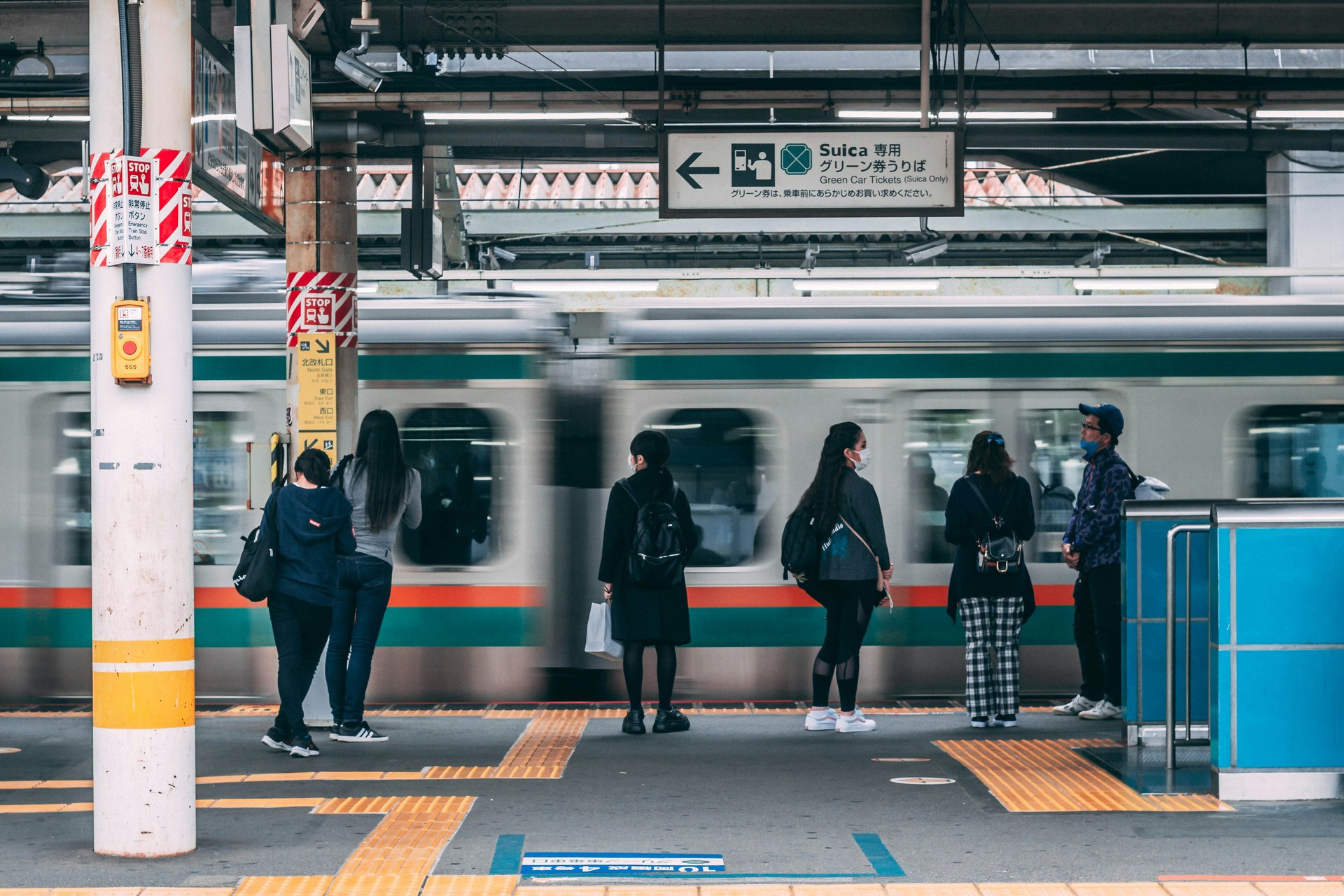
Tokyo is tied together by one thing that makes it easy: the trains. The JR Yamanote Line is a loop that connects most of the neighborhoods first-timers care about, including Shinjuku, Shibuya, Tokyo Station, Ueno, and Shinagawa, and a dense subway network fills in everything between. The single best piece of advice is to stay within a few minutes' walk of a major station, ideally one on the Yamanote Line. Do that, and the rest of the city is rarely more than half an hour away.
It also helps to know that Tokyo is remarkably safe and clean, so you can come and go at any hour without much worry. The neighborhoods below all clear that bar. They differ in personality and in how directly they connect to the airports, which is what the rest of this guide sorts out.
The best neighborhoods to stay in Tokyo for first-time visitors
Each area gives a very different experience, from the nightlife and transport convenience of Shinjuku to the quieter streets of Ginza and the traditional atmosphere of Asakusa.
Shinjuku: The Best All-Round Base
Kabukicho, Shinjuku-ku
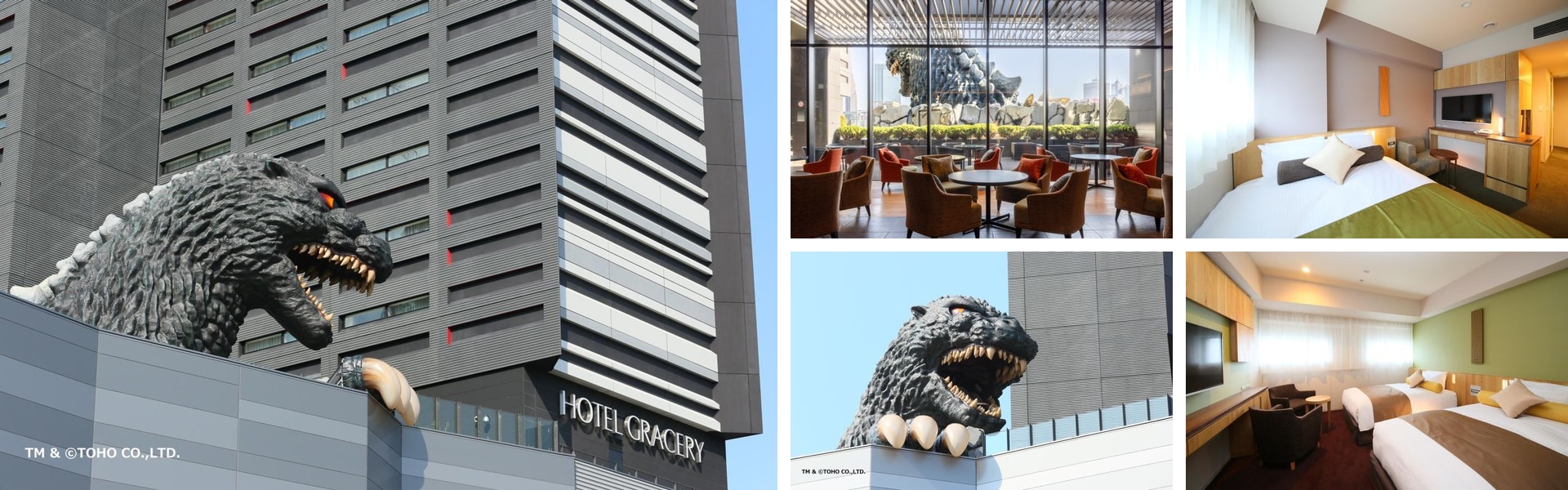
Shinjuku is where most first-timers should start. It's home to the world's busiest train station, which sounds intimidating but means you can reach almost anywhere in the city, and both airports, often without a transfer. Around the station you get towering department stores, the neon of Kabukicho, tiny bars packed into Golden Gai, and the calm of Shinjuku Gyoen park, all within a few blocks. Hotel Gracery Shinjuku puts you in the middle of it, steps from the station with a Godzilla head looming over the entertainment district below. It's central, easy, and unmistakably Tokyo.
Shibuya: Energy and the Scramble
Dogenzaka, Shibuya-ku
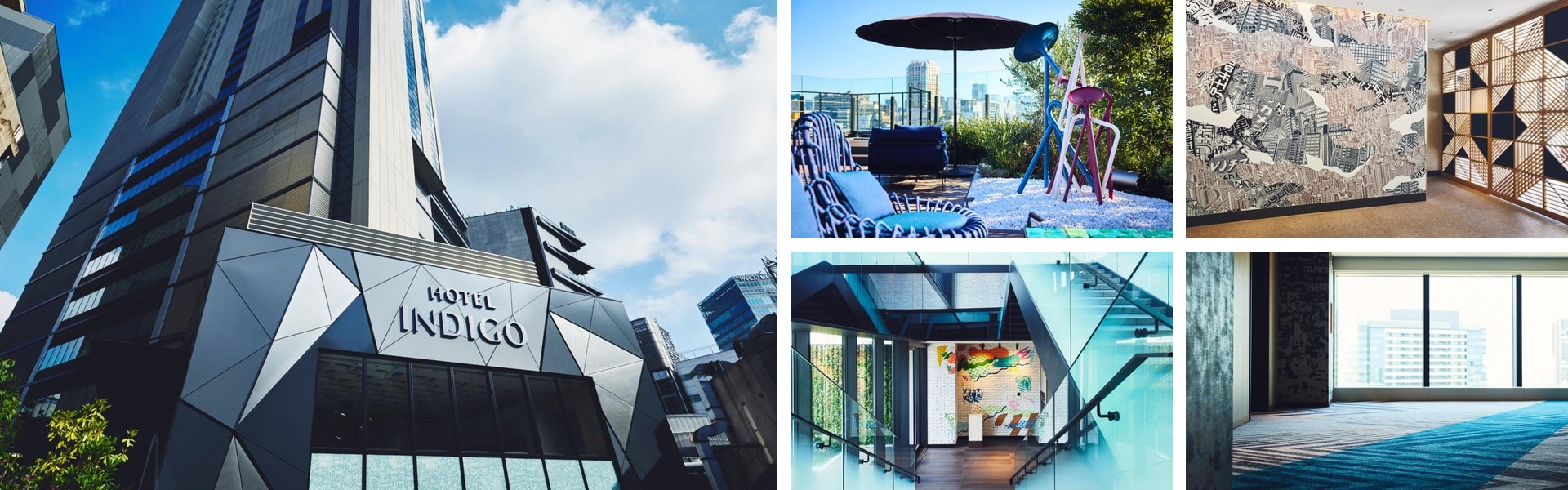
Shibuya is Tokyo at full volume: the famous scramble crossing, youth fashion, music, and some of the best people-watching anywhere. It's been rebuilt in recent years around the station, so the transport is excellent and the dining and nightlife are right there. It's a livelier, younger base than Shinjuku, and a short hop on the Yamanote Line connects you to the rest of the city. Hotel Indigo Tokyo Shibuya is a design-led hotel on Dogenzaka, a short walk uphill from the crossing, with neighborhood-inspired rooms and a rooftop bar over the action.
Ginza: Refined and Central
Ginza, Chuo-ku
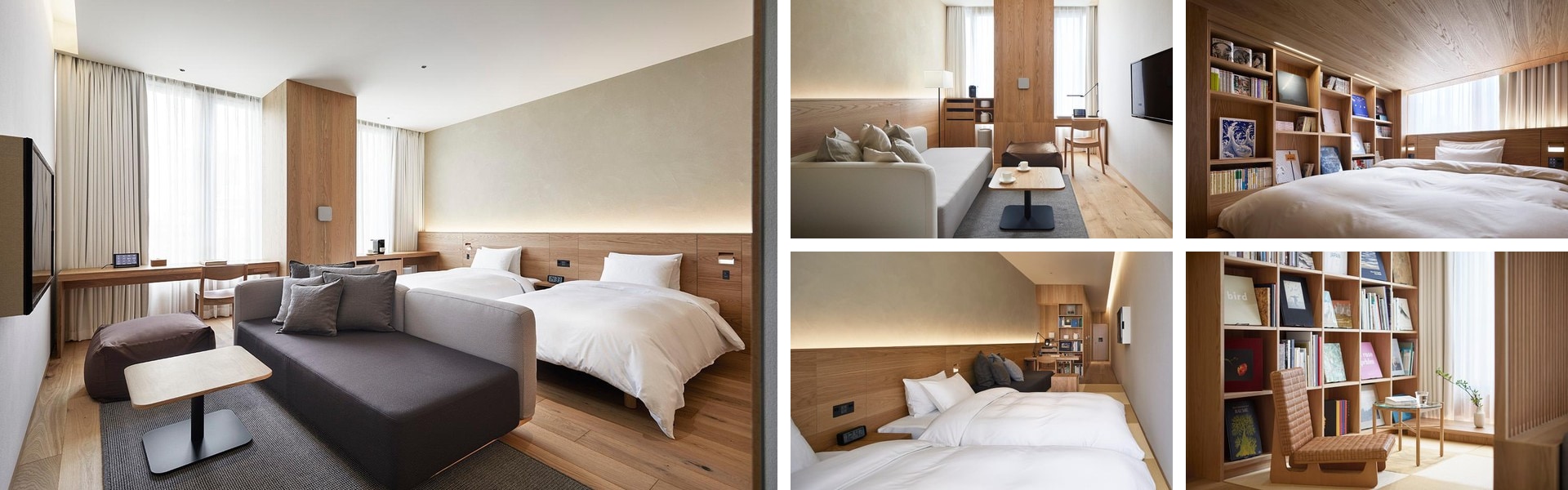
If Shinjuku and Shibuya sound like too much, Ginza is the calm, polished alternative. It's Tokyo's upscale shopping district, quieter in the evenings, and a short walk or one stop from Tokyo Station, the Imperial Palace, and the Tsukiji outer market. MUJI HOTEL GINZA is above the brand's global flagship store, with the same simple, low-waste design philosophy carried into the rooms. It's an understated and sustainable place to stay in one of Tokyo's most central districts.
Asakusa: Old Tokyo and Temples
Kaminarimon, Taito-ku
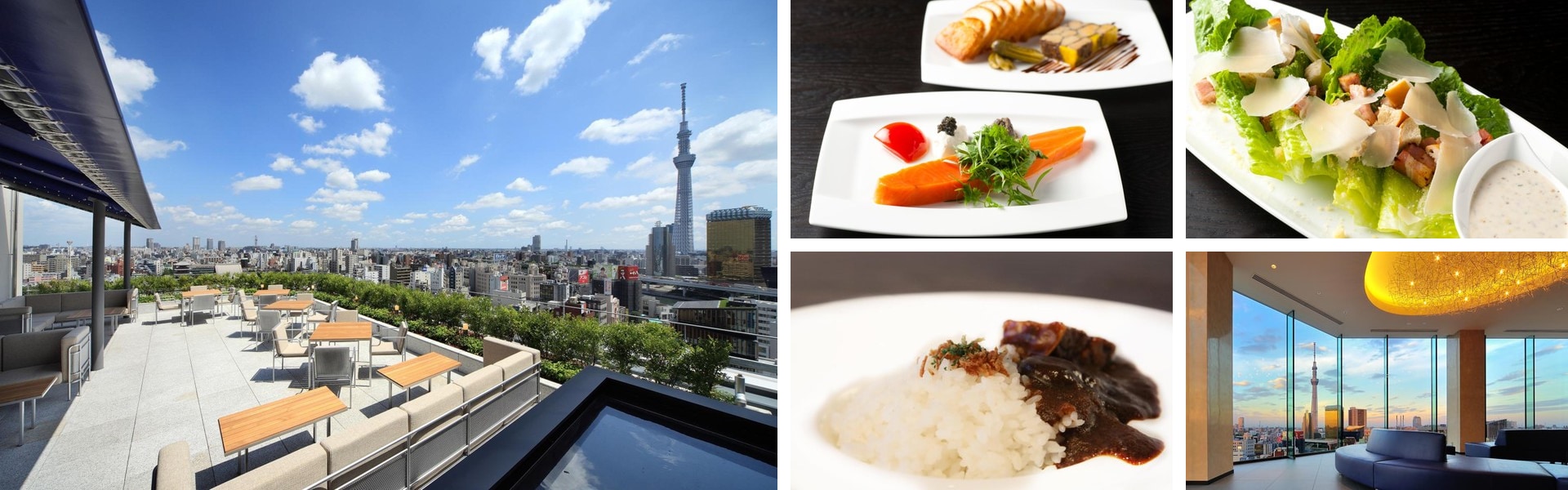
Asakusa is the city's traditional heart, built around the Senso-ji temple and the long market street of Nakamise that leads to it. It feels older and slower than the western districts, the prices are gentler, and it's a lovely place to wake up to a quieter side of Tokyo. The trade is that it's a little off the main loop, on the Ginza and Asakusa subway lines rather than the Yamanote. The Gate Hotel Kaminarimon by Hulic looks straight out over the Kaminarimon gate and the temple beyond, with one of the best views in the neighborhood from its top-floor lounge.
Marunouchi and Tokyo Station: The Transport Hub
Marunouchi, Chiyoda-ku
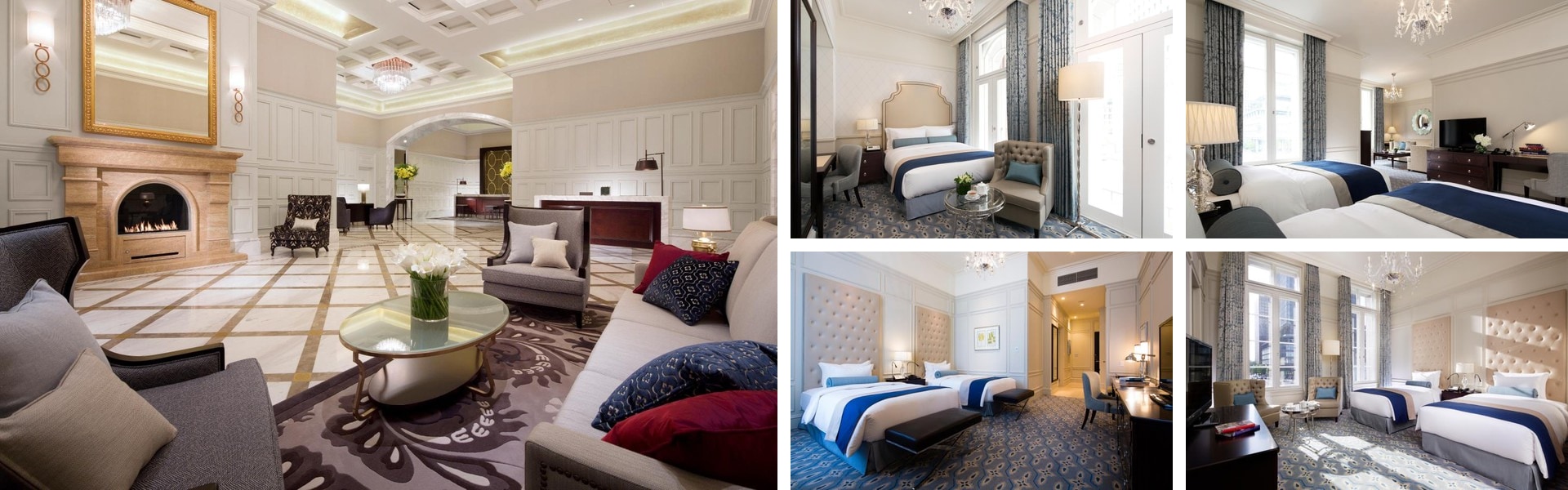
For pure convenience, nothing beats staying at Tokyo Station. This is the hub for the Shinkansen bullet trains, the Narita Express, and a tangle of JR and subway lines, so day trips to Kyoto, Hakone, or the airport are effortless. The Marunouchi side is a polished business district that stays calm at night. The Tokyo Station Hotel is built into the station's restored 1914 red-brick building, a landmark in its own right, so you can roll your suitcase from the platform to your room. It's the easy choice if you plan to move around a lot.
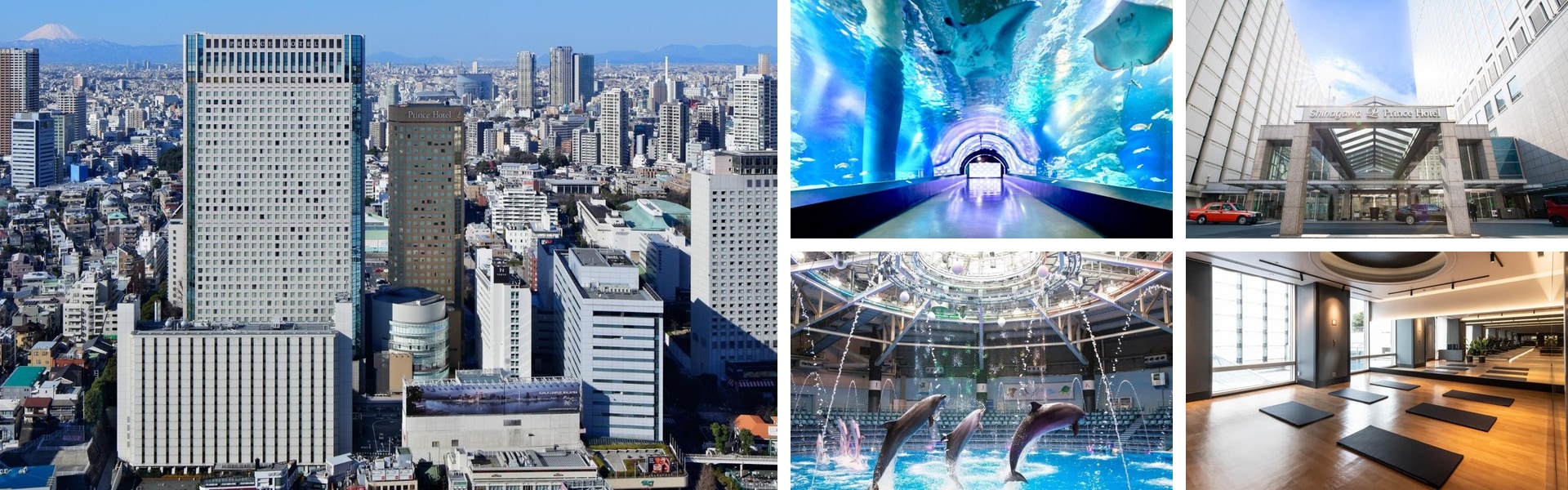
Shinagawa: Easy Airports and Value
Takanawa, Minato-ku
Shinagawa is the practical pick, especially if Haneda Airport is your gateway or you're catching the Shinkansen south. It's a major Yamanote and bullet-train station with a quick train to Haneda, plenty of restaurants, and hotels that tend to cost a little less than the flashier districts. Shinagawa Prince Hotel is a large complex right by the station, with its own cinema, aquarium, and bowling, which makes it a well-connected base, particularly for families or anyone who wants value without giving up transport.
Shinjuku or Shibuya: which is better for first-timers?
Both are excellent, and you can't go wrong, but they have different personalities. Shinjuku is the all-rounder, with the best transport, the widest range of hotels and restaurants, and a mix of neon and quiet within a few blocks. Shibuya is younger and more energetic, centered on fashion, music, and nightlife, and it's been rebuilt around its station into one of the city's slickest hubs.
For a true first visit, Shinjuku edges it, mostly for the transport and the variety. Choose Shibuya if you're drawn to the buzz and want to be in the middle of the action, and Shinjuku if you want the easiest possible base for seeing the whole city. They're one stop apart, so you'll spend time in both whichever you pick.
Can you get around Tokyo without speaking Japanese?
Yes, easily. Tokyo is one of the most navigable big cities in the world for English speakers. Train and subway signs, ticket machines, and station announcements are all in English, and a rechargeable Suica or Pasmo IC card lets you tap through the gates without reading a thing. Hotel staff in the main districts speak English, restaurants often have picture menus or ordering tablets, and a translation app on your phone covers the rest. A few polite phrases go a long way, but you don't need the language to have a smooth trip.
How many days should first-time visitors spend in Tokyo?
Plan on four to five days for a first visit. That's enough to see the major neighborhoods, eat well, and still leave room for a day trip to Hakone, Nikko, or even Kyoto on the bullet train. To save yourself the hassle of changing hotels, base in one area for the whole stay, or split between two at most. With transport this good, a single well-placed hotel can cover the entire city.
Common Questions About Staying in Tokyo for the First Time
These are the most common questions first-time visitors ask when choosing where to stay in Tokyo.
What is the best area in Tokyo for first-time visitors?
Shinjuku is the best all-round base for a first visit, thanks to its central location, unbeatable transport, and mix of nightlife, shopping, and parks. Shibuya, Ginza, and the Tokyo Station area are all strong alternatives, depending on whether you want energy, polish, or pure convenience.
Is Shinjuku or Shibuya better for first-time visitors to Tokyo?
Both work well. Shinjuku has the better transport and more variety, which makes it the slightly safer first-timer pick. Shibuya is younger and more energetic, ideal if you want to be in the middle of the buzz. They're one stop apart on the Yamanote Line, so you'll see both regardless.
Where should tourists stay in Tokyo without speaking Japanese?
Anywhere central works, since Tokyo is easy to get around in English. The international districts of Shinjuku, Shibuya, and Ginza have the most English-speaking hotel staff and tourist services, but the trains and most restaurants are straightforward across the whole city.
Which Tokyo neighborhoods have the best transport connections?
Shinjuku, Tokyo Station and Marunouchi, and Shinagawa are the strongest. Shinjuku is the busiest hub, Tokyo Station is the gateway for the Shinkansen and the Narita Express, and Shinagawa has fast access to Haneda Airport. All three are on the JR Yamanote Line that loops the city.
How many days should first-time visitors stay in Tokyo?
Four to five days is ideal for a first visit. That covers the main neighborhoods with time for a day trip, and lets you base in one or two areas rather than constantly changing hotels.
Frequently asked questions
Shinjuku or Shibuya: which is better for first-timers?+
Both are excellent, and you can't go wrong, but they have different personalities. Shinjuku is the all-rounder, with the best transport, the widest range of hotels and restaurants, and a mix of neon and quiet within a few blocks. Shibuya is younger and more energetic, centered on fashion, music, and nightlife, and it's been rebuilt around its station into one of the city's slickest hubs.For a true first visit, Shinjuku edges it, mostly for the transport and the variety. Choose Shibuya if you're drawn to the buzz and want to be in the middle of the action, and Shinjuku if you want the easiest p
Can you get around Tokyo without speaking Japanese?+
Yes, easily. Tokyo is one of the most navigable big cities in the world for English speakers. Train and subway signs, ticket machines, and station announcements are all in English, and a rechargeable Suica or Pasmo IC card lets you tap through the gates without reading a thing. Hotel staff in the main districts speak English, restaurants often have picture menus or ordering tablets, and a translation app on your phone covers the rest. A few polite phrases go a long way, but you don't need the language to have a smooth trip.
How many days should first-time visitors spend in Tokyo?+
Plan on four to five days for a first visit. That's enough to see the major neighborhoods, eat well, and still leave room for a day trip to Hakone, Nikko, or even Kyoto on the bullet train. To save yourself the hassle of changing hotels, base in one area for the whole stay, or split between two at most. With transport this good, a single well-placed hotel can cover the entire city.
What is the best area in Tokyo for first-time visitors?+
Shinjuku is the best all-round base for a first visit, thanks to its central location, unbeatable transport, and mix of nightlife, shopping, and parks. Shibuya, Ginza, and the Tokyo Station area are all strong alternatives, depending on whether you want energy, polish, or pure convenience.
Is Shinjuku or Shibuya better for first-time visitors to Tokyo?+
Both work well. Shinjuku has the better transport and more variety, which makes it the slightly safer first-timer pick. Shibuya is younger and more energetic, ideal if you want to be in the middle of the buzz. They're one stop apart on the Yamanote Line, so you'll see both regardless.
Where should tourists stay in Tokyo without speaking Japanese?+
Anywhere central works, since Tokyo is easy to get around in English. The international districts of Shinjuku, Shibuya, and Ginza have the most English-speaking hotel staff and tourist services, but the trains and most restaurants are straightforward across the whole city.
Which Tokyo neighborhoods have the best transport connections?+
Shinjuku, Tokyo Station and Marunouchi, and Shinagawa are the strongest. Shinjuku is the busiest hub, Tokyo Station is the gateway for the Shinkansen and the Narita Express, and Shinagawa has fast access to Haneda Airport. All three are on the JR Yamanote Line that loops the city.
How many days should first-time visitors stay in Tokyo?+
Four to five days is ideal for a first visit. That covers the main neighborhoods with time for a day trip, and lets you base in one or two areas rather than constantly changing hotels.