If your organization offers members a travel benefit that funds solar, sooner or later a member will ask what they get out of it. The honest answer turns on one phrase, community solar, which means something specific to many of your members.
This guide covers what that phrase means to your members, how to describe a program that works differently, and the wording the FTC calls deceptive.
What community solar means to most of your members
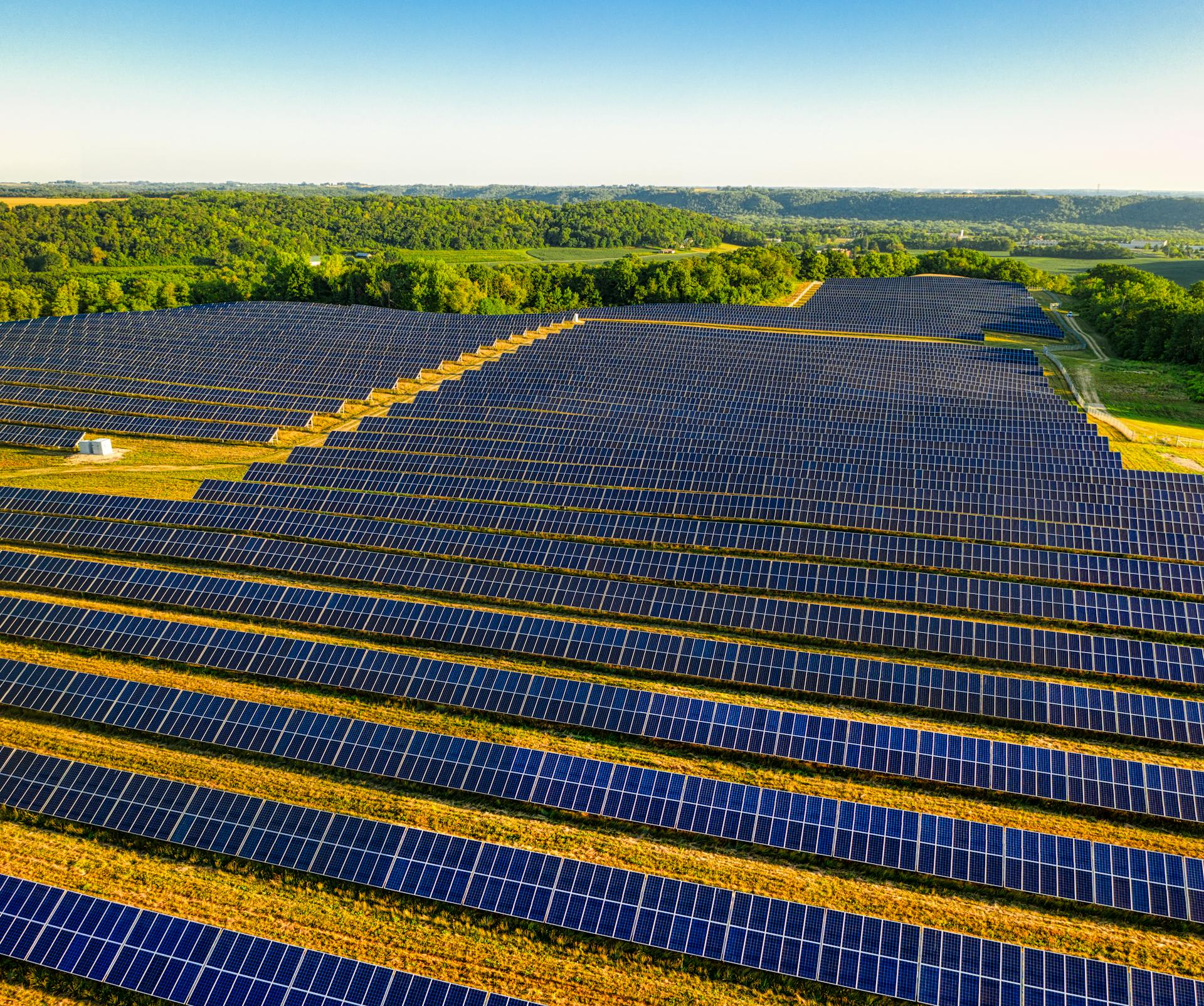
The Department of Energy's definition of community solar is broad: any solar project or purchasing program, within a geographic area, in which the benefits flow to multiple customers such as individuals, businesses and nonprofits.
Most of your members will have met a narrower version. Someone subscribes to a share of a nearby solar array, and the value of that share shows up as a credit on their monthly electric bill. The Department of Energy describes it as the option for people who can't put panels on their own roof because they rent, can't afford it, or have a roof or wiring that won't take it. By a National Renewable Energy Laboratory estimate the department cites, that is nearly half of households and businesses.
So when a member hears community solar, they are probably picturing a smaller electric bill. If your program does something else, say so before they assume it.
Subscription vs. funding: who gets the saving
One sentence prevents most of the confused emails: say who gets the saving.
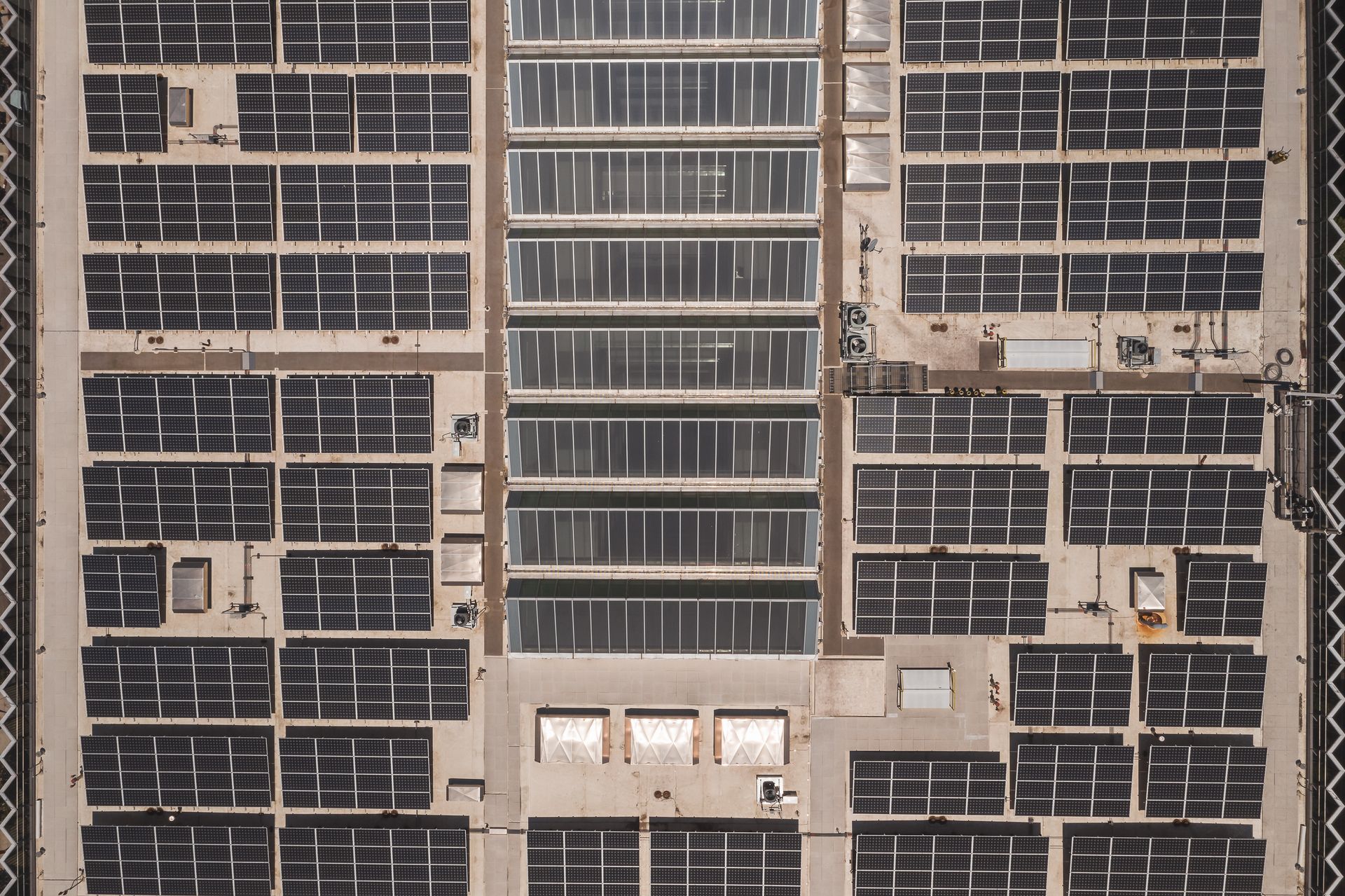
In a subscription program, the member gets the bill credit. In a funding program like ours, a member's booking helps pay for solar built on someone else's roof, a school or a hospital, and that institution gets the cheaper electricity. The member's own bill stays the same.
Both are worth doing, and they are different products. A member who thinks they signed up for the first will feel misled by the second, even though nobody said anything untrue.
The fix is a single clause. "Every booking helps fund new solar on schools and hospitals, which then pay less for electricity" tells a member exactly where the benefit lands.
Words that hold up under the FTC Green Guides, and words that don't
The FTC's Green Guides are what the FTC measures a claim against, and two sections do most of the work.
The first covers renewable energy claims. The FTC says it is deceptive to claim, without qualification, that a service uses renewable energy if electricity from fossil fuels powers any part of it. Funding new solar does not change what powers the hotel, the plane or your own office, so a line like "solar-powered travel" crosses it. The same section says a company that generates renewable electricity but sells the certificates for it cannot then say it uses renewable energy.
The second covers carbon offsets. The FTC's own example is a travel agency selling offsets to "neutralize" a flight, funded by projects that won't cut emissions for two years. The FTC calls that deceptive unless the delay is disclosed. Funding a new array is not an offset, and calling a booking "offset" or "carbon neutral" tells members a reduction has already happened and been matched to their trip.
Wording that holds up:
- "helps fund new solar on schools and hospitals"
- "a share of what we earn on each booking goes to building new solar"
- "5.5 MW built and generating, with a further 20 MW in the pipeline"
Wording to avoid:
- "solar-powered trips" or "travel that runs on renewable energy"
- "this booking is carbon neutral" or "offset your flight"
- "your stay powers a hospital"
Give members numbers that will still be true next year
Members repeat figures to each other, so choose ones that age well.
Keep what is built apart from what is in the pipeline, meaning contracted or in development. Dyme's figure today is 5.5 MW built and generating, with 20 MW more in the pipeline. A member who hears "25 MW" and later finds 5.5 MW operating will reasonably feel oversold.
Put a date on anything that moves. Emissions figures depend on which year's grid factor was used, and that factor changes as grids add renewable power. If you quote a tonnage, say which year it is based on.
Call savings a projection unless they come from invoices. The electricity savings at the sites we fund are modeled from tariffs and expected generation, which is a fine number to share as long as you label it.
If members want to dig deeper, the questions in how to assess a community solar impact claim work as well for a curious member as for a procurement team, and our current figures are on the results page.
A compliant paragraph you can adapt
Here is a member-facing description written to the rules above. Swap in your organization's name and the current figures.
[Organization] members can book hotels and flights through Dyme at member rates. A share of what Dyme earns on each booking helps fund new solar on schools and hospitals, which then pay less for electricity. The solar is new capacity, built because of that funding, rather than credits bought from a project that already existed. It won't change your own electricity bill. As of [month and year], [X] MW is built and generating, with a further [Y] MW in the pipeline.
Before it goes out, check four things. It says who gets the saving. It separates built from pipeline. It dates the figures. And nowhere does it suggest the travel itself runs on renewable energy.
FAQ: explaining community solar
Is a program that funds solar on schools community solar?+
Under the Department of Energy's broad definition, a project whose benefits flow to multiple customers can qualify. Because most members link the term to a credit on their own bill, it is clearer to describe what the program does than to rely on the label.
Can we tell members their travel is powered by solar?+
No. The FTC's Green Guides treat an unqualified renewable energy claim as deceptive if fossil-fuel electricity powers any part of the service. Say that bookings help fund new solar instead.
Will members see a saving on their electricity bill?+
Not from a funding program. The saving goes to the school or hospital the solar is built for. Subscription community solar is the model that credits a member's own bill.
What should we do when the numbers change?+
Update the date alongside the figure. Built capacity grows and grid emission factors change, so a dated number stays accurate where an undated one goes stale.