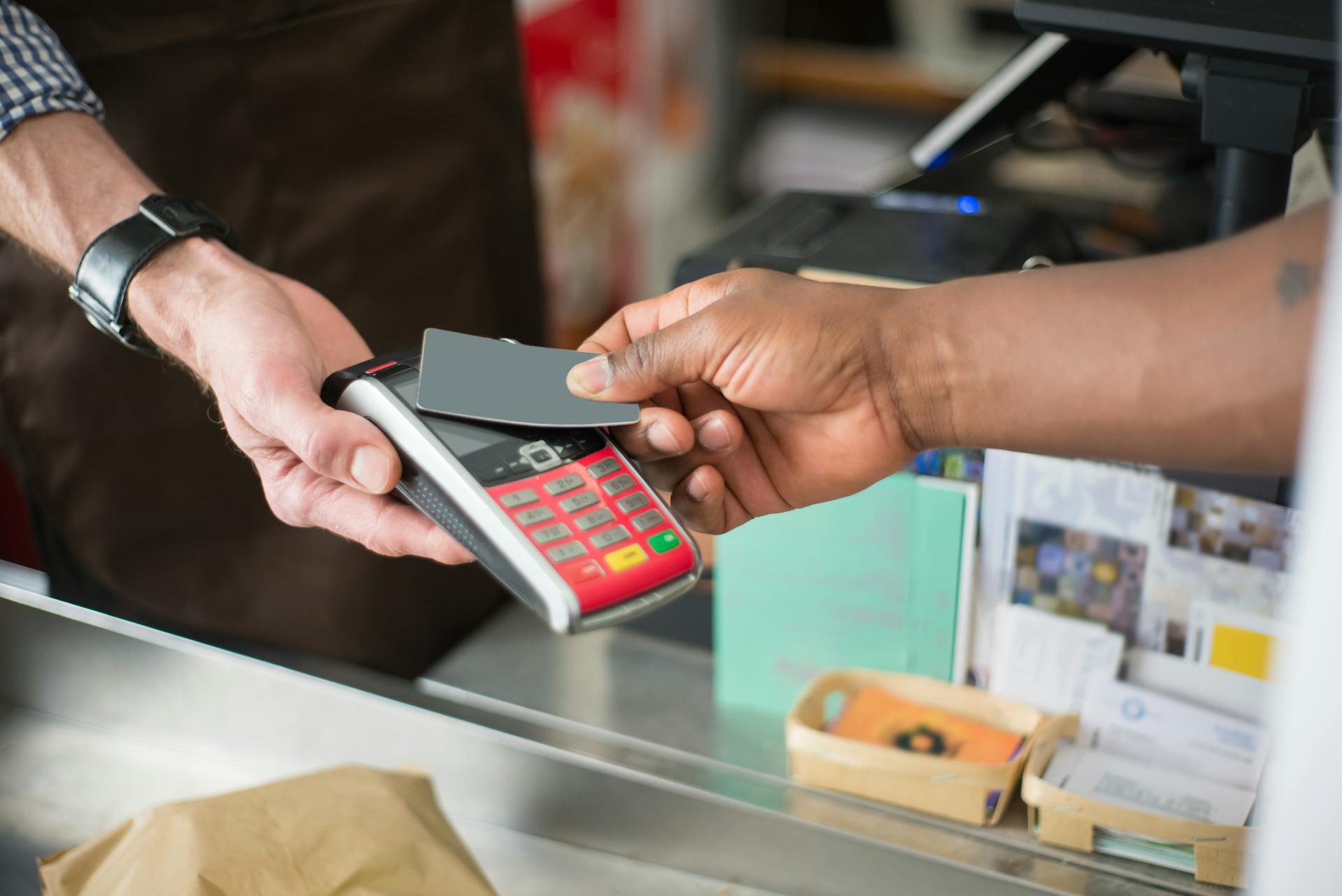
A commissionable hotel booking made through your platform earns nothing until the guest checks out. If the guest cancels or doesn't show up, it earns no commission at all. Marriott's commission FAQ for travel agents says it "only pays commission on actualized room revenues at commissionable rates," and it accepts claims for missing commission up to 12 months after the guest leaves.
So your revenue share is paid out of money that turns up months after the booking, if it turns up at all. The agreement has to say how a booking gets tied to you, what the share is calculated on, when it's paid and what happens when it reverses.
How a booking gets attributed to your platform
There are 4 ways to tie a member's booking to you. They differ most in how long the link lasts.
| Method | Where it's recorded | How long it lasts | Where it breaks |
|---|---|---|---|
| A code the member types at sign-up | The member's account | As long as the account | Typos, and members who skip the field |
| A tracked sign-up link | The member's account, if the code is saved at sign-up | As long as the account | Members who sign up later on another device, without the link |
| A cookie with an attribution window | The member's browser | The window, or less | Cleared cookies, a second device, browser limits |
| Your member login, passed to the provider | Each booking, while signed in | As long as the integration runs | IT work on both sides |
In Safari, a 30-day cookie window can be much shorter than 30 days. WebKit's tracking prevention documentation says Safari deletes cookies created in JavaScript after 7 days without the user interacting with the site. If the visitor arrived from a site WebKit classifies as a tracker, with tracking parameters in the URL, the cap on those cookies is 24 hours.
Attribution saved on the member's account at sign-up doesn't depend on the browser, and it covers every later booking rather than one window. That's the version to ask for. Then settle 3 edge cases in writing: who gets credit when a member arrives through 2 partners, whether people who already had an account count, and whether the provider matches common misspellings of your code.
What the travel provider earns, and on what
Your share comes out of what the provider earns, so start there. Where hotels pay commission, the big brands' published terms line up.
- It's paid on room revenue. Hilton's commission policy pays US, Mexico and Canada bookings on "Room Revenue only @ 10%." Preferred Hotels & Resorts says "taxes, fees, gratuities, and some package elements/add-ons are not commissionable."
- It's paid on nights stayed. Marriott's commission policy pays 10% to agencies in its Preferred Travel Agency program and 8% to others, both on "consumed" reservations. Preferred Hotels & Resorts pays nothing on "canceled, no-show reservations, or the lost nights resulting from a shortened stay."
- Not every rate pays. Preferred Hotels & Resorts' terms for travel professionals list wholesale, corporate negotiated and most convention rates among those that typically earn none. Marriott pays nothing if a guest switches to a non-commissionable rate at check-in.
- Fees come off the top. Hilton deducts a 3% processing fee, so a $100 commission arrives as $97.
The price your member pays includes taxes and fees (our guide to the total price rule for membership travel benefits covers what has to be shown). The commission is calculated on a smaller number than the one on the receipt.
Flights are a different deal. A 2002 report by the National Commission to Ensure Consumer Information and Choice in the Airline Industry traces US domestic base commission from 10% of the ticket in the early 1990s down to zero in March 2002. Airlines kept paying negotiated incentive commissions to high-volume agencies. Ask the provider plainly whether flights are in the revenue share at all, and on what.
How the revenue share is computed
The number to read twice is the base the share is applied to.
| Base | How the agreement reads | What to check |
|---|---|---|
| Booking value | "A percentage of booking value" | Whether taxes and fees count, and what happens on a booking that earns no commission |
| Commission received | "A percentage of commission received" | Received after any processing fees, or before |
| Net revenue | "A percentage of net revenue" | The written list of costs deducted before the split |
Here's how a commission arrives under Hilton's published terms: a stay brings in $1,000 of room revenue, taxes excluded, at a 10% commission. The hotel owes $100, the 3% processing fee takes $3, and the provider receives $97. A share of commission received is worked out on the $97. A share of booking value is worked out on the $1,000.
A share of commission received never costs the provider more than it earned. A share of booking value is owed whether or not the provider earned commission on that booking, so on a low-commission product the provider pays it out of its own margin.
So if a provider offers a share of booking value, ask which products are excluded and whether the rate is capped. A pledge of a fixed amount per booking, to a climate project for example, has the same problem when no commission comes in. Our guide to funding renewable energy from transaction revenue covers it.
When the revenue share is paid, and when it reverses
Follow one hotel booking through. The member books in spring for a summer stay, and nothing is earned yet. The guest checks out, and the hotel calculates commission on the nights stayed. Marriott and Hilton both pay through a central processor in one weekly payment, and the provider then pays you on whatever schedule the agreement sets.
Some commissions arrive late or need chasing. Marriott takes claims for missing commission between 45 days and 12 months after departure; Preferred Hotels & Resorts' help desk takes them from 30 days to 12 months. Write 4 rules into the agreement:
- Accrual. The share accrues at checkout and is paid when the provider receives the commission.
- Late money. Commission received after a statement closes goes on the next statement, with the original booking reference.
- Reversals. If a paid booking is refunded or charged back, the share comes off a future statement. Agree how long that can happen after payout.
- Ending the agreement. Bookings attributed before the end date still pay when their commission arrives. The claim windows above run 12 months from departure, and a claim filed in month 12 still has to be paid, so set the tail at 12 months after the last departure plus one payment cycle.
The booking-level report to ask for
You can't check a statement that only shows a total. Ask for one row per booking, and leave out anything that identifies who stayed where: no member names, no hotel names. A quarterly summary for your leadership is a different report; our guide to launching a member travel benefit covers that one, along with how to tell members you're paid.
| Field | What it records |
|---|---|
| Booking reference | The provider's ID, stable across every statement |
| Member reference | An account number, never a name |
| Attribution | How the booking was tied to you (code, link or login) and the code itself |
| Product | Hotel or flight |
| Dates | Booked, check-in and check-out (or travel date) |
| Status | Booked, stayed, canceled, no-show or shortened stay |
| Commissionable amount | The base before taxes and fees, with currency |
| Commission | Expected, received, the date received and any fee deducted |
| Share | The rate applied and the amount |
| Adjustment | Any reversal or late payment, with the reason and the original booking reference |
| Statement | The statement ID and payout date |
Keep the commission received and the share as separate columns. If they're merged, you can't tell a late commission from a wrong rate. Expect the payer to ask for your legal name and tax ID: Marriott, for example, requires an EIN from US agencies before it pays commission.
How Dyme's partner revenue share works
Hotels and airlines pay Dyme a commission on each booking. We share part of it with partner organizations and put part of it into solar projects.
Members join with your code or a link of the form dyme.earth/login?ref=YOURCODE, and the code is saved on their account, which is how we count the members you bring in. How Dyme works covers what members get. If you're comparing providers, the report above is the one to ask every provider for, Dyme included.
FAQ: revenue-share travel benefits
When does a partner get paid on a hotel booking?+
After the guest checks out and the provider receives the hotel's commission, if the agreement ties the share to commission received. Hotels calculate commission on the nights stayed, and Marriott and Hilton pay it in a weekly batch.
Do canceled bookings and no-shows earn a revenue share?+
Not if the share is tied to commission, because the hotel pays none on them. Marriott says cancellation and no-show fees are not commissionable, and Preferred Hotels & Resorts pays nothing on cancellations, no-shows or nights lost to a shortened stay.
Do flights earn a revenue share?+
Ask the provider whether flights are included and on what base. US airlines cut domestic base commission for travel agencies to zero in March 2002, and after that agencies' airline commission came from incentive deals negotiated with high-volume sellers. We found no public figure for what those pay today.
How long should attribution last?+
Ask for attribution saved on the member's account at sign-up, so it covers every later booking. A cookie window can be shorter than it looks: Safari deletes cookies created in JavaScript after 7 days without the user interacting with the site.
What should a revenue-share statement include?+
One row per booking: the booking reference, how it was attributed, the dates, its status, the commissionable amount, the commission expected and received, the share rate and amount, and any adjustment with its reason. Leave out member names and hotel names.