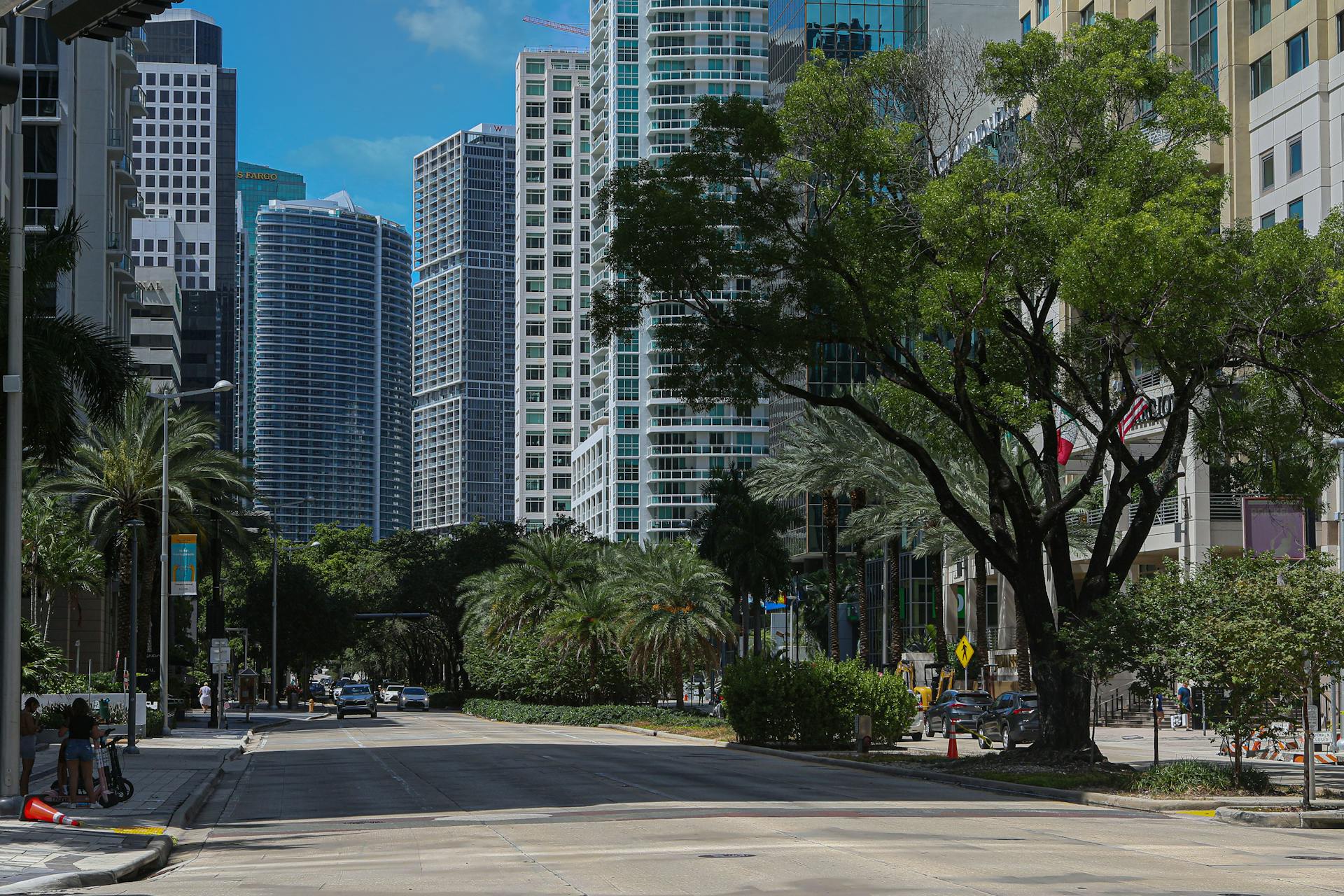
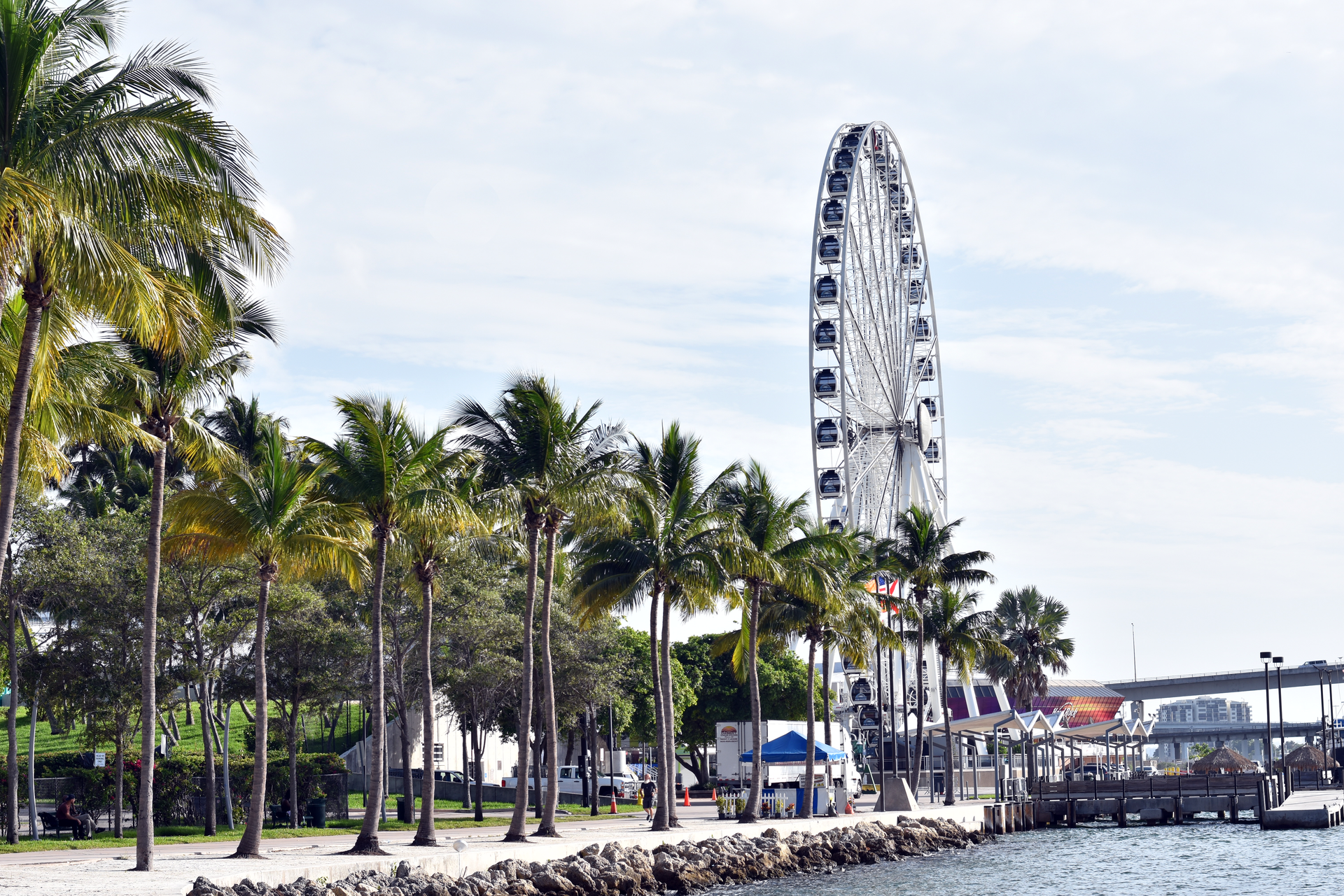
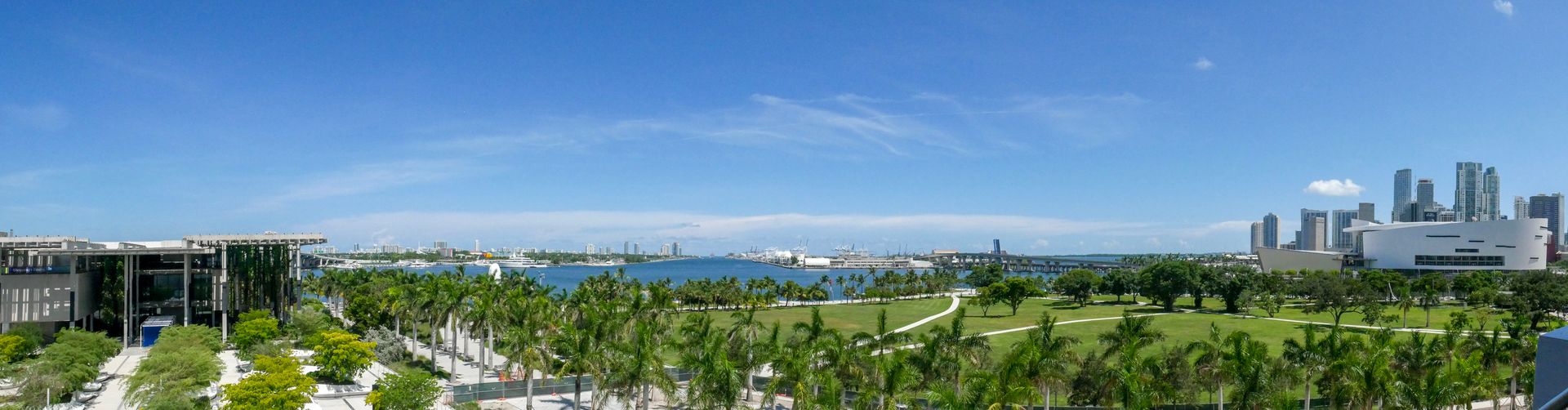
Miami is safe for tourists in high-traffic areas like South Beach, Brickell, Wynwood, and Coral Gables, where police presence is consistent and foot traffic stays high well into the night. Safety varies sharply by neighborhood, so knowing where you are matters more than any general rule. Keep emergency contacts saved before you arrive, and you will handle most situations without trouble.
If you need help in Miami
- Emergency: Call 911
- Non-urgent issue: Call 311
- Suspicious Metromover or Metrorail activity: Text or call Miami-Dade Transit at 786-469-5555
- Mental health crisis: Call 988 (Suicide and Crisis Lifeline)
Miami safety by neighborhood: where tourists feel comfortable
South Beach, roughly the area between 5th Street and 23rd Street along Ocean Drive and Collins Avenue, draws millions of visitors each year and has a visible police presence around the clock. The Miami Beach Police Department operates a substation at 1100 Washington Ave, and officers patrol on foot, bike, and vehicle through the main tourist corridors.
Brickell and downtown Miami have transformed over the past decade into dense, walkable neighborhoods with 24-hour security in most residential and hotel towers. The Brickell City Centre area around 701 S Miami Ave stays active until midnight most nights, and the Metromover runs free through the area, connecting you to Brickell, downtown, and Omni without needing a car or rideshare.
Wynwood is safe during the day and on weekend evenings when galleries and restaurants are open, but the blocks north of NW 29th Street thin out quickly after dark. Stick to the main Wynwood Walls corridor around 2520 NW 2nd Ave and you will have no issues. Coral Gables and Coconut Grove are among the most relaxed neighborhoods for tourists, with low crime rates and well-lit streets.
Areas including Liberty City, Overtown, and parts of Little Haiti have higher crime rates and see fewer tourists. You are unlikely to end up in these neighborhoods by accident, but if you do, stay in your vehicle, keep doors locked, and navigate back to a main road.
Miami neighborhood safety at a glance
| Neighborhood | Safety level for tourists | Best for | Caution notes |
|---|---|---|---|
| South Beach | High | Nightlife, beaches, dining | Watch for petty theft on the beach; secure valuables |
| Brickell | High | Business travel, upscale dining | Minimal concerns in the core area |
| Wynwood | Moderate to high | Art, food, weekend evenings | Avoid blocks north of NW 29th St after dark |
| Coral Gables | High | Families, shopping, dining | Very low crime; well-lit streets |
| Coconut Grove | High | Waterfront, casual dining | Quiet after 11 p.m.; plan transport in advance |
| Little Havana | Moderate | Culture, food, daytime visits | Stick to Calle Ocho corridor; avoid side streets at night |
| Overtown | Low for tourists | Transit hub only | High crime area; pass through, do not linger |
| Liberty City | Low for tourists | Not a tourist destination | Avoid unless you have a specific reason to visit |
Miami-Dade Transit safety: Metrorail and Metromover tips
The Metromover is free and runs through downtown Miami and Brickell, making it one of the most practical ways to get between those two neighborhoods without a car. Trains run from approximately 5 a.m. to midnight on weekdays and until 2 a.m. on weekends. The system is generally safe, but you should stay aware of your surroundings at the Government Center station, which connects Metromover to Metrorail and is adjacent to a high-foot-traffic area that also attracts people in distress.
The Metrorail connects Miami International Airport to Dadeland South in about 35 minutes, passing through Brickell and downtown. Fares cost $2.25 per trip, and you load a EASY Card at any station. If you see something concerning on a train or platform, text or call Miami-Dade Transit at 786-469-5555 rather than waiting to find a station agent.
Avoid the Overtown and Culmer Metrorail stations at night unless you are traveling directly to a specific destination. The platforms are open-air and less monitored than downtown stations.
Common scams and petty crime tourists face in Miami
Beach theft is the most frequent problem tourists report in Miami. People working in pairs will distract you while an accomplice takes your phone, wallet, or bag from your towel or chair. Use a waterproof pouch worn on your body, or leave valuables at your hotel.
On South Beach, unlicensed vendors sometimes approach tourists offering jet ski rentals or boat tours at prices that sound too good. These operators often add hidden fees or damage charges after the fact. Book water activities through your hotel concierge or a licensed operator with a physical address.
Rideshare fraud happens at Miami International Airport when unofficial drivers pose as Uber or Lyft drivers. Always confirm the license plate, driver name, and car model in your app before getting in. The official rideshare pickup area at MIA is on the second level of the Dolphin Garage.
Emergency resources and hospitals near tourist areas
Jackson Memorial Hospital, located at 1611 NW 12th Ave, is Miami's largest public hospital and operates a Level 1 trauma center. You can reach their main line at 305-585-1111.
Mount Sinai Medical Center is at 4300 Alton Rd in Miami Beach, making it the closest full-service hospital to South Beach tourists. Their emergency department number is 305-674-2121.
Urgent care clinics are scattered through Brickell and South Beach for non-emergency situations. Baptist Health Urgent Care operates a location at 1450 NW 12th Ave and sees patients without appointments. For prescription needs, CVS and Walgreens both operate 24-hour pharmacy locations on South Beach along Collins Avenue.
Practical safety tips specific to Miami
- Download the Miami-Dade 311 app before you arrive so you can report non-emergency issues without calling
- Use the free Metromover to move between Brickell and downtown instead of walking through less-trafficked blocks at night
- Keep your hotel address saved offline in Google Maps; Miami's street grid in areas like Wynwood and Little Havana can disorient first-time visitors
- At South Beach, use the designated beach access points between 1st and 14th Streets where lifeguards are on duty from 9 a.m. to 5 p.m. daily
- If you rent a car, never leave anything visible in the vehicle; smash-and-grab theft from rental cars happens in tourist parking areas near Bayside Marketplace and the Port of Miami
Official sources for Miami safety information
- Miami Beach Police Department, crime statistics, substation locations, and tourist safety advisories for Miami Beach
- Miami-Dade Police Department, county-wide crime data and non-emergency contact information
- Miami-Dade Transit, Metrorail and Metromover schedules, fares, and safety reporting
- Florida Department of Health in Miami-Dade, health alerts, hospital directories, and public health resources
Frequently asked questions
What's the safest area in Miami for tourists?+
South Beach between 5th and 23rd Streets, Brickell, and Coral Gables consistently rank as the safest areas for visitors. All three have high foot traffic, good lighting, and regular police patrols. Coral Gables in particular has one of the lowest crime rates in Miami-Dade County.
Is Miami safe to walk around at night?+
In South Beach, Brickell, and Wynwood on weekend evenings, walking at night is generally fine. Stick to well-lit main streets and avoid cutting through parking lots or alleys. Outside of those corridors, take a rideshare rather than walking unfamiliar blocks after dark.
What's the emergency number for Miami-Dade Transit?+
You can text or call Miami-Dade Transit at 786-469-5555 to report suspicious activity on the Metrorail or Metromover. For a life-threatening emergency on a train or platform, call 911 first.
Is the Miami Metrorail safe to use?+
The Metrorail is safe for most of its route, particularly between Miami International Airport, Brickell, and downtown. Exercise more caution at the Overtown and Culmer stations, especially at night. Keep your bag in front of you during peak hours when trains are crowded.
What should I do if I have a medical emergency in Miami?+
Call 911 for any life-threatening emergency. If you are near South Beach, Mount Sinai Medical Center at 4300 Alton Rd is your closest full-service emergency department. For non-urgent care, Baptist Health Urgent Care locations across Miami see walk-in patients without appointments.
What's the biggest safety risk for tourists in Miami?+
Petty theft, particularly beach theft and phone snatching in crowded areas, is the most common issue tourists face. Violent crime against tourists in the main visitor areas is rare. Staying aware of your surroundings and not leaving valuables unattended on the beach eliminates most of the risk.