650
Airlines
2 Million
Hotels
2000
Car Rentals
Table of Contents
650
Airlines
2 Million
Hotels
2000
Car Rentals

Best Time to Visit New Orleans: Weather, Events and Crowds

New Orleans is a year-round city, but when you go shapes the trip more than most destinations. The same place that's packed wall-to-wall for Mardi Gras in February is quiet and cheap in August. Getting the timing right comes down to what you're after: festival energy, comfortable weather for walking, the lowest possible hotel rate, or a city that feels like itself rather than a tourist attraction.

This guide breaks it down by season, month, and what actually matters when you're deciding when to book.
Quick Answer: Best Time to Visit New Orleans

  • Best overall time: February through April — festival season with comfortable weather
  • Best weather: March, April, October, and November
  • Cheapest time: August and early September
  • Least crowded: Early January and late summer
  • Worst weather: July and August — extreme heat and humidity
  • Hurricane season: June through November, peak risk August through October

New Orleans Weather at a Glance

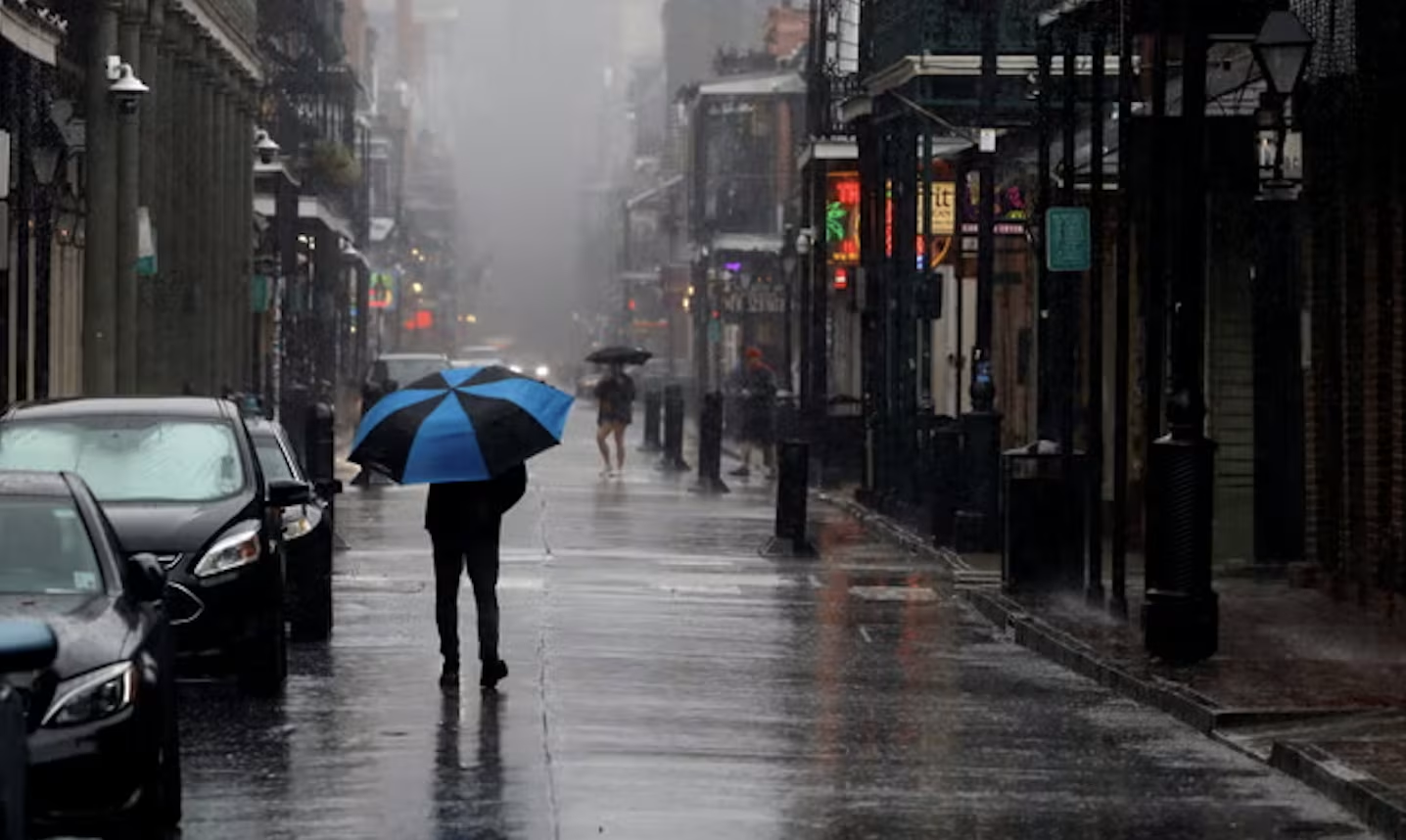
New Orleans has a humid subtropical climate. Summers are long, hot, and genuinely humid — highs in the low 90s from June through August, with a heat index that regularly pushes past 100°F. Afternoon thunderstorms roll through almost daily from June onward. Winters are mild: January highs average around 64°F, and hard freezes are rare. Spring and fall are when the city is at its most walkable, with warm temperatures and lower humidity. The official New Orleans tourism site has a useful month-by-month weather breakdown if you want to plan around a specific travel window.

The Best Overall Time to Visit: February through April

February through April is when New Orleans is firing on all cylinders. The weather is comfortable, the major festivals land in this window, and the city has an energy that's hard to find at other times of year.

February means Mardi Gras. March and April bring French Quarter Fest and Jazz Fest. If you can only make one trip, this is the window to target.

The catch is price and availability. Hotel rates peak during Mardi Gras and Jazz Fest weekends, and good properties book months out. The weeks between the big events — mid-February to late March outside of Mardi Gras — are often the best value: good weather, active city, more reasonable rates.

Mardi Gras: Worth Planning Around

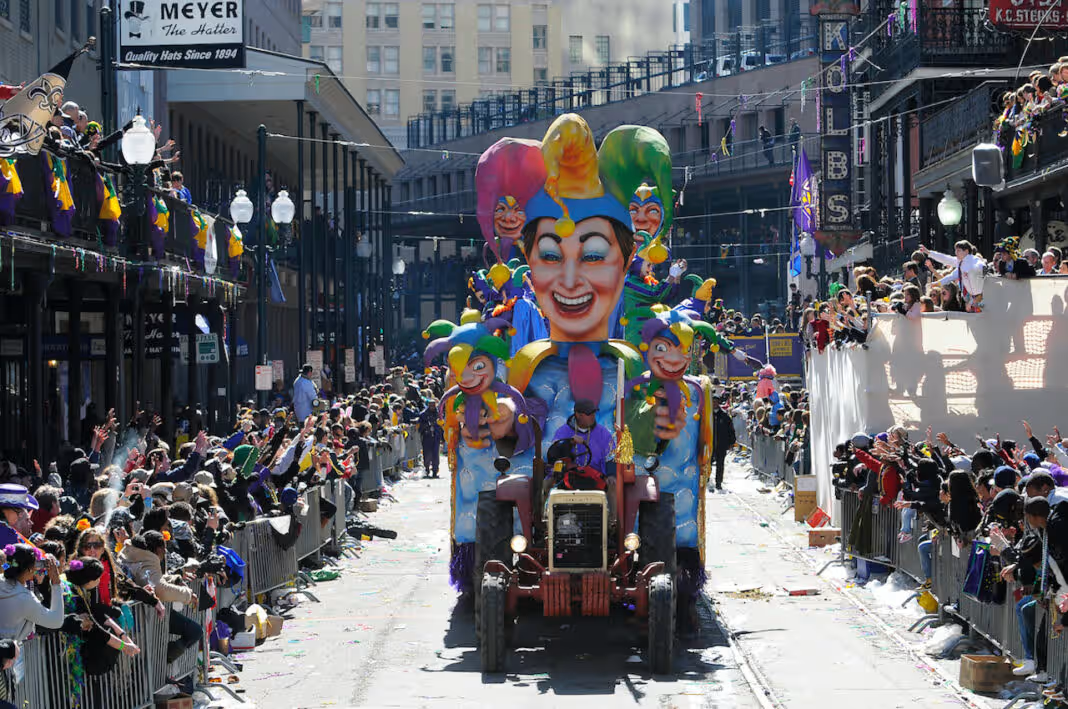
Mardi Gras season begins on January 6 (Twelfth Night) and runs until Fat Tuesday, which falls anywhere from early February to early March depending on the year. The final two weeks are when the major parades roll: Krewe of Muses, Krewe of Tucks, Krewe of Zulu, and the Rex parade on Fat Tuesday itself. The Krewe of Rex parade route and schedule is published in advance each year and worth checking before you plan where to watch.

For first-time visitors, it's worth doing at least once. The parades are free to watch, the city's neighborhoods each celebrate in their own way, and the scale of it is genuinely unlike anything else in the US. The planning reality: hotel rates often double or more during peak Mardi Gras weekend, and the best rooms book out a year in advance for Fat Tuesday.

If you want the experience without the peak chaos, visit in late January or early February during the earlier weeks of the season. The smaller neighborhood parades are still running and the crowds are far more manageable.

Spring: The Most Reliable Window

March and April are the most consistently good months to visit. The weather is warm without being brutal, and there's always something happening.

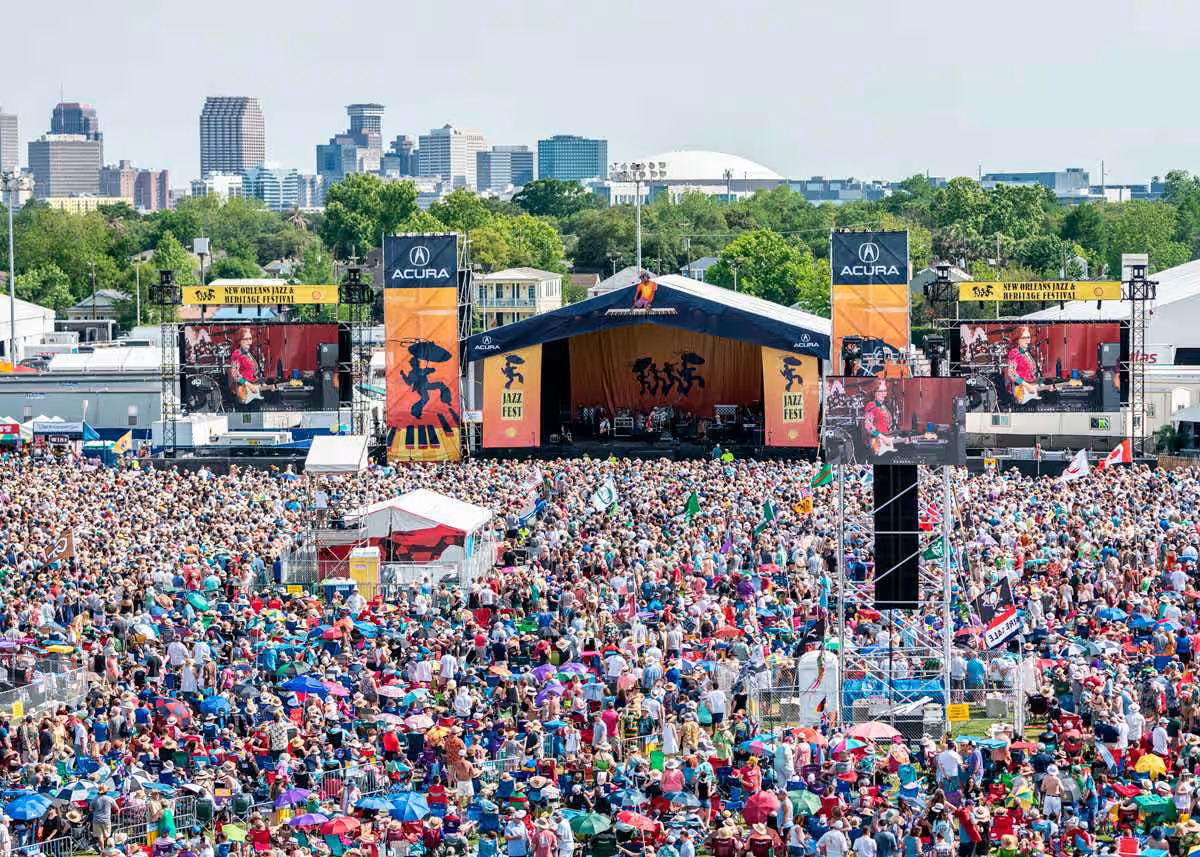
March has the Tennessee Williams Literary Festival, St. Patrick's Day parades in the Irish Channel neighborhood, and the start of crawfish season. In a city this serious about food, crawfish season matters. April brings French Quarter Fest, a free multi-stage music and food festival held entirely in the Quarter, followed by the first weekend of Jazz Fest at the Fair Grounds Race Course.

Jazz Fest draws major headliners alongside local brass bands, Mardi Gras Indians, and food vendors that give you a genuinely good meal between sets. Hotels book up fast for Jazz Fest weekends — plan ahead.

Summer: Hot, Cheap, and More Interesting Than You'd Expect
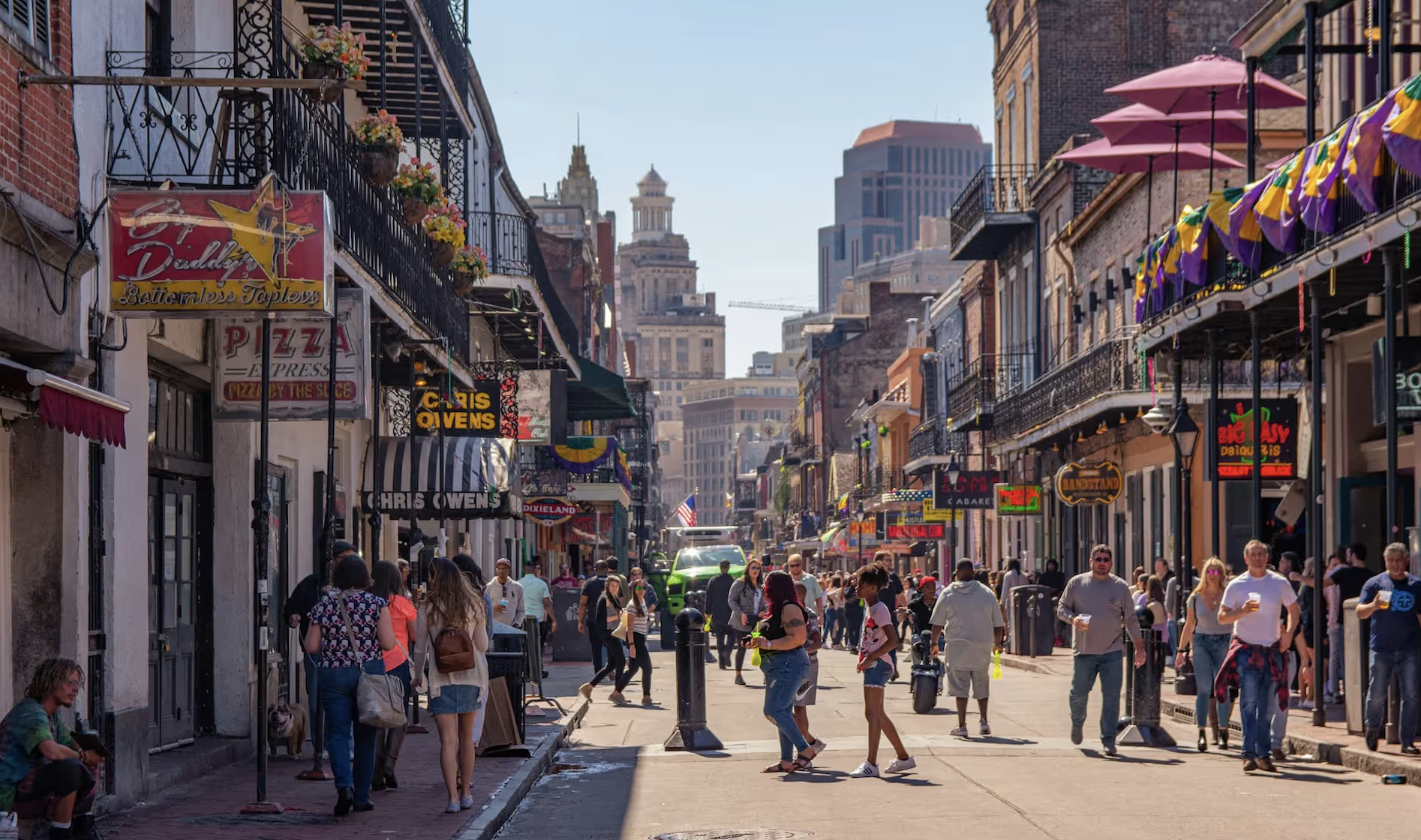
Summer is the off-season for a reason. June through August brings heat and humidity that makes midday outside genuinely uncomfortable, and the afternoon rain is a near-daily occurrence.

That said, summer in New Orleans has real appeal if you approach it correctly. Hotel rates hit their lowest point of the year, and August specifically is usually the cheapest month to book. The COOLinary program runs all of August, with more than 100 restaurants offering prix-fixe menus at reduced prices — it's a good excuse to eat your way through the city without the usual damage to your wallet. The Essence Festival over Fourth of July weekend draws hundreds of thousands of visitors and is one of the biggest music events in the country.

The adjustment to make in summer: treat it like a European August. Slow mornings, a long lunch somewhere with good air conditioning, back out in the evening when the temperature drops and the city comes alive.

Hurricane Season: What Travelers Need to Know

Hurricane season officially runs June 1 through November 30, with the highest-risk window from mid-August through early October. Storms that directly affect New Orleans are infrequent, but they do happen — Katrina in 2005, Gustav in 2008, and Ida in 2021 are recent examples. Most visits during hurricane season go off without disruption, but the risk is real enough to take seriously.

If you're traveling between August and October, buy travel insurance that covers weather cancellations and keep an eye on forecasts as your trip approaches. NOAA's Atlantic hurricane tracker is the most reliable source for monitoring active storms. October and early November are worth considering as a fall visit — hurricane risk drops sharply and the weather is some of the best of the year.

Fall: The Locals' Favorite Season

Ask people who live in New Orleans when to visit and many will say October. Temperatures settle into the low 80s, the humidity that defines summer finally eases, and the city's festival calendar fills back up.

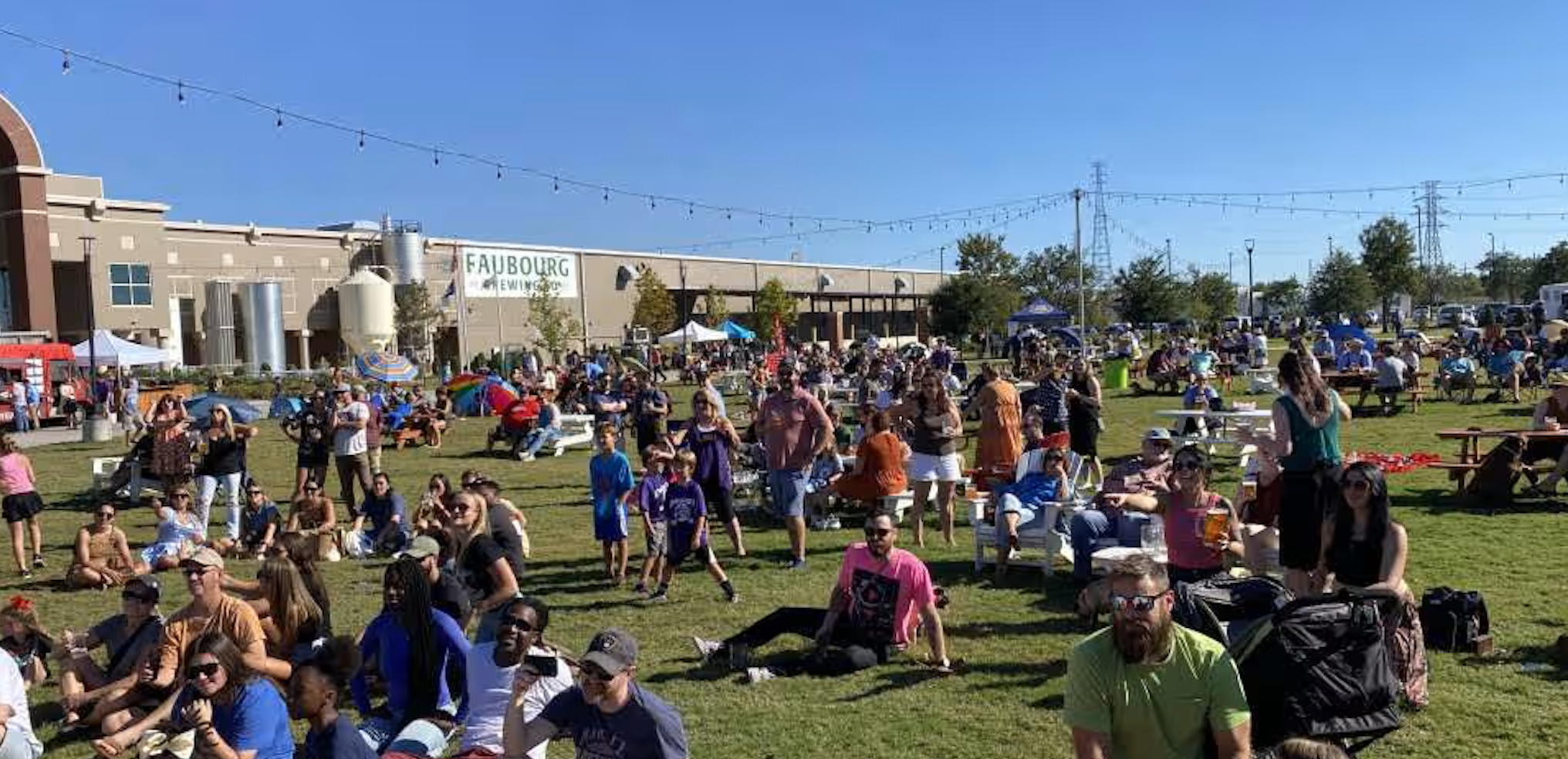
October has Oktoberfest at Deutsches Haus, Gentilly Fest, Tremé Fall Fest, and one of the more committed Halloween celebrations you'll find anywhere in the country. The city takes costumes seriously, and the neighborhood block parties on Halloween night are genuinely fun. Oyster season opens in the fall, and if you care about eating well, that timing matters.

November brings the Oak Street Po-Boy Fest, the Tremé Creole Gumbo Fest, and the Bayou Classic, the annual football showdown between Southern University and Grambling State that's been a New Orleans tradition for decades. Hotel rates are reasonable and availability is good outside the specific event weekends.

Winter: Better Than Most People Expect

Most travelers don't think of New Orleans as a winter destination, which means January and December are genuinely underrated. Highs in the mid-60s, low humidity, and very little rain make walking the city comfortable in a way that summer simply doesn't allow.

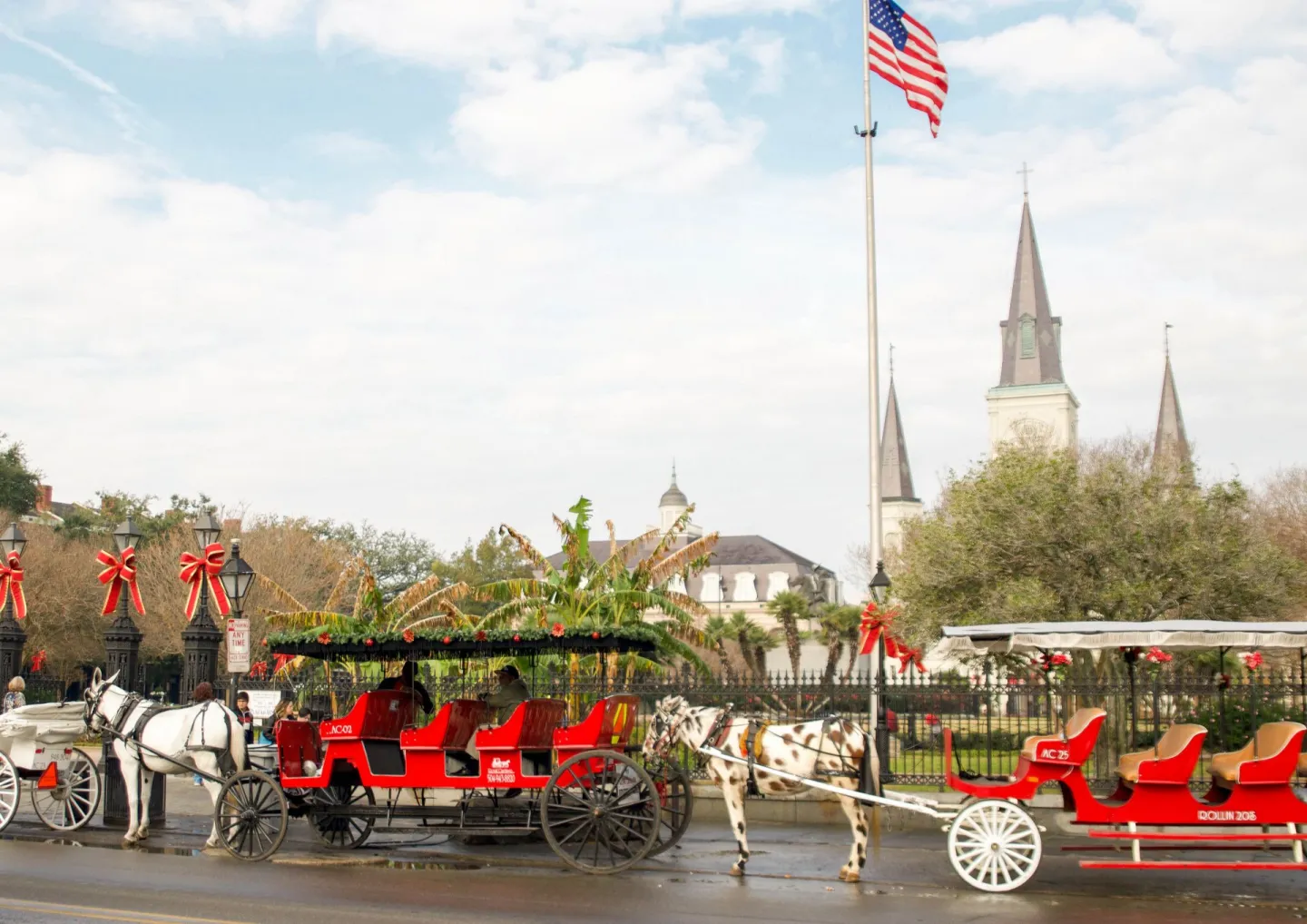
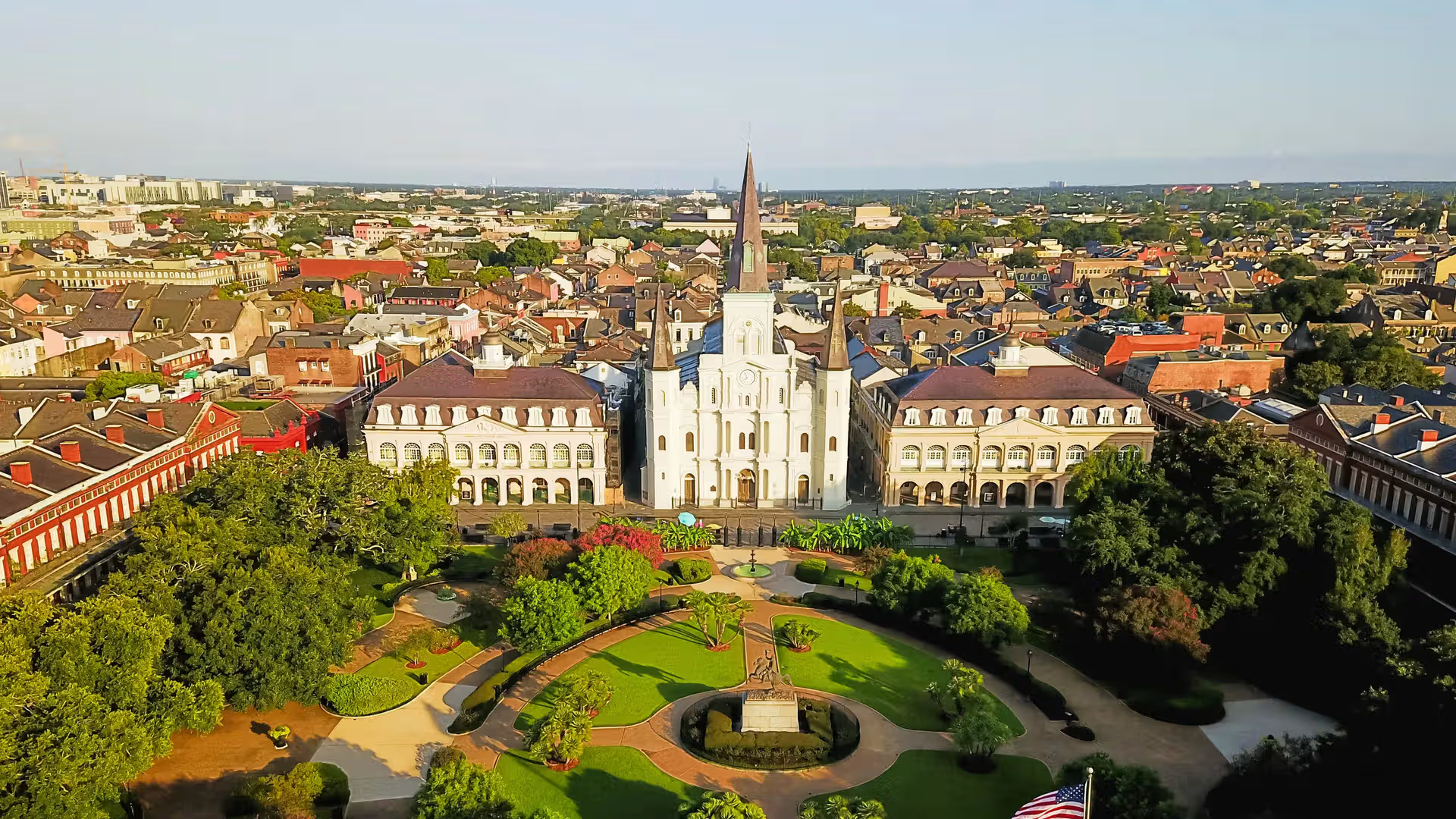
December has Celebration in the Oaks in City Park, Réveillon dinners at top restaurants throughout the city, and a New Year's Eve celebration with the Fleur de Lis drop along the riverfront near Jackson Square.

January is one of the better-kept secrets in New Orleans travel. Rates are low in the first few weeks before Mardi Gras season starts driving prices up, the city is quiet, and the food and music are exactly what they are every other month of the year. If your goal is to experience New Orleans rather than a specific event, January is worth a serious look.

Cheapest Time to Visit

June through September is when rates are at their lowest, with August typically coming in as the cheapest month across booking platforms. The heat is the tradeoff and it's a real one, but for budget-focused travelers who can handle the climate, the savings are significant.

January is the best budget option for travelers who want mild weather. Rates drop after New Year's and stay low until Mardi Gras season starts building momentum, usually in mid-to-late January.

The times to avoid if price matters: Mardi Gras week, Jazz Fest weekends, and Essence Festival weekend. Those three windows see the highest rates of the year and the tightest inventory.

Least Crowded Times to Visit

Late August through September and the first two weeks of January are the quietest periods. The French Quarter feels navigable, restaurant waits are shorter, and the city has a more neighborhood feel than during the festival season. Late August specifically tends to feel the most local of any time of year.

October and November split the difference — the weather is good, there's plenty going on, but the crowds never reach the scale of Mardi Gras or Jazz Fest.


Book Through Dyme — Travel That Goes Further

Whether you're planning around Jazz Fest, coming for a quiet January weekend, or looking for the best August rate in the French Quarter, Dyme helps you find the right hotel at the right price. Members access exclusive hotel rates and travel perks, and every booking helps fund clean energy projects, including solar installations for schools and hospitals that give communities access to cheaper, cleaner electricity.

Find New Orleans Hotels on Dyme →

Table of Contents

650
Airlines
2 Million
Hotels
2000
Car Rentals

Best Time to Visit New Orleans: Weather, Events and Crowds

New Orleans is a year-round city, but when you go shapes the trip more than most destinations. The same place that's packed wall-to-wall for Mardi Gras in February is quiet and cheap in August. Getting the timing right comes down to what you're after: festival energy, comfortable weather for walking, the lowest possible hotel rate, or a city that feels like itself rather than a tourist attraction.

This guide breaks it down by season, month, and what actually matters when you're deciding when to book.

Quick Answer: Best Time to Visit New Orleans

  • Best overall time: February through April — festival season with comfortable weather
  • Best weather: March, April, October, and November
  • Cheapest time: August and early September
  • Least crowded: Early January and late summer
  • Worst weather: July and August — extreme heat and humidity
  • Hurricane season: June through November, peak risk August through October

New Orleans Weather at a Glance

New Orleans has a humid subtropical climate. Summers are long, hot, and genuinely humid — highs in the low 90s from June through August, with a heat index that regularly pushes past 100°F. Afternoon thunderstorms roll through almost daily from June onward. Winters are mild: January highs average around 64°F, and hard freezes are rare. Spring and fall are when the city is at its most walkable, with warm temperatures and lower humidity. The official New Orleans tourism site has a useful month-by-month weather breakdown if you want to plan around a specific travel window.

The Best Overall Time to Visit: February through April

February through April is when New Orleans is firing on all cylinders. The weather is comfortable, the major festivals land in this window, and the city has an energy that's hard to find at other times of year.

February means Mardi Gras. March and April bring French Quarter Fest and Jazz Fest. If you can only make one trip, this is the window to target.

The catch is price and availability. Hotel rates peak during Mardi Gras and Jazz Fest weekends, and good properties book months out. The weeks between the big events — mid-February to late March outside of Mardi Gras — are often the best value: good weather, active city, more reasonable rates.

Mardi Gras: Worth Planning Around

Mardi Gras season begins on January 6 (Twelfth Night) and runs until Fat Tuesday, which falls anywhere from early February to early March depending on the year. The final two weeks are when the major parades roll: Krewe of Muses, Krewe of Tucks, Krewe of Zulu, and the Rex parade on Fat Tuesday itself. The Krewe of Rex parade route and schedule is published in advance each year and worth checking before you plan where to watch.

For first-time visitors, it's worth doing at least once. The parades are free to watch, the city's neighborhoods each celebrate in their own way, and the scale of it is genuinely unlike anything else in the US. The planning reality: hotel rates often double or more during peak Mardi Gras weekend, and the best rooms book out a year in advance for Fat Tuesday.

If you want the experience without the peak chaos, visit in late January or early February during the earlier weeks of the season. The smaller neighborhood parades are still running and the crowds are far more manageable.

Spring: The Most Reliable Window

March and April are the most consistently good months to visit. The weather is warm without being brutal, and there's always something happening.

March has the Tennessee Williams Literary Festival, St. Patrick's Day parades in the Irish Channel neighborhood, and the start of crawfish season. In a city this serious about food, crawfish season matters. April brings French Quarter Fest, a free multi-stage music and food festival held entirely in the Quarter, followed by the first weekend of Jazz Fest at the Fair Grounds Race Course.

Jazz Fest draws major headliners alongside local brass bands, Mardi Gras Indians, and food vendors that give you a genuinely good meal between sets. Hotels book up fast for Jazz Fest weekends — plan ahead.

Summer: Hot, Cheap, and More Interesting Than You'd Expect

Summer is the off-season for a reason. June through August brings heat and humidity that makes midday outside genuinely uncomfortable, and the afternoon rain is a near-daily occurrence.

That said, summer in New Orleans has real appeal if you approach it correctly. Hotel rates hit their lowest point of the year, and August specifically is usually the cheapest month to book. The COOLinary program runs all of August, with more than 100 restaurants offering prix-fixe menus at reduced prices — it's a good excuse to eat your way through the city without the usual damage to your wallet. The Essence Festival over Fourth of July weekend draws hundreds of thousands of visitors and is one of the biggest music events in the country.

The adjustment to make in summer: treat it like a European August. Slow mornings, a long lunch somewhere with good air conditioning, back out in the evening when the temperature drops and the city comes alive.

Hurricane Season: What Travelers Need to Know

Hurricane season officially runs June 1 through November 30, with the highest-risk window from mid-August through early October. Storms that directly affect New Orleans are infrequent, but they do happen — Katrina in 2005, Gustav in 2008, and Ida in 2021 are recent examples. Most visits during hurricane season go off without disruption, but the risk is real enough to take seriously.

If you're traveling between August and October, buy travel insurance that covers weather cancellations and keep an eye on forecasts as your trip approaches. NOAA's Atlantic hurricane tracker is the most reliable source for monitoring active storms. October and early November are worth considering as a fall visit — hurricane risk drops sharply and the weather is some of the best of the year.

Fall: The Locals' Favorite Season

Ask people who live in New Orleans when to visit and many will say October. Temperatures settle into the low 80s, the humidity that defines summer finally eases, and the city's festival calendar fills back up.

October has Oktoberfest at Deutsches Haus, Gentilly Fest, Tremé Fall Fest, and one of the more committed Halloween celebrations you'll find anywhere in the country. The city takes costumes seriously, and the neighborhood block parties on Halloween night are genuinely fun. Oyster season opens in the fall, and if you care about eating well, that timing matters.

November brings the Oak Street Po-Boy Fest, the Tremé Creole Gumbo Fest, and the Bayou Classic, the annual football showdown between Southern University and Grambling State that's been a New Orleans tradition for decades. Hotel rates are reasonable and availability is good outside the specific event weekends.

Winter: Better Than Most People Expect

Most travelers don't think of New Orleans as a winter destination, which means January and December are genuinely underrated. Highs in the mid-60s, low humidity, and very little rain make walking the city comfortable in a way that summer simply doesn't allow.

December has Celebration in the Oaks in City Park, Réveillon dinners at top restaurants throughout the city, and a New Year's Eve celebration with the Fleur de Lis drop along the riverfront near Jackson Square.

January is one of the better-kept secrets in New Orleans travel. Rates are low in the first few weeks before Mardi Gras season starts driving prices up, the city is quiet, and the food and music are exactly what they are every other month of the year. If your goal is to experience New Orleans rather than a specific event, January is worth a serious look.

Cheapest Time to Visit

June through September is when rates are at their lowest, with August typically coming in as the cheapest month across booking platforms. The heat is the tradeoff and it's a real one, but for budget-focused travelers who can handle the climate, the savings are significant.

January is the best budget option for travelers who want mild weather. Rates drop after New Year's and stay low until Mardi Gras season starts building momentum, usually in mid-to-late January.

The times to avoid if price matters: Mardi Gras week, Jazz Fest weekends, and Essence Festival weekend. Those three windows see the highest rates of the year and the tightest inventory.

Least Crowded Times to Visit

Late August through September and the first two weeks of January are the quietest periods. The French Quarter feels navigable, restaurant waits are shorter, and the city has a more neighborhood feel than during the festival season. Late August specifically tends to feel the most local of any time of year.

October and November split the difference — the weather is good, there's plenty going on, but the crowds never reach the scale of Mardi Gras or Jazz Fest.

Book Through Dyme — Travel That Goes Further

Whether you're planning around Jazz Fest, coming for a quiet January weekend, or looking for the best August rate in the French Quarter, Dyme helps you find the right hotel at the right price. Members access exclusive hotel rates and travel perks, and every booking helps fund clean energy projects, including solar installations for schools and hospitals that give communities access to cheaper, cleaner electricity.

Find New Orleans Hotels on Dyme →

Get up to 12% instant cashback on 200+ gift cards

Join the waitist before the launch our new platform
Be among the first to unlock to unclock instant cashback on top brands like Amazon, Starbucks, Target, and more. Limited early access spots available.
Thank you! Your submission has been received!
Oops! Something went wrong while submitting the form.
No spam. Unsubscribe anytime. By joining, you agree of our Terms of Service