

Best Time to Visit Paris: Weather, Crowds, and Travel Seasons
Paris draws around 30 million visitors a year, which means the question of when to visit Paris matters as much as where to stay.
The city doesn't have a bad season, but it has seasons that suit different travelers very differently.
The short answer: late September through early November, and mid-April through May, are the two windows where weather, crowds, and value align best. Summer is peak everything, including price and queues. January and February are the cheapest months but the greyest. Here's how each season breaks down.
Spring in Paris (April to June)
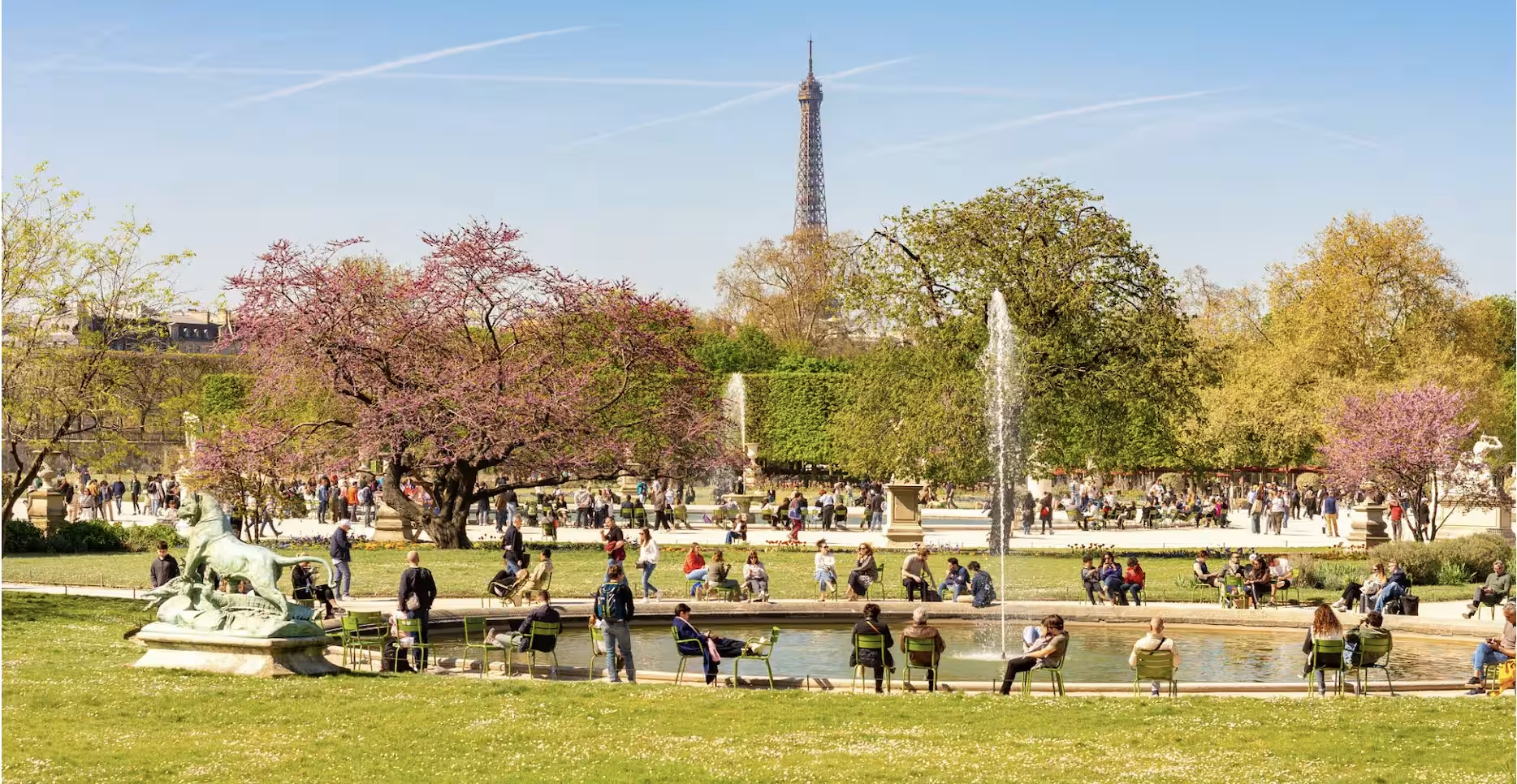
April and May are the most reliably pleasant months in Paris. Temperatures range from 12 to 18°C (54 to 65°F), outdoor café terraces fill up, and the city's parks, Luxembourg and the Tuileries in particular, are in bloom. May has the best light of the year: long golden hours and the kind of weather that makes walking the only reasonable way to get around.
June is when the crowds start building. School's still in session through mid-June in much of Europe and the US, so early June remains manageable. By the last week of June, you're in summer territory. Hotel rates follow the same curve, climbing 20 to 40% between May and peak July.
If you're choosing between April and May: May has better weather odds and longer daylight. April can still be cold and wet, particularly early in the month.
Summer (July and August)
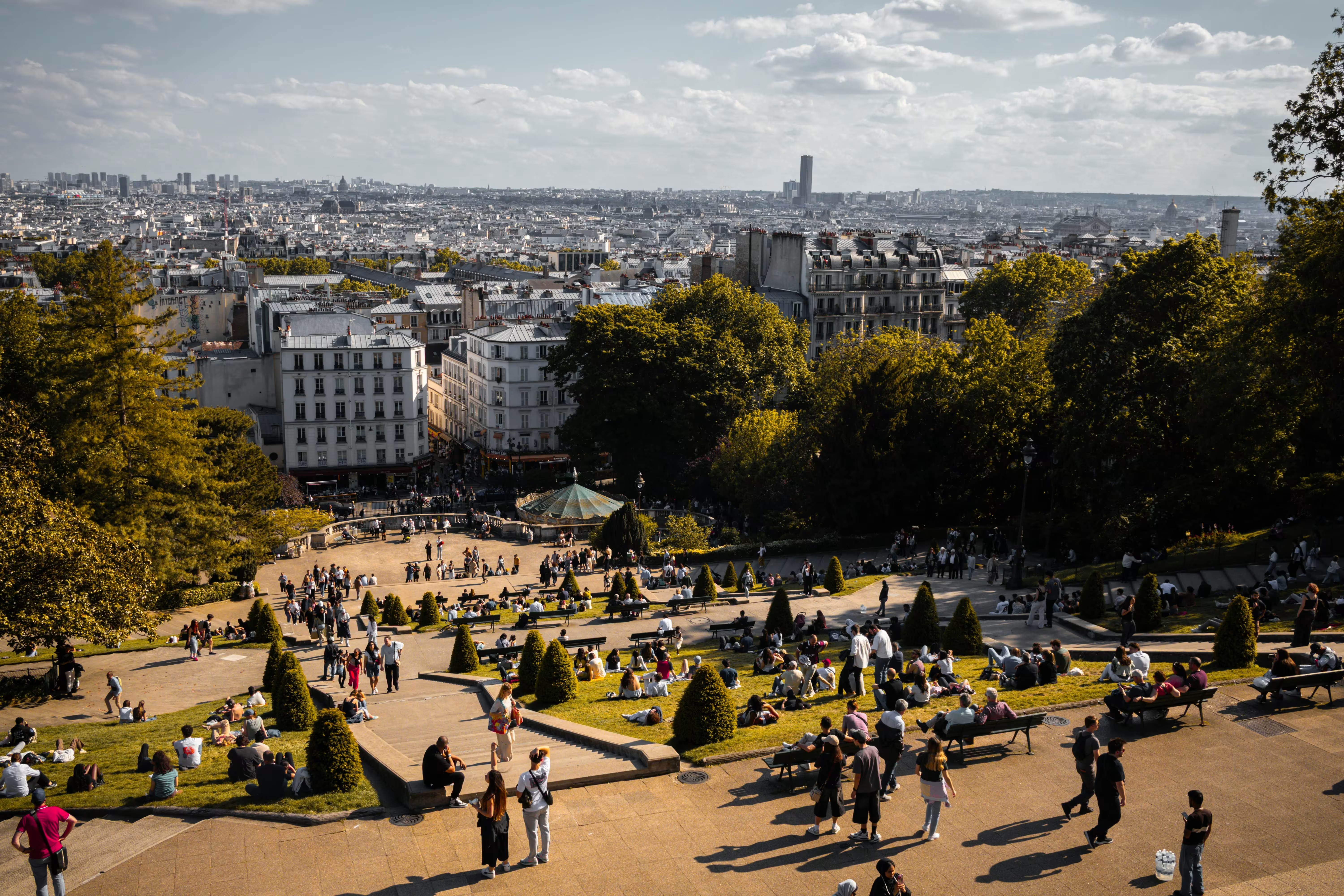
July and August are Paris at maximum intensity. The Louvre queues stretch past an hour without advance booking, the Eiffel Tower's timed-entry slots sell out weeks ahead, and prices for central hotels peak. A mid-range room that costs €150 in October can run €220 to 280 in July.
There's a counterintuitive upside to August: Parisians leave. The city empties of locals from mid-July through late August as residents head to the coast or countryside. Restaurants in the Marais and Saint-Germain may close for two to three weeks. But the Seine-Saint-Denis area and outer arrondissements feel quiet in a way they never do the rest of the year.
Summer also means long evenings, outdoor cinema at Parc de la Villette, and Paris Plages, the city's artificial beach along the Seine that runs July through August. If you're traveling with children, the tradeoffs lean toward summer despite the crowds.
Fall in Paris (September to November)
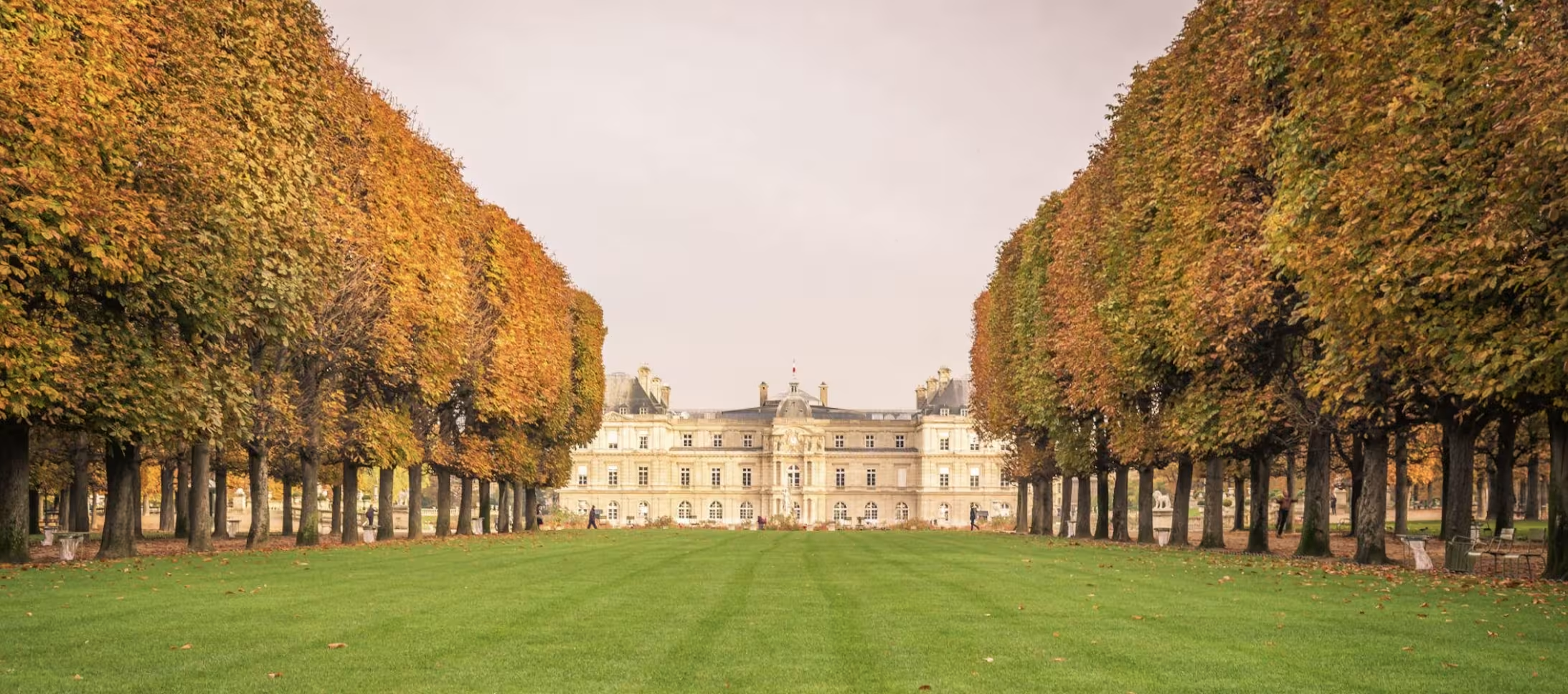
September is the best single month to visit Paris for most travelers. The summer crowds thin out after the first week, the weather stays warm (17 to 22°C / 63 to 72°F through mid-October), and the city's cultural season kicks back into gear. Fashion Week runs in late September, which means you should book accommodations early because rates spike that week.
October brings cooler temperatures and the best hotel value of the post-summer period. The Luxembourg Garden's chestnuts turn, the light goes amber, and lines at major museums are back to manageable. Early November is still fine for walking and sightseeing, though the days shorten fast.
Late November turns grey and damp. Christmas markets open around late November at spots like the Champs-Élysées and La Défense, which adds charm but also returns crowds.
Winter in Paris (December to March)
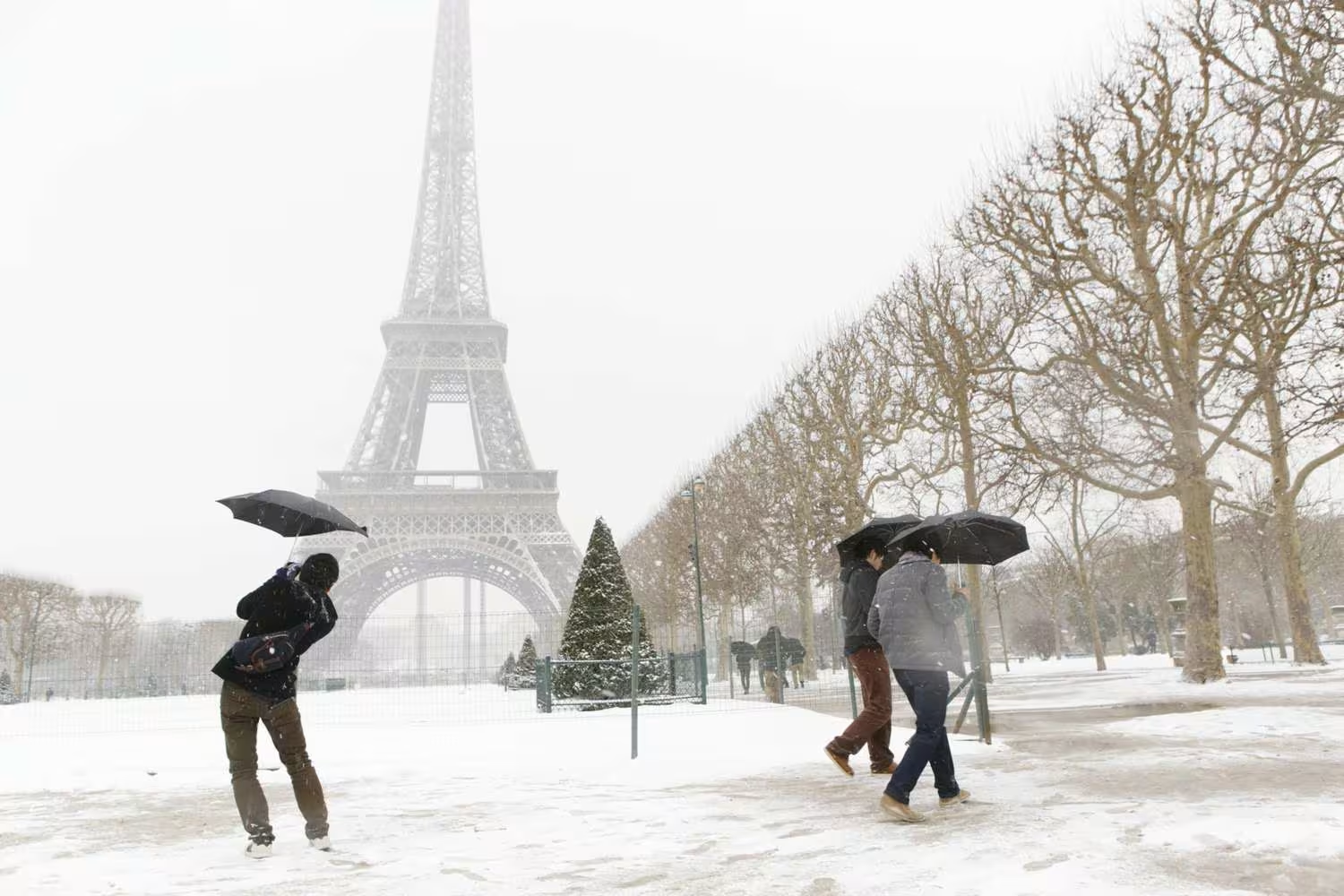
December is a split story. Early December is festive and still draws visitors for the markets and lights, with prices elevated from mid-November through Christmas. Between Christmas and New Year's, it's expensive and crowded. The first two weeks of January are the cheapest time to visit Paris, no contest.
January and February offer low hotel rates, minimal queues at museums, and a chance to see the Louvre or Musée d'Orsay at a pace that lets you stop and look at things. The tradeoff is weather: overcast, 4 to 8°C (39 to 46°F), occasional rain. These months work well if your trip is weighted toward indoor experiences, food, and neighborhoods rather than outdoor time.
March is transitional. Prices start climbing toward spring rates, but the weather can still be unreliable. If you're booking March, lean toward late March when the daylight extends and the first café terraces reopen.
Season Comparison
Where to Stay by Season
The arrondissement matters as much as the season. Staying in the 1st, 4th, 6th, or 7th puts you within walking distance of major sights, which means summer heat and shorter winter days both become less of a logistical problem.
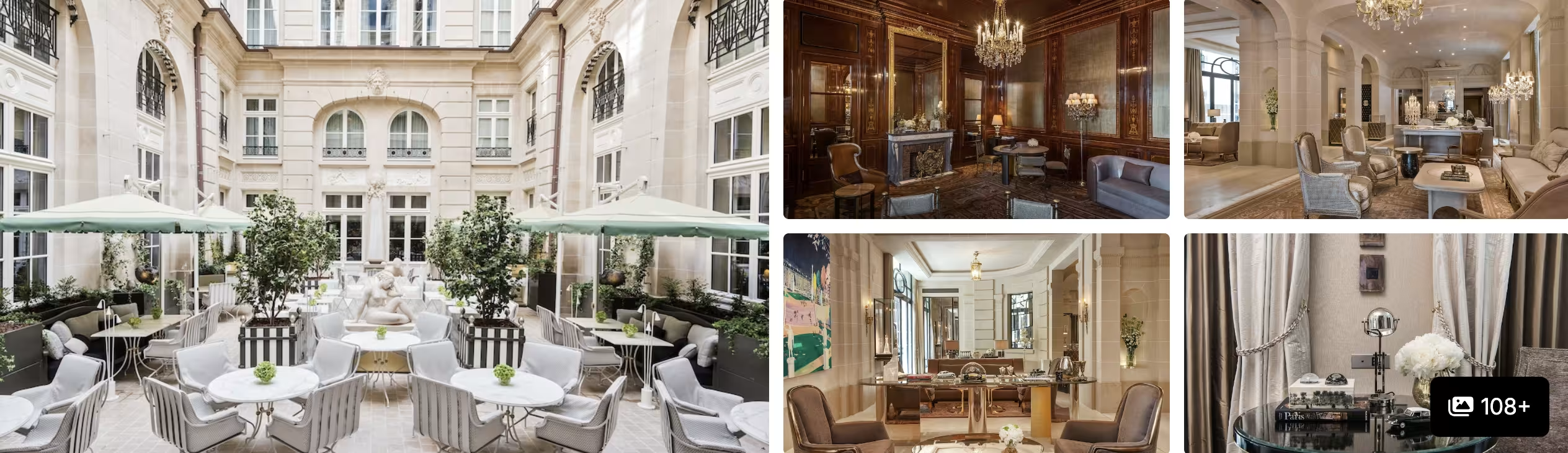
Hôtel de Crillon, Best for Central Luxury
10 Place de la Concorde, 75008 Paris
On the corner of Place de la Concorde with direct views across to the Tuileries, this Rosewood property has 124 rooms and a spa with a 26-meter pool. The building dates to 1758, and the renovation completed in 2017 brought it into the present without erasing the original bones. Rates are high year-round but peak hard in July.
Check availability at Hôtel de Crillon →
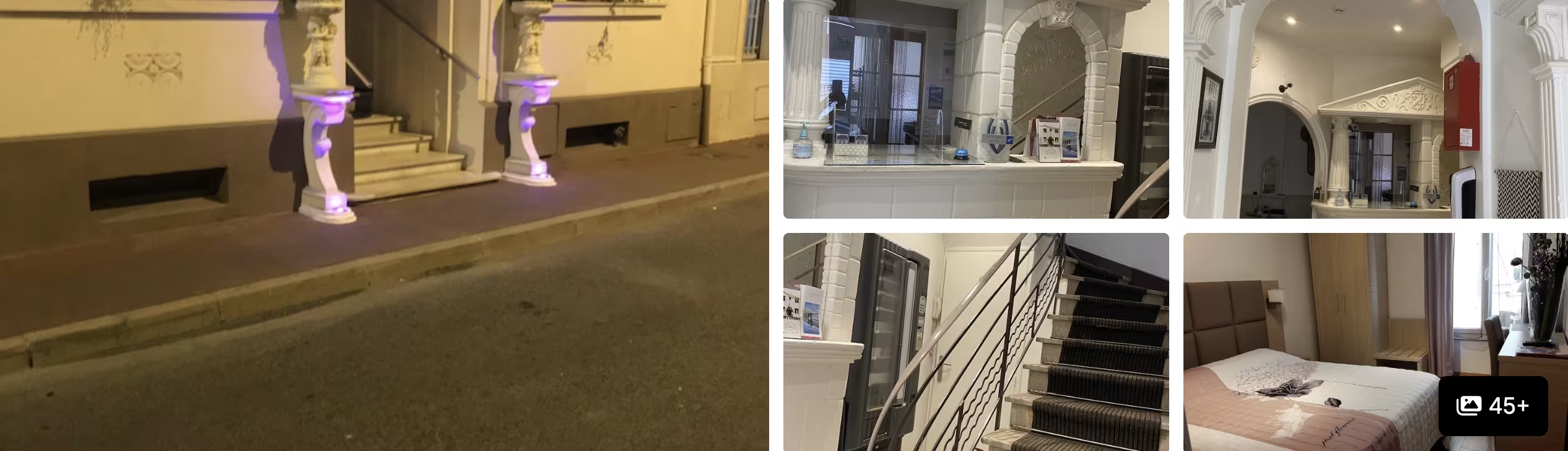
Hôtel Lutetia, Best for Left Bank Character
45 Boulevard Raspail, 75006 Paris
The Lutetia is the only grand hotel on the Left Bank. The building is Art Deco from 1910, the neighborhood is Saint-Germain-des-Prés, and the brasserie attached to it (Le Lutetia) is worth a dinner reservation regardless of where you're staying. A good fall or spring base if you're prioritizing culture, bookshops, and restaurants over proximity to the Eiffel Tower.
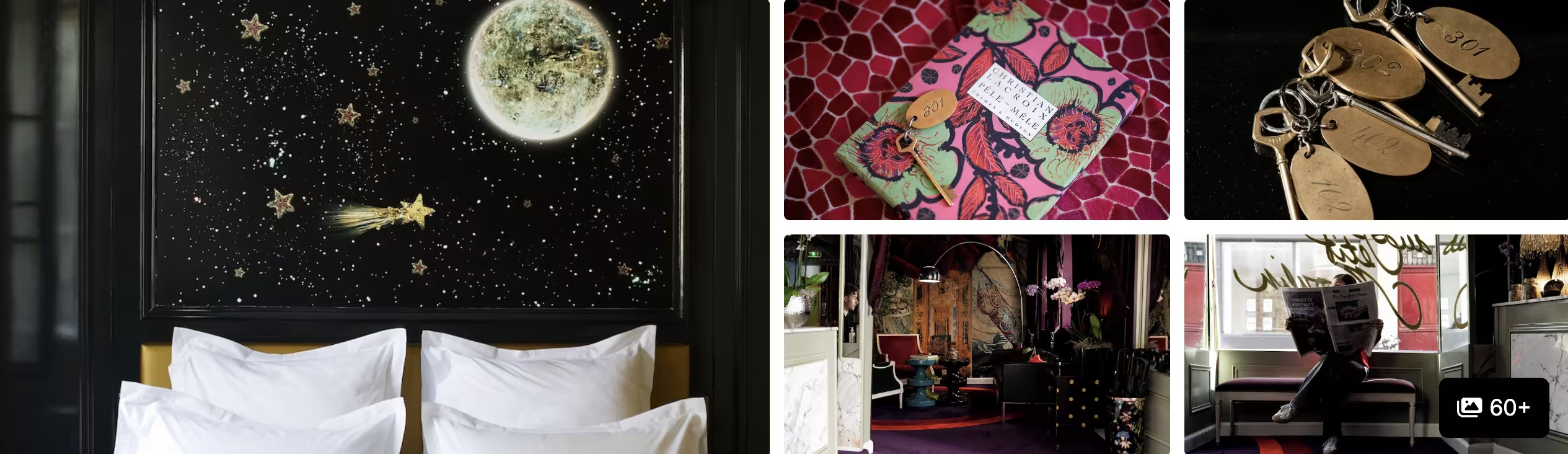
Hôtel du Petit Moulin, Best for Neighborhood Character
29-30 Rue de Poitou, 75003 Paris
Christian Lacroix designed the interiors of this 17-room hotel in the Upper Marais, and each room is different — think layered prints, period furniture, and deliberate color. The building is a former boulangerie on a street that feels genuinely local, close to the Picasso Museum and the Marché des Enfants Rouges. For travelers who want the Marais experience without staying on a tourist-heavy block, this is the right address.
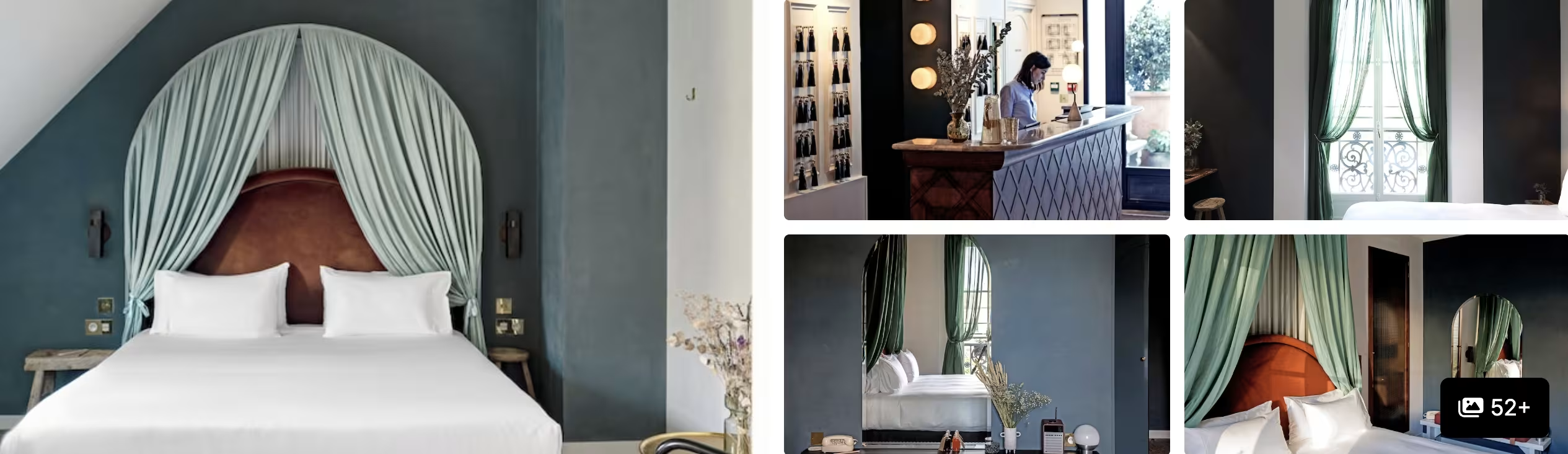
Grands Boulevards Experimental, Best for Mid-Range Value
17 Boulevard Poissonnière, 75002 Paris
The 2nd arrondissement often gets overlooked, but the Grands Boulevards area has become one of the better neighborhoods for food and nightlife over the past decade. This hotel has 50 rooms, a rooftop terrace that's popular in summer, and rates that make it one of the better-value boutique options in central Paris. Book the rooftop-facing rooms in May or September.
Check availability at Grands Boulevards Experimental →
If you're extending a work trip in Paris by a few days, our bleisure travel policy guide covers how to structure the personal extension. And for tips on navigating European cities as a first-time visitor, the Amsterdam travel tips guide covers logistics that apply across the continent.
Common Questions About Visiting Paris
What month is best to visit Paris?
May and October are the two strongest months. May has better weather and the city's energy peaks with outdoor life returning. October offers comparable atmosphere with lower hotel rates and shorter museum queues.
When is Paris least crowded?
January through early February. The Christmas rush ends the first week of January, and tourist volumes drop to their annual low. You'll have more space in the Louvre than at any other time of year, and rates reflect it.
Is Paris better in spring or fall?
Spring edges out fall on weather reliability, but fall wins on value and cultural programming. The opera season, film festivals, and gallery openings all run September through November. If budget matters, fall. If this is a first visit and you want the classic Paris experience, spring.
How many days do you need in Paris?
Four to five days covers the major sights without rushing. Three days is possible but leaves no room for wandering, which is a large part of what Paris rewards. Seven days lets you get beyond the obvious itinerary into neighborhood markets, day trips to Versailles or Giverny, and the parts of the city that don't appear on highlight reels.
Is Paris expensive to visit in summer?
Yes. Hotel rates in July and August run 30 to 50% higher than October rates for comparable properties. Flights are also at seasonal peaks. If your schedule is flexible, shifting to late September saves money and often improves the experience.
Book through Dyme, travel that goes further
Every hotel booking on Dyme funds solar installations for schools and hospitals, cutting their electricity costs for decades. Whether you're planning a spring trip during peak bloom or a quiet fall stay, Dyme has Paris hotel options at competitive rates.
Table of Contents
Best Time to Visit Paris: Weather, Crowds, and Travel Seasons
Paris draws around 30 million visitors a year, which means the question of when to visit Paris matters as much as where to stay.
The city doesn't have a bad season, but it has seasons that suit different travelers very differently.
The short answer: late September through early November, and mid-April through May, are the two windows where weather, crowds, and value align best. Summer is peak everything, including price and queues. January and February are the cheapest months but the greyest. Here's how each season breaks down.
Spring in Paris (April to June)
April and May are the most reliably pleasant months in Paris. Temperatures range from 12 to 18°C (54 to 65°F), outdoor café terraces fill up, and the city's parks, Luxembourg and the Tuileries in particular, are in bloom. May has the best light of the year: long golden hours and the kind of weather that makes walking the only reasonable way to get around.
June is when the crowds start building. School's still in session through mid-June in much of Europe and the US, so early June remains manageable. By the last week of June, you're in summer territory. Hotel rates follow the same curve, climbing 20 to 40% between May and peak July.
If you're choosing between April and May: May has better weather odds and longer daylight. April can still be cold and wet, particularly early in the month.
Summer (July and August)
July and August are Paris at maximum intensity. The Louvre queues stretch past an hour without advance booking, the Eiffel Tower's timed-entry slots sell out weeks ahead, and prices for central hotels peak. A mid-range room that costs €150 in October can run €220 to 280 in July.
There's a counterintuitive upside to August: Parisians leave. The city empties of locals from mid-July through late August as residents head to the coast or countryside. Restaurants in the Marais and Saint-Germain may close for two to three weeks. But the Seine-Saint-Denis area and outer arrondissements feel quiet in a way they never do the rest of the year.
Summer also means long evenings, outdoor cinema at Parc de la Villette, and Paris Plages, the city's artificial beach along the Seine that runs July through August. If you're traveling with children, the tradeoffs lean toward summer despite the crowds.
Fall in Paris (September to November)
September is the best single month to visit Paris for most travelers. The summer crowds thin out after the first week, the weather stays warm (17 to 22°C / 63 to 72°F through mid-October), and the city's cultural season kicks back into gear. Fashion Week runs in late September, which means you should book accommodations early because rates spike that week.
October brings cooler temperatures and the best hotel value of the post-summer period. The Luxembourg Garden's chestnuts turn, the light goes amber, and lines at major museums are back to manageable. Early November is still fine for walking and sightseeing, though the days shorten fast.
Late November turns grey and damp. Christmas markets open around late November at spots like the Champs-Élysées and La Défense, which adds charm but also returns crowds.
Winter in Paris (December to March)
December is a split story. Early December is festive and still draws visitors for the markets and lights, with prices elevated from mid-November through Christmas. Between Christmas and New Year's, it's expensive and crowded. The first two weeks of January are the cheapest time to visit Paris, no contest.
January and February offer low hotel rates, minimal queues at museums, and a chance to see the Louvre or Musée d'Orsay at a pace that lets you stop and look at things. The tradeoff is weather: overcast, 4 to 8°C (39 to 46°F), occasional rain. These months work well if your trip is weighted toward indoor experiences, food, and neighborhoods rather than outdoor time.
March is transitional. Prices start climbing toward spring rates, but the weather can still be unreliable. If you're booking March, lean toward late March when the daylight extends and the first café terraces reopen.
Season Comparison
Where to Stay by Season
The arrondissement matters as much as the season. Staying in the 1st, 4th, 6th, or 7th puts you within walking distance of major sights, which means summer heat and shorter winter days both become less of a logistical problem.
Hôtel de Crillon, Best for Central Luxury
10 Place de la Concorde, 75008 Paris
On the corner of Place de la Concorde with direct views across to the Tuileries, this Rosewood property has 124 rooms and a spa with a 26-meter pool. The building dates to 1758, and the renovation completed in 2017 brought it into the present without erasing the original bones. Rates are high year-round but peak hard in July.
Check availability at Hôtel de Crillon →
Hôtel Lutetia, Best for Left Bank Character
45 Boulevard Raspail, 75006 Paris
The Lutetia is the only grand hotel on the Left Bank. The building is Art Deco from 1910, the neighborhood is Saint-Germain-des-Prés, and the brasserie attached to it (Le Lutetia) is worth a dinner reservation regardless of where you're staying. A good fall or spring base if you're prioritizing culture, bookshops, and restaurants over proximity to the Eiffel Tower.
Hôtel du Petit Moulin, Best for Neighborhood Character
29-30 Rue de Poitou, 75003 Paris
Christian Lacroix designed the interiors of this 17-room hotel in the Upper Marais, and each room is different — think layered prints, period furniture, and deliberate color. The building is a former boulangerie on a street that feels genuinely local, close to the Picasso Museum and the Marché des Enfants Rouges. For travelers who want the Marais experience without staying on a tourist-heavy block, this is the right address.
Grands Boulevards Experimental, Best for Mid-Range Value
17 Boulevard Poissonnière, 75002 Paris
The 2nd arrondissement often gets overlooked, but the Grands Boulevards area has become one of the better neighborhoods for food and nightlife over the past decade. This hotel has 50 rooms, a rooftop terrace that's popular in summer, and rates that make it one of the better-value boutique options in central Paris. Book the rooftop-facing rooms in May or September.
Check availability at Grands Boulevards Experimental →
If you're extending a work trip in Paris by a few days, our bleisure travel policy guide covers how to structure the personal extension. And for tips on navigating European cities as a first-time visitor, the Amsterdam travel tips guide covers logistics that apply across the continent.
Common Questions About Visiting Paris
What month is best to visit Paris?
May and October are the two strongest months. May has better weather and the city's energy peaks with outdoor life returning. October offers comparable atmosphere with lower hotel rates and shorter museum queues.
When is Paris least crowded?
January through early February. The Christmas rush ends the first week of January, and tourist volumes drop to their annual low. You'll have more space in the Louvre than at any other time of year, and rates reflect it.
Is Paris better in spring or fall?
Spring edges out fall on weather reliability, but fall wins on value and cultural programming. The opera season, film festivals, and gallery openings all run September through November. If budget matters, fall. If this is a first visit and you want the classic Paris experience, spring.
How many days do you need in Paris?
Four to five days covers the major sights without rushing. Three days is possible but leaves no room for wandering, which is a large part of what Paris rewards. Seven days lets you get beyond the obvious itinerary into neighborhood markets, day trips to Versailles or Giverny, and the parts of the city that don't appear on highlight reels.
Is Paris expensive to visit in summer?
Yes. Hotel rates in July and August run 30 to 50% higher than October rates for comparable properties. Flights are also at seasonal peaks. If your schedule is flexible, shifting to late September saves money and often improves the experience.
Book through Dyme, travel that goes further
Every hotel booking on Dyme funds solar installations for schools and hospitals, cutting their electricity costs for decades. Whether you're planning a spring trip during peak bloom or a quiet fall stay, Dyme has Paris hotel options at competitive rates.