Dyme pays for solar out of the profit it makes on commissions from hotels, airlines and stores. That money is invested in solar projects, and the projects pay it back.
Everything in this note about our solar finance comes from our public pages, and the last section lists what those pages don't cover yet. The impact math, from megawatts to metric tons of CO2, is on its own page: how we calculate Dyme's renewable energy impact.
Where Dyme's solar finance comes from
Hotels and airlines pay us a commission on each booking. Our How Dyme works page puts the order plainly: "The commission hotels and airlines pay us covers our costs, and our profit pays for solar projects." Store purchases and gift cards also fund solar. Gift cards launched in June 2023 "with funding for solar projects built into every purchase," according to our results page.
Nobody pays extra for it. Our FAQ says the clean-energy funding "comes out of our supplier commission, not your wallet," and there's no climate fee on a booking.
Our pages describe the share in a few different ways: "a portion of every booking," "part of every booking margin," "our profit." The most precise is on our About us page: "We make a small profit and use part of it to fund solar projects." Read together, they say solar is paid from profit, after our costs. How big that part is, and whether it's a fixed share, isn't published.
How the money goes into projects
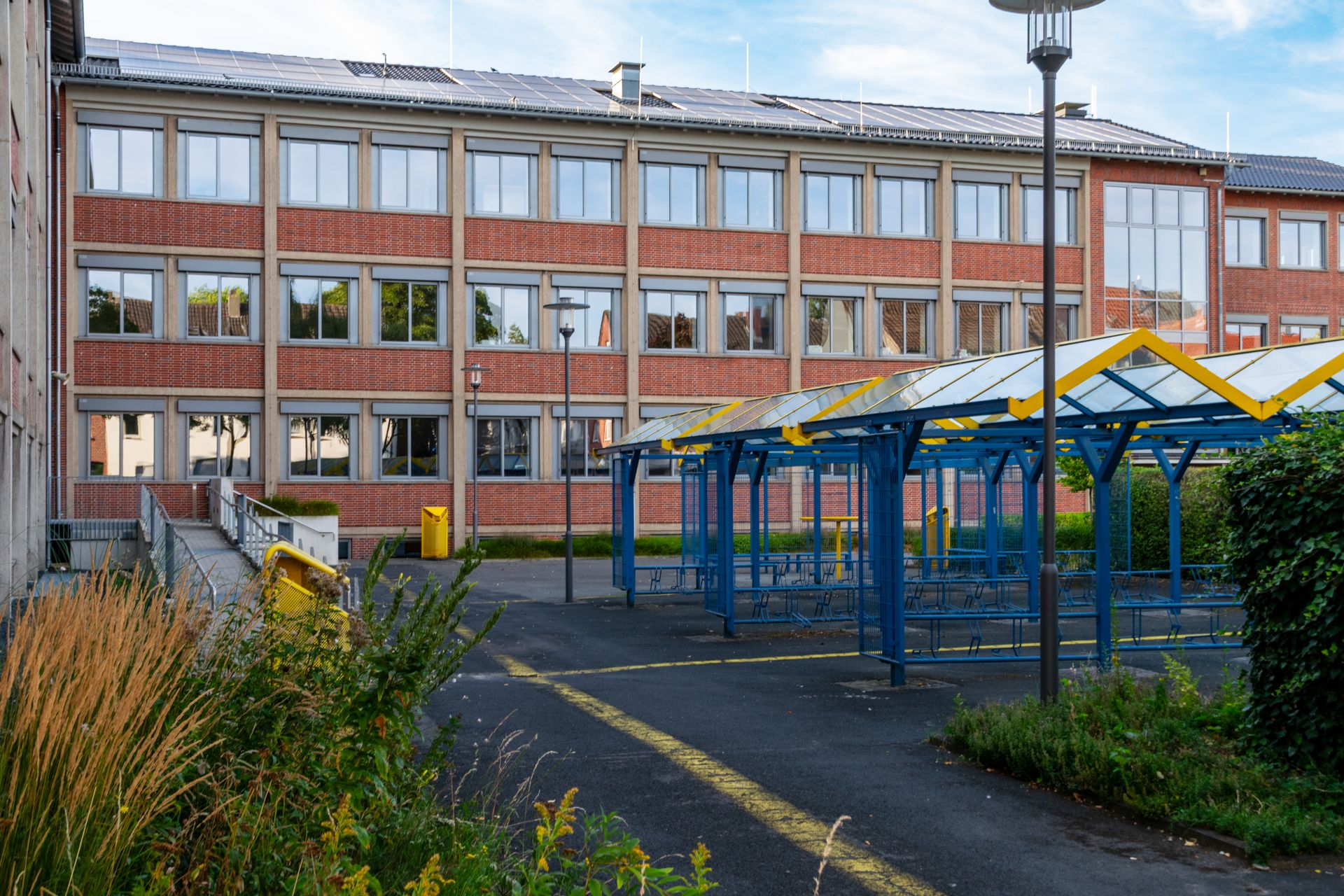
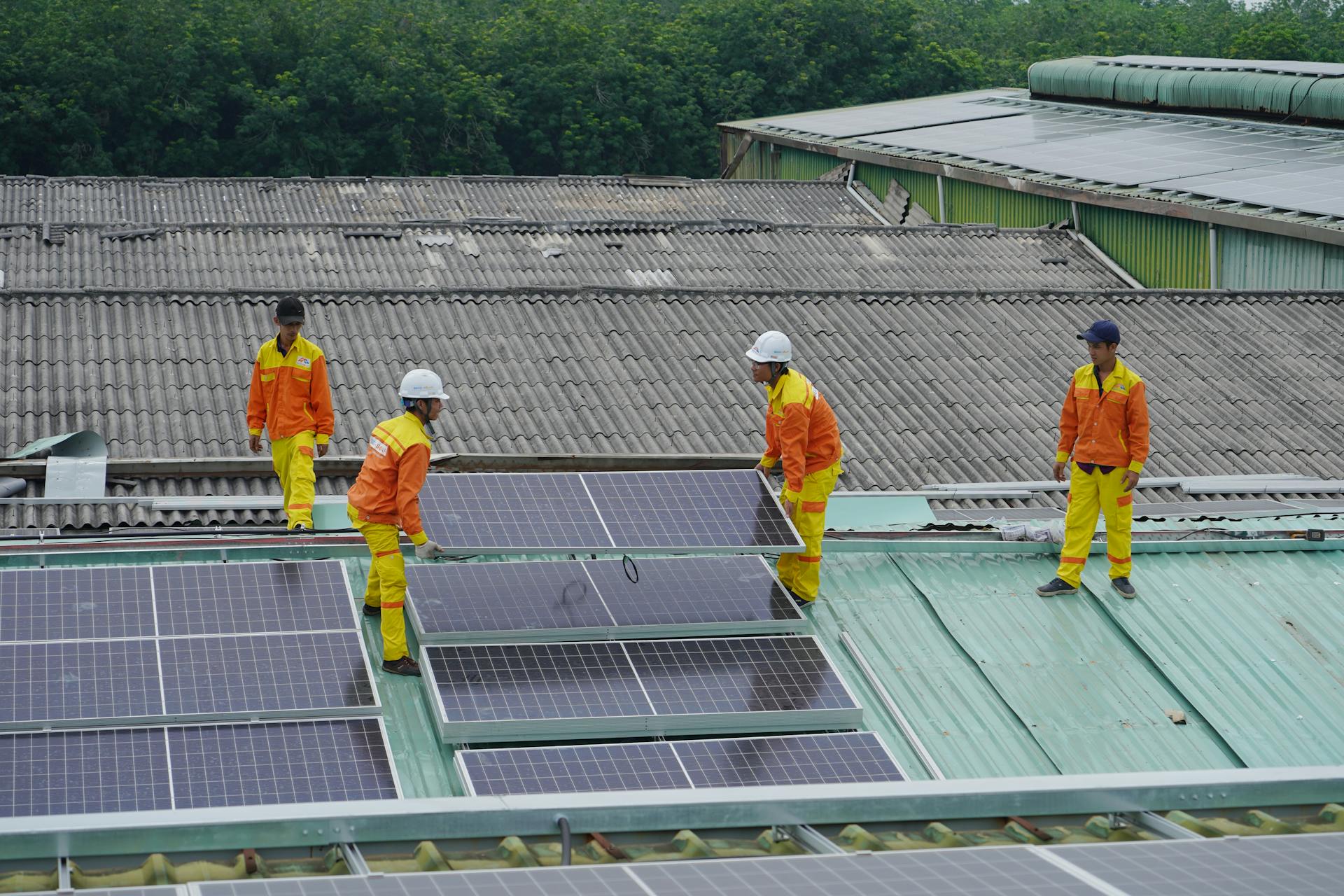
We fund developers who build and run solar for schools, hospitals and other institutions, and the institutions buy the power under long-term fixed-price contracts.
Our money is paid back, and repaid money goes into new solar. It can go into any layer of a project's funding, from a loan to an ownership stake, depending on what that project needs. If the layers are new to you, our guide to how renewable-energy projects are financed walks through one school's stack dollar by dollar.
Two investments are on our public record. The first, in December 2023, was with UGEI in Canada. The second, in February 2024, went through Renewables.org, a nonprofit whose own site describes its model as "a 0% interest loan" that projects repay "as solar projects generate and sell carbon-free energy" (Renewables.org's description of how its loans work). That describes their model in general. Our terms with either partner aren't published.
We don't buy renewable energy certificates. The EPA's definition of a renewable energy certificate ties each one to a megawatt-hour "generated and delivered to the electricity grid," so a certificate is bought after the power exists. Our money goes toward building new capacity instead. For how a platform weighs the two, see our piece on funding renewable energy from transactions.
How we choose projects
Our results page says every project "is weighed against six tests for the most climate and community impact per dollar."
| Test | What the results page says |
|---|---|
| Additionality | "We only invest in projects that add new solar capacity to the grid, not ones that change hands after they are built." |
| Financial strength | "Capital directed to projects with the highest climate and community impact per dollar." |
| Technology maturity | "Panels, inverters, and components are evaluated for durability, efficiency, and responsible sourcing." |
| Energy production | "Projects prioritized in sunny locations, because more sunlight means more clean electricity." |
| CO2 avoided per dollar | "We target regions where solar displaces the most coal and oil." |
| Community value | "Solar projects cut electricity bills by over 30% for schools, hospitals and households." |
Our FAQ adds a check on the developer: each one "is vetted for financial stability, track record, and project viability."
Read the six as criteria. We don't publish an allocation rule: no weighting, no pass mark, no named decision-maker and no rule for how much money each project gets. If your review needs one, this page can't give it to you yet.
What we count, and what we leave out
| Item | Published position | In current figures? |
|---|---|---|
| Built and operating capacity | 5.5 MW | Yes |
| Pipeline, contracted or in development | 20 MW | No, reported separately |
| Renewable energy certificates | None bought | Not applicable |
| Carbon offsets | None bought, sold or retired | Not applicable |
| Project types | Agrivoltaic solar in India (the largest), community solar in Canada, battery storage in California, rooftop solar in Africa | Listed on How Dyme works, without a capacity for each |
The ICMA handbook on impact reporting is written for green bond issuers, and it's the nearest standard we know of for reporting on financed projects. It asks an issuer to say whether its totals show each project's full size or only "the pro-rated share" matching its part of the financing. When adding projects together, it says only the pro-rated share should be included.
Our 5.5 MW is the full size of the projects we've put money into, and our money can be one layer of several in a project. So read it as the capacity of projects we helped fund. It isn't the pro-rated share the handbook asks for when totals are added together, and we don't publish that share.
What this method doesn't tell you yet
These are the things we don't publish today:
- How much of our profit goes to solar, as a share or in dollars, and any amount per booking.
- How much went into each project, or into all of them together.
- Which layer each project got, and on what terms: rate, length or return.
- How the six tests are weighted, and who makes the final call.
- Which revenue paid for the first two investments. Both came before the travel platform launched in June 2025, after gift cards launched in June 2023.
Our figures also aren't independently audited today.
If you need any of these for your own reporting, ask us directly. For a buyer's general checklist on a provider's climate claims, see how to evaluate climate-impact reporting from a travel-benefit provider.
Source log
Every Dyme claim on this page comes from one of these public sources, checked in October 2026.
| Claim | Source |
|---|---|
| Commission covers costs; profit pays for solar | How Dyme works |
| Part of a small profit goes to solar | About us |
| No climate fee; funding comes from supplier commission; developer vetting | FAQ, Climate Impact section |
| Six project tests; 5.5 MW built; 20 MW pipeline; investment and launch dates | Results |
| Project types and places | How Dyme works |
| Money is paid back; any layer, loan to ownership stake | How renewable-energy projects are financed |
| Developers build and run; long-term fixed-price power contracts | Funding solar for schools and nonprofits |
| No offsets bought, sold or retired | FAQ and our impact methodology |
| What a renewable energy certificate is | EPA, Renewable Energy Certificates |
| Full size versus pro-rated share | ICMA, Harmonised Framework for Impact Reporting, June 2024, p. 8 |
| Renewables.org's loan model | Renewables.org |
The impact figures built on the 5.5 MW, and the grid factor behind them, are sourced on our impact methodology page. For what the projects do for the schools and hospitals they serve, see why we invest in solar.
FAQ: Dyme's solar finance method
Where does Dyme's solar money come from?+
Hotels and airlines pay Dyme a commission on each booking, and store purchases and gift cards also fund solar. Once costs are covered, part of the profit goes to those projects. Travelers pay nothing extra for it.
Is Dyme's money in solar projects a donation?+
No. Projects pay the money back, and repaid money goes into new solar. The terms for individual projects, including whether Dyme lent the money or took a stake, aren't published.
How does Dyme choose which solar projects to fund?+
Against six published tests: additionality, financial strength, technology maturity, energy production, CO2 avoided per dollar and community value. Developers are also vetted for financial stability, track record and project viability. How the tests are weighted isn't published.
Does Dyme buy renewable energy certificates or carbon offsets?+
Neither. Dyme puts money toward building new solar capacity, and its figures count that capacity, not certificates or offsets.