A US solar project that started construction after July 4, 2026 now has to be running by December 31, 2027 to earn the federal clean electricity credit. That deadline is written into the 2025 tax law known as the One Big Beautiful Bill Act. The rules on what counts as starting construction have changed twice since: the IRS narrowed them in 2025, and a federal court reversed that in June 2026.
For a business weighing solar, that one date changes the numbers. With a lease or power purchase agreement, the developer claims the credit and builds it into your price, so a project that misses the deadline is likely to cost you more. This guide covers the main ways a business pays for solar, who gets the tax credit in each, and the questions to ask before you sign.
Four ways a business pays for solar
- Buy it. You pay for the system with cash or a loan, you own it, and you claim any tax credit it earns. You also carry the maintenance.
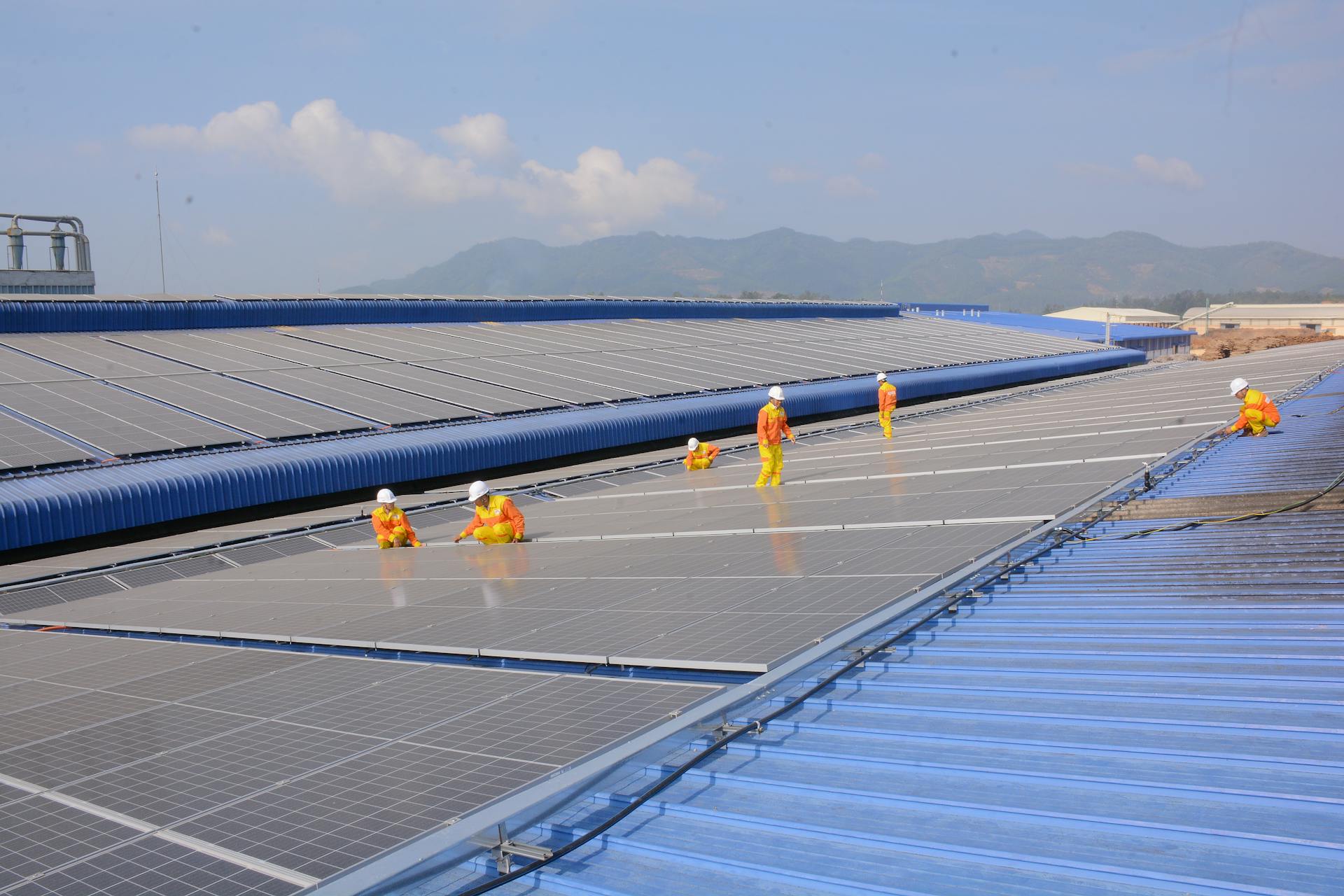
- Lease it. The EPA describes a solar lease as a contract where you pay "for the use of a solar system over a specified period of time, rather than paying for the power generated." The developer owns it.
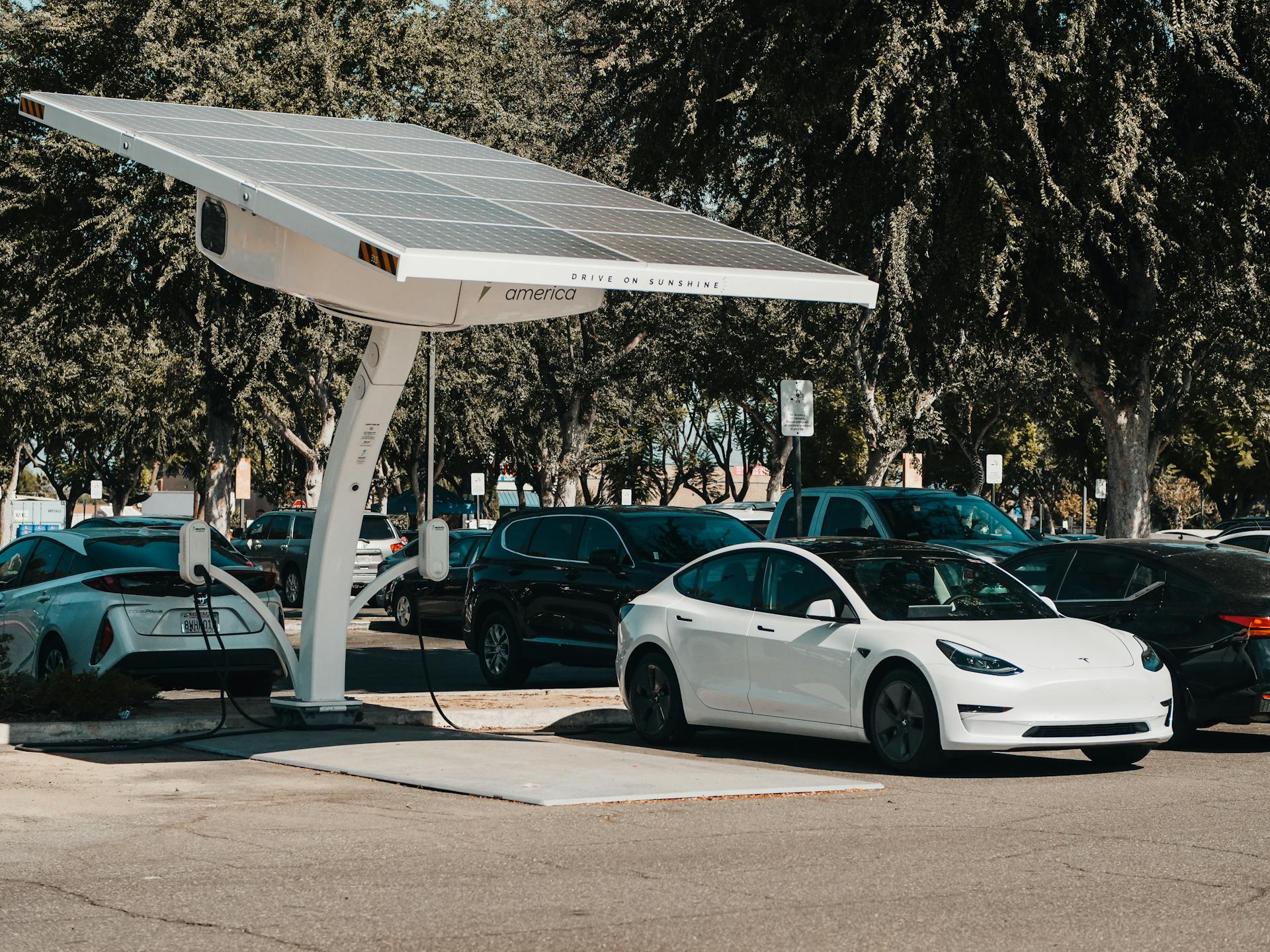
- Buy the power. Under a power purchase agreement, the developer owns the system and sells you its electricity "at a fixed rate, typically lower than the local utility," in the EPA's words. You pay for each unit of power.
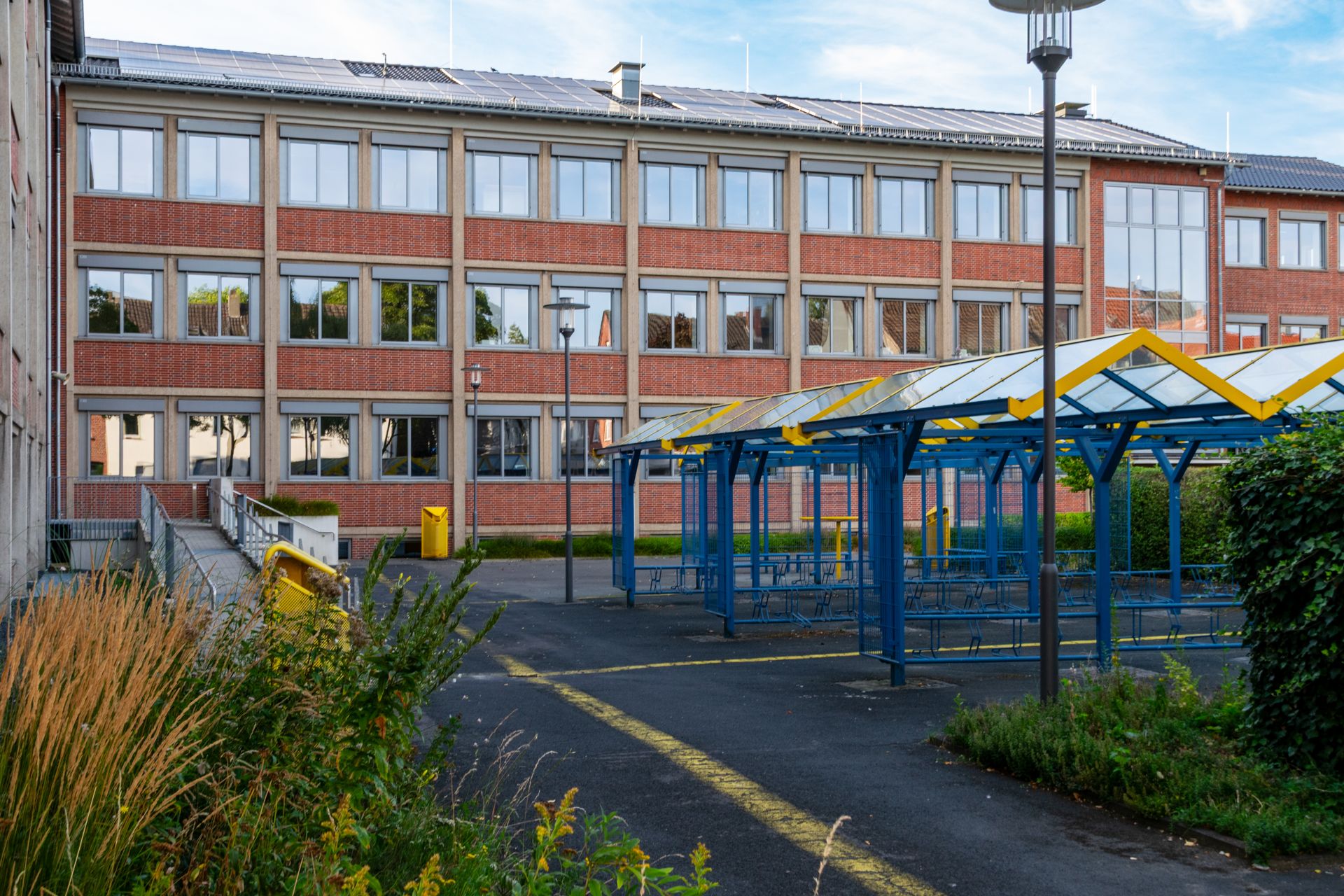
- Fund a project somewhere else. Some companies pay toward solar built for someone else, such as a school or a clinic. The electricity savings go to that institution, and the company gets a result it can report.
The first three put panels on or near your own buildings. The fourth doesn't, so your company gets a result it can report instead of a lower power bill.
| Who owns it | Who claims the credit | What you pay | Who gets the power savings | |
|---|---|---|---|---|
| Buy | You | You | The full cost, up front or over a loan | You |
| Lease | The developer | The developer | A regular payment for the system | You |
| Power purchase agreement | The developer | The developer | A fixed rate for each unit of power | You |
| Fund a project | The project owner | The project owner, if it qualifies | What you choose to give or invest | The school, clinic or community |
Who gets the tax credit
The owner claims the federal credit, and it can be large. According to the IRS, the clean electricity investment credit starts at 6% of the qualifying cost. It rises to 30% for projects that meet prevailing wage and apprenticeship rules, and can add up to 10 percentage points each for US-made steel, iron and manufactured products and for being in an energy community.
That's why who claims it matters. Many organizations that want solar don't pay much federal tax.
Two rules help. Elective pay lets tax-exempt organizations and state and local governments get the credit as a payment: the IRS "treats the elective payment amount as a tax payment." Projects of 1 megawatt or more can get a reduced amount if they don't meet the domestic content rules. That's how a nonprofit hospital or a public school can benefit.
Transferability lets an owner that can't use elective pay sell the credit to another company for cash.
With a lease or a power purchase agreement, the developer claims the credit and should pass some of its value on in a lower price. If the credit falls through, that price has to cover the gap.
The July 2026 deadline, and what counts as starting construction
The law ends the credit for wind and solar projects placed in service after December 31, 2027, unless construction began by July 4, 2026. So the date construction began decides which deadline a project faces.
The IRS has long accepted two ways to show construction has begun:
- Physical work. Work of a significant nature has started on the project.
- The 5% rule. The owner has paid or incurred at least 5% of the project's total cost.
In August 2025, Notice 2025-42 took away the 5% rule for wind and for solar projects over 1.5 megawatts. On June 6, 2026, the federal district court in Washington, DC threw out that notice in Oregon Environmental Council v. IRS, ruling that the IRS hadn't justified the change. Both ways count again for now. An appeal or new IRS guidance could change that, so ask a developer which one their project relies on.
Once construction has begun, the project has to keep going. The IRS treats it as continuous if it is placed in service by the end of the fourth calendar year after the year construction began. After that, it depends on the facts.
So a project that began construction in early 2026, before the deadline, is treated as continuous if it's running by the end of 2030. A project that started after July 4, 2026 has until the end of 2027.
What to plan for after 2027
A project without the credit has to pay for itself mostly through the electricity it saves. Some projects will manage that and some won't, which changes which ones make sense and what a lease or power purchase agreement will cost you.
The deadline reaches you even if you fund projects rather than buy power. A project that loses a credit worth up to 30% of its cost has to find that money somewhere, which can mean a bigger ask from funders, a smaller project or a delay.
If you're comparing offers now, ask for pricing with and without the credit. The gap tells you how much of the deal depends on the deadline, and how much you'd pay if the project slips past it.
Questions to ask before you sign or fund
- When did construction begin, and what's the evidence? Ask whether the project relies on physical work or the 5% rule, and for the date. A project that relies on the 5% rule depends on the June 2026 ruling holding.
- Who owns the system, and who claims the credit? Get it in the contract.
- What happens to the price if the credit falls through? Find out whether you or the developer carries that risk.
- Is the capacity new? Funding a project that would have been built anyway, or buying a share of one already running, does less than paying for new capacity.
- What is built, and what is planned? Keep those two numbers apart in anything you report.
- Who maintains it, and for how long? Panels run for decades, and the contract should cover who keeps them working.
How Dyme funds solar
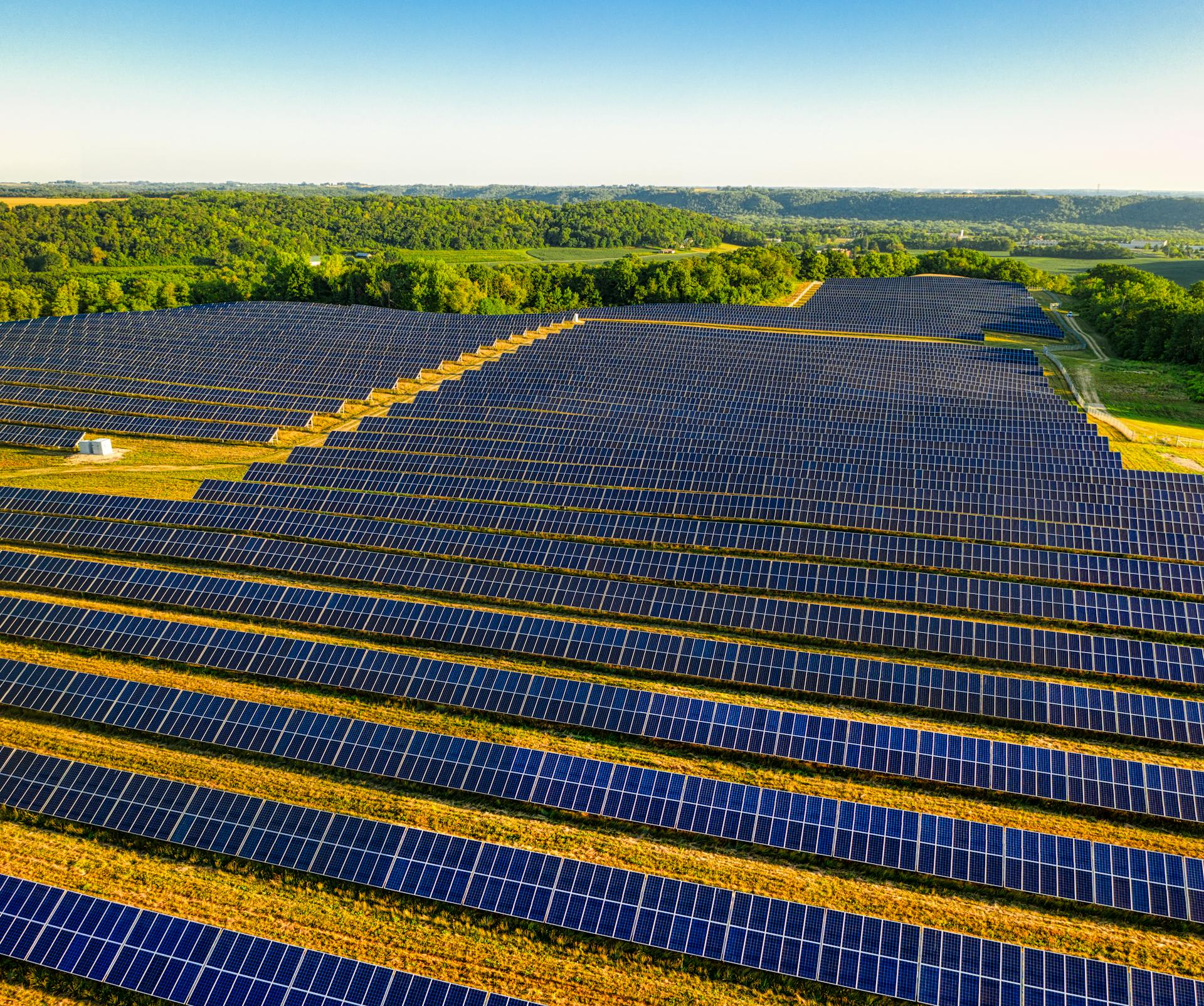
Dyme takes the fourth route. We earn a commission from hotels and other travel providers on each booking and put part of it into solar for schools and hospitals, which then pay less for electricity. We only fund projects that add new capacity to the grid.
So far we have funded 5.5 MW, with 20 MW more in the pipeline. Some of the projects we fund are subject to the US deadlines above, so we ask developers the same questions. If you're choosing projects of your own, our page on why we invest in solar explains what the projects do for the schools and hospitals connected to them, and our guide to community benefits covers what a project does for the people around it.
FAQ: paying for solar
Is the clean electricity credit ending for solar projects?+
For projects that began construction after July 4, 2026, yes, unless they are placed in service by December 31, 2027. Projects that began construction by July 4, 2026 are treated as continuous if they are placed in service by the end of the fourth calendar year after the year construction began.
Can a nonprofit or a public school get the solar tax credit?+
Yes, through elective pay. The IRS lets tax-exempt organizations and state and local governments receive the credit as a payment, even though they don't owe much federal tax.
What is the difference between a solar lease and a power purchase agreement?+
With a lease, you pay for the use of the system over a set period. With a power purchase agreement, you pay for the electricity it produces at an agreed rate. In both, the developer owns the system.
What counts as beginning construction on a solar project?+
Either physical work of a significant nature, or paying at least 5% of the project's total cost. The IRS dropped the 5% rule for most wind and solar projects in Notice 2025-42, but a federal court threw out that notice in June 2026, so both count for now.