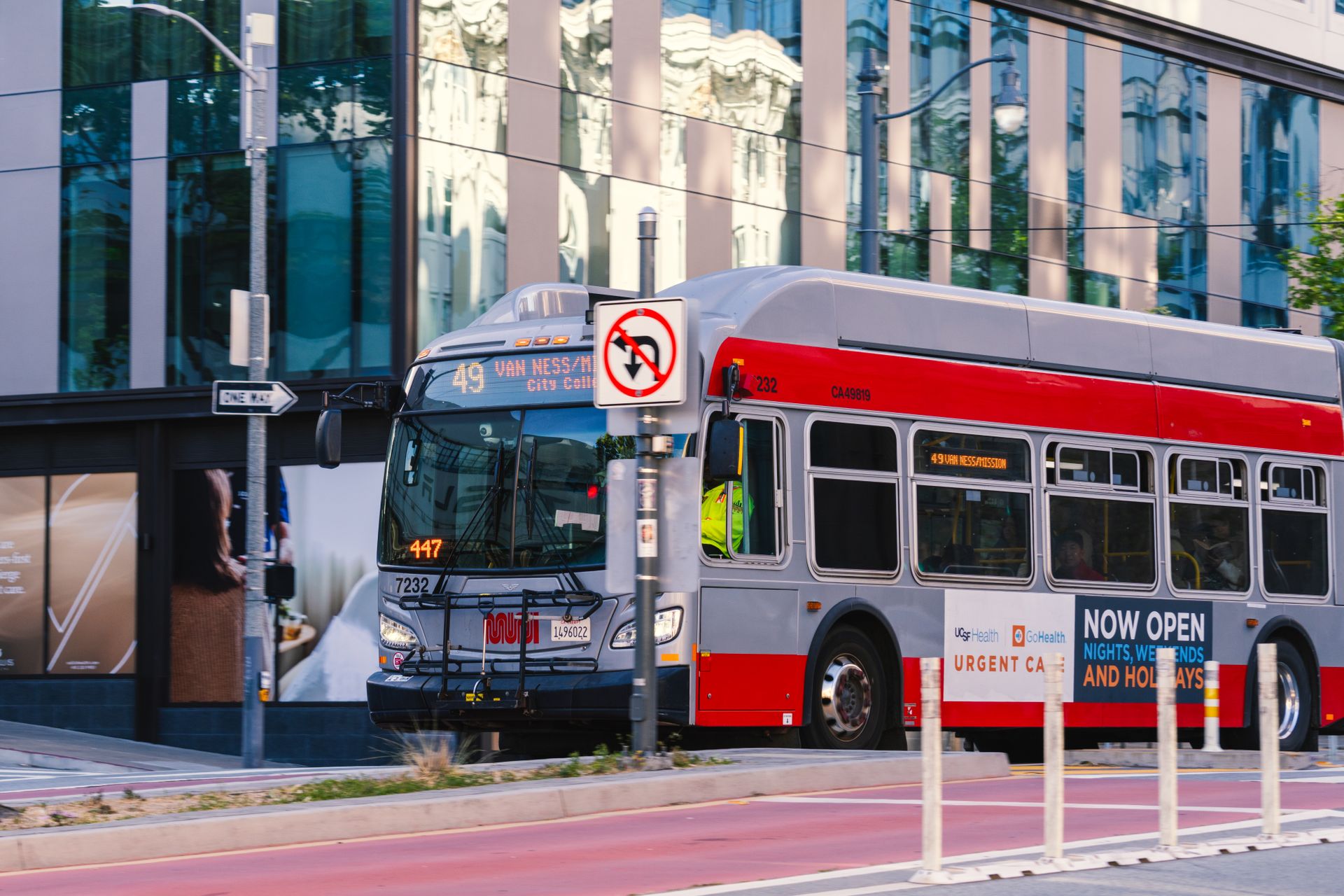
Most visitors do not need a car in San Francisco. Muni and BART cover the city and SFO airport well, but service thins out late at night and in some outer neighborhoods. If you plan to stay in central areas like Union Square, the Mission, or Fisherman's Wharf, public transit and rideshare handle nearly every trip.
Key facts at a glance
- A Muni single ride costs $2.50 for adults; a Clipper card gives you free transfers within 90 minutes.
- BART connects San Francisco International Airport to downtown in about 30 minutes for $10.65.
- Cable cars run on three lines and cost $8 per ride; they are a tourist experience, not a commuter tool.
- Bay Wheels bike share has 700+ stations across San Francisco; a single ride starts at $3.49 for 30 minutes.
- Street parking in central SF averages $3–$7 per hour, and garages near Fisherman's Wharf charge premium daily rates.
- Lyft and Uber operate throughout San Francisco; surge pricing is common during Giants and Warriors games.
- Muir Woods requires a timed entry permit and has no direct public transit from downtown SF.
San Francisco transport options compared
| Option | Typical cost | Convenience |
|---|---|---|
| Muni and BART | $2.50–$10.65 per ride | Very high |
| Taxi or rideshare | $12–$40+ per trip | High |
| Rental car | Mid-range daily rate plus parking | Medium |
| Cable car | $8 per ride | Medium |
| Bay Wheels bikeshare | $3.49 per 30 min or day pass available | High |
When you might need a car in San Francisco
A rental makes sense for specific trips, not for getting around San Francisco itself.
Day trips to Napa Valley or Sonoma require a car. No practical public transit route connects downtown SF to wine country, and the drive takes about 90 minutes each way.
Muir Woods is 17 miles north of the city, and the Muir Woods National Monument requires a timed entry permit. A seasonal shuttle runs from Sausalito, but schedules are limited. A car gives you far more flexibility.
Families or groups traveling with strollers, large luggage, or mobility equipment will find rideshare or a rental more practical than navigating Muni stairs and crowded buses.
If you plan to visit the outer Sunset, Excelsior, or Visitacion Valley neighborhoods, Muni buses do reach these areas, but service runs every 20 to 30 minutes and stops earlier in the evening. A car saves significant time.
Anyone attending multiple events across the Bay Area in a single day, such as a morning in Berkeley and an afternoon further south, will find BART connections slow and a car more efficient.
When you do not need a car
Staying in Union Square, the Mission, Hayes Valley, or the Castro puts you within walking distance of dozens of Muni stops. You can reach almost any major San Francisco attraction without a car.
Getting from SFO to your hotel is straightforward on BART. Board at the SFO BART Station inside the International Terminal and ride to Powell Street or Civic Center in about 30 minutes for $10.65. No taxi queue, no surge pricing.
Fisherman's Wharf, Pier 39, and the Ferry Building all are along the San Francisco waterfront and connect to multiple Muni lines. The F-Market historic streetcar runs the length of Market Street and continues to the Embarcadero.
Golden Gate Park spans 1,000 acres and has dedicated bike lanes, Muni bus stops on multiple edges, and Bay Wheels stations near the main entrances. You do not need a car to spend a full day there.
For Giants games at Oracle Park, the Muni T-Third line drops you at 4th and King Street, a 5-minute walk from the stadium entrance. Driving and parking near the ballpark costs a premium and adds 30 to 45 minutes of traffic each way.
How to get around San Francisco without a car
Load the Clipper card app or pick up a physical card at any Walgreens or BART station in San Francisco. A Clipper card covers Muni buses, Muni Metro light rail, BART, and the ferry, and it automatically applies transfer discounts that cash riders miss.
For real-time arrivals, use the SF Muni app or Google Maps with transit directions enabled. Both show live vehicle positions and alert you to delays on specific lines.
The Muni Metro has six lines (J, K, L, M, N, T) running underground through downtown San Francisco and surfacing in outer neighborhoods. The N-Judah line connects the Castro to the Inner Sunset and Ocean Beach. The T-Third runs from Caltrain at 4th and King through SoMa and down to Bayview.
Bay Wheels bike share works well for trips under 3 miles in San Francisco, especially along the Embarcadero waterfront path or through Golden Gate Park. Download the Lyft app to unlock bikes and check station availability before you walk to one.
For late-night travel after Muni service drops off, Lyft and Uber remain reliable in central San Francisco neighborhoods. Budget $15 to $25 for most trips within the city core between midnight and 2 a.m.
Parking and driving realities in San Francisco
San Francisco has some of the most difficult urban driving conditions in the country. Hills, one-way streets, and aggressive street-cleaning schedules make parking a constant challenge.
Street parking in San Francisco uses color-coded curbs. Red means no stopping. Yellow is commercial loading only. Green allows 10-minute parking. White is passenger loading. Most metered spots in central neighborhoods allow a maximum of 2 hours and cost $3 to $7 per hour, enforced 9 a.m. to 6 p.m. Monday through Saturday.
SFMTA issues roughly 1,500 street-cleaning tickets per day in San Francisco. Check the posted signs on every block before you leave your car. The fine starts at $76.
If you do rent a car for a day trip out of San Francisco, pick it up the morning you leave and return it the same evening. Keeping a rental parked in the city overnight adds cost and risk with no benefit.
Sustainable travel in San Francisco
Skipping a rental car in San Francisco cuts your trip's carbon footprint in a measurable way. The SFMTA runs one of the most electrified urban transit fleets in the country, with Muni Metro trains and a growing share of electric buses. Choosing Muni or BART over a rideshare for airport transfers alone avoids roughly 8 to 10 miles of single-occupancy driving per trip. Bay Wheels e-bikes add a zero-emission option for trips where walking feels too slow.
Official sources
- SFMTA (San Francisco Municipal Transportation Agency): Muni schedules, fares, Clipper card info, and real-time maps.
- BART Official Site: Trip planner, fares, and SFO airport connection details.
- Clipper Card: Load and manage your transit card for Muni, BART, and ferry services.
- SF Recreation and Parks: Golden Gate Park access, event schedules, and bike route maps.
Things to do in San Francisco, by neighborhood
Where to start in each neighborhood, and what’s on there this weekend.
Frequently asked questions
What is the best way to get from SFO to downtown San Francisco?+
Take BART from the SFO International Terminal station directly to Powell Street or Civic Center. The ride takes about 30 minutes and costs $10.65. Rideshare from SFO to Union Square runs $35 to $55 depending on traffic and surge pricing, so BART saves both money and time for most travelers.
Can I get to Muir Woods without a car?+
A seasonal shuttle runs from the Sausalito Ferry Terminal to Muir Woods on weekends and some holidays, but schedules are limited and you still need to take the ferry from San Francisco first. Most visitors find a rental car or rideshare far more practical. Book your timed entry permit at recreation.gov before you go, regardless of how you get there.
Is Muni safe to use at night in San Francisco?+
Muni runs until around midnight on most lines, with reduced frequency after 9 p.m. The underground Metro stations and main surface corridors in San Francisco are generally fine for evening travel. For trips after midnight or in less-trafficked outer neighborhoods, Lyft or Uber give you more control over timing and route.
What is the cheapest way to get around San Francisco?+
A Clipper card loaded with Muni credit gives you the lowest per-trip cost at $2.50 per ride, with free transfers within 90 minutes. A 7-day Muni passport costs $38 and covers unlimited rides on all Muni lines including cable cars, which normally cost $8 each. BART charges separately by distance, so it adds up if you use it daily across San Francisco.
Do I need a car to visit Napa Valley from San Francisco?+
A car is the most practical option for Napa. BART connects to the Vallejo Ferry, and a bus runs from Vallejo to Napa, but the total trip takes well over two hours each way. Most visitors rent a car for a day trip, which takes about 90 minutes from downtown SF via the Bay Bridge or Golden Gate Bridge.
What is the difference between Muni and BART in San Francisco?+
Muni covers travel within San Francisco, running buses, light rail (Muni Metro), historic streetcars, and cable cars. BART is a regional rail system connecting SF to the East Bay, South Bay, and SFO airport. You pay separately for each system, though both accept the Clipper card. For trips entirely within San Francisco, Muni is your primary tool.